sayings

500. NTOBHI O BHUSHISHI AGABHALEKELAGA ABHA MINO BHABHUNG’WA.

Imbuki ya kahayile kenako, yilolile bhutobhi bho bhushishi, na bhung’wiwa bhobho. Ubhutobhi bho bhushishi bhunabho, bhugasolaga makanza malihu. Aliyo lulu, untobhi obho agabhalekelaga bhangi abho bhali na mino, bhabhung’wa ubhushishi bhunubho. Hunagwene abhanhu bhagayombaga giki, ‘ntobhi o bhushishi agabhalekelaga abha mino bhabhung’wa.’

Akahayile kenako, kagalenganijiyagwa kuli munhu uyo, agacholaga jikolo mpaga ujipandika, na gucha adajilile. Umunhu ng’wunuyo, agaicholaga isabho yiniyo mpaga oyipandika bhogusabha, na winga kuwelelo, ubhalekela abhapanga isabho jinijo bhujilya.

Abhanhu abha mino, ha bhapanga abho bhagabhung’waga ubhushishi ubho obhutobha, umunhu ng’wunuyo. Ugujichola isabho jinijo, ikolile nu gutobha bhushishi, ubho untobhi obho agabhalekelaga abha mino, nulu abhapanga, bhajilya isabho jinijo. Hunagwene abhanhu bhagayombaga giki, ‘ntobhi o bhushishi agabhalekelaga abha mino bhabhung’wa.’

Akahayile kaneko, kalanga bhanhu higulya ya gwigulambija gutumama milimo, iya gubhapandikila isabho ija gumana bhilekela, ulu ocha ung’wene, kugiki, bhadule gujilang’hana chiza isabho jinijo.

Wakolosai 3:1-3.

Mathayo 19:13-30.

KISWAHILI: ANAYEKOROGA UKWAJU HUWAACHIA WALE WALIO NA MENO WANAUNYWA.

Chanzo cha msemo huo, chaangalia ukorogaji wa ukwaji, na unywaji wake. Ukorogaji huo, huchukua muda mrefu. Lakini basi, mkorogaji wake huwatengenezea wengine walio na meno, ambao huunywa, ukwaju huo. Ndiyo maana watu husema kwamba, ‘mkorogaji wa ukwaju huwaachia wenye meno wanaunywa.’

Msemo huo, hulinganishwa kwa mtu yule ambaye hutafuta mali hadi akazipata kwa wingi, na kufa bila kuzila. Mtu huyo, huzitafuta mali hizo mpaka hutajirika, na kuaga dunia, akiwaachia wale walio wazima, mali zake zote. Watu hao huzila mali hizo zilizoachwa kwao na marehemu.

Watu hao, wenye meno ni wale ambao ni wazima, walioachwa na marehemu, ambao huunywa ukwaju ule alioukoroga, mtu huyo. Kuzitafuta mali hizo, hufanana na kukoroga ukwaju, ambao mkorogaji wake huwaachia wenye meno, au wale walio wazima, ambao huzila mali hizo. Ndiyo maana watu husema kwamba, ‘mkorogaji wa ukwaju huwaachia wenye meno wanaunywa.’

Msemo huo, hufundisha watu juu ya kufanya kazi kwa bidii iwawezeshayo kupata mali zakuwa wanaachiana, anapokufa mmoja wao, ili waweze kuzitunza vizuri mali hizo.

Wakolosai 3:1-3.

Mathayo 19:13-30.
te-tugu-igasha

passion-fruit

ENGLISH: HE WHO PREPARED THE TAMARIND FRUIT JUICE LEFT IT FOR THOSE WITH TEETH TO DRINK.

The source of this proverb is the juice of the tamarind fruit. The preparation for the tamarind juice takes quiet some times to be ready for people to drink it. There is a possibility for the one who prepared it to leave others to drink the juice. Therefore, this proverb can be performed to describe how someone can prepare it and fail to drink instead; others drink on his/her behalf. This scenario is described using the proverb that ‘he who prepared the tamarind fruit juice left it for those with teeth to drink.’

The saying can be compared to a person who struggles for wealth for a long time. When he/she gets it, he/she dies before enjoying his/her richness thus leaving it to be used by others. The people with teeth are the ones left behind after the owner of properties passes away.

The saying teaches people about working hard to get rich which can also be used by other people, including family members, when the owner of those possessions dies.

Colossians 3: 1-3.

Matthew 19: 13-30.
499. DULI BHANJINGO NI KULU.

Imbuki ya kahayile kenako, ililola njingo uyo guli hikulu. Unjingo bhuli bhuzenganwa ni kulu. Ilikulu bhuli bhikaji bho Ntemi o bhalo, nulu o si ndebhe. Kuyiniyo lulu, abhanhu abho bhazenganilwe ni kulu, bhadiko guluha, nulu guding’wa sagala kulwa bhuhubhi, kunguno bhagikomejaga ugugadima amalagilo ga si yiniyo. Hunagwene abhanhu bhenabho bhagayombaga giki, ‘duli bha njingo ni kulu.’

Akahayile kenako, kagalenganijiyagwa kubhanhu, abho bhagagadimaga chiza amalagilo ga bhabyaji bhabho, nulu aga si jabho. Abhanhu bhenabho, bhadaluhaga sagala, kunguno ya kajile kabho ako kalikawiza. Abhoyi igabhiza jinogu nulu gwinhywa bhutongeji nu ntale obho, kunguno bhagabhizaga bhedebhile umo agatongelelaga Untemi obho.

Abhanhu bhenabho, bhagalenganijiyagwa kubhanhu abho bhali njingo ni kulu, kunguno, bhagadimaga chiza iyo bhagawilagwa na bhatale bhabho. Hunagwene bhagayombaga giki, ‘duli bha njingo ni kulu.’

Akahayile kenako, kalanga bhanhu higulya ya gugikalana chiza amalagilo ga si jabho, nulu aga bhatale bhabho, kugiki bhadule gwikala bho mholele na bhichabho, umuwikaji bhobho.

Wafilipi 2:4-6.

Yohana 15:4-5.

Mathayo 11:25-30.

Warumi 8:31-35.

KISWAHILI: TU MAJIRANI NA IKULU.

Chanzo cha msemo huo, chaangalia watu wanaishi jirani na ikulu. Ikulu ni makazi ya Mfalme, au Mkuu wa nchi fulani. Kwa hiyo basi, watu wanaoishi jinani na ikulu, hawawezi kuteseka, wala kushikwa hovyo, kwa sababu ya kutenda maovu, kwa sababu wao wanazifahamu sheria za pale. Kwa maana hiyo, watu hao, hujitahidi kuziishi sheria za nchi yao au kijiji chao, vizuri. Ndiyo maana watu hao husema kwamba, ‘tu majirani na ikulu.’

Msemo huo, hulinganishwa kwa watu, wale ambao, huzishika vizuri sheria za wazazi wao, au zile za nchi zao. Watu hao, hawateseki hovyo, kwa sababu ya mwenendo wao kuwa mzuri katika jamii. Baadhi yao, huwa rahisi hata kupewa uongozi na mkubwa, Mfalme au Mkuu wa nchi yao.

Watu hao, hulinganishwa na watu wanaoishi karibu na Ikulu, kwa sababu, nao huwa wanaziishi sheria za pale walipo vizuri. Ndiyo maana watu hao husema kwamba, ‘tu majirani na ikulu.’

Msemo huo, hufundisha watu juu ya kuzielewa na kuziishi sheria za nchi zao, au zile za jamii yao, ili waweze kuishi kwa amani na wenzao, katika maisha yao yote.

Wafilipi 2: 4-6.

Yohane 15: 4-5.

Mathayo 11: 25-30.

Warumi 8: 31-35.

bhatalii bha bhuganda

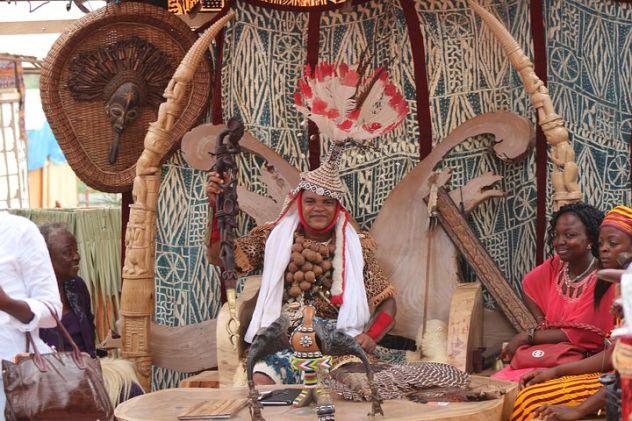
chief

building

ENGLISH: WE ARE CLOSE TO THE STATE HOUSE/PALACE.

The source of this saying is the closeness between where someone lives and the state house or palace. People who live closer to the state house or palace are likely to be very obedient to the authority because they know better the laws of the land and they are frequently reminded about what is expected of them. Therefore, such people do not suffer much because of their obedience to the state laws and regulations. Thus, these people are being described using the saying that ‘we are close to the state house/palace.’

The saying can be compared to people who strictly observe the laws of their parents, or those of their country. These people do not suffer so much because of their good conduct in the society. Some of them can even be easier to be given leadership posts because of their obedience.

The saying teaches people about understanding and living according to the laws of their countries or of their society so that they can live in harmony with others.

Philippians 2: 4-6. “Complete my joy by being of the same mind, having the same love, being in full accord and of one mind. Do nothing from selfishness or conceit, but in humility count others better than yourselves. Let each of you look not only to his own interests, but also to the interests of others.  Have this mind among yourselves, which is yours in Christ Jesus, who, though he was in the form of God, did not count equality with God a thing to be grasped,”

John 15: 4-5. “Abide in me, and I in you. As the branch cannot bear fruit by itself, unless it abides in the vine, neither can you, unless you abide in me. I am the vine, you are the branches. He who abides in me, and I in him, he it is that bears much fruit, for apart from me you can do nothing.”

Matthew 11: 25-30. “At that time Jesus declared, “I thank thee, Father, Lord of heaven and earth, that thou hast hidden these things from the wise and understanding and revealed them to babes; yea, Father, for such was thy gracious will. All things have been delivered to me by my Father; and no one knows the Son except the Father, and no one knows the Father except the Son and any one to whom the Son chooses to reveal him. Come to me, all who labor and are heavy laden, and I will give you rest. Take my yoke upon you, and learn from me; for I am gentle and lowly in heart, and you will find rest for your souls. 30 For my yoke is easy, and my burden is light.””

Romans 8: 31-35. “What then shall we say to this? If God is for us, who is against us? He who did not spare his own Son but gave him up for us all, will he not also give us all things with him? Who shall bring any charge against God’s elect? It is God who justifies; who is to condemn? Is it Christ Jesus, who died, yes, who was raised from the dead, who is at the right hand of God, who indeed intercedes for us? Who shall separate us from the love of Christ? Shall tribulation, or distress, or persecution, or famine, or nakedness, or peril, or sword?”


YOU ARE ALSO KINDLY INVITED TO CLICK AT ITS APPLICATION BELOW IN THE FIGHT AGAINST COVID -19 CORONA VIRUS PANDEMIC.

application of stories to the practical life

494. IGOSHA LYA NHULULU.

Imbuki ya kahayile kenako, yililola ngosha uyo alina nhululu. Inhululu jilinhinda ja ngosha ng’wunuyo, uyo agasiminza wimanile igiki uweyi humani opye iyose.  Uweyi adazunyaga imihayo iya bhiye, kunguno ya nhinda jakwe jinijo. Hunagwene abhanhu bhagang’witanaga giki, ‘igosha lya nhululu.’

Akahayile kenako, kagalenganijiyagwa kuli munhu uyo alina nhani, umukikalile kakwe. Umunhu ng’wunuyo, ali nambu uyo adazunyaga ya bhiye, kunguno ya nhani jakwe jinijo. Uweyi agamanaga ulema duhu ya bhiye.

Umunhu ng’wunuyo, agalenganijiyagwa ni igosha lya nhululu, kunguno nang’hwe alina nhani, ijagwimana weyi duhu. Nuweyi ali nanhinda ijo jigang’wenhelejaga guyuilema imihayo iyabhiye. Hunagwene abhanhu bhagang’witanaga giki, ‘igosha lya nhululu.’

Akahayile kenako, kalanga bhanhu higulya ya kuleka gubhiza na nhinda umuwikaji bhobho, kugiki bhadule gwikala chiza na bhichabho, umukalile kabho.

Mwanzo 4:9-10.

Luka 18:9-14,

2Wakorintho 2:10-11.

KISWAHILI: MWANAMUME MWEYE KIBURI.

Chanzo cha msemo huo, chaangalia mwanamume mwenye kiburi. Kiburi hicho, humpelekea mtu huyo, kutembea kwa kujidai kujua kila kitu. Yeye hakubali mawazo ya wenzake, kwa sababu ya kiburi chake hicho. Ndiyo maana watu humwita kwamba ni ‘mwanamume mwenye kiburi.’

Msemo huo, hulinganishwa kwa mtu yule ambaye, ana majibu ya mkato, yaliyotawalia na kiburi maishani mwake. Mtu huyo, amejaa kiburi, uchoyo na kujiamini kupita kiasi. Yeye hakubali mawazo ya wengine, kwa sababu ya kiburi chake hicho. Akiambiwa kitu yeye hukataa tu bila sababu yoyote iliyo ya msingi.

Mtu huyo, hulinganishwa na mwamume mwenye kiburi, kwa sababu naye ana kiburi cha kujijali yeye mwenyewe tu. Kiburi hicho, humpelekea kukataa kila anachoambiwa na wenzake. Ndiyo maana watu humwita kwamba, yeye ni ‘mwanamume mwenye kiburi.’

Msemo huo, hufundisha watu juu ya kuacha kuwa na kiburi maishani mwao, ili waweze kuishi vizuri na wenzao, katika maisha yao.

Mwanzo 4:9-10.

Luka 18:9-14,

2Wakorintho 2:10-11.

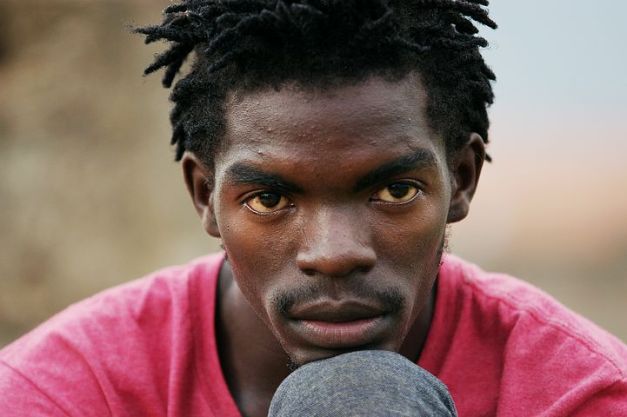
munhu o bhuganda

te-tugu-igasha

ENGLISH: AN ARROGANT MAN.

The source of this saying is an rrogant man who walks around pretending to know everything in his society. This man does not accept advice or any opinion from other individuals because of his arrogance. Such a person can be described as ‘an arrogant man’, as the saying shows.

The saying can be compared to a person who answers people’s queries shortly with no respect. He is arrogant, greedy and over-confident. He is someone who does not accept other people’s views with no reason for refusing them.

The saying teaches people about not being arrogant rather respecting others in the sameway one respects himself/herself.

Genesis 4: 9-10.

Luke 18: 9-14.

2Corinthians 2: 10-11.

493. NASHIGA AHI IBALA ILEBHE NABHONA JALASI.

Imbuki ya kahayile kenako, yilolile kabala kalebhe ako kadazwaga maswa na hado yaya. Akabala kenako, kagabhizaga kape, pye bhuli makanza, kunguno ya bhudimu bhogo ubho bhudadule guzunilija maswa guzwa hoyi. Hunagwene abhanhu bhagakabhonaga na guyomba giki, ‘nashiga ahi ibala ilebhe nabhona jalasi.’

Akahayile kenako, kagalenganijiyagwa kuli munhu uyo agikalaga na bhanhu bha bhuli mbika. Munhu ng’wunuyo adebhile igiki, bhuli munhu alina jinhilwa jakwe, ijagufumila kuli Mulungu. Walihoyi abhanhu abhangi bhalihu, na  abhanhu bhaguhi, aliyo pye abhose abhenabho, bhali bha ng’wa Mulungu, kunguno ung’wene huyo agabhabheja chene, guti numo ojibhegeja ijalasi yinijo, iyo idazwaga maswa.

Umunhu ng’wunuyo, agabhalangaga na bhiye ahigulya ya gwikala na bhanhu bhose bho nduhu gubhasolanya, kunguno ya kigelele kabho. Hunagwene agabhawilaga abhanhu giki, ‘nashiga ahi ibala ilebhe nabhona jalasi.’

Akahayile kenako, kalanga bhanhu higulya ya gwikala na bhanhu bhose bho nduhu ugubhasolanya, kugiki, bhadule gubhiza na mholele, umuwikaji bhobho.

Kutoka 15:22-26.

Mathayo 8:23-27.

KISWAHILI: NIMEFIKA MAHALA FULANI NIKAONA SEHEMU ISIYOOTA NYASI HATA KIDOGO.

Chanzo cha msemo huo, chaangalia sehemu fulani, ambayo haioteshi nyasi hata kidogo. Sehemu hiyo, huwa nyeupe kila wakati, kwa sababu ya ugumu wake, ambao hauruhusu nyasi kuota pale. Ndiyo maana watu huiona sehemu hiyo, na kusema kwamba, ‘nimefika mahala fulani nikaona sehemu isiyoota nyasi hata kidogo.’

Msemo huo, hulinganishwa kwa mtu yule ambaye huishi na watu wa aina zote. Mtu huyo, anafahamu kwamba, kila mtu ana vipaji vyake, alizopata kutoka kwa Mungu. Kwa maana hiyo, kuna watu wengine ni walefu, wengine ni wafupi, lakini wote hao, ni wa Mungu, kwa sababu ndiye aliyewaumba hivyo, kama alivyoiumba sehemu ile isiyoota nyasi.

Mtu huyo, huwafundisha pia wenzake juu ya kuishi na watu wa aina zote bila ubaguzi, wa aina yoyote ile. Ndiyo maana watu husema kwamba, ‘nimefika mahala fulani nikaona sehemu isiyoota nyasi hata kidogo.’

Msemo huo, hufundisha watu juu ya kuishi na watu wote bila ubaguzi wa aina yoyote ile, ili waweze kuwa na amani, katika maisha yao.

Kutoka 15:22-26.

Mathayo 8:23-27.

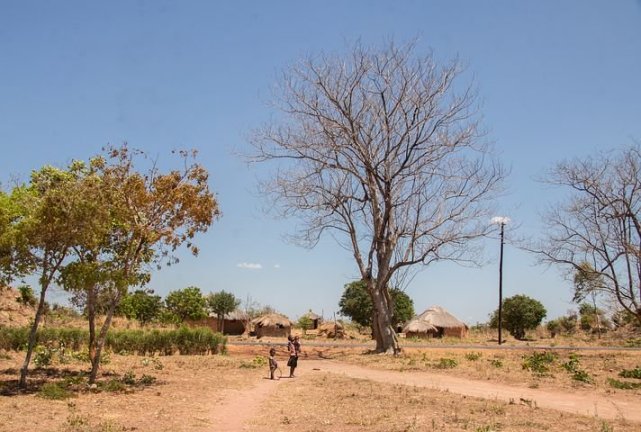
villege life

jilasi

ENGLISH: I HAVE REACHED A PLACE WHERE GRASS DOES NOT GROW.

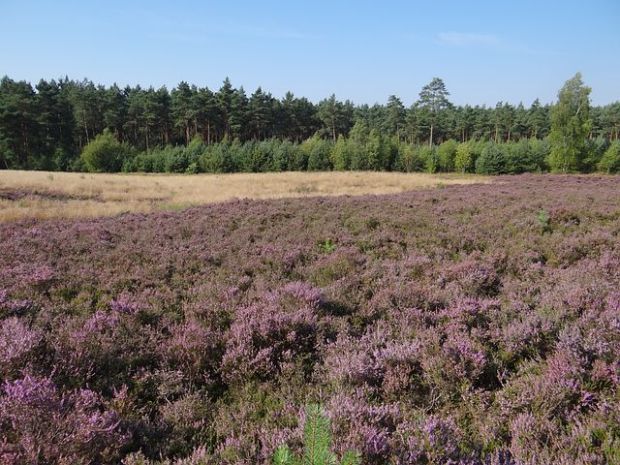
The source of the saying is place where grasses do not grow. This place is described to be empty all the time because of its hardship to grow any plant.When people see such a place they can say ‘I have reached a place where grass does not grow.’

The saying can be compared to a person who lives with all kinds of people. This person can realize that people have different talents, which they have received from God. Some people are tall and others are short, but all of them are a creation of God. This person can also help others to understand that all human beings are equal before God.

The saying teaches people about living with all people without discrimination of any kind so that they can have peace in their lives.

Exodus 15: 22-26.

Matthew 8: 23-27.

492. ITAGA SAMBALAGUNA.

Imbuki ya kahayile kenako, ililola witi bho sambaliagana. Isambalaguna yiniyo, bhuli bhukangilija bho gugutumama nimo nhebhe. Ulu munhu alitumama nimo hado hado, agakomejiyagwa na bhiye bho guwilwa agwite unimo gunuyo bho bhukangilija. Hunagwene abhanhu bhagang’wilaga giki, ‘itaga sambalaguna.’

Akahayile kenako, kagalenganijiyagwa kuli munhu uyo agabhakomelejaga abhanhu bhakwe gutumama milimo bho bhukangilija. Umunhu ng’wunuyo, adebhile ugubhalela chiza abhanhu bhakwe, bho gubhalanga gwigulambija uguitumama imilimo yabho, kugiki bhadule guimala wangu, na kupandika matwajo mingi, umuwikaji bhobho.

Umunhu ng’wunuyo, agabhizaga na sabho ningi ahakaya yakwe, kunguno ya bhukamu bhokwe ubho guitumama imilimo iya hakaya yakwe yiniyo. Akikalile kakwe, kagabhalanjaga abhanhu higulya ya gubhiza na bhukangilija bho guitumama chiza imilimo yabho. Hunagwene agankomeleja bhuli munhu bho gung’wila giki, ‘itaga sambalaguna.’

Akahayile kenako, kalanga bhanhu higulya ya kuitumama imilimo yabho bho bhukanjilija, kugiki bhadule uguimala wangu, na gupandika matwajo mingi, umuwikaji bhobho.

Kutoka 12:11.

Luka 9:1-6.

Luka 13:31.

KISWAHILI: FANYA HARAKA HARAKA

Chanzo cha msemo huo, chaangalia uhimizaji wa kufanya kazi kwa haraka haraka. Uhimizaji huo, ni ule uwezao kutekeleza kazi fulani kwa muda mfupi. Mtu anayefanya kazi pole pole, huhimizwa na wenzake kwa kuambiwa afanye haraka, ili aweze kuimaliza kazi yake mapema. Ndiyo maana watu humwambia mtu huyo kwamba, ‘fanya haraka haraka.’

Msemo huo, hulinganishwa kwa mtu, yule ambaye huwahimiza watu wake kufanya kazi kwa haraka katika familia yake. Mtu huyo, aelewa namna ya kuwalea vizuri watu wake, kwa kuwafundisha namna ya kufanya kazi zao kwa bidii, ili waweze kuzimaliza mapema, na kupata mafanikio mengi, maishani mwao.

Mtu huyo, huwa na mali nyingi kwenye familia yake, kwa sababu ya bidii yake ya kuyatekeleza majukumu yake hayo. Ndiyo maana yeye humfundisha kila mtu kwa kumwambia, ‘fanya haraka haraka.’

Msemo huo, hufundisha watu juu ya kuzitekeleza kazi zao vizuri, na kwa bidii kubwa, ili waweze kuzimaliza mapema, na kupata mafanikio mengi, maishani mwao.

Kutoka 12:11.

Luka 9:1-6.

Luka 13:31.

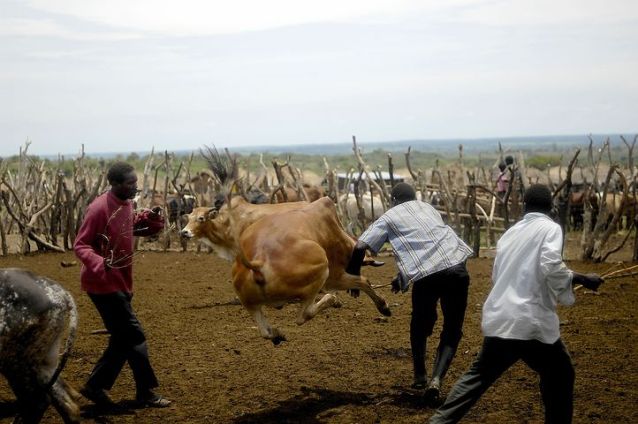
nziko go bhakenya

kenyan

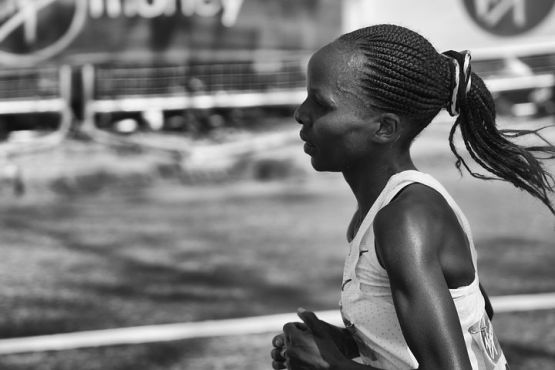
ENGLISH: DO IT QUICKLY.

The source of the saying looks at the urgency of working fast. This urgency comes because of how something has to be done within a given time/short period of time. A person who does his/her work slowly can be encouraged to do it fast so as to get rid of it as early as possible. This is why people can encourage others by using this saying that ‘do it quickly.’

The saying can be compared to a person who encourages his/her people to work fast in doing something. This person knows better how to best take care of the family and therefore encouraging others to be fast in their doings in order to have success in the family within a very short period of time.

The saying teaches people about how to do their job well and with great effort so that they can finish it early. This can enable them to have more success in their lives.

Exodus 12:11.

Luke 9: 1-6.

Luke 13:31.