Balikihamo na bha: Rev. Joseph Healey, (Ng’wana Healey), Rev. Donald Sybertz, (Ng’wana Helena), Rev. Sandu, Martin, Mabula, Clement na bhangi b’ingi.
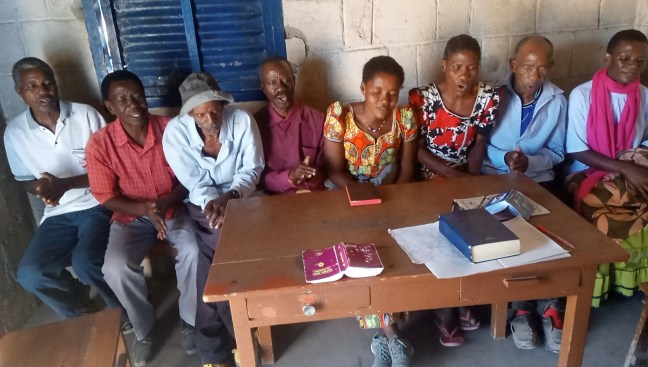
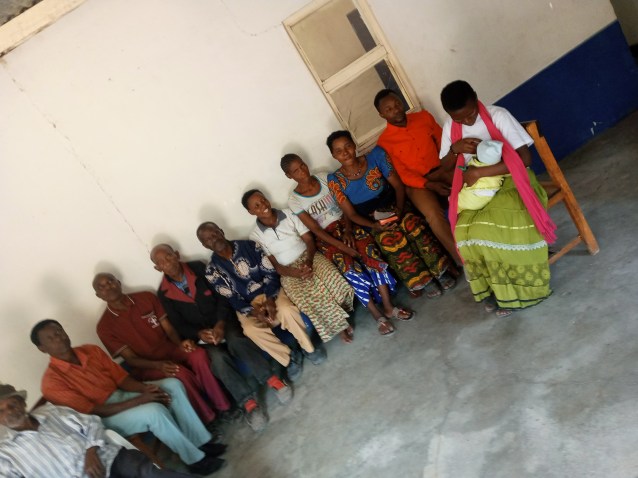
KISWAHILI: KIKUNDI CHA KAMATI YA UTAFITI NDOLELEJI, KIKIIMBA WIMBO WA SHUKRANI KWA MUNGU, NA KWA WAANZILISHI WA UTAFITI.
Hao ni pamoja na: Rev. Joseph Healey, (Ng’wana Healey), Rev. Donald Sybertz, (Ng’wana Helena), Rev. Sandu, Martin, Mabula, Clement na wengine wengi.
ENGLISH: NDOLELEJI RESEARCH COMMITTEE GROUP SINGING A GRATITUDE SONG TO GOD AS WELL AS TO THE RESEARCH FOUNDERS. Video
They include: Rev. Joseph Healey, (Ng’wana Healey), Rev. Donald Sybertz, (Ng’wana Helena), Rev. Sandu, Martin, Mabula, Clement and others. Video of the research committee group singing. Video
YUSTINA DEUS O JIKUNDI JA B’AKENGEJI B’A KAMATI YA NDOLELEJI ALIMBA LYIMBO LYA GUNUMBILIJA MULUNGU UYO AGAMPIJA PADRI DONALD SYBERTS NG’WANAHELENA OHO OLIOSADA.
KISWAHILI: WIMBO WA SHUKRANI KWA KWA MUNGU
YUSTINA DEUS WA KIKUNDI CHA KAMATI YA UTAFITI CHA NDOLELEJI AKIIMBA WIMBO WA KUMSHUKURU MUNGU KWA KUMPONYA PADRI DONALD NG’WANAHELENA ALIYEKUWA MGONJWA.
ENGLISH: A THANKSGIVING SONG TO GOD
YUSTINA DEUS OF NDOLELEJI RESEARCH COMMITEE GROUP, SINGING A THANKSGIVING SONGVIDEO TO GOD FOR HEALING FR. DONALD SYBERTZ WHO WAS SICK.
SAMIKE ADADULILE UGUHU
MULA
B’ULUMBI
Samike olintongezi o mbina ya Bagalu, uyo olinduja noyi na okindaga b’ojinagu umuwikindi bhokwe na luganda lo mbina ya B’agika. Uluganda lo B’agika lugab’iza na wilu, na lugachola nzila ja gudula gunhabhula USamike. Aho magemero mingi gaduma, lushugu lumo umujilabhu ja walwa, abhanishi wakwe bhaganlabhula USamike ub’iza nsadu noyi. Unfumu okwe uomakanza genayo, adadulile ugunlagula. Huna uja kubhafumu bhangi nabho bhugaduma ugunlagula.
Nose aho wikala adalile kulikanza lya shugu itano, na giko uduma ugusiminza, USamike agabhuchiwa na bhahemba bhakwe mpaga gukaya ya nfumu ntale uyo agapijaga witanagwa, Luhumbika, huko agaja ugalagulilwa mpaga upila.
Yalinduhu inzila yingi ukuli nene. Oliadiho munhu ungi uyo ninansanga. Luhumbika aganifyadula guti umoagitilaga umeja omadafari ulualilubha b’ulolo b’upya b’o madafari, guti giki nafuma munda muli mayu one.” Uk. 95, mujitabho ja Jigano za Jiafrika, ku bhahubiri na b’ang’walimu, jandikwa na Joseph G. Healey, MM. Jakengelwa na Bakengeji bhusuguma bha Bujora.
KISWAHILI: SAMIKE HAKUWEZA KUNYAMAZA
SHUKRANI
“Samike alikuwa ni kiongozi wa ngoma ya Bagalu aliyefanikiwa sana na ambaye alishinda kwa urahisi mashindano dhidi ya Kikundi cha Ngoma ya Bagika. Kikundi cha Bagika kikawa na wivu, na husuda na kutafuta njia ya kuweza kumdhuru Samike. Baada ya majaribio mengi kushindwa, siku moja katika klabu ya pombe, adui zake walimdhuru Samike na akawa mgonjwa sana. Mganga wake wa wakati ule hakuweza k
umtibu. Ndipo akawaendea baadhi ya waganga wengine ambao nao pia walishindwa.
Hatimaye, baada ya kushinda bila kula kwa muda wa siku tano, na hivyo akashindwa kutembea, Samike alibebwa na wafuasi wake hadi nyumbani kwa mganga mkuu wa uponyaji, aitwaye Luhumbika, ambako ndiko alikotibiwa na kupona.
Baada ya kuponywa hivyo, Samike alijawa na furaha kubwa ilioje hata akatunga wimbo wa shukrani kwa Luhumbika. Alisafiri kila mahali huku akiuimba wimbo huo wa sifa na shukrani kwa Luhumbika. Samike hakuweza kunyamaza, lakini katika mashindano ya ngoma aliendelea kuwaambia watu juu ya mambo makuu ambayo Luhumbika alimtendea. Aliimba:
Kuugua siyo kufa. Nimepata nafuu kabisa. Nimeponywa. Watoto wangu, furahini pamoja nami. Luhumbika ndiye aliyeniponya. Naomba aishi milele! Yeye ni mpanga mkuu mponyaji. Dawa yake ya kweli ina nguvu sana kwani huwafanya maadui washindwe kunidhuru. Dawa yake ina nguvu zaidi kuliko ya maadui. Kama asingekuwa yeye ningekuwa nimekufa. Nisingekuwa hai bado.
Hapakuwepo na njia nyingive kwangu. Hakakuwepo na mtu mwingine ambaye ningemwendea. Luhumbika aliniinua kutoka kwenye kitanda. Aliniponyesha. Luhumbika alinifyatua kama afanyavyo mtengenezaji wa tofali anavyokanda udongo mpya wa matofali kana kwamba nilitoka tumboni mwa mama yangu.” Uk. 95, wa kitabu cha Hadhithi za Kiafrica, kwa Wahubiri na Walimu, cha Joseph G. Healey, MM. kilichotafitiwa na Kamati ya Utafiti ya Wasukuma, Bujora, Tanzania.
Grateful song from Ndoleleji Research committee groupvideo
ENGLISH: SAMIKE COULDN’T KEEP SILINT
THANKSGIVING,
Samike was a very successful dance leader of Bagalu group and would easily win the competitions against the Bagika Dance Group. The Bagika became very jealous, envious and looked for ways to harm Samike. After several unsuccessful attempts, one day at a local beer party, his enemies bewitched Samike and he became seriously ill. His regular diviner-healer could not cure him. Then he went to several other ordinary diviner-healers who also failed to cure him.
Finally, after going without food for five days and being unable to walk, Samike was carried by his disciples to the home of the great divine-healer, Luhumbika where he was eventually cured. After his recovery, Samike was overcome with joy and composed a song of thanksgiving to Luhumbika. He traveled everywhere singing this song of praise and thanksgiving. Samike could not keep silent, but at dance competitions he kept telling people the great things that Luhumbika had done for him. He sang:
To be sick is not to die. I am completely better. I am healed. My children, rejoice with me. Luhumbika is the one who healed me. May he live forever? He is a real divine-healer. His magical medicine is so powerful that it is impossible for the witches to harm me. His medicine is more powerful than the sorcerers. If it were not for him I would be dead. I would have no life in me.
There was no way out for me. I had no one else to turn to. I was in a hopeless situation. I was like one dead or lost. Luhumbika raised me up from my sick bed. He healed me. Luhumbika refashioned me like a brick maker makes a new mud brick as if I had just come from my mother’s womb.
African Stories For Preachers and Teachers (2005), p.95, compiled by Rev. Joseph G. Healey, MM. It was researched by Bujora Committee Research Group. It is also found in the www.afriprov.org.
Chanzo cha methali hiyo huangalia neno au tatizo lililofichwa ndani ya moyo ulioko kifuani mwa mtu. Mtu huyo asipotaka kuwaambia tatizo au neno hilo lililopo ndani ya moyo wake, hamtalifahamu. Kifua hulinganishwa na kificho kwa sababu kitu kikiwekwa kwenye kificho humtakiona ninyi wengine.
Methali hiyo hulinganishwa kwa watu wale wafichao matatizo au magonjwa yao. Watu hao huwa hawawambii wenzao matatizo au ugonjwa wao. Matatizo hayo hukua mpaka kufikia hali ya kushindikana kutatuliwa. Mwishowe hufikia hatua ya kusababisha kifo kwao, ndipo waishio karibu nao kugundua uwepo wake matatizo hayo kwa watu hao, na kusema, ‘kifuani mwa mtu kificho kimo.’
Methali hiyo hufundisha watu juu ya kuacha kuficha matatizo yao kwa sababu matatizo hayo yaweza kukua mpaka kufikia hatua ya kuwaondolea uhai wao. Yafaa watu walio na matatizo yakiwemo yale ya ugonjwa, wayapeleke watu hao kutibiwa mahospitalini, kabla hayajafikia hatua ya kuhatarisha maisha yao, ili waweze kupona.
Warumi 16:25-26.
1Kor 2:9-11.
Mathayo 13:10-11.
ENGLISH: A PERSON’S CHEST IS A HIDING PLACE
The above proverb literally looks at the human character of keeping secrets. People are known to conceal their Issues or troubles within their chests, that is, in their hearts. As such, it is difficult for anyone to tell what the other person’s heart holds. The chest is compared to a hiding place, like a cave, because it hides things from view.
The proverb is compared to those who hide their problems or illnesses from the knowledge of others. Consequently, their problems grow until they become impossible to solve, reaching a point of becoming fatal to them. It is usually at this point that neighbors get to learn of the afflictions of the troubled person. Then they would say, ‘A person’s chest is a hiding place.’
The proverb teaches people to avoid hiding their problems because those problems can escalate to a point of causing harm, including loss of life. It is therefore important that people use the earliest opportunity to detect and share what ails them, to avert disaster.
Chanzo cha methali hiyo huangalia wawindaji wenye vibali harali vya kuwindia wanyama pori. Mtu akitaka kuua mnyaga pori hutakiwa kuwa na maandalizi ya kuchukua silaha za kuulia kama vile: mishale, mkuki, na bunduki ili aweze kufanikisha lengo lake hilo. Hutakiwa kufahamu pia mwelekeo wa upepo na kuwa na uwezo wa kuwanyemelea wanyama hao. Ndiyo maana watu husema kwamba, ‘Asiyeweza kunyemelea hutaua mnyama pori.’
Methali hiyo hulinganishwa kwa mtu mwenye umakini wa kufanya maandalizi yaliyo kamilika kabla ya kuanza kufanya kazi yoyote iliyo ngumu. Mtu huyo hupata mafanikio mengi katika kazi zake kwa sababu afahamu kwamba, ‘asiyeweza kunyemelea hataua mnyama pori.’
Kuweza kunyemelea hufananishwa na kuwa na maandalizi makamilifu kabla ya kufanya kazi yoyote ile iliyo ngumu. Kuua mnyama pori hulinganishwa na kupata mafanikio ya kutoka kwenye kazi yake mtu huyo.
Methali hiyo hufundisha watu juu ya kuwa na umakini wa kufanya maandalizi makamilifu kabla ya kufanya kazi yoyote ile iliyo ngumu. Umakini huo huwasaidia watu hao katika kupata mafanikio mengi kwenye kazi zao yawezayo kuziendeleza vizuri familia zao.
Yafaa watu hao wawe na umakini wa kujiandaa kikamilifu kabla hawajaanza kuzifanya kazi zao ili waweze kupata mafanikio ya kuweza kuziendesha vizuri familia zao.
Matendo 20:29.
Waroma 16:19.
Mathayo 10:16.
Yohana 10:12.
ENGLISH: HE/SHE WHO DOES NOT KNOW HOW TO STALK CANNOT KILL PREY
The overhead proverb relates to hunting wild game, especially by those who are licensed to do so. If a hunter intends to accomplish his/her goal, the person must be sufficiently prepared with suitable weapons like: arrows, spears and rifles. And apart from being able to tell the direction of the wind, the hunter should also have the capacity to stealthily stalk or track the animals. This is why people would say, “He/she who does not know how to stalk cannot kill a wild animal.”
The proverb is compared to a person who is careful to do thorough preparation before undertaking any difficult task. Such a person is sure to achieve a lot of success in his/her endeavors, with the realization that ‘He/She who knows not how to stalk cannot kill a wild animal.’
‘Procrastination’ is a term used to mean not having thorough preparation before undertaking any difficult task. It is compared to laziness. On the other hand, killing a wild animal is compared to gaining the success of a job.
The proverb teaches people to be keen on making proper preparations before undertaking any task. This principle would help them achieve more success in their activities, which would in turn guarantee better families.