Sukuma Proverbs

308. NONI IMO MMAKONO ILI YA WIZA GUKILA IB´ILI NG´WIPOLU

Imbuki ya lusumo lunulo ingilile kunoni iyo ilimumakono ga ng´wa munhu. Umunhu ng´wunuyo oladidililaga chiza, kunguno ya gujikumbwa noni ijo jiling´wipolu. Aho janshiga inoni  jinijo, uibhona isolobho ya noni iyo ilimmakono gakwe. Hunagwene abhanhu bhayombaga giki, ´noni imo mmakono iliyawiza gukila ib´ili ng´wipolu.´

Ulusumo lunulo lugalenganijiyagwa kuli munhu uyo alinajikolo umumakono gakwe ijo agajidalahaga, kunguno ya kujikumbwa sabho ijo jidiho. Uweyi adadebhile igiki ijo alinajo jilijawiza gukila gujikumbwa ijo adinajo. Hunagwene abhanhu bhagang’wilaga giki ‘noni imo mmakono ili yawiza gukila ib’ili ng’wipolu.’

Ulusumo lunulo lolanga bhanhu higulya ya gujidilila chiza isab’a ijo b’alinajo, umumakono gabho, gukila gujikumbwa ijo bhadinajo.

Luka 15:7.

KISWAHILI: NDEGE MMOJA MIKONONI NI BORA KULIKO NDEGE WAWILI POLINI

Chanzo cha methali hiyo chatokea kwenye ndege aliyeko mikononi mwa mtu. Mtu huyo hamjali vizuri kwa sababu ya kutamani kupata ndege wawilli walioko polini.

Alipogundua kwamba ndege hao walioko polini wamemuacha, alitambua umuhimu wa ndege aliyenaye mikononi mwake. Ndiyo maana watu husema kwamba, ‘ndege mmoja mikononi, ni bora kuliko ndege wawili polini.’

Methali hiyo hulinganishwa kwa mtu ambaye  ana mali mikononi mwake, ambaye huidharau mali hiyo, kwa sababu ya kutamani mali ambao haipo. Yeye  haelewi kwamba kile alicho nacho, ni bora  kuliko kutamani mali asizo nazo. Ndiyo maana watu humwambia kwamba, ‘ndege mmoja mikononi ni bora kuliko ndege wawili polini.’

Methali hiyo hufundisha watu juu ya kuitunza mali waliyo nayo mikononi mwao, kuliko kutamani ile wasiyokuwa nayo.

Luka 15:7.

people with bird

robin


ENGLISH: A BIRD IN THE HAND IS WORTH THAN TWO IN THE BUSH

The proverb originates from a story of a person with one bird in hand. There was a person who was not taking good care of the bird he/she had because of the desire of two birds which were in the bush.

When this person could not catch the two birds in the bush he/she realized the value of the bird he/she had in his hands. That is why people say, “a bird in the hand is worth than two in the bush.”

The proverb is likened to a person who dispeses the property he/she has in possession because of a desire for property that he/she does not have. The person does not appreciate the worth of what he/she has in relation to what he/she does not have. This makes people to tell him/her, “a bird in the hand is worth than two in the bush.”

The proverb teaches people to value and take good care of what they have even if it is small rather than the desire for something greater which may come to nothing.

Luke 15: 7.

307. B´OYA B´O NGOKO B´UDAKWIJAGA NYAMA

Imbuki ya lusumo lunulo ilolile bóya b´o ngoko na nyama yayo. Ingoko ulu idinatonwa ub´oya, igikalaga nhale. Aliyo lulu, ulu munhu uitona ub´oya b´unubho, igabhizaga ndololo. Gashinaga inyama yayo idinhale gitumo igigelelaga ingoko yiniyo, ulu ilinabhoya b´oyo. Hunagwene abhanhu bhagayombaga giki, ´b´oya b´o ngoko b´udakwijaga nyama.´

Ulusumo lunulo lugalenganijiyagwa kuli munhu uyo alintale ubhogunola, aliyo lulu, amasala gakwe galimagehu. Umunhu ng´wunuyo agitaga mihayo ya nyanigini. Hunagwene abhanhu bhagang´wilaga giki, ´b´oya b´o ngoko b´udakwijaga nyama.´

Ulusumo lunulo lolanga bhanhu higulya ya kutumama milimo yabho, bho nduhu gwishadya mumilimo ya bhichacho.

1 Samweli 16:6-15.

Yohane 7:24.

KISWAHILI: MANYOYA YA KUKU HAYAFANYI NYAMA KUWA NYINGI

Chanzo cha methali hiyo chaangalia manyoya ya kuku na nyama yake. Kuku akiwa na manyoya huonekana kuwa ni mkubwa. Lakini basi, mtu akinyonyoa manyoya hayo, huwa mdogo. Kumbe nyama yake siyo kubwa kama ilivyoonekana wakati kuku huyo akiwa na manyoya yake. Ndiyo maana watu husema kwamba, ´manyoya ya kuku hayafanyi nyama kuwa nyingi.´

Methali hiyo hulinganishwa kwa mtu ambaye huonakana kuwa ni mkubwa kwa umbo, lakini basi, akili zake ni ndogo. Mtu huyo hufanya mambo ya kitoto. Ndiyo maana watu humwambia kuwa, ´manyoya ya kuku hayafanyi nyama kuwa nyingi.´

Methali hiyo hufundisha watu juu ya kufanya kazi zao vizuri bila kujiingiza kwenye kazi za wenzao.

1 Samweli 16:6-15.

Yohane 7:24.

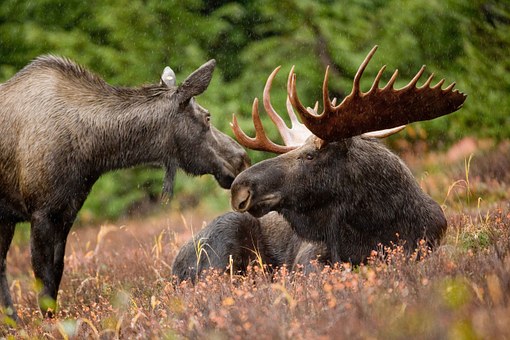
animal


ENGLISH: CHICKEN’S FEATHERS NEVER ADD ITS MEAT

This proverb rises in the relationship between chicken’s feathers and its meat. A chicken always looks big when it has its feathers. However, when the feathers of the same chicken are plucked it becomes small and its meat also become not as big as it looked when the chicken had its feathers.That is why people say, “chicken’s feathers never add its meat.”

The proverb is compared to someone who looks big in shape, but then his/her intelligence is low. That person does childish things. That is why people tell such people that “chicken’s feathers never add its meat.”

The proverb teaches people to do their jobs well as well as engaging in their fellow’s works.

1 Samuel 16: 6-15.

John 7:24.

306. JAB´I NG´HANGA JA JIDIKU JALEKANA MAGELE

Imbuki ya lusumo lunulo ingilile kukikalile ka ng´hanga. Ing´hanga jilinoni ijo jigikalaga kihamo, umakanza aga muchu. Ulu gushiga amakanza aga jidiku jigalekanaga jaja gujutela. Hunagwene abhanhu bhagayombaga giki, ´jab´i ng´hanga ja jidiku jalekana magele.´

Ulusumo lunulo lugalenganijjiyagwa kubhanhu abho bhagabhizaga kihamo umumakanza ga jidiku kunguno ya gulima. Ulu gushiga amakanza aga muchu, abhanhu b’enabho bhagabalasanaga. Hunagwene abhanhu bhagayombaga giki, ´jab´i ng´hanga ja jidiku jalekana magele.´

Ulusumo lunulo lolanga bhanhu higulya ya gubhiza na bhumo bho gudula gutumama milimo yabho chiza, umumanza aga milimo yiniyo. Ubhumo bhunubho bhugubhambilija, abhanhu bhenabho, ijinagugatumila chiza amakanza aga milimo yabho.

Luka 10: 17-20.

KISWAHILI: ZIMEKUWA KANGA ZA MASIKA ZIMEACHANA MAKUNDI

Chanzo cha methali hiyo chatokea kwenye maisha ya kanga. Kanga ni ndege ambao huishi kwa pamoja wakati wa kiangazi. Kikifika kipindi cha masika hutawanyika kwa ajili ya kwenda kutaga. Ndiyo maana watu husema kwamba, ´zimekuwa kanga za masika, zimeachana makundi.´

Methali hiyo hulinganishwa kwa watu ambao huwa wako pamoja kwenye kipindi cha masika, kwa sababu ya kulima. Kikifika kipindi cha kiangazi, watu hao huachana. Ndiyo maana watu husema kwamba, ´zimekuwa kanga za masika zimeachana makundi.´

Methali hiyo hufundisha watu juu ya kuunda umoja wa kuwawezesha kufanya kazi, ufikapo wakati wa kazi hizo. Umoja huo utawasaidia watu hao katika kuutumia vizuri muda wao huo wa kazi.

Luka 10: 17-20.

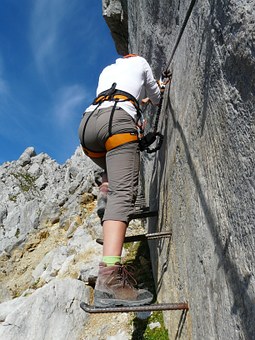
brick-laying


ENGLISH: THEY HAVE BECOME SPRING GUNEAFOWLS; THEY HAVE DISPERSED IN GROUPS

The saying emerges from the life of guneafowls. These birds live in groups durig summer.However, when spring begins, they disperse to go to lay eggs. That is why people say, “They have become spring guneafowls; they have dispersed in groups.”

The saying is compared to people who live together during spring because of working together. When summer comes, they disperse. That is why people say, “They have become spring guneafowls; they have dispersed in groups.”

The saying teaches people about forming union and doing their activities together. The union will help these people in managing their time.

Luke 10: 17-20.

302. BHUSUMBA BHO GWIKUNGILA INGELELO YAHO IGABHIZAGA BHULUMVI.

Imbuki ya lusumo lunulo ingilile kubhanhu bhabhili abho bhalib´unwani. Ub´unwani bhobho bhunub´o, bhuli bho gwilombela yabhub´i, umung’holo jabho abhanhu bhenabho. Aliyo lullu, ihanze bhuling´wene agolechaga giki anwanile nu ng´wiye. Hunagwene abhanhu abho bhabhadebhile bhagawitanaga ubhunwani bhunubho giki, ´b´unwani bho gwikungila ingelelo yaho igabhizaga bhulumvi.´

Ulusumo lunulo lugalenganijiyagwa kubhanhu abho bhanwanile aliyo lulu, umub´unwani bhobho, bhuli ng´wene agabhizaga ankelile ung´wiye bho gung´witila ya bhub´i. Abhanhu abho bhadebhile igiki abhanhu bhenabho bhikungilile, bhagabhawilaga giki, bhali na b´unwani bho gwikungila ingelelo yaho igabhizaga bhulumvi.´

Ulusumo lunulo lolanga bhanhu gubhiza na witogwi bho ng´hana, kugiki bhadule gwikala bho mholele na bhichabho, umuwikaji bhobho.

(Yeremia 20:10; Luka 23:11-12)

KISWAHILI: URAFIKI WA KUNYEMELEANA MWISHO WAKE HUWA MAJUTO.

Chanzo cha methali hiyo chaangia kwa watu wawili walio marafiki. Urafiki wao huo ni wa kutakiana mabaya ndani ya mioyo yao, watu hao. Lakini kwa nje kila mmoja hujionesha kama kwamba ana urafiki na mwenzake. Ndiyo maana watu wafahamuo kwamba, watu hao hawana urafiki wa kweli, huuita urafiki huo kwamba, ni ´urafiki wa kunyemeleana mwisho wake huwa majuto.´

Methali hiyo hulinganishwa kwa watu ambao wanaurafiki wa juu juu kwa kila mmoja, kwa sababu ya wao kutakiana mabaya maishani mwao. Watu wanaofahamu kwamba watu hao wanadanganyana, huwaambia kwamba, wana urafiki wa kunyemeleana mwisho wake huwa majuto.´

Methali hiyo hufundisha watu  kuwa na upendo wa kweli maishani mwao, ili waweze kuishi kwa amani na wenzao.

(Yeremia 20:10; Luka 23:11-12).

person friends

ENGLISH: A FRIENDSHIP OF CONSPIRACY AGAINST EACH OTHER ITS END IS REGRET.

The origin of this saying is from two friends. Their friendship is about wishing evil to each other in their hearts. But outwardly, each one presents oneself as a bosom friend. That is why people who know that such people do not have true friendship, call such friendship “a friendship of conspiracy against each other its end is regret.”

The saying is compared to people with bosom friendship, because of their evil desires. People who know that such people are cheating on each other, tell them that they have “a conspiracy friendship against each other its end is regret.”

The proverb teaches people to have true love in their lives, so that they can live in peace with one another.

(Jeremiah 20:10; Luke 23: 11-12).

ENGLISH (ANOTHER VERSION): FAKE FRIENDSHIP

This saying emerges out of two friends. Their friendship is about implicitly wishing one another bad luck.The two of them pretend to be true friends outwardly. That is why people who know that the two do not truly like each other, they call it “fake friendship.”

The proverb is compared to people who show friendships to each other, but inwardly, each one wishes the other bad luck.This makes people who know the truth about the two to say, they have a ‘fake friendship.’

This proverb teaches people about having real love in their lives so that they can live in harmony with other people.

Jeremiah 20:10.

Luke 23: 11-12.

301. LELO UGULYA DALYA LELO NDALO MVA NENE!

Imbuki ya lusumo lunulo ingilile kujiliwa ijo ojilyaga munhu. Umunhu ng´wunuyo ulu atabhile agacholaga jiliwa ja gulya, naho bhuli nduhu ubhulalo, guti mva. Amakanza ganeyo ni tulo agamalaga.

Aliyo lulu, ulu ulya wiguta agizukaga na nguno ya kuchola ndalo, guti ni mva iyo ishokaga kaya, nulu hanze yugalala. Ikumunhu agalala mukaya, hunagwene umunhu ng´wunuyo ulu olya wiguta, agayombaga giki, ´lelo ugulya dalya lelo ndalo mva nene!´

Ulusumo lunulo lugalenganijiyagwa kuli munhu uyo aginjaga tamu ilikoye ilitale na agandya uguginja na makoye amadomado. Umunhu ng´wunuyo agabhalanjaga nabhiye ugwita chiniko. Ulu omala ugulyinja ilikoye ilitale, agayombaga giki, ´lelo ugulya dalya lelo ndalo mva nene!´

Ulusumo lunulo lolanga bhanhu  guginja gwandya amakoye amatale, huna bhandya lulu uguginja nayo galimadodo, umuwikaji bhobho.

(Luka 9:57-58).

KISWAHILI: LEO TUMEKULA, MALAZI MBWA MIMI!

Chanzo cha methali hiyo chatokea kwenye ulaji wa chakula wa mtu. Mtu huyo akiwa na njaa hutafuta chakula ili apate kula, hata pale pasipokuwa na malazi, kama mva atafutavyo. Wakati huo hata usingizi huwa hausikii.

Lakini basi, akila na kutosheka, hukumbuka sababu ya kutafuta sehemu ya malazi, kama mva akumbukavyo na kurudi nyumbani kwake, akiwa pale hata nje aweza kulala. Kwa vile mtu hulala ndani, ndiyo maana mtu huyo baada ya kula na kutosheka, husema, ´leo kula tumekula, malazi mva mimi!´

Methali hiyo hulinganishwa kwa mtu ambaye hutatua kwanza tatizo lilikubwa ndipo na yale madogo hufuata kuanza kutatuliwa naye. Mtu huyo amalizapo kutatua tatizo lililokubwa husema kwamba, ´leo kula tumekula, malazi mbwa mimi!´

Methali hiyo hufundisha watu  kutatua kwanza matatizo yaliyo makubwa, kwa ajili ya kupata nguvu za kuwawezesha kuyatatua na yale ambayo ni madogo, maishani mwao.

(Luka 9:57-58).


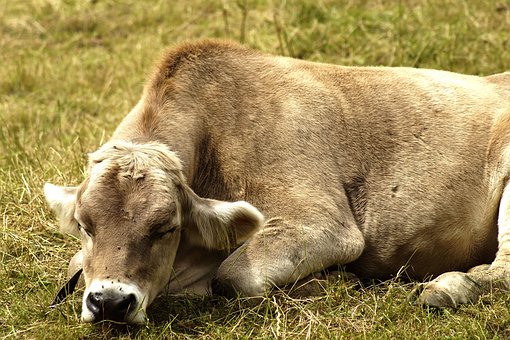
dog-sleeping


ENGLISH: WE HAVE EATEN BUT WILL SLEEP LIKE A DOG.

This proverb stems from eating food. A hungry person will search for food like a dog. Such people do not remember about shelter because, by that time, sleep is not important.

However, after eating and being satisfied, the person remembers to look for a place to sleep, in the same way the dog does; it can sleep even outside. People are supposed to sleep in the house after eating and being satisfied. This is why people say, “we have eaten, but we will sleep like a dog.”

The proverb is compared to a person who solves big problems first and solves the small ones later. When the person has finished solving the big problems, he can say, “we have eaten, but will sleep like a dog.”

The proverb teaches people about solving big problems first in order to find strength to solve the small ones.

Luke 9: 57-58.

ENGLISH (ANOTHER VERSION): I HAVE EATEN WELL TODAY, BUT WHERE WILL I SLEEP, ME DOG!

This proverb originates from someone’s food intake. A hungry person looks for food so that he or she can eat, even when he or she is not sure of shelter, as the latter will be searched for subsequently. At that point even sleep becomes unheard of.

But then, after eating to his or her satisfaction, the person remembers the reason for finding a place to sleep, as the latter recalls and goes back to his house, still out there and sleeping. Since a person sleeps inside, that is why the person after eating and being satisfied, asks himself or herself, “I have eaten well today, but where will I sleep, me dog?’

The proverb is then compared to the person who solves the first a bigger problem and then begins to solve the smaller ones. When the person has finished solving the bigger problem, they say, “I have eaten well today, but where will I sleep, me dog?”

The proverb teaches people about solving big problems first, in order to find the strength to solve other concerns, especially those that are small in their lives.

(Luke 9: 57-58).