stories

265. B’ALANG’HUNG’HULA BHANHU KAGANDA.

Imbuki ya kahayile kenako ifumilile kuli ningi o Jisuguma uyo witanagwa Samike. Uningi ng’wunuyo wimbaga mimbo ukinu wikimilija giki uweyi alinyehu noyi. Nulu agigela munhu wa gung’wib’onela abhanhu abhingi bhaduntogwa. Ukwene huguhaya giki, ‘b’alang’ung’ula bhanhu kaganda.’

Akahayile kenako kagalenganijiyagwa kuli munhu uyo agikalaga chiza na bhanhu bha muchalo jakwe. Agabhambilija abho bhali mumakoye ijinaguginja wangu amakaye genayo, kugiki nabho bhapandike bhuyegi. Umunhu ng’wunuyo agab’izaga azunije nulu guminyika kunguno ya gwita mihayo ya wiza ukubhiye. Alina bhutogwa kubhanhu ubhogub’enhela bhuyegi abho alikala nabho. Ulu wigela munhu ogung’wib’onelwa umunhu ng’wunuyo, ‘b’alang’ung’ula bhanhu kaganda.’

Akahayile kenako kalanga bhanhu gwikala na bhutogwa kubhanhu ubhogudula gubhalunguja abho bhali mumakoye. Ubhutogwa bhunhubho bhugulanga bhichab’o gwikala bho mholele umuchalo jabho.

(Luka 23:48- 49; Luka 24: 20-21).

KISWAHILI: WATANUNG’UNIKA WATU KWA MAKUNDI.

Chanzo cha msemo huo chatokea kwa manju wa Kisukuma aliyeitwa Samike. Manju huyo alikuwa akiimba nyimbo kwa kujisifia upole aliokuwa nao uliomwezesha kuishi vizuri na watu. Hata akitokea mtu wa kumuonea, watu wengi hawatafurahia kitendo hicho na hawatampenda. Ndiyo kusema kwamba, ‘watanung’unika watu kwa makundi.’

Msemo huo hulinganishwa kwa mtu yule aishiye vizuri na watu walioko kwenye kijiji chake. Huwa akiwasaidia wenye matatizo mbalimbali maishani mwao ili waweze kuyatatua mapema na kuanza kufurahi tena.

Mtu huyo hukubali hata kuumia kwa ajili ya kutenda mema kwa faida ya wenzake. Hufanya hivyo kwa sababu ya upendo alio nao kwa wenzake. Upendo huo humpatia furaha ya kuwasaidia watu wake kwa upole. Kwa hiyo basi, mtu huyo akionewa na watu wenye nia mbaya, ‘watanung’unika watu kwa makundi’.

Msemo huo hufundisha watu kuishi kwa upendo na watu ili kuweza kuwasaidia na kuwafariji wale wenye shida mbalimbali. Upendo huo utawafundisha wenzao umuhimu wa kuishi kwa amani kwenye kijiji chao.

(Luka 23:48- 49; Luka 24: 20-21).
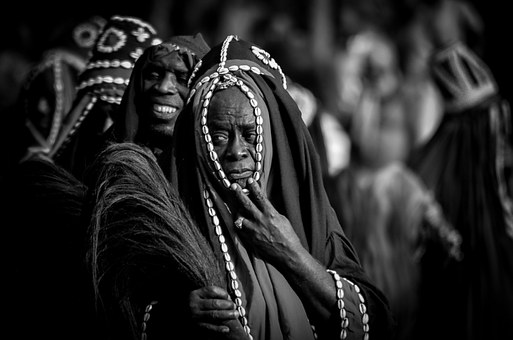


african-dancers-

ENGLISH: PEOPLE WILL COMPLAIN IN GROUPS.

The origin of this saying is a Sukuma maestro named Samike. The man used to sing boasting of his gentleness, which enabled him to live well with other people. Even if a bully happens to molest him, most people will not like it and him. Yes, ‘People will complain in a groups.’

The saying is used in comparison to refer to any person who lives well with other people in his village. He helps those who are in various troubles in life so that they can easily resolve them and start enjoying life again.

Such a person even accepts to suffer in order to do good deeds that benefit of his fellows. He does so out of love for his fellows. That love gives him the joy of helping his people in good faith. So, if that person is bullied by any ill-minded people, ‘people will complain in groups’.

The saying teaches people about living in love with other people so that they can help and comfort those in various troubles. That love will teach their peers about the importance of living in peace in their village.

(Luke 23: 48-49; Luke 24: 20-21).

264. GWEJA MINO DAHOYA.

Imbuki ya lusumo lunulo ilolile mino ga bhanhu bhab’ili abho bhalihoya. Umumahoya gabho geneyo, bhagab’izaga bhisekela guti giki bhalolecha mino, kunguno bhuling’wene aligabhona amino ga ng’wiye, aliyo iyoilihoyi umugati yakwe umunhu ng’wunuyo, uungi adudula uguibhona. Hunagwene abhanhu bhagayombaga giki, ‘gweja mino dahoya.’

Ulusumo lunulo lugalenganijiyagwa kuli munhu uyo agikalaga usekela bhanhu bho golecha mino duhu ukubhoyi, aliyo umung’holo yakwe agab’izaga apelanile na adabhatogilwe abhiye. Umunhu ng’wunuyo agayombaga mihayo ya wiza, aliyo umung’holo yakwe, aliganika gwita mihayo yabhub’i ukubhiye. Umumahoya genayo, abhiye bhagayombaga giki, ‘gweja mino dahoya.’

Ulusumo lunulo lolanga bhanhu  gubhatogwa abhanhu abho bhalihoya nabho. Ubhutogwa bhunubho bhugubhambilija abhanhu bhenabho ijinagwikala bho mholele na bhananzendo bhichab’o.

(Yohana 2: 2:23 – 225)

KISWAHILI: KWA WEUPE WA MENO, TUMEONGEA.

Chanzo cha methali hiyo chaangalia meno ya watu wawili wanaoongea pamoja. Katika maongezi yao hayo, watu hao huwa wakioneshana meno kwa kuchekeana kana kwamba wanaonesha meno, kwa sababu kila mmoja huona meno ya mwenzake, lakini hawezi kuona mawazo yaliyomo moyoni mwa mwenzake huyo. Ndiyo maana watu husema kwamba, ‘kwa weupe wa meno, tumeongea.’

Methali hiyo hulinganishwa kwa mtu yule ambaye huwa akiwachekelea watu kwa kuonesha kwao meno tu, lakini huwa amekasirika moyoni mwake na hapendi wenzake. Katika maongezi hayo wenzake humwambia hivi, ‘weupe wa meno tumeongea.

Methali hiyo hufundisha watu  kuwapenda wenzao wanaoongea nao. Upendo huo utawasaidia watu wao katika kuishi kwa amani na wanakijiji wenzao kwa ajili ya kujiletea maendeleo mengi maishani mwao.

(Yohana 2: 2:23 – 225).

angolan

ENGLISH: BY THE WHITENESS OF THE TEETH, WE HAVE HAD A GREAT TALK.

The origin of this proverb is the teeth of two people talking together. In their conversations, these people expose their teeth as if they were displaying them, because they see each other’s teeth, but they cannot see the thoughts that are in each other’s heart. That is why people say, ‘By the whiteness of the teeth, we have had a great talk.’

The proverb is used comparatively with reference to people who make fun of other people by just showing their teeth, but they are angry deep inside their hearts and they do not like their colleagues. In conversations, their colleagues who suspect their hypocricy tell them, ‘By the whiteness of the teeth, we have had a great talk’.

The proverb teaches people to love the people they talk to. This love will help their people live in peace with their fellow villagers for the sake of improving their lives in various ways.

(John 2: 2:23 – 225).

263. NINENILE IMBUGA.

Imbuki ya lusumo lunulo ilolile mbuga iyo munhu aliibhitila. Umunhu ng’wunuyo agasiminzaga lugendo lulihu umumbuga yiniyo. Hangi iganojaga kunguno ya wingi bho masalu umo gagamanaga gulibhila amagulu gakwe. Imbuga yiniyo iganojaga noyi umunhu ng’wunuyo. Ulu oyifuma imbuga yiniyo agayegaga noyi. Hunagwene agayombaga giki, ‘ninenile imbuga.’

Ulusumo lunulo lugalenganijiyagwa kuli munhu uyo olimumakoye ahashigu ijojab’itile. Ihaha lulu wingile umumakoye genayo, alimugati ya bhuyegi bhutale. Umunhu ng’wunuyo agabhalomelaga abhiye igiki ogamalile amakoye genayo. Alimubhuyegi bho gulumbilija giki okindile chiza. Hunagwene, agayombaga giki, “ninenile imbuga”. Ukwene huguhaya giki ogamalile amakoye ayo gankoyaga, wandije guyega duhu ihaha.

Ulusumo lunulo lolanga bhanhu gwiyumilija gutumama milimo na bhukamu bhutale, kugiki bhapandike matwajo mingi umuwikaji bhobho. Ulu bhalagapandike amatwajo genayo, bhuling’wene aguhaya nawe giki, ‘ninenile imbuga.’

(2Timotheo 2:9-11; 2Timotheo 4:7-8).

KISWAHILI: NIMEIVUKA MBUGA.

Chanzo cha methali hiyo chaangalia mbuga ambayo mtu anatembea juu yake. Mtu huyo hutembea kwa mwendo mrefu kwenye mbuga hiyo kwa sababu ya ukubwa wake. Zaidi ya hayo, yeye huchoka kwa sababu ya wingi wa mchanga uliomo ndani yake ambao huifanya miguu yake ididimie kwenye mchanga huo. Mbuga hiyo huzidi kumchosha sana mtu huyo. Hivyo akiimaliza mbuga hiyo mtu huyo atafurahi sana. Ndiyo maana yeye husema kwamba, ‘nimeivuka imbuga.’

Methali hiyo hulinganishwa kwa mtu yule ambaye alikuwa kwenye matatizo makubwa siku zilizopita. Hivyo kwa sasa yuko kwenye furaha kubwa kwa sababu emeyamaliza matatizo yale. Anafanana na mtu aliyeivuka mbuga hiyo kubwa na ndefu. Mtu huyo huwasimulia wenzake kwamba alikuwa na matatizo makubwa, lakini sasa amayamaliza. Ameshinda hivyo anafurahia ushindi huo. Ndiyo maana mtu huyo husema kwamba, ‘nimeivuka mbuga.’ Ndiyo kusema kuwa, ameyamaliza matatizo yaliyokuwa yakimsumbua, kwa sasa anafurahia ushindi huo.

Methali hiyo hufundisha watu juu ya kuvumilia katika kufanya kazi kwa bidii kubwa ili waweze kupata mafanikio mengi maishani mwao. Wakiyapata mafanikio hayo kila mmoja atasema hivi, ‘nimeivuka mbuga.’

(2Timotheo 2:9-11; 2Timotheo 4:7-8).


desert

ENGLISH: I HAVE CROSSED THE PLAIN.

The origin of this proverb is a plain on which someone was walking. Such a person had a long walk from one side of the plain to the other because of its humongous size. A person walking on a humongous plain gets tired because of its size and the amount of mud that keeps his/her feet sinking into the plain. As such, the plain is very tiring. Thus, when the person finishes the journey to cross it will be very happy. That’s why he/she says, ‘I have crossed the plain.’

The proverb is comparatively used with reference to a person who was in serious trouble in the past and is now in great joy because he/she has solved the problem. He/she is like a person who crossed a vast plain. The person tells his/her colleagues that he/she had serious problems, but he/she has now gone them and it is all the past. He has won so he enjoys the victory. That is why the man says, ‘I have crossed the park.’ That is, he has solved the problems that were bothering him, and now he enjoys the victory.

The proverb teaches people to persevere in working hard so that they can get the most out of their lives. When they achieve that, everyone will say, ‘I have crossed the park.’

(2Timothy 2: 9-11; 2Timothy 4: 7-8)

262. WADUDIMILA HIBAMBASI

Imbuki ya lusumo lunulo ilolile ndimi o mitugo. Undimi ng’wunuyo agajichilulaga imitugo jinijo ogatuula hibala ilya nduhu amaswa. Ahenaho ilihang’wape guti hibambasi. Imitugo jinijo jigashogaka kaya jidigutile, kunguno jadimilagwa hibambasi. Hunagwene abhanhu bhagang’wilaga undimi ng’wunuyo giki, ojidimilaga hibambasi. Mumho ojishoshaga kaya imitugo jinijo jidigutule.

Ulusumo lunulo lugalenganijiyagwa kubhanhu abho bhagazugilagwa jiliwa bhalya aliyo bhakija ugwiguta. Unzugi obho agikolaga nu ndimi uomitugo uyo ojidimilaga hibambasi jukija ugwiguta. Hunagwene abhanhu bhenabho abho bhakijaga ugwiguta ijiliwa, bhagang’wilaga unzugi obho giki, ‘wadudimila hibambasi.’

Ulusumo lunulo lolanga bhanhu  gubhagola chiza abhanhu bhabho. Ubhugoji bhunubho bhulikihamo na gub’inha jiliwa ja gubhatosha abhanhu bhabho, na gub’inha malezi gagubhatosha abhana bhabho gub’iza na kikalile kawiza umuwikaji bhobho.

(Yohana 10:11-13; Ezekiel 34:1-2).

KISWAHILI: UMETUCHUNGIA KWENYE ARDHI TASA.

Chanzo cha methali hiyo chaangalia mchungaji wa mifugo. Mchungaji huyo huwachungia mifugo wake kwenye eneo jeupe, yaani, lisilo na majani. Hapo ni peusi kama kwenye bambasi au sehemu isiyoota nyasi. Mifugo hao hurudi nyumbani bila kushiba kwa sababu wamechungiwa kwenye bambasi. Ndiyo maana watu husema kwamba, amewachungia kwenye bambasi. Maana yake mifugo hao hawajashiba.

Methali hiyo hulinganishwa kwa watu wale ambao huwapikia chakula kisichowatosha watu wao. Hao ni watu wasiowapatia watu wao mahitaji ya kutosha kuwawezesha kuishi inavyotakia. Watu hao hufanana na mchungaji wa mifugo awachungiaye mifugo wake kwenye bambasi wakashindwa kushiba. Ndiyo maana watu hao, ambao hawajashiba chakula, humwambia mpishi wao kwamba, ‘umetuchungia kwenye bambasi.’

Methali hiyo hufundisha watu  kuwatunza vizuri watu wao, wakiwemo wafanyakazi na watoto wao. Matunzo hayo yatawasaidia wafanya kazi wao katika kupata haki zao vizuri, na watoto wao kupata malezi yawezayo kuwajengea tabia njema maishani mwao.

Yohana 10:11-13.

Ezekiel 34:1-2.


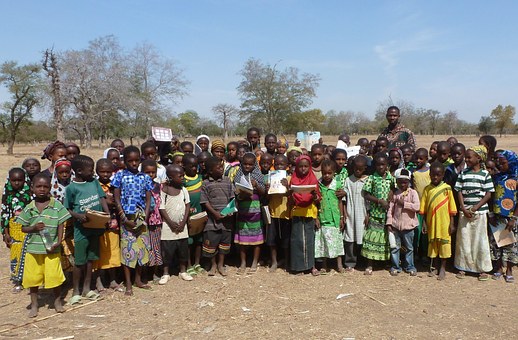
burkina-children

ENGLISH: YOU HAVE GRAZED US ON A BARREN LAND.

The origin of this proverb is a herdsperson. The person grazed his flock on a plain land with barren vegetation. This is usually a grass-free place and, therefore, not suitable for pasture. Thus, the animals returned home hungry and unsatisfied because they had been grazed on a barren vegetation area. That is why people, usually unsatisfied, say, ‘you have grazed us on a barren land’. It means that they have not have not been satisfied.

The proverb is used to tell those who cook inadequate food for their people. They are people who do not provide enough food for their people to survive. These people are like a herdsman who grazes his herds on a barren land. That is why unsatisfied people tell their cooks, ‘you have grazed us on a barren land.’

The proverb teaches people about taking good care of their people, including workers and their children. This care will help the workers have free access to their rights, and their children to receive training for building their future lives.

John 10: 11-13.

Ezekiel 34: 1-2.

261. WADIMA NZWI WALEKA UGUGULU.

Imbuki ya kahayile kenako ingilile kujigano ja ng’wa Sayayi na Shimba. Ijigano jinijo jihayile giki, Usayayi b’agikenya ni Shimba, uwei upelela mujigulu. Ugingila na usanganijiwa moyi uding’wa ugugulu. Aho oding’wa uwei uhaya giki, ‘wadima nzwi waleka ugugulu.’

Umunashinda aho wigwa chene, ugulekela ugugulu alihaya owilagwa go ng’hana, igiki linzwi.  Akoyi akaSayayi kukolob’ela mugati, kub’iza kapila ugubhulagwa. Hunakub’iza kahayile giki, ‘wadima nzwi waleka ugugulu.’

Akahayile kenako kakalenganijiyagwa kuli munhu uyo agatumilaga masala gakwe ijinagwipija umumakoye. Umunhu ng’wunuyo adebhile uguginja amakoye  ayo alinago, bho gutumila wiganiki bho masala mingi. Umunhu ng’wunuyo hangi adeb’ile ugubhambilija ab’iye ugugatumila amasala geneyo bhogwipija mumakoye.

Akahayile kenako kalanga bhanhu  gumana ugugatumila chiza amasala gabho bho gwipija na gwiyinja mumakoye. Ubhumani bhunubho bhugub’ambilija bhanhu bhingi uguginja amakoye ayo bhalinago.

(1 Samweli 16:18; Mathayo 10:17-18)

KISWAHILI: UMESHIKA MZIZI UKAACHA MGUU.

Chanzo cha msemo huo chatokea kwenye hadithi ya Sungura na Simba. Hadithi hiyo yaeleza kwamba, Sungura na Simba waligombana. Sungura akakimbia kwenda kujificha kwenye kichuguu. Kabla hajaingia vizuri kwenye kichuguu, Simba alimpata akamshika mguu. Sungura aliposhikwa mguu, alisema hivi, ‘umeshika mzizi ukaacha mguu.’ Simba aliposikia hivyo, alimwachia akifikiri kuwa kweli ni mzizi. Sungura alitokomea ndani akapona au akasalimika. Ndiyo ukawa msemo kwamba, ‘umeshika mzizi ukaacha mguu.’

Msemo huo hulinganishwa kwa mtu yule atumiaye akili zake vizuri katika kujitatulia matatizo. Mtu huyo afahamu namna ya kujiondolea matatizo aliyo nayo maishani mwake kwa kutumia akili zaidi. Zaidi ya hayo, mtu huyo huwafundisha pia wengine njia za kujiondolea matatizo yanayowakumba.

Msemo huo hufundisha watu  kuelewa namna ya kuzitumia vizuri akili zao katika kujitatulia matatizo maishani mwao. Uelewa huo utawasaidia watu wengi katika kujiondolea matatizo yawakumbayo maishani mwao.

(1 Samweli 16:18; Mathayo 10:17-18).


african lion

rabbit

ENGLISH: YOU GOT HOLD OF A ROOT AND LEFT THE LEG.

The origin of this saying is a tale about the Rabbit and the Lion. The tale has it that the two had a fight. As a result, the Rabbit ran to take cover in an anthill. The Lion chased and caught the Rabbit by the leg before entering the anthill.

When the Rabbit learnt that it had been caught by its leg, it said to the Lion, ‘You got hold of a root and left the leg.’ On hearing that, the Lion thought it was true and, therefore, left the leg thereby allowing the Rabbit to vanish into the anthill and survive his attack. Thereafter, it became a saying, ‘You got hold of a root and left the leg.’

The saying is used comparatively to refer to people who use their brains well in solving problems. Such people know how to get rid of problems they have in their lives by simply using common sense. In addition, such people also teach others how to get out of their problems using their brains.

The saying teaches people about understanding how to use their senses to solve problems in their lives. This understanding will help many people to get rid of the problems they are going through in their lives.

(1 Samuel 16:18; Matthew 10: 17-18).