proverbs

1456. YALABHA ILATULA.

KISWAHILI: IMETOA MWANGA ITANYESHA.

Usuli, Maana na Matumizi ya Kila Siku

Methali hii ya Kisukuma inatokana na mazingira asilia na maisha ya kila siku ya watu wa kaskazini-magharibi mwa Tanzania, hasa karibu na Mwanza, Shinyanga, na Simiyu. Watu hawa wa Kisukuma, wakiwa wakulima na wafugaji hasa, huchunguza asili kwa karibu. Methali hiyo huchota taswira yake kutoka angani wakati umeme unapowaka (“yalabha”), watu wanajua kwamba mvua iko karibu. Uzoefu huu wa asili hufundisha uvumilivu, kuona mbele, na kuamini ishara zinazoelekeza kwenye kinachokuja.

Kijadi, methali kama hizo zilitumiwa na wazee kufundisha kizazi kipya jinsi ya kutafsiri matukio ya maisha na kujiandaa kwa mabadiliko. Kama vile umeme unavyotabiri mvua, vitendo fulani, mitazamo, au hali katika maisha ya binadamu mara nyingi huonyesha kitakachofuata.

Kihalisi, methali hiyo inamaanisha: “Inapowaka, mvua inakuja.”

Kwa mfano, inaelezea wazo kwamba ishara hutangulia matukio. Hiyo ni kusema, kila hali maishani mara nyingi hutoa maonyo ya mapema au ishara za matumaini za kitakachokuja, iwe nzuri au mbaya.

Methali hii inaweza kutumika kuwatia moyo watu kwamba mwanzo mdogo husababisha mambo makubwa zaidi. Pia inaonya kwamba kila tendo lina matokeo. Zaidi ya hayo inashauri uvumilivu, kwa sababu ishara zinazoonekana mara nyingi hutangulia baraka au matokeo.

Inaweza kutumika katika maisha ya kila siku kuonyesha matokeo mazuri kwa yule anayefanya kazi kwa bidii. Kwa mfano, mwanafunzi anapoanza kujifunza kwa bidii baada ya muda mrefu wa kupuuzwa, mtu anaweza kusema: “Yalabha ilatula” ikimaanisha, “Unaweza kuona mabadiliko yakija; mafanikio yatafuata.”

Biblia pia hutumia ishara za asili kuashiria kazi na ahadi za Mungu. Mifano ni pamoja na: Kama umeme kabla ya mvua, mtini unaochipuka huashiria msimu ujao, Mathayo 24:32-33.

Methali hiyo inawakumbusha waumini kwamba ishara za mapema (za kiroho au za vitendo) mara nyingi hufunua baraka za Mungu zijazo, kama tunavyosoma katika Waebrania 11:1.

Mara tu baada ya hapo, anga huwa giza na mvua kubwa hunyesha. Ishara ndogo huashiria tukio kubwa, imani huona ahadi kabla ya kutimizwa kama tunavyosoma katika 1Wafalme 18:44-45.

Sambamba za Kibiblia

Mathayo 24:32-33: “”Jifunzeni somo kutoka kwa mtini. Tawi lake likishaanza kuwa laini na kuchipua majani, mnajua ya kuwa wakati wa kiangazi umekaribia. Vivyo hivyo, mtakapoona mambo haya yote, fahamuni ya kuwa yuko karibu, kwenye malango.”

1 Wafalme 18:44-45: “44 Na mara ya saba kijana huyo aliripoti, “Kuna wingu dogo kama mkono wa mtu linatoka baharini.” Eliya akasema, “Nenda ukamwambie Ahabu, ‘Jifunge na ushuke mlimani kabla mvua haijakuzuia.'”

45 Mara anga likawa giza kwa mawingu na upepo, mvua kubwa ikanyesha. Ahabu akapanda gari lake na kuelekea Yezreeli.”

Waebrania 11:1: “Imani ni kuwa na uhakika wa mambo yatarajiwayo, ni kuwa na uhakika wa mambo yasiyoonekana.”

Matumizi ya Kidini na Matumizi ya Kidini

Katika ulimwengu wa leo, “Yalabha ilatula” inaweza kuwa ujumbe wa matumaini na kutia moyo kwa watu binafsi na jamii zinazokabiliwa na kutokuwa na uhakika.

Katika kazi ya uchungaji, inawakumbusha Wakristo kwamba neema ya Mungu mara nyingi huanza na ishara ndogo za uongofu, maombi mapya, au matendo ya wema—ambayo huandaa njia ya upyaji mkubwa wa kiroho.

Katika maendeleo ya jamii, inaweza kuwahamasisha watu kutambua mabadiliko chanya ya mapema kama ishara za ukuaji wa baadaye na kuendelea katika juhudi zao.

Katika maisha ya imani, inafundisha kwamba nuru inapoonekana—iwe katika dhamiri, imani, au uelewa—ni ishara kwamba “mvua” (baraka ya Mungu au upya) iko njiani.

Tafakari ya kiroho: Tunapoona “umeme” wa kwanza wa mabadiliko—toba, msamaha, umoja—tunapaswa kuamini kwamba Mungu anajiandaa “kunyesha” neema yake juu yetu.

Kwa hivyo, “Yalabha ilatula” inatukumbusha kwamba kila ishara ya nuru maishani, haijalishi ni ndogo kiasi gani, ni ahadi ya kitu kitakachotokea. Ni ahadi ya matumaini, ukuaji, na baraka za kimungu.

ENGLISH: IT FLASHES, IT WILL RAIN.

Background, Meaning and Everyday Use

This Sukuma proverb comes from the natural environment and daily life of the people of northwestern Tanzania, particularly around Mwanza, Shinyanga, and Simiyu. These Sukuma people, being primarily farmers and herders, observe nature closely. The proverb draws its imagery from the sky when lightning flashes (“yalabha”), people know that rain is near. This experience of nature teaches patience, foresight, and trust in signs that point to what is coming.

Traditionally, such proverbs were used by elders to teach the younger generation how to interpret life events and prepare for change. Just as lightning foretells the rain, certain actions, attitudes, or situations in human life often indicate what will follow.

Literally, the proverb means: “When it flashes, rain is coming.”
Figuratively, it expresses the idea that signs precede events. That is to say, every situation in life often gives early warnings or hopeful signals of what is to come, whether good or bad.

This proverb can be used for encouraging people that small beginnings lead to greater things. It also warns that every action has consequences. In addition to that it advises patience, because visible signs often precede blessings or results.

It can used in everyday life to show good results to the one who works hard. When, for instance, a student begins to study seriously after a long time of neglect, someone may say: “Yalabha ilatula” meaning, “You can see change coming; success will follow.”

The Bible also uses natural signs to symbolize God’s work and promises. Examples include: Like lightning before rain, the budding fig tree signals the coming season, Mathew 24:32-33.

The proverb reminds believers that early signs (spiritual or practical) often reveal God’s coming blessings, as what we read in Hebrews 11:1.

Soon after, the sky grows dark and heavy rain falls. A small sign heralds a great event, faith sees the promise before the fulfillment as what we read in 1kings 18:44-45.

Biblical Parallels

Matthew 24:32-33:  ““Learn a lesson from the fig tree. When its branch becomes tender and sprouts leaves, you know that summer is near. In the same way, when you see all these things, know that he is near, at the gates.”

1 Kings 18:44-45:  “44And the seventh time the youth reported, “There is a cloud as small as a man’s hand rising from the sea.” Elijah said, “Go and say to Ahab, ‘Harness up and go down the mountain before the rain stops you.’”

45All at once the sky grew dark with clouds and wind, and a heavy rain fell. Ahab mounted his chariot and headed for Jezreel.”

Hebrews 11:1: “Faith is the assurance of things hoped for, the conviction of things not seen.” 

Contemporary Use and Religious Application

In today’s world, “Yalabha ilatula” can be a message of hope and encouragement for individuals and communities facing uncertainty.

In pastoral work, it reminds Christians that God’s grace often begins with small signs conversion, renewed prayer, or acts of kindness—that prepare the way for greater spiritual renewal.

In community development, it can motivate people to recognize early positive changes as signs of future growth and to persevere in their efforts.

In faith life, it teaches that when light appears—whether in conscience, faith, or understanding—it is a sign that “rain” (God’s blessing or renewal) is on the way.

Spiritual reflection: When we see the first “lightning” of change—repentance, forgiveness, unity—we should trust that God is preparing to “rain down” His grace upon us.

 Therefore, “Yalabha ilatula” reminds us that every sign of light in life, no matter how small, is a promise of something which is going to happen. It is a promise of hope, growth, and divine blessing.

By Sr. Julieth Maria Masengwa,

+255742183337.

1455. JALINDOBHAKA NI NDOTO ALI NJUMU GINEHE!

KISWAHILI: ZINAWAKA ZILIZOMBISH, ITAKUWAJE KWA ZILE KAVU!

USULI, MAANA, NA MATUMIZI YA KILA SIKU

Kundi la Kikabila la Wasukuma hutumia Methali mbalimbali katika kuwafundisha wanajamii wao vya kutosha kuhakikisha kwamba ujumbe wao unaeleweka wazi. Mojawapo ya Methali hizo inasema, “Wanakaribia kuchomwa moto wale wapya, itakuwaje kwa wale wavu!”

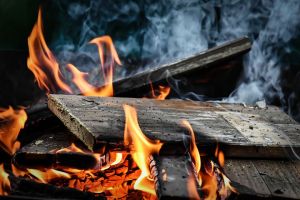
Methali ya Sukuma inayotumika juu hutumia taswira dhahiri kutoka kwa maisha ya kila siku ya vijijini ya kuchomwa kwa kuni. Wakati kuni mbichi (zenye unyevu) zinapoanza kuwaka moto, kila mtu anajua kwamba kuni kavu zitawaka haraka na kwa ukali zaidi.

Katika muktadha huu, methali hiyo inawafundisha watu kuhusu matokeo yasiyoepukika na uzito wa hukumu au ugumu unaokuja. Inatumika kama onyo au somo la kuona mbele.

Ikiwa wale wanaoonekana kuwa na nguvu, salama, au wasio na hatia wanakabiliwa na shida, wale walio katika hali dhaifu au ya hatia wanapaswa kutarajia nini?

Katika mazungumzo ya kila siku, methali hiyo hutumika wakati jambo baya linawapata watu au viongozi wanaoheshimiwa, ili kuwaonya wengine kuwa waangalifu.

Inasisitiza kwamba wakati adhabu au bahati mbaya inayowafikia hata wenye nguvu, wale wasio na nguvu wanapaswa kuwa waangalifu zaidi.

Methali hii inafanya kazi kama ukumbusho kwamba kila mtu yuko chini ya haki, marekebisho, na uwajibikaji hakuna anayeachwa.

Zaidi ya hayo, ina sauti ya tafakari ya maadili kwa kuwahimiza wanadamu kutubu, kujiandaa, na kutenda kwa busara kabla haijachelewa.

Hekima hii ya Wasukuma inaakisi kwa karibu mafundisho yanayopatikana katika Maandiko hasa maneno ya Yesu mwenyewe na ujumbe wa manabii na mitume kuhusu haki ya Mungu.

Kwa mfano, Yesu, kama tunavyosoma katika Luka 23:31, anatumia taswira hiyo hiyo kuonya kwamba ikiwa Yeye, asiye na hatia, atateswa, wenye hatia wanapaswa kutarajia mabaya zaidi.

Kama methali, 1 Petro 4:17, pia inaonya kwamba hukumu huanza na waaminifu; wengine wanapaswa kuichukulia kama wito mzito wa kuongoka.

Mbali na hayo, Mithali 29:1 inatupa wazo la uwepo wa haki ya Mungu ambayo huwajia wanadamu wote, hasa wale wanaopuuza maonyo wanayopewa katika maisha yao ya kila siku.

Milinganisho ya Kibiblia

Luka 23:31: “Kwa maana wakitenda mambo haya wakati mti ni mbichi, itakuwaje wakati ukiwa mkavu?”

1 Petro 4:17: “Kwa maana wakati umefika wa hukumu kuanza katika nyumba ya Mungu; na ikianza nasi, mwisho wao wasiotii Injili ya Mungu utakuwaje?”

Mithali 29:1: “Yeyote atakayebaki na shingo ngumu baada ya kukemewa mara nyingi ataangamizwa ghafla bila tiba.”

Matumizi ya Kisasa na Matumizi ya Kidini

Katika ulimwengu wa leo, methali hii inatoa tafakari ya kimaadili na kiroho kwa jamii na watu binafsi vile vile.

Katika maisha ya jamii: Inawakumbusha viongozi, familia, na waumini kwamba ikiwa makosa au kuoza kwa maadili kunaleta mateso hata kwa wanaoheshimiwa au wenye nguvu, wengine lazima waangalie na kubadilisha njia zao haraka iwezekanavyo.

Katika mafundisho ya kichungaji: Wahubiri na makatekista wanaweza kutumia methali hii kuonyesha umuhimu wa uongofu, unyenyekevu, na uangalifu katika imani. Inawahimiza waaminifu kutafakari maisha yao na kuepuka kuridhika.

Katika hali ya kiroho ya kibinafsi: Inampa changamoto kila mwamini kuwa macho na tayari kwa majaribu, toba, na wito wa Mungu. Ikiwa hata wenye haki hukabili utakaso, je, wasiojali wanapaswa kutayarisha mioyo yao zaidi?

Kwa hivyo, wanafundishana kwa kusema kwamba wako karibu kuchomwa na wale walio wapya, nini kitatokea kwa wale waliokauka! Hiyo ni kukumbushana kwamba majaribu ya “moto” ya maisha, haki, au marekebisho ya kimungu hayamwachi mtu yeyote. Hata kama kuni mpya itaanza kuungua, kuni kavu haiwezi kutoroka.

Inawaita watu wote kwenye hekima, toba, na upya wa imani, wakiamini rehema za Mungu na kujitahidi kuishi kwa unyofu kabla ya siku ya majaribu kufika.

ENGLISH: THEY ARE ABOUT TO GET BURNED THE FRESH ONES, WHAT WILL HAPPEN TO THE DRY ONES!

Background, Meaning, and Everyday Use

The Sukuma Ethnic Group uses various Proverbs in teaching their societal members enough to make sure that their message is clearly understood. One of those Proverbs says, “They are about to get burned the fresh ones, what will happen to the dry ones!”  

The overhead Sukuma proverb uses a vivid image from everyday rural life of the burning of firewood. When the fresh (wet) firewood begins to catch fire, everyone knows that the dry firewood will burn even more quickly and fiercely.

In this context, the proverb teaches people about inevitable consequences and the seriousness of coming judgment or hardship. It serves as a warning or lesson in foresight.
If those who are seemingly strong, safe, or innocent are facing trouble, what should those in a weaker or guiltier position expect?

In daily conversation, the proverb is used when something bad happens to respected people or leaders, to warn others to be cautious.

It emphasizes that when punishment or misfortune that reaches even the powerful, the less powerful should be even more careful.

This proverb works a as a reminder that everyone is subject to justice, correction, and accountability no one is exempted.

In addition to that, it carries a tone of moral reflection by urging human beings to repent, prepare, and act wisely before it is too late.

This Sukuma wisdom closely mirrors teachings which are found in Scripture particularly Jesus’ own words and the messages of the prophets and apostles about divine justice.

Jesus, for instance, as what we read in Luke 23:31, uses the same imagery for warning that if He, the innocent one, suffers persecution, the guilty should expect even worse.

Like the proverb, 1Peter 4:17, also warns that judgment starts with the faithful; others should take it as a serious call to conversion.

In addition to that, Proverbs 29:1 gives to us an idea of the presence of justice of God which comes to all human beings, especially to those who ignore warnings which are given to them in their daily lives.

Biblical Parallels

Luke 23:31: “For if they do these things when the wood is green, what will happen when it is dry?”

1Peter 4:17: “For the time has come for judgment to begin with the household of God; and if it begins with us, what will be the end of those who do not obey the gospel of God?”

Proverbs 29:1: “Whoever remains stiff-necked after many rebukes will suddenly be destroyed without remedy.”

Contemporary Use and Religious Application

In today’s world, this proverb offers a moral and spiritual reflection for communities and individuals alike.

In community life: It reminds leaders, families, and believers that if wrongdoing or moral decay brings suffering even to the respected or powerful, others must take heed and change their ways as soon as possible.

In pastoral teaching: Preachers and catechists can use this proverb to illustrate the importance of conversion, humility, and vigilance in faith. It urges the faithful to reflect on their lives and avoid complacency.

In personal spirituality: It challenges each believer to be alert and ready for trials, repentance, and God’s call. If even the righteous face purification, how much more should the careless prepare their hearts?

Therefore, they teach each other by saying they are about to get burned the fresh ones, what will happen to the dry ones!  That is to remind one another that life’s “fire” trials, justice, or divine correction spares no one. If even the fresh wood begins to burn, the dry wood cannot escape.

It calls all people to wisdom, repentance, and renewal of faith, trusting in God’s mercy and striving to live uprightly before the day of testing comes.

By Justina Deus,

+255710058590.


1447. MUMO IGAKULILA ING’HUNI IDULIPUNDULA ILIHIMA.

Imbuki ya lusumo lunulo ilolile bhukuji bho ng’huni ubho bhudadulile ugulipundula ilihima. Ilihima linilo ligazwalilagwa kuntwe mpaka lyagugubija untwe gunulo. Ilyoi ligayigubijaga pye ning’huni iyo idadulila ugulipundula kunguno ligikalaga higulya ya ntwe gunuyo. Hunagwene abhanhu bhagayombaga giki, “mumo igakulila ing’huni idulipundula ilihima.”

Ulusumo lunulo lugalenganijiyagwa kuli munhu uyo agabhizaga na nhinda ja gubhadalaha abhabyaji bhakwe ulu opandika jikolo, umukikalile kakwe. UMunhu ng’wunuyo, agabhitilaga nhinda abhabyaji bhakwe ja gubhabyedeleja ulu osabha kunguno ya nhinda jakwe jinijo, umuwikaji bhokwe. Uweyi agapandikaga izumo lya guduma uguibheja chiza ikaya yakwe kunguno ya nhinda jakwe jinijo, umukikalile kakwe.

Umunhu ng’wunuyo agikolaga ni ng’huni iyo igaduma ugulipundula ilihima kihamo nubhukuji bhoyo, kunguno nuweyi agigimbaga bhusabhi bho gubhadeleja abhabyaji bhakwe mpaga opandika izumo lya kuduma uguyibheja chiza ikaya yakwe, umuwikaji bhokwe bhunubho. Hunagwene abhanhu bhagang’wilaga giki, “mumo igakulila ing’huni idulipundula ilihima.”

Ulusumo lunulo lolanga bhanhu higulya ya gubhiza na widohya bho gubhakuja na gubhambilija chiza abhabyaji bhabho kugiki bhadule kupandika mbango ja kujibheja chiza ikaya jabho, umuwikaji bhobho.

(Luka 14:11) “Kila mtu anayejitukuza atashushwa, naye ajinyenyekezae atatukuzwa.”

HATA KISOGO KIKUE HAKITATOBOA KOFIA.

Chanzo cha methali hiyo huangalia ukuaji wa kisogo usioweza kuitoboa kofia. Kofia hiyo ni kitu kinachovalia kichwani mpaka kinakifunika kichwa chote. Yenyewe hukifunika kisogo chote ambacho hakiwezi kuitoboa kofia hiyo.  Ndiyo maana watu husema kwamba, “hata kisogo kikue hakitatoboa kofia.”

Methali hiyo hulinganishwa kwa mtu yule ambaye hupata kiburi cha kuwadharau wazazi wake anapotaka mali, katika maisha yake. Mtu huyo, huwaletea kiburi wazazi wake kwa kuanza kuwadharau anapopata mafanikio ya mali kwa sababu ya kiburi chake hicho, maishani mwake. Yeye hupata laana ya kushindwa kuiendeleza vizuri familia yake, kwa sababu ya kiburi chake hicho, katika maisha yake.

Mtu huyo hufanana na kile kisogo kilichoshindwa kuitoboa kofia pamoja na ukuaji wake huo, kwa sababu naye kupata maendeleo ya mali na kuanza kuwafanyia kiburi cha kuwadharau wazazi wake mpaga anapata laana ya kushindwa kuiendeleza vizuri familia yake. Ndiyo maana watu humwambia kwamba, “hata kisogo kikue hakiwezi kuitoboa kofia.”

Methali hiyo, huwafundisha watu juu ya kuwa na unyenyekevu wa kuwaheshimu na kuwasaidia vizuri wazazi wao, ili waweze kupata baraka za kuzilea vyema familia zao, maishani mwao.

 (Luka 14:11) “Kila mtu anayejitukuza atashushwa, naye ajinyenyekezae atatukuzwa.”


ENGLISH: EVEN IF THE BACK OF THE HEAD GROWS, IT WILL NOT PIERCE A HAT.

The source of this proverb comes from a image of a back of head as a person grows. No matter how much the back of the head grows, it cannot pierce a hat, because a hat is made to cover the whole head. The hat remains above the head and controls its shape. That is why people say, “even if the back of the head grows, it will not pierce a hat.”

This proverb is compared to a person who becomes wealthy and successful but then grows arrogant and begins to despise his parents. Instead of honoring those who raised him, he allows pride to control his heart. Though he may have money and influence, he cannot rise above the authority and blessing of his parents, just as the back of the head cannot break through a hat.

Because of his arrogance, such a person brings shame instead of honor. He may receive a curse rather than a blessing, leading to failure in properly building and sustaining his own family. His pride blocks his progress, just as the hat blocks the head from piercing through it.

This proverb therefore teaches humility. It reminds people to respect, honor, and support their parents, even after gaining wealth or status. By doing so, they receive blessings and succeed in raising their families well.
(Luke 14:11)“Everyone who exalts himself will be humbled, but he who humbles himself will be exalted.”

1446. JIGAFULAGWA JILINA MATU.

Imbuki ya lusumo lunulo ilolile munhu uyo olina matu gawiza. Abhanhu bhang’wilaga imihayo oigwa chiza kunguno olina matu ayo gigwaga chiza pye imihayo yabho. Umunhu ng’wunuyo aliadinhalali umuwikaji bhokwe kunguno ya wigwi bhokwe bhunubho ubho wiza. Hunagwene abhanhu bhagang’wila giki, “jigafulagwa jilina matu.”

Ulusumo lunulo, lugalenganijiyagwa kuli munhu uyo alina masala masoga agagwiigwa chiza na bhanhu na gugikalana chiza amalange ayo agalangagwa na bhatale bhakwe, umukikalile kakwe kenako. Umunhu ng’wunuyo, agabhudegelekaga na guwikalana chiza ubhulungwa ubho agalangagwa na bhatale bhakwe bhenabho, kunguno ya masala gakwe agawiza genayo umuwikaji bhokwe bhunubho. Uweyi agayibhejaga chiza ikaya yakwe kunguno ya masala gakwe agawiza genayo, umukikalile kakwe.

Umunhu ng’wunuyo, agikolaga nuyo olina matu gawiza ayo giyigwaga chiza imihayo iyo owilagwa na bhiye, kunguno nuweyi agawikalanaga chiza ubhulangwa ubho agalangagwa na bhatale bhakwe, umuwikaji bhokwe bhunubho. Hunagwene abhanhu bhagang’wilaga giki, “jigafulagwa jilina matu.”

Ulusumo lunulo lolanga bhanhu higulya ya gubhiza na masala gagulikalana chiza ililange lya bhatale bhabho kugiki bhadule gujibheja chiza ikaya jabho jinijo, umuwikaji bhobho bhunubho.

Mathayo 13:1-8.

Marko 4:1-9.

Luka 8:4-8’

KISWAHILI: HUFUNDISHWA ALIYE NA MASIKIO.

Chanzo cha methali hiyo huangalia mtu yule ambaye ana masikio yenye uwezo wa kusikia vizuri. Watu hulimweleza maneno yao ambayo huyasikia vizuri kwa sababu ana masikio yenye uwezo wa kuyasikia vizuri. Mtu huyo hakuwa mbishi katika maisha yake kwa sababu ya masikio yake kuwa na uwezo mzuri wa kusikia maneno ya wenzake. Ndiyo maana watu humwambia kwamba, “hufundishwa aliye na masikio.”

Methali hiyo, hulinganishwa kwa mtu yule ambaye ana akili nzuri za kuyaishi vizuri malezi anayofundishwa na walezi wake, katika maisha yake. Mtu huyo, huyasikiliza kwa makini na kuyaishi vizuri malezi anayofundishwa na walezi wake hao, kwa sababu ya akili nzuri alizonazo, maishani mwake. Yeye hufanikiwa vizuri katika kuilea vyema familia yake hiyo kwa sababu ya akili yake hiyo nzuri katika kuyaishi vizuri malezi aliyofundishwa na walezi wake.

Mtu hiyo, hufanana na yule aliyekuwa na masikio yenye uwezo wa kusikia vizuri maneno aliyoambiwa na wenzake, kwa sababu naye ana akili nzuri ya kuyaishi vizuri malezi anayopewa na walezi wake, maishani mwake. Ndiyo maana  watu humwambia kwamba, “hufundishwa aliye na masikio.”

Methali hiyo, hufundisha watu juu ya kuwa na akili nzuri ya kuyaishi vizuri malezi wanayopewa na walezi wao, ili waweze kuzilea vyema familia zao, maishani mwao.

Mathayo 13:1-8.

Marko 4:1-9.

Luka 8:4-8.


ENGLISH: THE ONE WHO HAS EARS IS TAUGHT.

The source of this proverb refers to a person who has ears that can hear well. Such a person listens carefully when others speak to him, and people take time to explain things to him because he understands and values what he hears. He is not careless or foolish in his life, because his ability to listen well enables him to learn from his peers. That is why people say, “the one who has ears is taught.”

This proverb is related to a person who has a good mind and is able to live according to the upbringing taught to him by his guardians. Such a person listens attentively, understands the guidance given to him, and practices it faithfully in his life. Because of this good mind and willingness to learn, he succeeds in raising his own family well, applying the values and discipline he received from his caregivers.

This person is like the one who has ears that hear clearly the words spoken by others. In the same way, he has a mind that is open to instruction and wisdom. Because he listens, understands, and puts into practice what he is taught, people say of him, “the one who has ears is taught.”

This proverb imparts in people an importance of having an open and attentive mind, so that they may live well according to the upbringing given to them by their caregivers and, in turn, raise their families well in life.

Matthew 13:1–8.
Mark 4:1–9.
Luke 8:4–8.


1418. UMTWE GWALABEDAGA AMAGULU. (BENA).

KISWAHILI: KICHWA KISIDHARAU MIGUU.

ENGLISH: THE HEAD DOES NOT DESPISE THE FEET.

Background, Meaning and Everyday Use

In their culture the Bena People often use riddles, sayings and stories to convey messages to the society and their family members in which they live. The head does not despise the feet is  one of the proverbs used by Bena Ethnic Group.

This proverb looks at the life of one person who does not accept advice. He was an old man called Ligoga that means “an angry person.” Ligoga had a wife and three children.

Lusisi Village is located in Njombe region in Tanzania, East Africa, It has a pleasant environment and lots of rain. Because of that, food was available in abundance. One year it rained a lot and everything flourished. Mushrooms also grew in abundance. The people were happy to find mushrooms because they liked them.

However, a problem occurred. Bad mushrooms were also produced and many people died after eating the poisonous mushroom because it was very similar to the good ones. The chief of the village continued to make an announcement and advised people to stop eating mushrooms at that time of heavy rain. But because people liked them so much many did not stop eating them.

Ligoga’s family also continued to eat. However, Ligoga’s wife was very afraid especially for their children.

Numbura Dzelu, which means “white heart” the name of Ligoga’s wife, started a conversation and said to her husband:

Numbura Nzelu: “My Husband!”

Elder Ligoga: “Say my Wife.”

Numbura Nzelu: “What do you think if we stopped eating mushrooms this time?”

Elder Ligoga: “What! No, my wife, do not be afraid, I have enough experience we cannot be abused.”

Numbura Nzelu: “But my husband, the situation is not good at this time, many people are dying.”

Elder Ligoga: “Nonsense” should we die today? How many years have we eaten and even since our ancestors.”

Numbura Nzelu: “There are changes due to heavy rains. I fear for our children.”

Elder Ligoga: “I am the owner of the house, believe me!”

Therefore, Elder Ligoga brought mushrooms as usual and his wife cooked; they all ate. Ligoga also gave them to the cat, and said if there is poison, I will know through the cat. They all went to sleep, bad luck! At midnight, the cat started screaming, running here and there. Elder Ligoga heard it, woke up his wife and children, they all shouted, “we are dying! We are dying!”

The neighbors heard the noise and helped to take them to the hospital. Because of fear, they vomited and had diarrhea; they were all overwhelmed, and Elder Ligoga could not speak at all. Immediately the doctor put drip for all at high speed. Fortunately, after one day they recovered and were allowed to return home.

After arriving home. Haaa! The cat is healthy. Elder Ligoga was shocked!!! “How did it happen?” he said, “Loo! How did you know if you ate bad mushrooms,” the neighbor asked, Ligoga said, “I gave mushrooms to the cat too, because of the fear of dying.” When they entered, they all laughed…Hahahaha!!! Duuuu! The poor cat was crying because she wanted to give birth. Ligoga’s wife, Numbura Nzelu, said bitterly, “my husband Umtuwe gwalabedaga amagulu which means, “The head does not despise the feet.” Elder Ligoga answered, “it is true my wife. Please forgive me and my children forgive me.”

This is how the proverb began and continues to be used today. This proverb is likened to people who think that being bossy is everything and cannot receive any advice from others.  Compare to this mother who showed love to her children. She did not care about her life, but put others first. This Bena Proverb teaches and motivates the community to be generous, love and help each other in everyday life.

Biblical Parallels

Matthew 18 10. “See that you do not despise one of these little ones. For I tell you that their angers in heaven always see the face of my father in heaven.”

1 Corinthians 14: 20. “Brothers and Sisters, stop thinking like children. Be like babies as far evil is concerned. But be grown up in your thinking.”

1 Samuel 15: 22. But Samuel replied: “Does the LORD delight in burnt offerings and sacrifices as much as in obeying the LORD?  To obey is better than sacrifice, and to hear is better than the fat of rams.”

Ephesians 4: 2. “Always be humble and gentle. Be patient with each other, making allowance for each other’s faults because of your love.”

Contemporary Use And Religious Application

This proverb reminds us all to be flexible and to accept the ideas and advice of others. These days there are problems everywhere. Everyone wants to be the leader of others. War and chaos are everywhere. There are many people like Elder Ligoga in families, marriages, in churches, in Small Christian Communities. You only find arguments and quarrels.

These situations show that the Gospel of Jesus has not penetrated into people’s hearts. We need to increase our faith and care and respect the lives of others. To lack a heart of compassion is to miss God Himself who has taken pity on all of us through the suffering and death of his Son. Christians should not stop going to church and to Small Christian Communities so that we get the strength to continue doing good, respecting and listening to each other.

Text and Photos by:

Sister Felisia Mbifile, SCSF

Rome, Italy

Email: felisiajmbifile@gmail.com