proverbs

253. NDILI YAMUNGA NG’WIYO NANG’HO USHOKE UILALILE!

Imbuki ya lusumo lunulo ilolile ndili iyo igatumilagwa ahikanza lya gunjika munhu. Umimba go ng’wa munhu ng’wunuyo gugab’ungagwa mundili iyo agajikigwa nayo unjimiji ng’wunuyo. Gashinaga lulu indili yiniyo idiyagulalila bhanhu bhangi hangi. Hunagwene abhanhu bhagayombaga giki, ‘Ndili yamunga ng’wiyo nang’ho ushoke uilalile!’

Ulusumo lunulo lugayombagwa kuli munhu ngosha uyo ong’wingila nkima o nduguye. Abhamuludugu lo njimiji bhagikalaga bhamanile igiki umkima ng’wunuyo asadile isada iyo yamulaga ungoshi okwe. Gashinaga lulu ungosha ng’wunuyo ulu ung’wingila unke o njimiji, agucha nang’hwe, kunguno agulekejiwa ubhusadu bhunubho. Hunagwene, abhanhu bhagang’wilaga ungosha ng’wunuyo uyo ung’wingila unkima o njimiji giki, ‘‘Ndili ya munga ng’wiyo nhang’ho ushoke uilalile!’

Ulusumo lunulo lolanga bhanhu  kuleka kajile kagubhingila abhanhu abho bhachilwa na bhagoshi bhabho. Ubhuleki bho kajile kenako bhugubhambilija abhanhu bhenabho ijinagwikala mhola na bhichab’o umuwikaji bhobho.

KISWAHILI: NGOZI ILIYOMFUNIKA MWENZAKO NAWE WARUDIJE KUILALIA!

Chanzo cha methali hii chaangalia ngozi ambayo hutumika katika kumfunika marehemu wakati wa kumzika. Mwili wa marehemu huwa unafunikwa kwa ngozi hiyo ambayo marehemu huzikwa nayo. Kumbe basi, ngozi hiyo siyo ya kutumika kwa mtu mwingine tena. Ndiyo maana watu husema kwamba, ‘Ngozi iliyoomfunika mwenzako na wewe urudi kuilalia!’

Methali hiyo huzungumzwa kwa mtu mwanaume aliyemrithi mjane ambaye ni mke wa marehemu ndugu yake. Wanandugu wa marehemu huyo, huwa wanafahamu kwamba mjane huyo anaugonjwa ambao ndio uliomuua marehemu mume wake mwanamke huyo.  Marehemu aliambukizwa ugonjwa huo na mke wake huyo. Ndiyo maana watu wakiwemo wanandugu wa mwanaume huyo humuonya mtu yule, kwa kumwambia kwamba, ‘Ngozi iliyoomfunika mwenzako na wewe urudi kuilalia!’

Methali hiyo hufundisha watu  kuacha mila za kurithi wajane ili waweze kutunza afya na maisha yao. Uachaji wa mila kama hizo potovu, kutawasaidia watu hao katika kubaki salama maishani mwao.

(Yeremia. 5:45)

 

cemetery-

ENGLISH: HOW DARE YOU SLEEP ON A HIDE THAT ONCE ENGULFED YOUR FELLOW HUMAN!

The origin of this saying is skin used to cover the deceased during burial. The body of the deceased is usually covered with a skin that is buried with the body. Therefore, the skin cannot be used by anyone else for whatever purposes. That is why people say, ‘How dare you sleep on a hide that once engulfed your fellow human!’

This saying is usually addressed as a warning to men who inherit widows who were wives to their late brothers. The deceased’s relatives who use the saying would be aware that the widow is suffering from an illness that killed their sister-in-law’s late husband and that the deceased contracted the disease from his wife. This would mean that anyone else who sleeps with the widow may contract the disease and may probably die. That is why the relatives of any man who thinks of inheriting a widow warn the man by saying, ‘How dare you sleep on a hide that once engulfed your fellow human!’

The proverb teaches people about giving up widowhood traditions so that they can take care of their health and life. Abandoning such degraded traditions will help people to stay safe in life.

(Jer. 5:45).

252. WAPYA NKILA ATIZUKA YA KUNUMA.

Imbuki ya lusumo lunulo ilolile mva. Imva igikalaga bihi na moto. Unkila goyo ulu gupya moto igapelaga nhambo bho nduhu ugulab’ula ukunuma. Kuyiniyo lulu, indimu yiniyo igab’izaga idamanile umo goligupwilile unkila goyo, na hangi idizukaga umo yaliyapwila. Hunagwene abhanhu bhagayombaga giki, ‘wapya nkila adizuka ya kunuma.’

Ulusumo lunulo lugalenganijiyagwa kuli munhu uyo walina makoye aha shigu ijanuma uyo adikalaga na wizuki bho makoye genayo. Umunhu ng’wunuyo adikagaga na wizuki ubho makoye aganuma kunguno ya b’upandiki bho jikolo ijo alinajo ihaha.

Aliyo aho olinamakoye wikalaga agulombaga wambilijiwa bho kufuma kubhanhu b’angi, aliyo aho gashila amakoye genayo, oya ugub’izuka abhanhu abho bha ng’wambilija ugwinga umumakoye genayo. Hunagwene abhanhu bhagayombaga giki, ‘wapya nkila adizuka ya kunuma.’

Ulusumo lunulo lolanga bhanhu  gub’iza na bhulumbi ukubhanhu abho bhabhambilija ugwinga umumakoye ayo bhalinago aha shigu ijanuma. Ubhub’umbi bhunubho b’ugub’ambilija ugwikala chiza na bhichabho umukikalile kabho. Hangi bhagudula gubhinja na bhangi umumakoye guti genayo, kunguno bhagadeb’ile amakoye genayo, ni nzila ijagugingija bhajimanile.

KISWAHILI: ALIYEUNGUA MKIA HATAKUMBUKA YA NYUMA

Chanzo cha methali hiyo chaangalia mbwa. Mbwa huwa karibu na moto. Mkia wake ukiungua moto mwenyewe hukimbia mbio bila kuangalia nyuma. Kwa hiyo, myama huyo huwa hajui uliuvyoungua mkila wake huo, na tena hakumbuki namna alivyoungua. Ndiyo maana watu husema kwamba, ‘ameungua mkia hatakumkuka ya nyuma.’

Methali hiyo hulinganishwa kwa mtu aliyekuwa na matatizo kwenye siku za nyuma ambaye huwa hayakumbuki matatizo hayo kwa sasa. Mtu huyo hawi na kumbukumbu ya matatizo ya nyuma kwa sababu ya mafanikio yake ya sasa.

Lakini alipokuwa na matatizo alikuwa akiomba msaada wa kusaidiwa kutoka kwa watu wengine ili aondokane na matatizo hayo. Baada ya kufanikiwa ombi lake hiyo, hawakumbuki hata wale waliomsaidia kuondokana na matatizo hayo. Ndiyo maana watu husema kwamba, ‘‘ameungua mkia hatakumkuka ya nyuma.’

Methali hiyo hufundisha watu  kuwa na shukrani kwa watu waliowasaidia kuondokana na matatizo yaliyokuwa yakiwasumbua siku za nyuma. Shukrani hiyo itawasaidia katika kuishi vizuri na wenzao maishani mwao. Zaidi ya hayo, watu hao wataweza pia kutoa msaada wa kuwandoa wengine walioko kwenye matatizo kama hayo kwa sababu wanazielewe njia za kuondokana na matatizo kama hayo.

(Luka 9:62; Luka 16:24).


dog1

ENGLISH: HE WHO GOT ONE’S TAIL BURNT DOES NOT REMEMBER THE PAST.

The origin of this proverb is a dog. Dogs like to be close to fires. When the dog’s tail is burnt on fire, it runs away without looking back. Therefore, it may not know how much the tail has been burnt, and it would not remember how it got burnt. That is why people say, ‘He who got one’s tail burnt does not remember the past.’

The proverb is used comparatively to refer to persons who have had problems in the past but do not remember those problems at present. Such people have no memory of the past problems because of their current success.

However, when they had problems, they were asking for help from others in a bid to get rid of the problems. After succeeding they do not even remember those who helped them to overcome those problems and to rise to their current success story. That is why people say, ‘he who got one’s tail burnt does not remember the past.’

The proverb teaches people to be grateful to the people who helped them to overcome the problems they faced in the past. That gratitude will help them in living harmoniously with their peers throughout their lives. In addition, these people will also be able to provide help to others who are in similar problems because they understand ways of overcoming such problems.

(Luke 9:62; Luke 16:24).

251. MONGO GO MUSHING’ONGWA GUDUPULA MUNHU.

Imbuki ya lusumo lunulo ilolile mongo. Umongo ugoguchala munhu gugab’izaga ntale. Igelelilwe gugogoha b’o guleka ugugukila. Bhanhu b’ayomba, ‘ubhugota bho mongo gushoka.’ Gunguno ugunuyo gugabhulagaga bhanhu. Aliyo lulu umongo ulu guligugehu gudadulile kuchala munhu. Ugunuyo hu mongo ugomujing’ongwa. Hunagwene abhanhu bhagayombaga giki, ‘Mongo go mushing’ongwa gudupula munhu.’

Ulusumo lunulo lugalenganijiyagwa kuli munhu uyo agogohaga mhayo gudololo uyo gudadulile nulu gutungisha munhu. Umunhu ng’unuyo agabhigazaga adina wiyab’i umukikalile kakwe. Alina bhob’a bhutale ubho guyomba nulu gwita mhayo gosegose uyo gudulile gung’wambilija uguyib’eja chiza ikaya yakwe. Hunagwene abhanhu b’agang’wilaga giki, ‘‘Mongo go mushing’ongwa gudupula munhu.’

Ulusumo lunulo lolanga bhanhu  ghub’iza na bhumani b’o gulenganija mihayo na guideb’a iyagutumamila haho b’atali ugukeleja. Ubhumani bhunubho bhugubhambilija abhanhu bhenabho ijinaguitumama wangu imilimo iyo idulile gujambilija chiza ikaya jabho.

KISWAHILI: MTO UNAOISHIA KWENYE VIFUNDO VYA MIGUU HAUSOMBI MTU.

Chanzo cha methali hii chaangalia mto. Mto wa kumsomba mtu huwa mkubwa. Yafaa kuuogopa mto kama huo kwa kuacha kuuvuka, kwa vile watu husema, ‘dawa ya mto ni kurudi.’ Hii ni kwa sababu mto huo huua watu wauvukao. Hata hivyo, mto ukiwa mdogo hauwezi kumsomba mtu. Huo ndio mto wa kufikia miguuni tu. Ndiyo maana watu husema, ‘mto wa miguuni haupeleki mtu.’

Methali hiyo hulinganishwa kwa mtu yule aogopaye jambo au neno dogo ambalo haliwezi kumsababishia kufungwa gerezani. Mtu huyo huwa hana uhuru wa kufanya kazi ziletazo maendeleo maishani mwake. Ana uoga mkubwa wa kuongea au kutekeleza jambo lolote lile litakiwalo kutekelezwa naye. Ndiyo maana watu humwambia kuwa, ‘mto wa kwenye vifundo vya miguu hausombi mtu.’

Methali hiyo hufundisha watu  kuwa na uelewa wa kupima mambo na kuyaelewa mapema yale yatakiwayo kuyatekelezwa kwa haraka kabla hawajachelewa. Uelewa huo utawasaidia katika kuyatekeleza mapema malengo ya kazi zile ziwezazo kuwasaidia wao na familia zao kwa muda mwafaka.

(Luka 13:2-5).


waters river

ENGLISH: AN ANKLE-DEEP RIVER DOES NOT DROWN A PERSON.

The origin of this proverb is a river. For the river to drown someone, it has to be relatively deep. It is better to be cautious of such a river; if not necessary, one should avoid crossing it. As people say, ‘the best solution to a flooded river is to avoid crossing it.’ This is because flooded rivers usually drown crossing people. However, when a river is shallow, it can probable not drown anyone. That shallow river is similar to the anke-deep river. That is why people say, ‘An ankle-deep river does not drown a person.’

The proverb is used for encouraging people who are always scared ofsmall things or issues that cannot lead to their imprisonment. Such people are not free to work for their personal achievement in life. They are very timid to say or do anything that they have to do. That is why people encourage them by saying, ‘ An ankle-deep river does not drown a person.’

The proverb teaches people to have a sense of measuring things and to understand in advance what needs to be done quickly before it is too late. This understanding would help them in early pursuit of their career goals that will help them and their families in a timely manner.

(Luke 13: 2-5).

248. TULO YA NG’HONDI YA GUMISIJA NG’HOME.

Imbuki ya lusumo lunulo ilolile ng’holo ng’osha iyo igitanagwa ng’hondi. Ing’hondi yiniyo igoleshaga kajile ka ng’holo ijo jili njungi noyi. Aho jugima guja na jagimaga mpapa ujegele haho nujitule najigwe. Jigab’izaga guti jilalile tulo iyo iliyagumisijiwa bho gutulwa ng’home. Hunagwene abhanhu bhayombaga giki, ‘tulo ya ng’hondi yagumisija ng’home.’

Ulusumo lunulo lugalenganijiyagwa kubhanhu abho bhali na bhulendelezu bho guduma nulu uguitumama imilimo yabho. Abhanhu bhenabho gagab’ashililaga amakanza agamilimo guti gulima, nulu guja kuhofisi jabho, bhiyib’ile. Akajile kenako kagenhaga makoye gagugayiwa nulu jiliwa ahakaya jabho. Abhanhu bhenabho bhagiyenhelejaga gupejiwa imilimo yabho kunguno, ya bhudito bho guitumama imilimo yabho. Amakoye genayo gikolile na ng’hondi ilalile iyo iliyagutulwa ng’home nayudula ugumisha. Hunagwene abhanhu bhagayombaga giki, ‘tulo ya ng’hondi yagumisija ng’home.’

Ulusumo lunulo lolanga bhanhu  gub’iza na bhukamu bho gutumama milimo yabho, kugiki bhadule gupandika matwajo mingi umuwikaji b’ob’o. Ubhukamu bhunubho bhugub’ambilija ijinagwendelea chiza ni milimo yabho.

KISWAHILI: USINGIZI WA DOROME NI WA KUAMSHIA RUNGU.

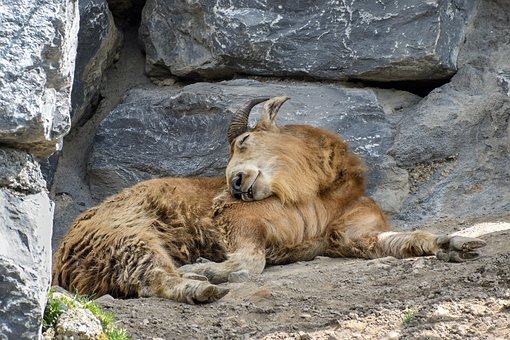
Chanzo cha methali hiyo chaangalia kondoo dume aitwaye dorome. Kondoo huyo huonesha mwenendo wa kondoo walio watembeaji sana. Wakizoea kwenda sehemu fulani, huwa hawatoki pale mpaka mtu awaendee na kuwapiga rungu ndipo waondoke pale. Kondoo hao huwa kama wamelala usingizi wa kuamushiwa rungu. Ndiyo maana watu husema kwamba, ‘usingizi wa dorome ni wa kuamshia rungu.’

Methali hiyo hulinganishwa kwa watu wenye upole wa kushindwa hata kufanya kazi zao. Watu hao hujikuta muda wa kufanya kazi, zikiwemo zile za kilimo na zile za maofisini, umeisha. Mwenendo huo huwaletea matatizo yakiwemo yale ya kukosa chakula kwenye familia zao, na wengine hata kufukuzwa kazi na waajiri wao. Matatizo hayo, hufanana na kondoo dume kupigwa rungu ndipo aondoke anapotakiwa kutoka. Ndiyo maana watu husema kwamba, ‘usingizi wa kondoo dorome ni wa kuamshia rungu.’

Methali hiyo hufundisha watu  kuwa na bidii ya kufanya kazi zao ili waweze kujipatia mafanikio mengi maishani mwao. Bidii hiyo itawasaidia katika kuendelea vizuri na kazi zao ambazo ni muhimu katika kuwaletea maendeleo kwenye familia zao.

(Ufunuo. 5:6; Mithali 6:9-10; Yohane. 1:29).


ram sleeping

ENGLISH: A FAST SLEEPING RAM IS WAKEN UP BY A STRIKE OF A CLUB.

The origin of this proverb is a ram. The ram reflects the behavior of sheep that wander regularly. When they are used to going somewhere, they do not get out of that place until someone goes there and strikes them with a club as if they were fast asleep. That is why people say, ”A fast sleeping ram is waken up by a strike of a club.’

The proverb is used comparatively to refer to people who are extremely humane to the extent of being unable to even perform their tasks. Those people take much lingerly than is requied in creating time to work, including in agricultural fields and in office jobs. This behavior causes them problems, including food shortage in their families, and some even get dismissed by their employers. These problems are like a strike of a club to a fast sleeping ram, which makes it leave the place to which it had confined itself. That is why people say, ‘A fast sleeping ram is waken up by a strike of a club.’

This proverb teaches people to be diligent in doing their work so that they can make their lives more successful. Such effort will help them get on with their work that is important in bringing development to their families.

(Rev. 5: 6; Proverbs 6: 9-10; John. 1:29).

247. BAHASHA YA NGEGELEHYA (YA MMINZI) IGIPUNDULAGA YENIKILI.

Imbuki ya lusumo lunulo ilolile ngegelehya iyogikikalaga muminzi, na bhahasha. Aliyo lulu ingegelehya yiniyo ilina magulu ayo gadulile nulu gupundula ginhu ijo jikolile na daladasi. Ulu yutulwa mub’ahasha mumho iguipundula duhu. Hunagwene abhanhu bhagahayaga giki, ‘b’ahasha ya ngegelehya igipundulaga yenikili.’

Ulusumo lunulo lugalenganijiyaga kuli munhu uyo agitaga yabhubhi umuchalo. Umunhu ng’wunuyo agamanyichaga ng’winikili gulwa gwiting’wa, nulu guhugana gokwe. Kihamo na gumanyika chiniko, umunhu ng’wunuyo agahalalikaga bho gulema giki aditile uwei ya wabhubhi yiniyo. Aliyo lulu, abhanhu abho bhalimhona bhalimana pye igiki, uwei huyo witaga iyabhu yiniyo. Hunagwene abhanhu bhagayombaga giki, ‘b’ahasha ya ngegelehya igipundulaga yenikili.’

Ulusumo lunulo lolanga bhanhu  guleka gwita mihayo ya bhub’i kub’ichab’o. Akikalile kenako kagubhambilija ijinagubhiza na widohya bho gudula gwikala bho mholele na bhanhu umuwikaji b’ob’o.

KISWAHILI: BAHASHA YA KAA (WA MAJINI) HUJITOBOA YENYEWE.

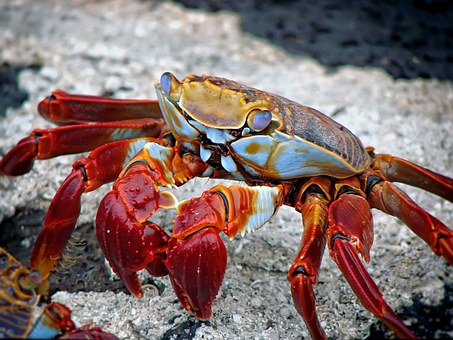
Chanzo cha methali hiyo chaangalia kaa aishie majini, na bahasha. Lakini kaa huyo ana miguu ambayo huweza hata kutoboa vitu ambavyo hufanana na karatasi. Kwa hiyo, mtu akimweka kwenye bahasha ataitoboa tu. Ndiyo maana watu husema kwamba, ‘bahasha ya kaa hujitoboa yenyewe.’

Methali hiyo hulinganishwa kwa mtu yule atendaye maovu katika jamii. Mtu hiyo, hujulikana mwenyewe kutokana na wasi wasi wake, au hofu aliyo nayo. Pamoja na kuwa na wasi wasi au hofu hiyo, mtu huyo hubisha kwa kukataa kuwa yeye hajafanya uovu huo. Huyo ni mtu asiyetaka kukiri kosa lake ingawa kila mtu anajua kwamba mwenye kosa ni yeye.

Pamoja na kukataa kwake, watu wanaomtazama wote huelewa kuwa yeye ndiye aliyetenda uovu huo kutokana na wasi wasi wake alio nao. Kwa hiyo, mtu aliyetenda jambo baya hujibainisha mwenyewe kwa kubabaika kwake. Ndiyo maana watu husema kuwa, ‘bahasha ya kaa hujitoboa yenyewe.’

Methali hiyo hufundisha watu  kuacha kutenda maovu katika jamii au kwa wenzao. Kuishi hivyo, kutawasaidia watu hao katika kujijengea unyenyekevu wa kuwawezesha kuishi kwa amani na wenzao, maishani mwao.

Luka 18:18-24.


crabs

ENGLISH: AN ENVELOPE WITH A CRAB PERFORATES ITSELF.

The origin of this proverb is a crab and an envelope. The crab has legs that can perforate such things as paper. So, if someone puts it in an envelope, it will simply perforate it. That is why people say, “An envelope with a crab perforates itself.”

The proverb is used comparatively to refer to any person who does evil in society. Such a person is easily identifieble because of his or her own anxiety and fears. Despite their anxiety and fears, the person denies committing the wrong. That is to say, such a person does not want to admit his or her mistake, even though it is obvious for everyone that he/she is wrong.

Despite his/her refusal, all observers understand that he/she committed the evil because he or she cannot hide the anxiety and fears. Therefore, a person who does wrong things will be easily identified because of his or her own anxiety and fears. That’s why people say, ‘An envelop with a crab perforates itself.’

This proverb teaches people to abandon evil deeds in the society or against their peers. Living free of evil deeds will help them to develop humility that can enable them to live in harmony with others throughout their lives.

Luke 18: 18-24.