Collected by: Don Sybertz,
With special thanks to Rev Joe Healey (African proverbs,Sayings and stories)
Ikale olaliho ngosha umo uyo witanagwa Sesala na nke okwe uyo witanagwa Masala. Bhagikala bho miaka mingi bhila ya gupandika ng’wana. Aha numa ya yiniyo, bhaganpandika ng’wana uyo witanagwa Kandi.
Sesala na Masala bhagantogwa na gungegela noi ung’wana obho. Kandi agendelea gukula na agalekelwa gwita bhuli jene ijo ojihayaga. Bhuli jene ijo agajita jibhize jawiza nulu ja bhubhi, bhankumilijaga du ung’wana obho o janiki. Bhagabhukumilija uwiza bho lihanga lwakwe, bhagagakumilija na mimbo gakwe na bhukumilija na mito gakwe.
Bhazenganwa bhang’wilaga u Sesala giki, yaliigelelilwe gunhugula u ng’wana obho kulwa nguno na gwene abhahenga bhagayomba; “Indilo/ishi igondage haho itali ndoto.” Aliyo bhadahayile ugubhadegeleka.
Bhanhu bhose bhaganeka jina giki bhabhone ayo galang’wilongele. Kandi agendelea gwita iyooihayaga. Umu si yiniyo abhanhu bhali na kajile kagutola nulu gutolwa na abho du abho bhalibhabhamanile. Yali ng’wiko na noni, gutola nulu gutolwa na munhu uyo ubhukoo bhokwe bhudamanyikile.
Bhanhu bhose bhalibhakadimila akajile kenaka bho miaka mingi. Unyanda ulu uhaya gulunja, yalilazima ubhukoo bho ng’wanike bhuhakikishe igiki bhumanile ulu nyanda alintumami o milimo. Yali chene nu ko lwande lo bhukoo bho ng’waniki.
U Kandi agendelea gongezeka umu bhulihu nu wiza. Aho lwashika ilikanza ilwa gutolwa, abhayanda bhingi bhagantogwa, bhagaja ugujunhunja U Kandi. Aliyo agabhalema.
Isi yiniyo igabhiza ni ipolu lwa miti miginu na mitale. Inhalikilo ya ipolu lwa miti yiniyo yaliho milima, na hanuma yaho lyaliho ibhonde itale. Umulibhonde lwenilo gikalaga malimu matale ayo gina mikila milihu na mino matale. Amalimu genayo nulu mazimwi, galinabhudula bho gwigalucha gubhiza bhanhu.
Lushigu lumo ilizimwi ligigalucha na lwubhiza munhu, na ligasimiza mugati ya ipolu ya miti yiniyo. Aho jabhita shigu ibhili lipunikija mu chalo jabha Sesala na Masala. Jali saa ja bhujiku, ilizimwi linilo ligayelayela umu chalo ukunu lizwalile nhanjo. Aho wela, abhanhu bhagibhakila aho bhamona nsumba ng’wiza noi, aliyelayela. Nduhu uyo alamanile uko ufuma unsumba ng’wenuyo.
Bhanhu bhingi abho bhagatung’wana nang’hwe, bhagamuja, “Lina lwako uli nani?” Unsumba ng’wenuyo agashoga, “Ilina lwane nali Mgeu.” Aho ikanza liguhwi, bhanhu bhumanila, bhagankalibhusha.
Mhindi imo, umubhuyeji bhokwe, Mgeu aganumana na Kandi. Pye bhose bhubhili bhobho bhagitogwa giti chanda na pete. Bhiyigwa gwitola. Aliyo abhabyaji bhakwe u Kandi na bhazenganwa bhaganhugula giki adizuzunya gutolwa na munhu uyo adamanyikile ubhukoo bhokwe. U Kandi adizunilijije nabho, agahaya, “Mgeu huna ng’wene unsumba one.”
Bhasi, bhagita maandalizi ga winga. Mgeu agantola u Kandi. Liwinga ili ligabhelela noi. Ikanza lwose ilwa wikaji bhobho, Mgeu adazulile inhanjo yakwe. Oliogoha, giki ulu uzula, nkila gokwe niogubhona umke okwe.
Yali kamanililile gakwe u Mgeu, gwipuna dilu makingilima na guja kungunda. Kandi osagaga gubhugeleja jiliwa. Ulu omala ugujibhegeleja ijiliwa, onchalilaga ungoshi.
U Mgeu oli na bhumaniji bho guikungula inhanjo yakwe bhuli ikanza ulu oshika ukungunda na guifunga ihilwa ya kajitinde. Halafu olimaga na ukunu alibhina. Uluyashika isa ya ng’wa Kandi ugushika mungunda, Mgeu oizwalaga inhanjo yakwe na gulima bho pole pole.
Abhanhu abho bhalibhabhitaga bhutongi umu mhelo ya ngunda gunuyo, bhagibhonanikija umo Mgeu aliobhinilaga giti malimu ga mumapolu. Bhagaja gujung’wila u Kandi, aliyo agalema ugubhazunilija.
Mangi uyo oli nsisaye ndoo o ng’wa Kandi, akahaya kujibhonanikija ahí gulwa ya bhunhana bho mhulu ijo jalijakumuka ahi gulwa ya ng’wa Mgeu ulu ali mungunda.
Lushigu lumo, Mangi agannondeja bho kule u Mgeu uyo, idiyu makingilima. Mangi agibhonanikija bho miso gakwe iyo olitaga u Mgeu ulu ushiga du umungunda. Agakungulaga inhanjo yakwe na guifunga higulwa ya kajitinde.
Aho gwita chiniko agandwa gulima na ukunu alibhina mbina giti lizimwi. Giko, u Mangi agabhona yose iyo obhizaga agwiitaga u Mgeu. Agapela wangu wangu guja kaya.
U munzila agatung’wana nu ilumbuye unomela pye iyose iyo wibhonanikija wei ukungunda. Gashi u Kandi aho oshiga ukungunda, agansanga u Mgeu omalaga guzwala inhanjo yakwe giti gawaida. Kihamo ni yiniyo u Kandi agiganika noi iyo uliolomelwa nu Mangi.
Lushigu lungi, Mangi agankungila hangi u Mgeu, imihayo yubhiza ni yiniyo umo aliobhonela igwandya. Aho oshoka ukukaya, agiyangula gubhalomela abhabyaji bhabho nu Kandi aho alihoi. Aliyo abhabyaji bhagankalihila na gung’wila giki bhulongo, na giki ubhunubho bhulibhulomolomo du.
Diyu makingilima ingi, u Kandi aganguha uguzuga ijiliwa jina kugiki agibhonanikije wei ng’winikili iyo iguhaiyagwa. Aho wegela ukungunda, nhana uibhona iyo iguhaiyagwa. Agibhona inhanjo iyo yalifungile hakajitinde, na ulibhona lighinu ilo lwina nkila nhihu lilibhina.
U Kandi uding’wa na bhibhakizu bhutale, agogoha noi, aliyo agiyumilija bho nguzu, wegela bihi, huna uligwa iliginhu lilimba:
“Oginile ihaha u Kandi, Shene giliwa jane.”
Aheneho hunahene aho u Kandi agamana giki ungoshi adimunhu o kawaida. Agatula yombo kwilaka lwa higulwa noi. Ilizimwi-munhu ligibhakila, lwuliponya iligembe kule lyuifuada inhanjo yalwo. Lwigema guizwala aliyo u Kandi agongeja guyoganya na nose bhanhu bhingi bhikuminga aha ibala lwa litukio. Mbita nhale ya bhanhu yugunyamanija ungunda.
U Mgeu aho obhona giko, agapela ng’wipolu lwa mamiti. Bhanhu bhagalipeja bho ng’wano na mayombo mingi ukunu bhadimaga magembe na mapanga, aliyo ilishinu lwenulo ligingika na gulibhilila ng’wipolu.
Aho bhashoka, bhagansanga u Kandi ogwaga hasi ojimaga. Bhanhu bhagang’witila mingi mpaga upandika bhumani, huna bhunchala kaya.
Abhanhu bhung’wila, “Dugaguhugula giki udizuzunya ugutolwa na Mgeu, uyo adamanyikile chiza, ihaha oibhona. Uyo adigwaga go ntale agabhinzikaga gugulu.”
Kiswahili: Bwana Sesala Na Mke Wake Masala.
Zamani palikuwa na mwanamume mmoja aliyeitwa Sesala na mke wake aliitwa Masala. Waliishi kwa miaka mingi bila ya kupata watoto. Baadaye, walimpata mtoto waliyemwita Kandi.
Sesala na Masala walimpenda na kumdekeza mno mtoto wao. Kandi aliendelea kukua na akaachiliwa kufanya kila alichotaka. Kila alichokifanya kikiwa kizuri au kibaya, walimsifu tu binti yao. Waliusifia uzuri wa sura yake, walizisifia nyimbo zake na wakasifu matendo yake.
Majirani walimwambia Sesala kuwa ilimpasa kumkanya binti yake kwani wahenga walisema; Samaki mkunje angali mbichi. Lakini hakutaka kuwasikiliza. Watu wote wakamwacha ili waone yatakayotokea.
Kandi aliendelea kufanya alivyotaka. Katika nchi ile watu walikuwa na desturi ya kuoa au kuolewa na wale tu waliowafahamu. Ilikuwa mwiko na aibu, kuoa au kuolewa na mtu ambaye ukoo wake haukujulikana. Watu wote walishika desturi hii kwa miaka mingi.
Mvulana akitaka kuposa, ilikuwa ni lazima ukoo wa yule msichana uhakikishe kwamba unamfahamu kama mvulana alikuwa ni hodari wa kazi. Vivyo hivyo, kwa upande wa ukoo wa msichana.
Kandi alizidi kuongezeka kwa kimo na uzuri. Ulipofika wakati wa kuolewa, wavulana wengi walimpenda, wakaenda kumchumbia Kandi. Lakini aliwakatalia.
Nchi ile ilikuwa na msitu mnene na mkubwa. Mwisho wa msitu ule kulikuwa na milima, na nyuma yake kulikuwa na bonde kubwa. Katika bonde lile iliishi mizimwi, yaani wanyama wakubwa wenye mikia mirefu na meno makubwa. Mizimwi ilikuwa na uwezo wa kujigeuza kuwa binadamu.
Siku moja zimwi likajigeuza na kuwa binadamu, na likasafiri ndani ya ule msitu. Baada ya siku mbili likajitokeza katika kijiji cha akina Sesala na Masala. Ilikuwa ni saa za usiku, lile zimwi likatembea tembea kijijini huku limevaa kanzu.
Kulipokucha, watu walishtuka walipomwona kijana mzuri sana, akitembea tembea. Hakuna aliyejua mahali alikotoka kijana yule. Watu wengi waliokutana naye, walimwuliza, “Jina lako nani?” Yule kijana akajibu, “Jina langu ni Mgeu.”
Baada ya muda mfupi watu walimzoea, wakamkaribisha. Jioni moja, katika matembezi yake, Mgeu akakutana na Kandi. Wote wawili walipendana kama chanda na pete. Wakakubaliana kuoana.
Lakini wazazi wake Kandi na majirani walimwonya kuwa asikubali kuolewa na mtu asiyejulikana ukoo wake. Kandi hakukubaliana nao, akasema, “Mgeu ndiye mchumba wangu!”
Basi wakafanya maandalizi ya arusi. Mgeu alimwoa Kandi. Sherehe ya arusi hiyo ilifana sana. Wakati wote wa maisha yao, Mgeu hakuvua kanzu yake. Aliogopa, endapo angevua, mkia wake angeuona mkewe. Ilikuwa kawaida yake Mgeu, kujihimu alfajiri na kwenda shambani.
Kandi alibaki akiandaa chakula. Alipomaliza kukiandaa, alimpelekea mumewe. Mgeu alikuwa na mazoea ya kuivua kanzu yake kila mara akishafika shambani na kuitundika juu ya kisiki. Halafu hulima na huku akicheza. Saa ilipowadia ya Kandi kufika shambani, Mgeu aliivaa tena kanzu yake na kulima polepole.
Baadhi ya watu waliopita mapema kando ya shamba hilo, walishuhudia jinsi Mgeu alivyokuwa akicheza kama mnyama wa porini. Walikwenda kumweleza Kandi, lakini hakutaka kuwasadiki. Mangi aliyekuwa kaka mdogo wa kandi, alitaka kuhakikisha juu ya ukweli wa habari zilizozagaa kumhusu Mgeu akiwa shambani. Siku hiyo, alimfuata kwa mbali yule Mgeu ile alfajiri.
Mangi alishuhudia kwa macho yake vituko alivyovifanya Mgeu mara alipowasili shambani. Aliivua kanzu yake na kuitundika juu ya kisiki. Baada ya hapo huanza kulima na huku akicheza ngoma kama zimwi. Hivyo, Mangi aliona yote aliyokuwa anayatenda Mgeu.
Akakimbia hima kwenda nyumbani. Njiani alikutana na dadake, akamsimulia yote aliyoyashuhudia kule shambani. Kumbe kandi alipofika kule shambani, alimkuta Mgeu amekwisha vaa kanzu yake kama kawaida. Hata hivyo kandi aliwaza sana yale aliyosimuliwa na Mangi.
Siku nyingine, Mangi alimnyemelea tena Mgeu, mambo yakawa yaleyale. Aliporudi nyumbani, aliamua kuwasimulia wazazi wake na Kandi akiwapo. Lakini wazazi walimkemea na kumwambia kuwa ni mwongo. Na kwamba huo ni uzushi mtupu.
Alfajiri nyingine, Kandi alipika chakula mapema sana ilimradi awahi kwenda shambani akajionee mwenyewe vituko hivyo. Alipokaribia shambani, kweli aliviona vioja.
Aliiona ile kanzu iliyotundikwa juu ya kisiki, na akaliona jitu lenye mkia mrefu likicheza. Kandi akashikwa na hofu kubwa, akaogopa sana, lakini alijikaza kisabuni akasogea karibu, ndipo alisikia lile jitu likiimba:
“Kanenepa sasa kandi,
Shime chakula changu.”
Hapo ndipo Kandi alipotambua kuwa mume wake hakuwa mtu wa kawaida. Akapiga kelele kwa sauti ya juu sana. Lile zimwi-mtu likastuka, likatupilia mbali lile jembe likaifuatilia ile kanzu yake. Likajaribu kuivaa, lakini Kandi alizidi kupiga kelele na kuwafanya watu wengi wakusanyike sehemu ya tukio.
Umati mkubwa ukalizunguka lile shamba. Mgeu alipoona hivyo, akakimbia na kuingia msituni. Watu walimfukuza kwa mayowe na kelele nyingi huku wameshika majembe na mapanga, lakini yule mnyama alitoweka na kutokomea msituni.
Waliporudi, walimkuta Kandi ameanguka chini amezimia. Watu wakammwagia maji, hadi alipopata fahamu ndipo wakampeleka nyumbani. Watu wakamwambia, “Tulikuonya kuwa usikubali kuolewa na Mgeu, asiyejulikana barabara, sasa umeyaona. Asiyesikia la mkuu huvunjika guu.”
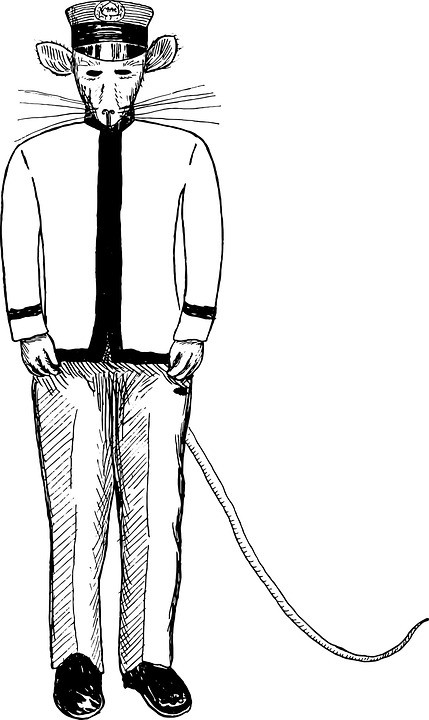

ENGLISH: MR. SESALA AND HIS WIFE MASALA.
Once there was a man named Sesala and his wife was called Masala. They lived for many years without having children. Later, they got two children called Kandi and Mangi.
Sesala and Masala loved their child very much. Kandi continued to grow and was allowed to do whatever she wanted. Whatever she did, whether good or bad, she was praised. They praised her beauty, her songs and her actions.
Neighbours told Sesala that he had to watch out what his daughter was doing as part of what sages say Curve the Fish while it is still fresh. But he didn’t want to listen to them. All the people left him to see what would happen.
Kandi continued to do whatever she wanted. In that country, people were getting married only to the people they know. It was a taboo and embarrassing, marrying or getting married to someone whose ancestry was not known. All the people kept this custom for many years.
If the boy wanted to marry, it was necessary for the girl’s family to make sure that they knew if the boy was hard working. That was also true for the girl’s clan.
Kandi continued to grow and get more beautiful. When it was time to get married, many boys wanted to marry her. But she rejected them.
The country in which they lived had a thick and big forest. At the end of the forest, there were mountains, and behind it there was a large valley. In the valley, there were ogres.The ogres had long tails and big teeth. It was rumoured that the ogres were able to transform themselves into humans.
One day, the ogre turned into a human being, and travelled through the forest. After two days, he appeared in the village of Mr. Sesala and Mrs. Masala. It was night time when the ogre walked around the village.
At dawn, people were amazed when they saw a handsome young man, walking around. No one knew where the young man came from. Many people who met him asked him, “What is your name? And he answered, “My name is Mgeu.”
After a while, people were accustomed to him, and so could get along with him well. One evening, as he was walking around, Mgeu met with Kandi. The two loved each other like a finger and a ring. They agreed to get married.
But her parents and neighbours warned Kandi not to marry a stranger. And she didn’t agree with them. She said, “Mgeu is my boyfriend!”
Finally, Mgeu and Kandi got married. The wedding ceremony was very nice. Throughout their lives, Mgeu could not put off his robe. He was afraid of doing that. He thought that if he could put it off, his tail would be seen by his wife. It was a typical life to Mgeu to wake up at dawn in the morning and to go to the field.
Whenever her husband went to the farm, Kandi kept preparing food. When she had finished preparing it, she sent it to her husband. When he was alone in the field, Mgeu had the habit of putting off his robe. That was possible every time he came to the field where he could hang it on the tree stump. As he cultivated he could growl and dance. When time for Kandi to arrive to the field approached, Mgeu wore his robe and tilled the land slowly.
Some of the people who passed by alongside the field, witnessed how Mgeu was dancing likea wild animal. They went to tell Kandi, but she didn’t want to believe them. Mangi who was the brother of Kandi wanted to make sure if there was truth in the news about Mgeu in the field. On that day, Mangi followed him away from the gap at dawn.
Eventually, Mangi witnessed with his eyes strange things he had witnessed in the field. Believing that he was alone, he put off his coat and hung it on the stump. After that, it begins to cultivate and play drums by dancing. So, Mangi saw all that he was doing.
Hewent back home running. On the way, he met his sister, and told her all that he had witnessed in the field. But when Kandi got to the field, she found the ogre had already put on his robe as usual. Yet she thought a lot about what she had been told by Mangi.
One day, Mangi visited Mgeu.The same thing took place. When he came home, he decided to tell his parents and Kandi what had happened. But the parents rebuked him and told him that he was a liar. They regarded that to be sheer gossip.
The other day, Kandi cooked a meal earlier then she went to the field to see for herself what was happening. As she approached the field, she actually witnessed the surprising events of Mgeu.
She saw the robe hanging on the stump and he saw the ogre long tail playing. She was so frightened. She was very scared. She heard the ogre singing:
“Kandi is fat, Shime my food.”
That’s when Kandi realized that her husband was not an ordinary man. She shouted loudly. When he realized that, he threw off the hoe and ran for his robe. As he tried to wear it, Kandi kept screaming and making more people come together to witness what was happening.
All of a sudden, large crowd surrounded the field. When he saw it, Mgeu ran into the forest. The people tried to chase him with screams and swords.But he disappeared and went into the forest.
When they returned, they found Kandi fallen down in a collapse. People watered her, until she got conscious and they took her home. The people said to her, “We warned you not to marry Mgeu, an unknown one, now you have seen. He who does hear that of the big one shall have leg been broken.”