Sukuma

12. Jimala Bhupambo – Dede

Collected by: Don Sybertz,   Scanned by: Cephas Yao Agbemenu

With special thanks to Rev Joe Healey (African proverbs,Sayings and stories)

Jimala bhupambo – Dede

Pambo na Wilu – Dede

Shingilima, shingilima ndala migunda Dede

Ndala migunda shenene jabhita ibhili Dede

Jabhita ibhili jijile mangaliginja – Dede

Mangaliginja ngoko yalema kubhicha – Dede

Yalema kubhicha, ibhikije ng’wa nyamhanu – Dede

Ng’wa nyamhanu, mhanu mhanukile kunu – Dede

Mhanukile kunu wize umanga – Dede

Akudukile jaso na noko – Dede

Nyanyi gangi yanya dufulo fulo – Dede

Dufulo fulo dongoma nkima Wa bashi – Dede

Nkima wa bashi waja wigonda Dede

Wigonda Sala yita mabhele Dede

Waliho nkima umo walinda, uja kujukanza myenda yakwe hllambo. Wakahayimanila lyamila ililambo lyenilo.aliyo akabhiza alimpanga duhu umugati yilambo.

Gubhiza nzengo gwakwee mo. Iki wali nda akabyala bhana bhabhili bha mabasa, bha Kulwa na Doto. Bhukulila nabho nu ng’wilambo lyenilo bhubhiza bhaniki bha jaluko.

Lushiku lumo bhakafumila nuninabho gukanza myenda yabho. Bhahayimanila gashika mang’ong’oli abhili. Gandya kwimba lyimbo; “Ng’ong’o1i wane udoto jiwangala tukila manyanza, doto jiwangala hiiii!!

Abhaniki aho bhigwa chene bhulibhila ng’wilambo. Wakanoga umayu ng`wenuyo ubhonwa na bhaduguye. Bhunjila kung`wenha kaya. Gaganoga giza hangi amang’ong’oli giza gimba ilyimbo lyago. Ng’ong’o1i wane udoto. Bhupela mukaya bhuyunseka abhiye alihaya kutolwa na ling’ong’oli.

Bhaki manila lushiku lumo giza mang’ong’oIi mingi kwiza kununja ung’waniki udoto. Ubhi watolwa udoto na ling’ong’oli. Ibhujiku Wigaluchaga wabhiza munhu ili mi ng’ong’oli.

Kulushiku lumo, akadoto gukapemba amabhoya gakwe bhujiku. Aha gabhaka jufuma mo ng’ombe, mbuli, ngholo na bhanhu bhingi gete. Gashinaga ing’ong’oli yeniyo yali iti noni. Wali munhu, niyo wali nsabhi na walina bhana bhingi. Bhakigasha nunke na bhanhu bhabho na mitugo jabho. Bhakigala mubhuyegi bhutale.

Kiswahili: Kimaliza Mapambo- Dede

Kimaliza mapambo- Dede

Pambo na wivu – Dede

Shujaa, shujaa, ndala mashamba- Dede

Ndala mashamba senene zimepita mbili- Dede

Zimepita mbili zikienda Mangaliginja – Dede

Mangaliginja kuku aliyekataa kuatamia- Dede

Aliyekataa kuatamia, akiwa amewekeza kwa Nyamhanu- Dede

Kwa nyamhanu, mhanu aliyejiandaa huku- Dede

Aliyejiandaa huku aje mganga – Dede

Aliyekutukana za babako na mamako – Dede

Iliyokunya tena imekunya tupovu povu – Dede

Tupovu povu tumemgonga mwanamke wa bashi – Dede

Mwanamke wa bashi ameenda akiwa amejikunja – Dede

Amejikunja suala akamwaga maziwa – Dede

Alikuwepo mwanamke mmoja wa walinda, akaenda kufua nguo zake kwenye dimbwi. Alishitukia likammeza lile dimbwi. Lakini alibakia kuwa mzima tu ndani ya dimbwi hilo.

Ikawa ndiyo sehemu yake ya kuishi ndani ya dimbwi hilo. Kwa vile alikuwa mjamzito, alijifungua watoto wawili mapacha, Kulwa na Doto. Walikulia nao ndani ya dimbwi hilo wakawa wasichana waliofikia umri wa kuolewa.

Siku moja walitokea nje kufua nguo pamoja na mama yao. Walishitukia wakafika ng’ong’oli wawili. Wakaanza kuimba wimbo: “Ng’ong’oli wangu doto kibeba tukavuka mabahari, doto kibeba hiiiiii!!”

Wasichana waliposikia hivyo, walididimia kwenye dimbwi. Mwishoe mama yule akaonwa na ndugu zake. Wakamwendea wakamleta nyumbani.

Baadaye wakaja tena wale ng’ong’oli wakaja kuimba tena wimbo wao. “Ng’ong’oli wangu doto…” Wakakimbia ndani, wakawa wanamcheka wenzake, kuwa, anataka kuolewa na ling’ong’oli.

Walishitukia yakaja mang’ong’oli mengi kuja kumchumbia doto. Akawa doto ameolewa na ling’ong’oli (ni aina ya ndege). Usiku alikuwa anajigeuza kuwa binadamu, mchana, aligeuka kuwa ng’ong’oli.

Siku moja kadoto kakayachoma manyoa yake usiku. Yalipowaka yale manyoa walitoka humo ng’ombe, mbuzi, kondoo, na watu wengi kabisa.

Kumbe ng’ong’oli huyo hakuwa ndege. Alikuwa mtu, tena alikuwa tajiri na alikuwa na watoto wengi. Walikaa na mke wake na watu wao na mifugo yao. Waliishi maisha yenye furaha kubwa.

ENGLISH: FINISHER DECORATIONS- DEDE

Finisher decorations – Dede

Beautification and jealousy – Dede

Hero, hero, finisher of farms- Dede

Finisher of farms two grasshoppers have passed- Dede

Two of them have passed to Mangaliginja – Dede

Mangaliginja where hen refused to take care of her eggs-  Dede

The one who refused to care of her aggs, while invested to Nyamhanu – Dede

To nyamhanu, who has prepared himself- Dede

The one has prepared himself to come with a doctor- Dede

The one who met with your father and mother – Dede

One which ficored has ficored again soft ficore foam foam – Dede

Foam has hit a woman of Bashi- Dede

The woman of Bashi has gone away and while been bending – Dede

She has bent susala has poured milk – Dede

There was a woman in the guard, and she went to wash her clothes in the pool. She happened to be swallowed up the pool. But she remained alive just in the pool.

It became her place of living in that pool. Because she was pregnant, she gave birth to twins, Kulwa and Doto. They grew up as girls to an age of marriage in the pool.

One day they came out to wash dresses with their mother. Suddenly two birds of red heads came to them. They began to sing: “My ng’ong’oli (crane) Doto, the carrier, we shall crose up on the ocean, Doto the carrier hiiiii!!”
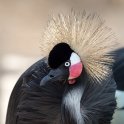
grey-crowned-crane-3202924__340

When the girls heard about it, they slipped into the pool. Lastly the mother was seen by her relatives. They went to her and brought her home.

Later those cranes came back and sang their song again. “My Ng’ong’oli Doto…” They run away, and they laugh at her fellows, that, she wants to get married with a ng’ong’oli.

They suddenly came many ng’ong’oli to engage Doto. She became married to Ng’ong’oli (crane bird). The night he was transformed into being a man, at noon, turned into a ng’ong’oli (bird).grey-crowned-crane-3808822__340
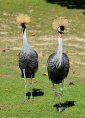
One day Dodo burned his feathers at night. As soon as the furnace came out, cattle, goats, sheep, and many people came out of it.

Nonetheless the ng’ong’oli was not a bird. He was a man, and he was rich and had many children. They stayed with his wife and their people and their livestock. They lived a happy life.

11. Ya Sinza Ng`hingi ya Ndumbulila

Collected by: Don Sybertz,   Scanned by: Cephas Yao Agbemenu

With special thanks to Rev Joe Healey (African proverbs,Sayings and stories)

Lushiku lumo ikatula mbula nduma gete, usayayi nunke, bhali bhadini pandi lya gwigasha. Ulu idigiki kupelela ng’wipilinga ling’ong’ho ili lilibihi.

Bhakalibhona lyochi lilifumila ung`wipilinga bhakabhona giki ahenaho nahi pande lya bhupanga wabho. Bhakaja bhalipela. Aha bhashika mo bhisanga ndamhala ya mbiti na nkima wayo na bhana bhabho bhalota moto. Abhoyi bhali bhadibhonaga imbeho.

Yubhakaribhusha indamhala ya mbiti. Duliho Lung’wando. Yuyomba, “Hii, ilelo tapandika na shiliwa ja nyama.” Ulung`wando nang`hwe ushosha, “Muzidubhiza na mayange ilikubi ilya nyama ng`walipandikaga. Tulindagi tume tamu nang’wite umo mulitogelwa.

Ikanza litakulile, Lung`wando nu nke bhuma. Ulung’wando wimila, uyomba, “Lolagi ilipilinga lise lyina makoye, lilihaya gugwa. Tujagi pye abhose tukalihande iliwe lizidutugwila.” Ahenaho unamhala wa Mbiti na bhiye kihamo nu Lung’wando nu nke bhuja kujulihanda iliwe wa nguzu lizutubhagwila.

Aha ikanza lyabhita idoo ulung’wando ung’wila unke, “ Nke wane unimo, gwenuyu ndamu dugumala inguzu na gulumila kushisha nose tugucha. Nalibhona hambo hambo upele wangu wangu ukenhe ng`hingi ya ndumbulila.”

Nke wa Lung’wando upela na atigelile hangi. Lyubhita ikanza ulung’wando uhaya, “Ni bhuli unkima wane wadila ukushoka, nalibhona hambo hambo nankubhije na kiyenhe ing’hingi ya ndumbulila. Aliyo muzidulilekela iliwe likumumala.” Unamhala wa Mbiti uzunya, “Nahene jaga.” Haho na haho Lung´wando upela nhambo gete, atashokile. Ukunu numa umuna Mbiti nabhiye bhulihandatila iliwe lizitugwa. Bhunoga abhangi bhuyucha bhalidimilile iliwe.

Nosage indamhala ya Mbiti yuyomba, “iii! Gong’hana ulung`wndo ali nsala gete, watuwilaga uweyi nu Nke bhaje bhakenhe ng`hingi ya ndumbulila. Gashinaga bhalumbulilaga gete.

Kiswahili: Imekata Nguzo Ya Mfululizo.

Ilitokea siku moja, mvua kubwa ilinyesha, Sungura na mkewe hawakuwa na mahali pa kwenda kujistiri isipokuwa kukimbilia pangoni katika mlima uliokuwa karibu.

Waliona moshi umefuka wakasema, “Huko ndiko mahali pa usalama wao,” wakaenda mbio. Kufika huko wakamkuta mzee Fisi na  mkewe na watoto wao wanaota moto, bila wao kuona baridi.

“Karibuni akina Sungura.”  Mzee Fisi akasema, “Ama kweli tutapata kitoweo kizuri cha nyama.” Sungura akajibu, “Msiwe na wasiwasi kitoweo cha nyama mtapata, subirini kwanza tupate joto ndipo mwaweza kufanya mtakavyo.”

Haukupita muda Sungura na mkewe walipopata joto mwilini, Sungura akasimama akasema, “Angalieni kuna hatari pangoni petu, litaanguka. Twendeni tushirikiane kuzuia mwamba wa jiwe usituponde.”

Hapo mzee Fisi na wengineo pamoja na Sungura  na mkewe wakaenda kushika jiwe kwa nguvu, lisiwaangukie. Punde Sungura akamwambia mkewe, “Mke wangu kazi hii ni ngumu, tutakosa nguvu za kuinua na hatimaye kufa. Naona ni heri tukimbilie upesi ukalete nguzo ya mti wa mfululizo.”  Bi Sungura akaenda zake mbio, asionekane.

Baada ya muda, bwana Sungura akasema, “Mbona Mke wangu amechelewa kurudi? Naona ni bora nami nimfuate nikalete hiyo nguzo ya mfululizo.”

Mzee Fisi akasema, “Haya nenda.” Hapo Sungura akakimbia mbio  asirudi. Huku nyuma  wakina Fisi na wenzake wakaendelea  kuzingatia maelezo ya kulizuia jiwe lisianguke. Wakachoka baadhi yao wakafa huku wakilishikilia lile jiwe.

Hatimaye Mzee Fisi akasema, “Ama kweli Sungura ni mjanja, alituambia yeye na mkewe wanaenda kuleta nguzo ya mti wa mfululizo, kumbe wamefululiza kweli kweli.”

ENGLISH: THE PILLAR OF THE SERIES

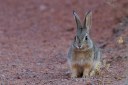
It happened one day, when the heavy rain stopped, the rabbit and his wife did not have a place to work except to run into a cave in a nearby mountain.desert-cottontail-1531821__340

They saw a frightened smoke saying, “This is their place of security,” they ran. On arriving they found an old Hyena and his wife and their children warming themselves around fire, without feeling cool.

“Welcome rabbit.” Elder hyena said, “We really will get a good stew of meat.” Rabbits replied, “Do not worry about meat, you will get it, let us warm ourselves and you can do what you want.”hyena-1476539_960_720

Not long after the rabbit and his wife got in the place, the rabbit stood and said, “Look at the danger in our eyes, it will fall. Let us join together to block the stone rock. “rock-1031521__340

Then the old Hyena and the rest with the Rabbit and his wife went to grab the stone, not to fall. As soon as Rabbits said to his wife, “My wife’s job is hard, we will lose the power to lift and eventually die. I think it is nice to run away quickly and bring the pillar of series. “Mrs. Rabbit ran away, and did not appear.

In time, Mr. Rabbits said, “Why is my wife late to come back? I think it is the best of all option for me to follow her and bring that pillar of the series.”

Elder hyena said, “Go.” The Rabbit ran away and did not return. After that, Hyena and her colleagues continued to consider the details of preventing the stone from falling. They left some of them dead while holding the stone.

Elderly hyena then said, “The rabbit is really tricky, he told us that he and his wife are going to bring a post of a series of trees, meaning, they have really trickly gone without returning.”

10. Bhutungilija Bhugambilijaga

Collected by: Don Sybertz,   Scanned by: Cephas Yao Agbemenu

With special thanks to Rev Joe Healey (African proverbs,Sayings and stories)

Kale yakale walaliho munhu witanagwa lina lyakwe guutu wali nsumba umo, ugwikala, gokwe wikalaga mukuluhaluha. Kuluha gwakwe kuka ng’wenheleja ikiwali ng’habi na bha’duguye abho bhali najo isabho bhansekaga kulwa bhuluhi wakwe. Bhanogaga hamo bhang`wimila ni jiliwa bhanoga bhang`wila na lina lya bhulaku. Ama mihayo genayo pye agose unsumba ng’wenuyo uguutu, wali wakagimila. Na kwiyumilija kwigasha kubhinha ikujo abhaduguye. Pye na bhanhu abhangi ng’waka gumo ugisuga kuli munhu nsumba ngwenuyo, wandya kulima uyu pona mashiliwa.

Wakanoga ugula ng’ombe. Mhayo ko gwandya umugikalile gakwe bhuli makanza wa nkumulejaga Welelo na hangi wali wigisije na gwitogwa na bhanhu bha bhuli mbika.

Igete wala abhatogilwe bhahabhi. Ng’waka gumo gwi pande uko wikalaga si ya shoka shoka, ikilonga nzala. Unsumba uyu nang`hwe uguutu ubhuka kujusuma. Akajushinga ko shiku idatu, Wakanoga ushoka wapandikaga ngele inne ja bhusiga (madebe anne).

Aho washika hakaya wicha unigo gokwe wiza ngikulu umo. Aho wamala kubhagisha, ulomba shiliwa, uyomba abhana bhane bhalina shiku ningi bhatupandikaga ishiliwa. Ubhawila unsumba ng’wenuyo abhana bhakwe ng’winhagi ingele ijibhili, ning’we musaje ijibhili.

Na ng’hana bhita chene, umo bhawililagwa. Uguutu agagokagijiwa lubhango nu Welelo, ubhiza nalikaya itale nu bhusabhi ongejiwa ni Welelo, ubhiza munhu nsabhi. (Uzidunsega ng`wiyo wazwalaga ngobho.)

Kiswahili: Wema Humsaidia Mtu Kuwa Na Mafanikio

Zamani za kale alikuwepo mtu mmoja aliyekuwa anaitwa Guutu. Alikuwa kijana mmoja ambaye maisha yake yalikuwa magumu sana, yaani maisha ya ufukara kabisa. Hata ndugu zake waliokuwa na mali walikuwa wakimcheka sana na kumnyima chakula ikibidi.

Wakati mwingine watu hao walimcheka ulafi. Matendo haya yote kijana Guutu alikuwa anayavumilia na kujitahidi kuishi kwa kuwaheshimu watu hao na wengine.

Mwaka mmoja alikaa kwa mtu mmoja akalima pamba. Alipovuna akanunua ng’ombe watano, majike wanne na dume moja. Moja ya maisha yake, huishi maisha ya kumsifu Mungu. Na kuhakikisha kuwa anaishi na kuelewana na watu wa kila namna.  Aliwapenda sana maskini.

Siku moja ilitokea njaa kali,  Guutu naye alikuwa anakwenda kuhemea  maana mji wake ulikosa chakula hata kidogo. Alikaa siku mbili ya tatu akarudi na debe nne za mtama. Alipotua  tu mzigo, akaja mama mmoja akawasalimu na kuomba chakula akisema, “Ana karibu wiki, watoto wake hawana chakula.”  Guutu akawatuma watoto wake. Akawaambia, “Mpimieni debe mbili mama huyu, mmpe. Nanyi mchukue hizi mbili.” Wakafanya hivyo.

Mungu akazidi kumpa baraka akawa na familia kubwa katika maisha yake na utajiri ukaongezeka maradufu.

ENGLISH: GOODNESS HELPS A PERSON TO SUCCEED

In ancient times there was one man named Guutu. He was a young man whose life was very difficult, that is, a very poor life. Even his wealthy relatives redicured him and stopped him from eating food when he needed.hands-3834270__340

They sometimes ridiculed him of eating too much. Guutu was patient with all those acts. He strived to live by respecting them and others.

One year he lived with one man. He cultivated cotton. When he reaped he bought five cows, four female cows and one bull. He lives a life of praising God, as his way of living. He made sure that he lives and gets acquainted with people of all kinds. He loved the poor.

One day there was a severe famine, Guutu also was going to seek food because his family missed a bit of food. He stayed on the third day and returned with four beans. As soon as he pulled out the load, one mother greeted him and asked him for food, saying, “I have almost a week, my children have no food.” Guutu sent children to her. He said to them, “Bring her two tins, and give them to her. You also, take these two.” They did it.

God has blessed him with a great family in his life and his prosperity doubled.

9. BHANA BHAPINA BHADATU

   Scanned by: Cephas Yao Agbemenu

With special thanks to Joe Healey (African Proverbs, Sayings and Stories)

Shilaka jingi jilihaya mulagagi. Wogoha ulabhula, haho na haho ugaluka ubhiza itale lyapi. Ukukaya bhalolela shiku ningi nduhu kumona. Nose nu ungi ubhuka kuja ko, nang’hwe ukalabhula ubhiza itale lyapi. Ilumbu lyabho usaga ing’wene duhu. Wakanoga ubhuka nang`hwe ajile ko. Uzwala mnyenda ya nyagosha, ushika haho kagikulu. Kung’wila, “Ubhebhe ulibhiza giti ulinkima ukuduja gete. Mazuli zuli duhu bhabhitile bhayanda bhabhili aliyo bhatinashoka na lelo.”

Sumbagwe nu bhebhe, nahene yiyi inhega uje. Ng’hana ng’waniki uja ukashika, aho washika wika ha Nzobhe yakwe, usola bhuluba uchibha amatu.

Wandya kuja kunoni yakwe. Nawe wigwa shilaka shilihaya, “Ndimagi, mulagagi.” Ng’waniki ajile duhu, nose wipandika. Aho wipandika wiwila nakupandika noni yane. Usanga noni ningi jikwimbaga. Iyo yalimukapundu kasoga wisola.

Aho alika uyiwila, “Bhadugu bhane bhajimilila henaha, nakubhabhona kinahe?” Noni yung’wila, “Solaga guyu ntumba gwa minzi uje usamagulila bhakumisha duhu.” Ng`hana wita gitumo wawililagwa. Bhuyufuma bhanhu bhingi, kushisha ubhapandika na bhasisayi. Bhanhu bhingi bhakayega no. ung’waniki bhunkuja.

Bhubhiza bhashoka bhuja kukagikulu, bhukasanga kachaga. Bhukajika bhusambala bhuli ng`wene kaya yakwe. Abhoyi nabho bhuja kaya nu ilumbu lyabho. Ng’hana inoni yeniyo yubhalang`hana mubhupanga wabho.

Kiswahili: Watoto Watatu Yatima

Walikuwapo watoto watatu, wavulana wawili na dada yao. Wazazi wao wote wawili walifariki dunia. Waliachwa peke yao katika nyumba ambayo ilikuwa ni nzuri sana. Waliishi kwa furaha. Walipokua, vijana hao wakawa wawindaji wa wanyama pori. Walikuwa wakimwacha dada yao nyumbani. Siku moja yule msichana alijiwa na jitu pale nyumbani. Jitu likamwuliza,

“Wewe msichana hapa una nani?”

“Tupo watatu, mimi na kaka zangu,” msichana alijibu.

“Kaka zako wamekwenda wapi?”

“Wamekwenda porini kuwinda wanyama!”

Jitu likasifia, “Mmependeza sana. Nyumba yenu ni nzuri. Ila kunakosekana kitu kimoja.”

“Ni kitu gani hicho kilichokosekana?”

“Ikiwa mtampata ndege wa kuimba, nyumba yenu itakuwa nzuri kabisa. Tena atawasaidia katika shida zenu.”

“Tutampata wapi ndege wa aina hiyo?”

“Ndege huyo yuko mbali kidogo, na kupatikana kwake ni vigumu, kwa sababu ana walinzi wake. Anaishi katikati ya pori na njia ya kumfikia ina vikwazo vingi.”

Jitu lile lilipomaliza kusema hayo likatoweka. Msichana hakuliona tena. Waliporejea kaka zake, walimkuta dada yao amehuzunika na kukosa raha kabisa.

“Kwa nini umehuzunika vile dada?” kaka walimwuliza.

Dada aliwasimulia kaka zake yote aliyoelezwa na Jitu. Ila aliwafafanulia kuwa itakuwa vigumu sana kumfikia ndege  yule. Kaka mkubwa akasema, “Mimi nitakwenda kumleta ndege huyo.” Dada yake akamkatalia, “Usiende huko kuna matatizo hutarudi.”

“Hapana lazima nitakwenda, ilimradi uniandalie chakula.” Chakula kilipokuwa kimeandaliwa kweli, kaka mkubwa akaanza safari, alipanda punda. Alipofika mbali, aliiona nyumba, akabisha hodi. Akakubaliwa na bibi kizee. Baada ya kusalimiana, yule kaka alimwuliza yule bibi   kizee, “Tafadhali nionyeshe njia iendayo kwa yule ndege.”

Bibi kizee alitia mashaka kama kweli angeweza kufika huko.  Wengi wameshindwa, na hawakurudi.”

Mama, tafadhali unionyeshe tu njia hiyo ili niende,”kaka alibembeleza. Mwishowe, bibi kizee alimkumbalia. Akamkabidhi mpira (nhega) na kumwambia, “mpira huu ndio utakaokufikisha huko, na mahali utakaposikia ndege wakiimba, ujue kuwa umefika. Hapo ndipo utakaposikia sauti ya kukujaribu na kukudhihaki. Usisikilize wala kuangalia nyuma. Ukigeuka na kuangalia nyuma utakuwa jabali jeusi.”

Kijana aliutumia ule mpira hadi akafika mahali ambapo ndege atapatikana. Hapo aliyaona majabali meusi mengi  sana, na huku  ndege wakipiga kelele kwa mbali kidogo. Akaanza kupanda juu ya jabali. Alipokuwa katikati aliisikia sauti kutoka pande tofauti ikiuliza,  “we kijana, unakwenda wapi?” sauti nyingine ikafoka, “mpigeni kijana huyo!” sauti nyingine iliamuru, “muueni huyo! Muueni huyo!” Baadaye kijana yule aliangalia nyuma na papo hapo akageuka jabali jeusi.

Huku nyumbani walingoja siku nyingi  bila kumuona. Mwishowe na mwingine alianza safari na kwenda huko. Naye aliangalia nyuma, akawa jabari jeusi. Dada yao akabaki peke yake tu.

Baadaye aliondoka naye kwenda huko. Akavaa nguo za kiume. Akafika pale kwa bibi akamwambia wewe si unafanana kama mwanamke utaweza kweli? Juzi juzi wamepita vijana wawili lakini hawakurudi. “Sembuse na wewe.” Haya huu mpira uende.

Kweli akaenda huyo msichana. Alipofika akatelemka kwenye punda yake, akachukuwa pamba akajaza kwenye masikio, akaanza kwenda aliko ndege. Ikaanza kelele tena. Mkamateni, muuweni, mchomeni. Aliposikia  hivyo, msichana alienda tu.

Mwishowe akaipata akaiambia “nimekupata ndege wangu.” Alikuta ndege wengi wanaimba mwenyewe alikuwa kwenye katundu kazuri  akamchukua. Pale alipokuwa akishuka akaiambia “ndugu zangu  wamepotelea hapa nitawaona namna gani?” Ndege akamwabia chukua kibuyu cha maji uende kunyunyuzia wataamka tu.”

Kweli alifanya kama alivyoambiwa. Wakatoka watu wengi, mpaka akawapata na kaka zake. Watu wengi walifurahi mno. Wakamtukuza msichana yule.

Wakawa wamerudi kwenda kwa yule bibi kizee, wakakuta amefariki. Wakamzika, wakasambaa kila mmoja akaenda nyumbani kwake. Wao nao wakaenda nyumbani na dada yao. Kweli yule ndege aliwalinda katika uhai wao.

ENGLISH: THREE ORPHAN OFFSPRINGS

There were three children, two boys and their sister. Both of their parents died. They were left alone in a very nice house. They lived happily. When they grew up, the young men became wildlife hunters. They were leaving her sister at home. One day the girl was visited by a thing at home. The thing asked her,

“You girl here how many are you?”

“We are three, I and my brothers,” the girl answered.

“Where have your brothers gone?” It asked.

“They have gone to hunt wild animals!” she answered.

It praised, “You look very good. Your house is good. But one thing is missing.”

“What is missing?” she asked.

“If you find a singing music bird, your house will be very good. It will also help you in your troubles.” It said.

“Where are we going to find tchild-1565202__340he bird?” She asked.

“The bird is a little farther, and to find it, is difficult, because it has its guards. It lives in the middle of the wild and the way to reach it has many obstacles.”  It answered.

When such thing finished saying it disappeared. The girl did not see it again. When her brothers returned they found their sister sad and unhappy.african-child-2578556__340

“Why are you so sad like that Sister? Their brothers asked her.

Their sister explained to them all which the thing told her. However, she eraborated to them that, it will be so difficult to reach that bird. The elder brother said, “I will go to bring that bird.” His sister dinied him, “do not go there, because there are broblems. Otherwise you will not come back.”

“I have to go, provided that you prepare for me some food to eat.” He said. When the food was prepared, the big brother started the trip, climbing a donkey. When he got off, he saw the house, and he knocked at the door. He was accepted by an old lady. After greeting her, he asked her, “Please show me the way which goes to the bird.”

An old lady was so frustrated that he could actually get there. “Many have failed, and have not returned.” She said.elderly-3400597__340

“Mom, please show me the way so that I can go”, “He insisted. Finally, an elderly lady embraced him. She handed him a ball (steam) and said, “This ball will bring you there, and where you will hear the birds singing, know that you have arrived. There you will hear a voice of temptation ridiculing you. Do not listen to or look back. When you turn around and look back you will be a black pebble.”child-279975__340

The boy used the ball up to the point where the bird was available. There he saw a lot of black rocks, and the birds shouting at a distance. He began to climb on top of the jungle. While in the middle he heard a voice from different sides asking, “Boy, where are you going?” Another voice shook, “beat the boy!” Another voice commanded, “take him! The visitor! “Later the boy looked back and immediately turned into the black pebble.

While at home they waited many days without seeing him. Eventually the other started a journey and went there. And he looked back, became a black glitter. Their sister remained alone.

Later she left going there. She put on her mantles. When she came to the lady, she said to her, ‘did you not look like a woman would really be? Summer nights have passed two young men but they did not return. “Do not smoke with you.” Let this ball go.

Yes, the girl went. When she ran off her donkey took cotton and filled it with her ears and began to go to the bird. It started to cry again. ‘Catch her, come in, in the throat.’ When she heard that, the girl just went.

Eventually she found it and told it “I had found my bird.” She found many birds singing, herself was on good luggage and she took it. As she came down and said, “When did my brothers come here, how can I see them?” The bird approached her to pick up a sponge and go to the cushion to get up.”

She actually did as she was told. They came out of many people, until she found them and her brothers. Many people were very happy. They glorified the girl.

They went back to the old lady, and found her dead. When they buried her, they went each one to his/her home. They went home with their sister. Indeed the bird protected them in their lives.

8. NYANDA NA KAGIKULU (MIMBI WI WITALE)

   Scanned by: Cephas Yao Agbemenu

With special thanks to Rev Joe Healey (African proverbs,Sayings and stories)

Walaliho nyanda. Nyanda ng’wenuyo wajaga kujuhoya na kagikulu. Lushiku lumo uwilwa giki, “Ng’wana wane nakutume uje ha ng’wa Mhimbi itale ukanenhele bhugota, ulu ukanenhela wize nakwinhe ijisabho jane ujitole.

Nyanda ng`wenuyo uzunya uja mpaga ha ng’wa Mhimbi itale aha wegela ubhuja, ng’wa Mhimbi itale hali? Bhuhaya giki, washikaga (nahenaha washikaga ng’wana wane.) na ukansombolela u Mhimbi itale, mayu natumilwe bhugota.

Mhimbi itale ung’winha matolo ikumi, na wandya kugapundula. Akaditila ng’hale aha wamala ukugaditila uwilwa giki, ng’wana wane linhaga kukano kunguno nali na bhanhu bhakizaga henaha makanza ga mhindi, ulu bhumala kulya bhakalalaga haho na haho. Ulu bhulala bhalina kajitulo ka kubula mafuji ulu bhandya kubula. Ikaga lulu usole ulitina ilimo unkila gwalyo nalyo likubulaga mafuji kwike.

Na usola amatolo gakwe ayo ikumi, huna ushoka kukaya, aho wela lumisha uloma munhu lwenulo ilimo lyukugayiwa unkila’ gwalyo na lwandya kunkubhija unyanda ng’wenuyo lukwimbaga giki, “Sega isega, ng’wana wa mayu, isega. Watibhilile libhugota ng’wa mhimbi itale, Sega isega.”

Nose lumpandika ama munhu genayo gikolile mashinu. Aha lompandika ulinha mulinti nalo lulipindya ilinti lyenilo lunindila. Ukaponeja amatolo aya matano huna lwandya kulya ing’hale ijali mumatolo genayo. Aha lolya huna lulala tulo lwandya hangi ukubula, aho loyubula huna wika wandya lugendo, mamunhu genayo aho gamisha gungayiwa gandya hangi kunkubhija.

Aha lyagwa ilimi gumpandika lwa kabhili. Ni hangi chene ulinha mulinti na ugaponeja hangi amatolo aya tano kulya ing`hale. Aha gamala gulya gandya hangi ulogo ulogubula mafuji.

Huna wika wandya lugendo kuja kaya, aha gamisha gungayiwa huna lulu gushoka kukaya gung’wa Mhimbi itale. Giko unyanda akatinda. Ushika kugagikulu ako kalikantuma bhugota. Kunumbilija, wabheja ng’wanone. Igashaga wifule, ntondo tukwilaga. Bhohayangaluka huna winhwa unyanda ijisabho ujitola.

Jalija wiza no, huna uja kaya kung’wawe ukashikila mukamaji kakwe, ‘aliyo abhahang`wawe bhali bhadantogagwa kulwa kuzunya kutola jisabho kunguno wali wabhawila giki, winhwe jisabho na kagikulu ajitole. Hiohene lulu bhamonagabhuchilu chilu abhayanda bhiye bhizaga kunoja nke wakwe bhasanga lijisabho bhabyeda.

Ikala uweyi walamanile mujisabho jenijo alimo nkima ng’hana, mkunguno bhujiku wafumaga mo. Nose ung`wila unke uyo walimujisabho giki, nalibhona soni hambu hambu nalipembe moto ilijisabho bhayugusanga.

Unke ulema uhaya giki shili shizwalo shane, nose unkunga walalaga tulo nhaleubhuka ulisola ulipemba moto ilijisabho jufuma mo bhulishizwalo jakwe.

Wahayumisha uligayiwa ilijisabho, huna witunga ishizwalo shakwe. Unyandauja kubhalumbuye kujubhawila bhize bhangishe nkwela wabho, aha bhiza bhusanga nkima wawiza no, aha bhamala kungisha bhuja kung’wila sabho na nina wabho.

Gashinaga umbati alina nkima wawiza gete, na ubhuka unina wa nyandaukujungisha ng’winga wakwe, aha bhamala kwigisha ung’winga akafuma kujungisha unkwiye. Namhala akabhi na bhuyegi bhutale no, gashinaga ng’wana mwane ulingosha ng`hana na namhala ng`wenuyo wita mashuda (mashula) witana bhanhu bha munzengo bhunyegela ng’wana wakwe.

KISWAHILI: MVULANA NA BIBI KIZEE

Alikuwepo mvulana ambaye alienda kuongea na bibi kizee.  Siku moja aliambiwa kwamba, “mtoto wangu nikutume uende kwa mtengeneza jabali ukaniletee dawa, ukiniletea nitakupa kibuyu changu ukioe.

Mvulana huyo alikubali akaenda mpaka kwa mtengeneza jabali alipokaribia aliuliza, “kwa mtengeneza jabali ni wapi?” Wakasema kwamba, “umefika (ni hapa umefika mtoto wangu.) na akamsimulia mtengeneza jabali, “mama nimetumwa dawa.”

Mtengeneza jabali alimwambia “Vibuyu kumi,” ndipo akaanza kuyatoboa. Akatia dawa alipomaliza kuyatia, aliambiwa hivi, “mtoto wangu panda kwenye dari kwa sababu nina watu wanaokuja hapa nyakati za jioni, wakimaliza kula huwa wanalala hapo hapo.” Wakilala wanakituko cha kujamba. Wakianza kujamba shuka basi uchukue ulikate moja mkia wake nalo litakuwa likijamba tu.”

Akachukua vibuyu vyake vile kumi. Ndipo akarudi nyumbani. Kulipokucha, yakaamka majamaa hayo mmoja wao akaukosa mkia wake na yakaanza kumfuata mvulana huyo yakiimba hivi, “Cheka ucheke mtoto wa mama, ucheke. Umetuibia dawa kwa mtengeneza jabali, cheka ucheke.”

Mwishowe yakampata mamtu hayo yanayofanana na majitu. Yalipompata alipanda mtini nayo yalizunguka mti huo yakimsubiri. Aliyatupia vibuyu vile vitano yakaanza kula ile dawa kali (ing’hale) iliyokuwemo kwenye vibuyu hivyo. Yalipokula ndipo yakalala usingizi yakaanza tena kujamba. Yalipoanza kujamba, alishuka akaanza safari. Mamtu hayo yalipoamka yalimkosa yakaanza tena kumfuata.

Jua lilipochweya yalimpata kwa mara ya pili. Tena vile vile alipanda mtini na akayatupia tena vibuyu vile vitano yakala dawa kali (ing’hale). Yalipomaliza kula yakaanza tena yalivyozoea kujamba.

Ndipo akashuka na kuanza safari ya kwenda nyumbani. Yalipoamka yalimkosa ndipo basi yakarudi nyumbani kwa mtengeneza jabali. Hivyo mvulana akashinda. Akafika kwa bibi kizee kalikomtuma dawa. Kakamshukuru, asante mtoto wangu. Kaa upumzike, kesho tutaagana. Kulipokucha ndipo alipewa mvulana kibuyu akakioa.

Kilikuwa kizuri mno. Ndipo akaenda nyumbani kwake akafikia kwenye chumba chake, lakini wale wa nyumbani kwake walikuwa hawampendi kwa kukubali kwake kuoa kibuyu, kwa sababu alikuwa ameambiwa hivyo, kwamba, apewe kibuyu na bibi kizee akioe. Katika hali hiyo, walikuwa wakimuona kama mtu wa hasira hasira, wavulana wenzake walikuja kumuangalizia mke wake wakakuta kivuyu, wakazarau.

Lakini yeye alikuwa anafahamu kuwa, ndani ya kibuyu hicho, kuna mwanamke kweli, kwa sababu usiku alikuwa akitoka humo. Mwishowe alimwambia mke wake huyo aliyekuwa kwenye kibuyu hivi, “Naona aibu, afadhali nilichome moto likibuyu, wawe wanakukuta na kukuona.

Mke wake alikataa, akisema, kwamba, “ni vazi langu. Mwishowe akamvizia akiwa amelala usingizi mzito akaamka akakichukua kile kibuyu, akakichoma moto, akatoka humo kila vazi lake.

Alipoamka akakikosa kile kibuyu, ndipo akajifunga mavazi yake. Mvulana akaenda kwa dada zake kuwaambia waje wamsalimie wifi yao. Walipokuja walimkuta mwanamke mzuri mno. Walipomaliza kumsalimu walienda kumwambia, baba yao na mama yao.

“Kumbe fulani ana mwanamke mzuri kabisa,” na mama wa mvulana akaenda kumsalimu mkaa mwana wake. Mzee akawa na furaha kubwa mno. “Kumbe mtoto wangu ni mwanaume kweli,” na mzee huyo alifanya sherehe akaita watu wa kijijini hapo akamfurahia mtoto wake.

ENGLISH: A YOUNG MAN AND AN OLD WOMAN

There lived a young man who went talking to an old woman. One day the old woman told him, “My son, go to the carpenter and bring me medicine. If you do it, I will give you my calabash to marry.”wash-2786659__340

The boy agreed and went to the carpenter. When he was almost there, he enquired, “Where is the rock-maker’s place?”

“You have reached (it is right here my son)” The boy explained to the carpenter that he had been sent. “Mom has sent me for medicine.”

The carpenter responded, “Ten calabashes,” and he started piercing holes in each and putting in medicine. When he finished doing so, he told the boy, “My child, take cover in the roof; there are ogres who come to eat and spend nights here. And they normally snore loudly while sleeping. So, when you hear them snore, come down quietly and cut off the tail of one of them.

The boy did as he was told and in the morning, he took the ten calabashes and started his journey home. When the ogres woke up at day break, one of them discovered that his tail was missing. So they all set off to hunt down the boy, singing: “Laugh, mother’s child, laugh. You have stolen our medicine at the carpenter’s, laugh, and laugh.”

At last they found him. The boy climbed a fig tree for safety, but the monsters surrounded it and waited for him to descend. Instead, the boy started to throw down the calabashes one by one and the giants started eating the contents (potent medicine). After consuming the medicine, the monsters fell deeply asleep and started snoring again. The boy came down the tree and took off again. When they woke up, the furious ogres found the boy gone. They began to track him again.

At sunrise, they found him once more. He climbed a fig tree again and threw them the calabashes containing the powerful medicine. When they finished ingesting the drugs, they started snoring off again as was their norm.

The boy climbed down and resumed his journey home. When the giants woke up, they were so annoyed that they set off to return to the carpenter’s. So the boy emerged the victor. He proceeded to the old lady who had sent him for the medicine. The woman thanked him profusely for making it back home. “Thank you, thank you my baby. Relax. Tomorrow we will part.” The next day, he was offered a little calabash to marry, as earlier promised by the old lady.

And it was a very lovely one. But when he went to his home, his people were not impressed by the fact that he had accepted to marry the old woman’s calabash. In fact, whenever they came visiting, they could tell that he was an unhappy man. When his friends paid him a visit and found that he had a calabash in place of a wife, they despised him.

But the young man knew that inside the calabash, there was a real woman. She used to come out of the calabash at night. One day he told his wife, “I am ashamed; I think I should burn this calabash so that they can see you when they come.”

His wife refused, saying, “It is my clothing.” But the man waited till she was asleep, stealthily took up the calabash and burned it. He then went out with all his clothes.

When she woke up and failed to get her calabash, she wrapped herself in her clothes. The man went to his sisters and told them to come and greet their sister in law. When they came, they found a very beautiful woman. And after greeting her, they went to share their wonderful experience with their parents.

 “Behold, the young man has a very beautiful wife,” the young man’s mother said after going to greet her son’s wife. On his part, the boy’s father was so excited and happy that he organized a feast in the village to celebrate him. “My son is a real man,” he said.