Songs

157. NDUMILA HAB’ILI

Research sponsored by: Don Sybertz, with special thanks to Rev Joe Healey (African Proverbs, Sayings and Stories)

Imbuki ya kahayile kenako ililola kashinu ako kalina na mitwe ib’ili kulwa nguno ya mili gogo g’ub’iza gwikolile jinachene. Giko lulu abhanhu abhingi bhagakiganikilaga giki kadulile guluma bho gutumila mitwe yago yose, kunguno ya gub’ila na milomo ib’ili. Kulwa nguno yiniyo, abhanhu agakitanaga ka ‘Ndumila hab’ili.’

Akahayile kenako kagalenganijiyagwa nu kuli munhu uyo alina nhungwa ja guchala mihayo ya b’ulomolomo ukubhanhu abhangi. Umunhu ng’wunuyo agalisanyaga bhanhu umumakaya. Hunagwene agalenganijiyagwa na Ndumila hab’ili kunguno ya nhungwa jakwe ijagub’iza na b’ulongo bho gulisanya bhanhu umukaya, nulu umujumuiya jabho nulu umusi jabho.

Akahayile kenako kalilanga bhanhu higulya ya kuleka b’ulomolomo bho gub’alisanya abhanhu umumakaya, nulu umujumuiya jabho. Ilichiza umunhu ab’ize na kajile ka nhungwa imo iyo iliyawiza.

Ijinagongeja, akahayile kenako kalilanga bhabyaji higulya ya gufunya bhulangwa ku bhana bhabho kugiki b’ab’ize na nhungwa imo iyo iliyawiza. Abhana bhenabho, bhaleke ugub’iza na nhungwa ib’ili umuwikaji bhobho. Igeleliwe abhana bhenabho bhakadiimiile akajile ako kadulile gub’enhela mholele umuwikaji bhobho.

SWAHILI: NDUMILA KUWILI

Chanzo cha msemo huo kinaangalia mdudu ambaye hudhaniwa kuwa na vichwa viwili kwa sababu ya mwili wake kuwa na mfanano huo. Watu wengi humfikiria mdudu huyo kama mwenye uwezo wa kuuma kwa kutumia midomo yake miwili. Kutokana na sababu hiyo, watu humwita mdudu huyo, “ndimila kuwili.”

Msemo huo hulinganishwa kwa mtu ambaye huwa na tabia ya hupeleka maneno ya uongo kwa watu wengine. Mtu huyo anatabia ya kuwachonganisha wengine na hivyo kuvunja familia za watu au jumuiya zao.

Mtu huyo hulingaishwa na ndumila kuwili kwa sababu ya tabia yake ya kupeleka maneno hayo ya uongo yachonganishayo watu katika familia zao. Kuchonganisha huko hulinganishwa na kuuma kuwili kwa sababu ya mtu huyo kuongea vizuri akiwa pamoja na wale watu, na kuongea vibaya juu ya watu hao akiwa pamoja na watu wengine.

Msemo huo hufundisha watu juu ya kuacha uongo wa kuchonganisha watu katika familia, jumuiya na nchi zao. Mtu huyo atakiwa kuwa na tabia moja ambayo ni njema katika maisha yake.

Zaidi ya hayo, msemo huo huwafundisha wazazi juu ya kuwalea vizuri watoto wao mpaka kufikia hatua ya kuacha tabia za undumila kuwili. Watoto hao wajijengee tabia moja iliyonjema ili waweze kuishi maisha ya amani na wenzao.

arthropod

ENGLISH: THE TWO BITING INSECT

The overhead saying is about a bug which seems like it has two heads because its anatomy appears so. Many people think it actually has the ability to bite using its two mouths, thus its name, ‘a two bitings’ insect.

The saying is compared to someone who peddles falsehoods, with an intention of causing disharmony and break ups in families or the community.

Such an individual exhibits a double personality whereby he/she would say pleasant things while in the company of some people, only to speak deceitful words against them when he/she is in the company of others. Such double-speak character is likened to ‘a two biting insect’ tendency.

The above saying imparts people against peddling lies in their families, in their communities and even in their countries. People ought to have a positive, uniting character for the good of the society.

Furthermore, such axiom instils in parents a way on how to raise their children properly enough to avoid double-handed behavior. Their children should develop a singularly pleasant character that can assist them live a peaceful life with their peers.


156. LWINZI LWA NHUB’ANILWA

Research sponsored by: Don Sybertz, with special thanks to Rev Joe Healey (African Proverbs, Sayings and Stories)

Mbuki ya kahayile kenako ililola Lwinzi. Ulwinzi lunulo lulilwa Nhub’anilwa kunguno lulilutale ulo bhanhu bha nh’ande na nh’ande  b’agisangilaga hoyi gujudaha minzi. Ulwinzi lunulo luli ipande lwa gulumanila abhanhu abha munzengo gwenuyo. Bhingi bhagajaga aha lwinzi lunulo bhagibhona nabho bhiyijimija kale. Lugabhalumanyaga chiza. Abhanhu abhangi bhagideb’aga na b’ichabho ulubhajilaga minzi hoyi.

Abhanhu abhangi bhagajaga gujumala nota jabho bho gupandika minzi na mahoya ayo gadulile gub’ambilija umugujib’eja ikaya jabho. Abhanhu bhagalwitanaga lwinzi lwa nhub’anilwa kunguno lugab’alumanyaga bhanhu bhingi hoyi.

Akahayile kenako, kagalenganijiyagwa nu kuli munhu uyo agikalaga na bhanhu b’ingi ahakaya yakwe. Umunhu ng’wunuyo agikalaga na bhanhu ahakaya yakwe yiniyo abhagufumila mapande na mapande,  kunguno ya wizanholo bhokwe. Agab’igazaga amanile uguhoya na bhananzengo bha muchalo jakwe.

Akahayile kenako kalilanga bhanhu higulya ya kub’iza na kajile ka wizanholo ukubhananzengo bhabho. Akajile kenako kagab’ejaga b’ukihamo bho gudula gub’eja kaya chiza. Ilichiza ugwikala na witogwi na bhanhu ubho b’ugenhaga matwajo gawiza umuwikaji bho musi ng’wenumu.

Ijinagongeja, akahayile kenako kalidulanga higulya ya gub’iza na b’uyegi bho gwikala kihamo na bhananzengo b’igisu.  Dikale na b’uyegi ulu dikumingaga kugiki dudule ugubhalenganija abho bhalinamakoye gudeb’a iyise.

KISWAHILI: KISIMA KINACHOKUTANISHA

Chanzo cha msemo huo kinaangalia kisima. Kisima hicho hukutanisha watu kutoka sehemu mbali mbali kwa sababu ni kikubwa ambacho watu wengi huweza kwenda pale kutela maji.

Watu hukiendea kisima hicho kwa ajili ya kuweza pia kukutana na wenzi wao katika kijiji hicho. Hii ni kwa sababu ya kisima hicho kuwa na uwezo wa kuwakutanisha watu wengi ambao hubadilishana mawazo baina yao kwa ajili ya kuwawezesha kuleta maendeleo katika kijiji chao. Wengine hupata uwezekano wa kufahamiana na watu wapya kupitia kwenye kisima hicho.

Watu wengi huenda mara kwa mara kwenye kisima hicho kwa ajili ya kutuliza kiu yao kwa kupata maji, na wengine kwa ajili ya kupata maongezi yawezayo kuleta maendeleo katika familia zao. Ndiyo maana watu hukiita ‘kisima kinachokutanisha.’

Msemo huo, hulinganishwa kwa mtu ambaye huishi vizuri na watu kwa kuwakaribisha kwake. Mtu huyo mara nyingi huwa na watu nyumbani kwake, kwa sababu ya ukarimu wake. Huwa anafahamu namna ya kuongea na watu katika kijiji chake.

Msemo huo hufundisha watu juu ya kuwa na ukarimu katika familia kwa ajili ya kuishi kwa amani na wanakijiji wenzao. Mwenendo huo hujenga umoja wa kuwawezesha watu kuziletea maendeleo familia zao. Ni vizuri kuishi kwa upendo na watu ule ujengao familia zenye maadili ulimwenguni humu.

Zaidi ya hayo, msemo huo hutufundisha juu ya kuwa na furaha ya kuishi kwa umoja na wanafamilia, jumuiya, na wanakijiji wenzetu. Tufurahie kukusanyika na wenzetu kwa ajili ya kuwapatanisha wale waliokosana katika maeneno yetu, kwa ajili ya kuleta maendeleo kwenye nchi zetu.

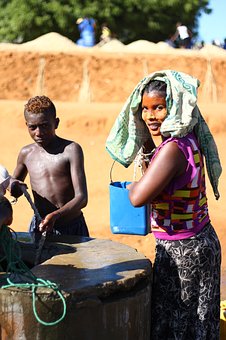
woman-with well water

ENGLISH: A WELL THAT GATHERS PEOPLE

This saying is about a well. A well brings many people from diverse backgrounds together as they come to draw wáter in it.

People go to the well for an opportunity to connect with their friends in the village. That is because the well has the capacity to unite many people, who then use the opportunity to exchange ideas to enable them bring progress in their village. Others use the opportunity of their presence at the well to make acquaintances with new people.

Many people visit the well on regular basis for the purpose of quenching their thirst, while others for the sake of finding opportunities for useful conversations that are geared towards bringing progress to their families. That is the reason why people refer to it as ‘a well that gathers people’.

That saying is likened to a person who co-exists with others in a pleasant and welcoming manner. Such a person would always play host to people at his/her home because of his/her generosity. He/she knows how to relate well with his/her villagemates.

The saying teaches people about generosity in their families, which results in peaceful co-existence with fellow villagemates. Such a trend builds united people, thus enabling them to bring development in their families. It is good to relate charitably with other people for the sake of enhancing moral values in the society today.

In addition, such saying teaches us about living happily together as family members, as a community and as fellow villagemates. We should be glad to associate with our colleagues and to reconcile with them whenever we disagree. That way, will help bring development in our country.

well

155. NGOKO YA NG’WANA ITAMILAGA IGINO

Research sponsored by: Don Sybertz, with special thanks to Rev Joe Healey (African Proverbs, Sayings and Stories)

Imbuki ya lusumo lunulo ililola ngoko iyo ilinasusu iyo igajilishaga tamu mpaga giguta, haho itali iyoyi ugulya. Ingoko yiniyo igajidilililaga tamu isusu jayo, huna yalya nayo ahanuma.

Ulusumo lunulo lugatumamilagwa kubhabyaji abho bhagabhalishaga, na gub’alela chiza abhana bhabho. Ili nghana gitumo dugabhonelaga umuwikaji wize bho bhuli lushigu, igiki, ingoko iyo ilina susu, igatucholelaga ijiliwa utususu toyo, bho nduhu ugulya tamu iyoyi. Alilomela, UPadri Joseph G. Healey, umujitabho jakwe ijo jihayile, “KUENEZA INJILI KWA METHALI.” “Gutananya nhulu ja wiza bho sumo.” Uk. 34.

Abhasukuma, bhagatumilaga ulusumo lunulo umuguzenga nholo ya gwifunya jisambo kunguno ya bhanhu bhangi, nonono abhobhadidulile. Ukujigemelo ijawiza, ija guitimija iyiniyo, ni ngoko iyoigajilanghanaga isusu jayo ijo jidamanile ugulimila ilishinu.

Ubhulangwa ubhutale umu lusumo lunulo bhuli “bhulanghani ubho bhalinabho abhabyaji ukubhana bhabho.” Ingoko guti mayu, igacholaga makanza gose ijiliwa ja gujilisha isusu jayo. Amakanza ayo ikomile gupandika nulu lishinu, idalilyaga, aliyo igalilekaga kugiki isusu jayo jigalilye.

Ingoko yiniyo, igizunilijaga duhui aho isusu jayo, jamalaga ugulya. Ulu jumala gwituta isusu, huna nu mayu ojo ng’wunuyo, agicholegaga ginhu ja gulya ng’winikili.

Umyaji ng’unuyo agalekaga ugwiiganikila ng’winikili tamu, mpaga ulu yujiganikila tamu isusu jayo.

Inhungwa yiniyo iya ngoko, ilijigongwa numa nu lusumo ulo luhayile giki, “Uli ng’wana o mbata, ib’egejage ng’winikili.”

Ulusumo lunulo, lulilanga mingi ukubhabyaji. Ili milimo yabho, ugubhalanga abhana bhab’o bho gub’inha bhugota, gubhasomisha, na gub’inha nhungwa jawiza, jiliwa, myenda na yingi mingi.

Ijinaguitimija iyiniyo ukubhana bhabho, guli nimo go bhabyaji uguleka nhungwa guti ja gung’wa walwa wingi, guzwala majizwalo ga mahela mingi, na gangi ayo gikolile na genayo.

Ubhulingisilo bho gwita giko, ili kihamo na golecha bhutogwa bhobho ukubhana bhabho na kubhose abho bhadidulile umuwikaji bhobho, abho bhalilomba wambilijiwa.

Bhadulile ugubhalela chiza abhana bhabho bho gugaleka amatumiji ayo gadigalazima kugiki bhatimije unimo gogubhadilila abhana bhabho, mpaga nabho bhakule bhali na nhungwa ja wiza.

Ijinagongeja, ulusumo lunulo lulilanga bhanhu higulya ya kuleka wimi ng’holo bhogwidilila bhoyi duhui, aliyo, bhabhadilile abhobhalilomba wambilijiwa. Inhungwa guti yiniyo, idulile gwenha wizang’holo bho gubhalela chiza abhana bhose abha muchalo, bho nduhu gulola igiki, uyo aling’wana ong’wa nani, nulu alifumila ha kaya iliginehe.

SWAHILI: KUKU MWENYE VIFARANGA HAMEZI FUNZA (NYUNGUNYUNGU)

Chanzo cha methali hii kilaangalia kuku mwenye vifaranga ambaye huhakikisha kwamba vifaranga wamwepata chakula, kabla ya yeye mwenyewe kula. Kuku huyo huwajali kwanza wale watoto ndipo anakula na yeye mwenyewe baadaye.

Methali hiyo hutumika kwa wazazi ambao huwalisha, na kuwatunza kwa kuwalea vizuri watoto wao. Ni kweli kama tunavyoona katika maisha yetu ya kila siku, kwamba, kuku mwenye vifaranga huwa anawatafutia watoto wake chakula bila kula yeye mwenyewe kwanza. Aeleza Pd. Joseph G. Healey, kwenye kitabu chake kisemacho “KUENEZA INJILI KWA METHALI.” uk. 34.

Wasukuma hutumia methali hiyo katika kujenga moyo wa kujitolea sadaka kwa ajili ya wengine hasa wale wasiojiweza. Mfano mzuri wa kutekeleza hilo ni kuku ambaye huwatunza watoto wake wachanga, ambao hawawezi kumeza mdudu. Mandhali kuu ya methali hiyo ni “Utunzaji walionao wazazi kwa watoto wao.”

Kuku kama mama, hutafuta daima chakula ili kuwalisha vifaranga vyake. Wakati apatapo chakula, kama vile mdudu, hamli lakini humuacha kwa ajili ya watoto wake.

Kuku huyo kuridhika tu baada ya vifaranga vyake kula. Baada ya watoto wake kushiba, basi ndipo naye mama huyo huchukua kitu fulani kwa ajili yake mwenyewe.

Mama huyo huacha kujifikiria mwenyewe kwanza, badala yake huwafikiria kwanza watoto wake. Tabia hiyo ya kuku huenda kinyume na methali ya kisukuma isemayo, “Uli mwana o mbata ib’egejage.” Maana yake, “wewe ni mtoto wa pata, jitegemee mwenyewe.”

Methali hiyo, hufundisha mengi kwa wazazi. Ni wajibu wao, kwa mfano, kuwahudumia watoto wao kwa kuwapa mahitaji ya afya, elimu na tabia nzuri, chakula, nguo na mahitaji mengine.

Ili kutimiza majukumu hayo kwa watoto wao, ni muhimu kwa wazazi kuacha tabia ya kujishughulisha na mambo fulani katika maisha yao, kama vile, kunywa bia nyingi, kuvaa nguo za gharama kubwa, nk. Lengo la kufanya hivyo, ni pamoja na kuutekeleza upendo wao kwa watoto wao na kwa wale wanaohitaji msaada wao, kwa kuwatunza. Wataweza kuwalea vyema watoto wao kwa kuacha matumizi yasiyoyalazima ili walitekeleze jukumu la kuwajali zaidi watoto wao kwa ajili ya kuwawezesha kukua katika maadili mema.

Zaidi ya hayo, methali hiyo hufundisha watu juu ya kuacha ubinafsi kwa kuwajali wahitaji katika jamii. Tabia kama hiyo huweza kuleta ukalimu wa kuwalea watoto wote pale walipo bila kujali kwamba, mtoto fulani ni wa nani, au anatoka kwenye familia gani.

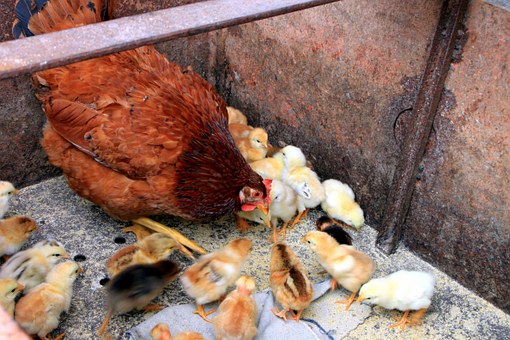
chicken2

ENGLISH: THE HEN WITH BABY CHICKS DOESN’T SWALLOW THE WORM.

Sukuma ( Tanzania) Proverb


BACKGROUND, EXPLANATION, MEANING AND EVERYDAY USE

An inspiring Sukuma proverb in Tanzania on sacrifice and self-denial is The hen with baby chicks doesn’t swallow the worm. Its main theme is “Parental Care.” The mother hen is constantly looking for food to feed her chicks. When she does find some food, for example a worm, she doesn’t eat it but leaves it for her chicks. Only after the chicks have eaten and been satisfied will the mother hen take something for herself. In contrast to the hen, the mother duck doesn’t provide for her ducklings. She let’s them fend for themselves. See the Sukuma proverb Uli ng’wana wa mbata ibegejage (You are the child of a duck; take care of yourself).

Similar African proverbs are When a woman is hungry she says: “Roast something for the children that they may eat” (Akan, Ghana). No matter how skinny, the son always belongs to his father (Galla, Ethiopia). The cows never run away from her calves (Bemba, Zambia). The porcupine lovingly licks her spinney (thorny) offspring (Oromo, Ethiopia). The child who stays near his or her mother does not fall into the trap (Chewa, Malawi/Zambia). The mother hen does not break its own eggs (Swahili, Eastern Africa). The umbilical cord and strap in which the cord is wrapped is like mother and child (Ganda, Uganda).

Parents can learn much from this proverb. It is their obligation to care for their children by providing what is necessary for their health, education and right conduct — food, clothing and other needs. To fulfill their obligations to their children, it is necessary for parents to be self-sacrificing and forego certain things in their lifestyle, for example, excessive beer drinking, wearing expensive clothes, etc.

An important aspect of African proverbs is their participatory nature that fits in very well with relationship and community values. Sometimes a preacher or teacher gives the first half of the proverb and the congregation or audience responds with the second half: Unity is strength…division is weakness. The hen with baby chicks…doesn’t swallow the worm. The second half is the advice that the speaker wants the audience to accept so he or she “maneuvers” the listeners so that the words come from their own lips.

154. NIGO GWA GWIPANJA

Research sponsored by: Don Sybertz, with special thanks to Rev Joe Healey (African Proverbs, Sayings and Stories)

Mbuki ya kahayile kenako ililola Nigo. UNigo gunuyo guli ndito nulu ntale gudigogub’ucha b’ung’wene mpaga b’ab’ize bhanhu b’ab’ili. Unigo gunuyo guligogub’uchiwa bho gwiyambilija. Abhanhu bhagiwilaga giki, unigo gunuyo gulinigo gogwipanja, jinagolecha giki unigo uyo gub’itilile umub’udito b’ogo. Igeleliwe b’iyambilije ugugucha.

Akahayile kenako kagayombagwa ahikanza lwa gulomba wambilijiwa gufumila kubhanhu bhangi abho bhali bihi nanghwe. Uyo ung’wigwa ng’wiye alikayomba akahayile kenako, agwanguha gujung’wambilija. Ku nguno, akahayile kenako ili nzila ya kulomba wambilijiwa gwinga kubhanhu abho bhalihoi ahenaho.

Ukulwande ulungi, akahayile kenako kagalenganijiyagwa na munhu uyo alemile ugulangwa na bhabyaji bhakwe nulu bhalangi bhakwe. Umunhu ng’wunuyo, alenganilile nu nigo ahazengile. Kunguno, alinanhinda, na nungwa ja b’udoshi.

Abho bha mmanile chene, b’agiwilaga giki, ugunuyo, guli nigo gowipanja, mumho umunhu nyunuyo, obhalemela bhingi. Ilichija bhiyambilije ugunhanga umunhu ng’wunuyo. Ugunanga ilenganilile na gugub’ucha unigo gunuyo.

Kuyiyo lulu, akahayile kenako, kalilanga bhanhu higulya ya gub’iza nisangi lwa gwiyambilija umub’utumami bho milimo yabho. Ulu nimo guli ntale yigelelilwe mkwile nguno unimo gwenuyo gudigotumama iyene.

Imilimo yiniyo ilikihamo na gwiyambilija ugufunya bhulangwa bho wiza ukubhana, nulu ukubhanajumuiya, nulu ukubhalangwa bha shule. Ilichiza ugwiyambilija uguitumama imilimo ya gubheja: kaya, nulu jumuiya, nulu kanisa. Ubhulagwa bhunubho igelelilwe bhutumame bhuli lushigu kugiki bhudule ugubhenhela matwajo miza abhananzengo.

Ijinagongeja, akahayile kenako, kalilanga bhanhu higulya ya guleka nhungwa ja nhinda, na b’udoshi. Bhanhu bhaleke ugub’iza miligo ukubhangi nulu ukubhananzengo. Bhabhize, na nhungwa jalikujo umukaya, nulu umunzengo.

KISWAHILI: MZIGO WA KUBEBA KINZEGA MZEGA

Chanzo cha msemo huo kinaangalia mzigo ambao ni mzito.  Mzigo huo unaweza ukawa mkubwa ambao sio wa kubeba mtu mmoja mpaka wawe watu wawili ndipo waweze kuubeba.

Mzigo huo niwakubeba kwa kusaidiana. Watu huambiana kwamba, huo ni mzigo wa kubeba mzega mzema, katika kuonesha kwamba,  huo mzigo umepitiliza uzito wake. Inatakiwa kusaidiana katika kuubeba.

Msemo huo husemwa wakati wa kuomba msaada wa kutoka kwa watu wengine ambao wako karibu na mtu huyo. Yule anayemsikia mwenzake ausemaye msemo huo, huwahi kumsaidia. Kwa sababu, msemo huo ni njia ya kuomba msaada wa kusaidiwa kutoka kwa watu ambao wako karibu yake.

Kwa upande mwingine, msemo huo hulinganishwa kwa mtu ambaye hukataa kufundishwa na wazazi wake, au waalimu wake. Mtu huyo hulinganishwa na mzigo pale anapoishi, kwa sababu, ana kiburi, na tabia ya majivuno.

Wale wafahamuo hivyo huambiana, kwamba huo ni mzigo, maana yake, mtu huyo, amewashinda wengi. Kwa hiyo ni vizuri kusaidiana katika kumlea mtu huyo. Kumlea hivyo, hufananishwa na kuubeba mzigo huo.

Kwa hiyo basi, msemo huo, hufundisha watu juu ya kuwa na ushirikiano wa kusaidiana katika kufanya kazi zao. Palipo na kazi kubwa, wanatakiwa wawepo watu wengi wa kuifanya kwa sababu kazi hiyo siyo ya kufanywa na mtu mmoja peke yake.

Kazi hizo ni pamoja na kusaidiana katika kuwapa mafundisho mema watoto, wanajumuiya, na wanafunzi wa shule. Huwa ni vizuri kufanya kazi za kujenga mji, jumuiya, na Kanisa kwa kusaidiana.  Mafundisho hayo hutakiwa kutolewa kwa wale wanaoyahitaji kila siku ili kuwaletea maendeleo wanajamii.

Zaidi ya hayo, msemo huo, hufundisha watu juu ya kuachana na tabia za kuwa na kiburi, na majivuno katika jamii. Wasiwe mizigo kwa wengine au kwa wanajamii. Badala yake, wawe na tabia njema zenye adamu njema kwa wanajamii wao.

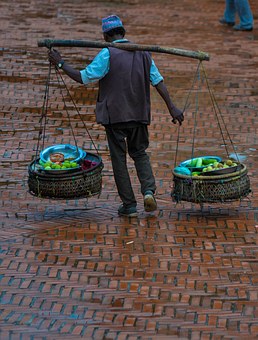
nepal

ENGLISH: A LUGGAGE THAT IS CARRIED ON BOTH


SHOULDERS

This saying refers to the way a load can be too heavy to be carried by an individual, therefore ideally requiring the effort of two people to manage it.

Such a burden calls for solidarity; whereby individuals pool their energies to help guarantee victory.

The saying applies in situations where people are encouraged to seek help from others in their surroundings. Normally, he/she who hears his/her friend uttering those words would proceed to offer help to the speaker.

On the other hand, this saying is also used to refer to someone who, because of his/her pride and arrogance, cannot heed the guidance of his/her parents or teachers. Such a person is likened to a load.

Those who understand this saying would tell one another, in reference to someone who is a burden: That person is a heavy luggage; many people have been unable to carry him/her.  In essence, this would be a call for concerted efforts to help raise the person, or carry the ‘burden’.

In the same vein, this saying encourages people to embrace unity and a helping hand in all their endeavours. This unity of purpose could include helping one another in providing useful teachings to children, scholars and the community in general.

It is also good to work together in building the city, the community and the Church. People need such teachings to enable them develop the community in which they live.

In addition, the saying discourages the tendency of being proud and burdensome in society. People are instead encouraged to maintain good behavior; a quality that helps bring progress in the community.

Matthew 11: 28-29.

Romans 8: 26-27.


Philippians 4: 8-11.


153. KALAGU – KIZE KAJA NHWANI KALI DUHU UGIZA KAZWALILE – NHARANGA

Research sponsored by: Don Sybertz, with special thanks to Rev Joe Healey (African Proverbs, Sayings and Stories)

Imbuki ya kalagu yiniyo ililola Nharanga iyoigahambagwa idinamakolele gayo yuzwa na gupandika jizwalo jingi. Ihali yiniyo igalomelaga higulya ya b’upandiki bho wikaji upya ub’o b’ulinamatwajo mingi.

Ikalagu yiniyo igalenganijiyagwa na wikaji bho ng’wa munhu uyo oliopandika makoye umuwikaji bhokwe, wiyangula kuja nhwani kujuchola sabho na agajipandika. Aho ojipandika agiyangula gushoka kaya.

Abhasuguma bhagalomelaga uwandijo bho kalagu yiniyo bho gutumila jigano ja ng’wa Masanja, ijo jigigelaga mujitabho ijo jandikwa na Padri Joseph G. Healey, ijo jigitanagwa, “JE, MUNGU ANASEMA LUGHA GANI? Uk. 71-72.

Alihoi nsuguma umo uyo witanagwa Masanja. Wikalaga Maswa umu nkoa go Shinyanga (ihaha Simiyu). Umasanja aho otoola na guzenga numba mhya, agandika makoye mingi. Unke okwe agatoroka, ung’wana okwe agazumalika, inumba igagwa, na b’ib’i bhagib’a ing’ombe pye ija ng’wa Masanja. Ohaimanikila obhiza nhabhi. Agiganika giki ologwa.

Umasanja agandya gugwa nholo. Aliyo aha nhalikilo yaho agiyangula gwinga umunkoa go Shinyaga, (ihaha Simiyu) na guja nhwani. Agasumba lugendo guti ng’wilombeleja nulu mhabhi, bho nduhu myenda, nduhu hela, nduhu ginhu jose jose.

Aho oshiga inhwani UMasanja agakwabha. Ahagwandya agapandika nimo na numba.  Ahanuma ya yiniyo agandya iduka lya b’usuluja na hoteli. Agandya gupandika hela ningi. Agazenga numba ya makanza malihu na yab’ageni. Hangi uMasanja agandya jiwanda ja Soda.

Aha nhalikilo, agab’iza nsabhi o sabho ningi. Aliyo adatogilwe ugwikala iDar es Salaam. Kuyiniyo, uMasanja agashoka kaya yake Maswa, ku nkoa go Simiyu na sabho ningi: Maloli, myenda, ginhu ningi na hela ningi.

Kuyiniyo lulu, gufumiila umu jigano jinijo ja ng’wa Masanja, igiza ikalagu yinijo iyoihayile, ‘Oja nhwani aliduhu ugiza ozwalila – Nharanga.’

Ikalagu yiniyo ililanga bhanhu higulya ya kuleka gugwa nholo umuwikaji bhobho. B’ab’ize na wiyumilija bho gwandya gutumama milimo na bhukamu bho guchola uko bhalaipandikile imilimo yiniyo, kugiki bhadule gupandika matwajo mingi umuwikaji bhobho.

Ijinagongeja, ikalagu yiniyo, ililanga bhanhu higulya ya gutumila ubhuguguja bhobho ijinabhugalucha bho uwikaji bhobho b’ub’ize b’ob’upandiki kulebha igwandya.

KITENDAWILI: – TEGA

KALIENDA PWANI UCHI KAKARUDI KAMEVAA – KARANGA

Chanzo cha kitendawili hicho kilanaangalia karanga inayoopandwa ikiwa imetolewa maganda yake, ikaota na kupata vazi jingine. Hali hiyo huelezea juu ya uwepo wa upataji wa maisha mapya yenye mafanikio.

Kitendawili hicho hulinganishwa na maisha ya mtu aliyepata shida maishani mwake akaamua kwenda Dar es Salaamu kwenda kutafuta mali na kuzipata. Baada ya kuzipata aliamua kurudi nyumbani.

Wasukuma hueleza chanzo cha kitendawili hicho kwa kutumia hadithi ya Masanja, inayopatikana kwenye kitabu kilichoandikwa na Padri Joseph G. Healey kiitwacho “JE, MUNGU ANASEMA LUGHA GANI? Uk. 71-72.

Kulikuwa na mkukuma mmoja aliyeitwa Masanja ambaye aliishi Maswa katika mkoa wa Simiyu. Masanja baada ya kuoa na kujenga nyumba mpya, alipata matatizo mengi. Mke wake alitoroka, mtoto mchanga alifariki, nyumba ilianguka na wezi waliiba ng’ombe wote wa masanja. Ghafla alikuwa fukara. Alifikiri kwamba alilogwa.

Masanja alianza kutaka tamaa. Lakini mwishowe aliamua kuondoka Mkoa wa Shinyanga kwa muda (kwa sasa ni Simiyu), na kwenda pwani, yaani Dar es Salaam. Alisafiri kama mwombaji au fukara bila nguo, bila pesa, bila kitu chochote.

Baada ya kufika Dar es Salaam Masanja alibahatika. Kwanza alipata kazi na nyumba. Baada ya muda alianzisha duka la biashara, halafu hoteli. Alianza kupata fedha nyingi. Alijenga nyumba ya kudumu ya kupangisha. Tena Masanja alianzisha kiwanda cha soda.

Mwishowe, alikuwa tajiri mwenye mali nyingi. Lakini hakupenda kuishi Dar es Salaam. Kwa hiyo, Masanja alirudi nyumbani kwake Maswa, Mkoa wa Simiyu na mali nyingi: gari, nguo mpya, vitu vingi na pesa nyingi.

Kwa hiyo, kutokana na hadithi hiyo ya Masanja kikaja kitendawili hicho kisemacho, ‘Alienda pwani uchi akarudi amevaa – Karanga.’

Kitendawili hicho hufundisha watu juu ya kutokata tamaa maishani, badala yake, wawe na bidii ya kuanza kufanya kazi katika maeneo mbali mbali kwa ajili ya kupata mafanikio mengi maishani.

Zaidi ya hayo, kitendawili hicho, hufundisha watu juu ya kutumia ubunifu wa aina mbali mbali kiasi cha kutosha kubadili maisha yao ili yaweze kuwa mazuri zaidi kuliko yale ya mwanzo.

ENGLISH: I HAVE A RIDDLE – LET IT COME

ONE WENT TO THE BEACH NAKED AND CAME BACK DRESSED – GROUNDNUT

Masanja Goes to Dar es Salaam (story alone)


There is a well-known Sukuma, Tanzania riddle that goes like this:

“I have a riddle.” “Let it come.”
“He went to the coast naked and returned fully clothed?” … (answer) “GROUNTNUT.”

This riddle is based on the following adapted African story:

“Masanja was a Sukuma man who lived in Maswa in Simiyu Region of Tanzania. After getting married and building a new house Masanja got many difficulties. His wife ran away, his youngest child died, his house fell down and thieves stole all of Masanja’s cows. Suddenly he was a beggar. He thought he had been bewitched.

Masanja started to despair. But finally he decided to leave Simiyu Region, that is the interior of Tanzania, and go to the coast, to the city of Dar es Salaam. He travelled as a beggar without clothes, without money, without anything.

After arriving in Dar es Salaam, Masanja started to get lucky. First he found work and a house. After a while he opened a store, then a small hotel. He began to make a lot of money. He built a permanent house, which he rented. Then Masanja built a soft drink factory. Finally he became very rich with many possessions. But he didn’t want to live in Dar es Salaam. So he returned to his home in Maswa in Shinyanga Region with great wealth — a car, new clothes, many goods and a lot of money.” (Sukuma Ethnic Group, Tanzania Story-Riddle).

peanut-field

Masanja Goes to Dar es Salaam (story in context)


By Rev. Joseph G. Healey, M.M.

One particular Friday in late March the Christians of Mtakuja Small Christian Community (SCC) in Western Tanzania met to pray together. After the Bible Service Peter the SCC leader said, “We are accustomed to have a “Teaching” after the Bible sharing. But Easter is drawing near. Therefore I will tell the story of Masanja, a Sukuma who lived in Maswa in Shinyanga Region. After getting married and building a new house Masanja got many difficulties. His wife ran away, his youngest child died suddenly, his house fell down and thieves stole all of Masanja’s cows. Suddenly he was a beggar. He thought he had been bewitched.

Masanja started to despair. But finally he decided to leave Simiyu Region, that is the interior of Tanzania, and go to the coast to the city of Dar es Salaam. He travelled as a beggar without clothes, without money, without anything.

After arriving in Dar es Salaam on the Indian Ocean Masanja started to get lucky. First he found work and a house. After a while he opened a store, then a small hotel. He began to make a lot of money. He built a permanent house that he rented. Then Masanja built a soft drink factory. Finally he became very rich with many possessions. But he didn’t want to live in Dar es Salaam. So he returned to his home in Maswa in Shinyanga Region with great wealth — a car, new clothes, many goods and a lot of money.

After telling this story Peter the SCC leader asked the community members, “What do you think? What does this story of Masanja remind us of?” Immediately a Sukuma woman answered, “This story is similar to a Sukuma riddle.” She said, “I have a riddle,” and Peter answered, “Let it come.” The woman said, “He went to the coast naked and returned fully clothed?” Another Sukuma answered, “Groundnut.” Everyone laughed. Then other community members eagerly joined in the discussion. One woman said, “In my language Kinyamwezi we have a riddle that says: You went far away; you returned with great wealth? The answer is millet.” A Ngoreme youth said, “I remember a riddle in my local language Kingoreme: “I shot my arrow without feathers; it has returned with feathers?” The answer is runner bean.”

Another SCC member named William said, “I think the meaning of all these riddles resembles the example of the groundnut seed that is planted in the earth in order to later sprout. It grows inside of its shell. Afterwards the groundnut’s flowers are showy and very beautiful. This example is also like a verse in Chapter 12 of St. John’s Gospel: “Unless a grain of wheat falls on the ground and dies it remains only a single grain, but if it dies it yields a rich harvest” (John 12: 24).

Then Peter said, “Good. We have heard a fine explanation. But there’s still one more thing. Why have I told this story of Masanja near Easter Sunday?” For a while the SCC members were quiet. Then a widow named Modesta delighted the other Christians by saying, “The story of Masanja and the groundnut riddle and the example of the grain of wheat all resemble the death and resurrection of Jesus Christ. If a groundnut can be so changed surely the Son of God can rise from the grave in glory. The death and resurrection of our Lord Jesus Christ is the foundation of our Christian faith. In our everyday life we die and rise with him. Jesus Christ and we Christians too are like the seed that is buried in the ground before it can grow and bear fruit.”

Immediately all the community members clapped for this widow. They recognized that she had touched the very heart of the Lenten season and the feast of Easter.

ANOTHER VERSION

The source of the overhead riddle looked at the nuts that were sown. It had been removed from its pods and wore the other garment. The situation describes a presence of successful new life acquisition.

The puzzle is compared to the life of a person who is in trouble. The one decided to go to Dar es Salaam in seeking for material goods. After finding them the one decided to return home.

The sukuma people describe the basis of the above riddle by using the Masanja’s story, which is found in the book written by Rev. Joseph G. Healey, entitled “Je, Mungu anasema Lugha gani?” (Which Language does God say? pp. 71-72.

There was one man named Masanja who lived in Maswa in Simiyu region. Masanja after getting married and building a new home had many problems. His wife escaped, the baby died, the house collapsed and thieves stole all the cows. Suddenly he became poor. He thought that he had been bewiched.

Masanja began to crave. But he finally decided to leave Simiyu Region. He went to Dar es Salaam. He walked as a beggar, without clothes, money, without anything.

After arriving in Dar es Salaam Masanja became luck. First he got a job and a home. In time he set up a business shop, and then a hotel. He began to earn a lot of money. He built a permanent home for rent. Again Masanja introduced a soda factory.

Finally, he was rich in wealthy possessions. But he did not want to live in Dar es Salaam. So Masanja returned to his home at Maswa in Simiyu Region with many possessions: car, new clothes, lots of things and more money.

Therefore, thanks to the Masanja’s story as it explains foundation of overhead riddle that says, ‘He went to Dar es Salaam naked and came back dressed – Nuts.’

The above riddle imparts people not to give up on life, but rather they should work hard in different areas for being more successful in their lives.

Furthermore, the paradox, teaches people about using different forms of creativity enough to change their lives so that they can become more successful than their previous ones.