Riddles

148. KALAGU – KIZE NG’OMBE JA NG’WISE JA MALA KUB’USHU – WILULI

Research sponsored by: Don Sybertz, with special thanks to Rev Joe Healey (African Proverbs, Sayings and Stories)

Imbuki ya jigano jinijo ililola linti ilo ligitanagwa wiluli. Ilinti lyenilo ligabyalaga bhana b’ape ukwitindigishi. Giko lulu igalenganijiyagwa na ng’ombe ya mala kub’ushu.

Ijigano jinijo jigalenganijiyagwa nu umukikalile kabhanhu nu mkalangile ka bhabyaji b’ab’o. Ung’wana atiko uguikilila iyo agalangagwa na nhungwa ja bhabyaji bhakwe. Ilichiza abhabyaji bhabhize na nhungwa ja wiza ijikomile gub’alanga chiza abhana. Ilenganilile na lusumo ulo luhayile, “ng’homba yalondela igokola.”

Ijigano jinijo jab’alanga abhanhu higulya ya kub’iza na nhungwa jawiza ijiikomile gub’alanga abhana bhabho bho gub’inha jigemelo jawiza. Giko lulu, ijigano jinijo jab’alanga abhabyaji kub’alela chiza ab’ana b’ab’o na kub’atongela chiza kugiki nab’o bhadule gub’iza na nhungwa jawiza umukikalile kab’o na bhanhu.

KISWAHILI: KITENDAWILI – TEGA

NG’OMBE ZA KWETU ZINA RANGI USONI – MTI.

Chanzo cha kitendawili hicho kinauangalia mti unaoitwa ‘wiluli” (mti wenye rangi mbalimbali). Mti huo hutoa mbegu nyeupe chini kwenye shina lake. Hivyo basi, mtu huo hulinganishwa na ng’ombe mwenye mabaka meupe usoni.

Kitendawili hicho hulinganishwa kwa watu hasa wazazi wanavyoishi na kuwafundisha watoto wao. Mtoto hawezi kuwa tofauti na yale afundishwayo na tabia za wazazi wake.

Wazazi wanatakiwa kuwa na tabia njema za kuweza kuwafundisha watoto wao kwa kuiga maisha yao ili waweze nao kuishi vizuri na watu wengine. Kitendawili hicho hufanana na methali isemayo ‘Uji hufuata kiwiko.’

Kitendawili hicho, hufundisha watu juu ya kuwa na tabia njema iwezayo kuwakuza vyema watoto wao na kuwalea kwa kuwapatia mifano ya kuiga ili waweze kujijengea tabia njema iwezayo kuwaletea maendeleo maishani mwao.
cow1

ENGLISH: I HAVE A RIDDLE – LET IT COME

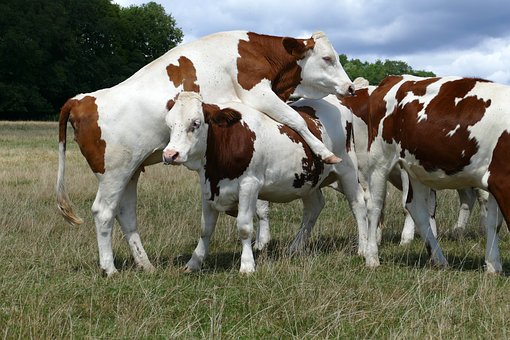
CATTLE OF OUR HOME HAVE MARKS ON THEIR FACES – A WHITE COLORFUL TREE

“Blue”, a white colorful tree that produces white seeds on its stem, is like domestic cattle with their dotted faces.

That riddle relates to the way people have influence over others, especially parents over their children: A child cannot exhibit different characteristics from those of his/her parents.

Parents should possess enough accurate assertiveness to instill values in their children. This would in turn enable the young ones to live in harmony with other people.

And in general, the riddle teaches that people should have a constructive outlook by nurturing exemplary values and cultivating assertive confidence in children, which qualities guarantee progress in their lives.

The above puzzle is similar to the proverbial saying: ‘Some porridge follows joint of the hand.’

ANOTHER ENGLISH VERSION: I HAVE A RIDDLE – LET IT COME

CATTLE OF OUR HOME HAVE MARKS ON THEIR FACES – A WHITE COLORFUL TREE

The source of the overhead puzzle looks at a tree called “blue” (a white colorful tree). Such tree produces white seeds on its stem.

Thus, the above riddle is likened to the person who marks whenever he/her goes like cattle which have white colors on their faces, by way he/she relates with others.

Such enigma is compared to people especially parents who live and impart their children by ways their lives. A child can not be different from what he/her is taught by deeds of his/her parentages.

Parents should have the accurate assertiveness enough to instill their children by imitating their lives so that they can peacefully live with them as well as with other people. The overhead puzzle is similar to the proverbial saying ‘Someporige follows joint of the hand.’

Therefore, the above riddle, imparts people about having a constructive outlook that can enhance their children and nurture them with exemplary models so that they can cultivate a confident assertiveness enough to bring progress to their lives.

ice-cream-

147. KALAGU – KIZE NIGUMHA HISHIGI B’ALULI B’IDAGUKA – MHANDE

Research sponsored by: Don Sybertz, with special thanks to Rev Joe Healey (African Proverbs, Sayings and Stories)

Imbuki ya jigano jiniji ililola mhande na munhu uyo ajibhuchije. Ulu munhu uyo oub’uchaga mhande mlijiseme wiguumha hishigi, jigwidika aliyo lulu, jigab’izaga na yombo nhale gete.

Ijigano jinijo jigalenganijiyagwa kuli munhu uyo adajilab’ilaga chiza ijikolo jakwe. Agab’izaga adinabho ubhudiliji bho jikolo ijoalijipandika, kulwa nguno ya bhulekanija ubho alinabho.

Ugwigumha ahishigi na gwidika go mhande, jililomela ubhugawiwa bho b’uhuguku ubhogulanghana na gulab’ila chiza isabho ijo alinajo umunhu ng’hunuyo aho alikalila.

 Ijigano jinijo jilib’alanga abhanhu higulya ya kub’iza na b’ulab’iji wiza bho jikolo jabho. Idijichiza ugujilekanija isabho ijob’alinajo.

Kuyiniyo, igelelilwe umunhu ab’ize na bhuhuguku ubho bhukomile gumwambilija ugulanghana ijo alinajo, ijib’izile kihamo na sabho, bhupanga bhokwe, nimo gokwe, b’usuluja bhokwe, na witanwa bho b’utumami bhokwe ubho alinabho.

KISWAHILI: KITENDAWILI – TEGA

NIMEJIKWAA KWENYE KISIKI AKINALULI WAKAMWAGIKA – NJUGU MAWE

Maana ya kitendawili hiki inaangalia njugu mawe na mtu alizo nazo. Mtu aliyebeba njugu mawe kwenye chombo akijikwaa kwenye kisigi, njugu mawe hizo humwagika na kupiga kelele kabisa.

Kitendawili hicho hulinganishwa kwa mtu yule ambaye huwa havijali vizuri vitu vyake. Huwa hana utunzaji mzuri wa mali alizonazo kwa sababu ya utelekezaji wa vitu alionao.

Kujikwaa kwenye kisiki na kumwagika kwa njugu mawe hueleza hali hiyo ya kukosa uangalifu wa kutunza mali alizonazo, pale anapoishi.

Hivyo, kitendawili hicho hufundisha watu juu ya kuwa na utunzaji mzuri wa mali zao. Siyo vizuri kutelekeza hovyo mali wazipatazo.

Kwa hiyo, mtu anatakiwa kuwa na uangalifu uwezao kumsaidia kuzutunza alivyo navyo, ikiwa ni pamoja na mali, maisha yake, kazi yake, biashana yake, na wito wa utumishi alionao.

girl2

ENGLISH: I HAVE A RIDDLE – LET IT COME

I HAVE KNOCKED MY TOE ON THE LEFT OVER TREE LULI SCATTERED DOWN –PEANUTS

Plainly put, that riddle relates to the delicate job of carrying hard peanuts in a vessel, probably balanced on one’s head. In the event that such person is not careful enough, he/she may be tripped by tree stump, dropping the vessel and causing the peanuts to scatter on the ground noisily.

The conundrum is about a careless person, that is, someone who is not cautious about the security or safety of his/her property.

Thus, the riddle instills in people the virtue of being cautious enough so they may be able to take good care of their treasure, which could include property, a career or a vocation.

ANOTHER ENGLISH VERSION: I HAVE A RIDDLE – LET IT COME

I HAVE KNOCKED MY TOE ON THE REFT OVER TREE LULI SCATTERED DOWN –PEANUTS

The source of the overhead puzzle looks at the hard peanuts and the person who carries them. The one who carries peanuts in a vessel and hits his/her leg on a left over cut tree, dropps the vessel and peanuts scattered down with loud noise.

Such conundrum is compared to the person who does not care about his or her belongings. He does not have upright precaution for his assets because of branching out them.

The crackdown on the cistern and the spinning on stone describes the state of affairs of being careless that a person has in dealing with his/her properties, where he/she lives.

Thus, the overhead riddle instils people almost having a decent overhaul of their assets. It is not respectable to disregard the assets they have.

Therefore, a person should be cautious enough to take upkeep of his or her treasure, including property, career, and vocation.

146. LUKANDO KANDO LO NG’WANA MBATI WISANYA JAKWE

Research sponsored by: Don Sybertz, with special thanks to Rev Joe Healey (African Proverbs, Sayings and Stories)

Imbuki ya kahayile kenako ilinola munhu uyo agikalaga na lukando kando na adakangilwe mhayo gose gose, kulo giki wimanile igiki alinajo ijikolo. Ijikolo jinijo jili giti ng’ombe, hela, malale, na manumba.

Giko lulu, umunhu ng’wunuyo agikalaga wimanile igiki nulu agapandika mayange, nduhu amakoye nguno agwigunana bho jikolo jakwe. Huguha giki, ung’wenuyo wisanije jikolo jakwe umuwikaji bhokwe.

Gashinaga lulu, akahayile kenako kagalenganijiyagwa kuli munhu uyo wisanije jikolo jakwe umuwikaji bhokwe. Ung’wunuyo adakangagwa kulwa nguno ya jikolo jinijo ijo ajisanije.

Akahayile kenako kadulanga higulya ya kuleka inhungwa ija bhudoshi umukikalile kise. Tub’ize na nhungwa jawiza ijagudambilija gwikala nab’umo na b’igisu, kunguno dudina ginhu ijagudosela. Idichiza ugudosela majikolo ga musi ng’wenumu, kunguno gose agenayo galab’ita.

KISWAHILI: KUJIDAI DAI KWA MWANAFURANI ATEGEMEA CHAKE.

Chanzo cha msemo huo kinamwangalia mtu ambaye huwa na tabia ya kujidai maishani mwake. Mtu huyo hatishwi na neno lolote, kwa sababu ya mali zake anazozitegemea. Mali hizo ni kama ng’ombe pesa, mashamba na majumba.

Hivyo basi, mtu huyo huwa anajiamini kwamba, hata kama akipata matatizo, atazitumia mali hizo katika kutatua matatizo hayo. Ndiyo kusema kwamba, mtu huyo hutegemea mali zake maishani mwake. Hujiona yeye kuwa hawezi kuhangaika, kwa vile atatumia mali hizo katika kutatua matatizo hayo.

Kumbe basi, msemo huo hulinganishwa kwa mtu ambaye hutumainia mali zake maishani mwake. Mtu huyo huwa hatishwi na kitu kwa sababu ya mali zake hizo anazozitegemea.

Msemo huo hutufundisha juu ya kuacha tabia yenye majivuno ya kuzarau wengine maishani. Badala yake tuwe na tabia njema iwezayo kusaidia katika kuishi maisha yenye umoja na wenzetu, kwa sababu hatuna cha kulingia au kujivunia. Ndiyo kusema kwamba, siyo vizuri kulingia mali za hapa duniani kwa sababu hizo zote zitapita.

ENGLISH: BOASTING ONESELF OF SOMEONE HE/SHE HINGES ON HIS/HERS

The overhead proverb examines the unwise attitude of boastfulness in people. Human beings sometimes allow their earthly possessions like cattle, land among other resources to blind them and cause them to believe that they are infallible.

They believe that, because of their immense wealth, nothing can pose any difficulties in their lives; they have the resources to surmount every obstacle in their way.

In other words, the aphorism reflects a person who trusts in his/her wealth so much that it overwhelms his/her sense of reason.

The message we can draw from such proverb is that boasting, materialism and haughtiness are all in vain.

                                                                                                                                                                                                                                                                                                                                                                                                                                                                        We should rather strive to be humble, and possess a helpful assertiveness; qualities that can help us live a peaceable life with others.

human

ENGLISH: BOSTING ONESELF OF SOMEONE HE/SHE HINGES ON HIS/HERS

The source of the overhead adage looks at someone who has a tendency of expressing something to others by boasting himself/herself in life. He/she is not satisfied with any word, because of his/her own dependence on oneself. Such person has assets are like cattle, farms, and parks.

Hence, he/she is convinced that, even if he or she gets in trouble, he/she will use the resources to solve those difficulties. That is, such person depends on his/her possessions in his or her life. He/she does not feel that he/she can face hitches, since he/she will use those resources to solve them.

Otherwise, the overhead aphorism is likened to a person who trusts his/her wealth in his/her life. Such person is overwhelmed by the reason of his/her dependent possessions.

Such proverb imparts people about stopping boasting approaches in their lives. They should not depend on what they possess by putting aside their haughty behavior to others in life.

Rather, they should have a helpful assertiveness that can help them in living a peaceable life with their fellows. They have no reason to boast themselves in front others. That is, it is not noble to consider physical belongings on earth as givers of all solutions to hitches of human beings.

145. NENE NADACHAMAGWA UKONALOLILE NAGUSHIKA UKO NALIJA

Research sponsored by: Don Sybertz, with special thanks to Rev Joe Healey (African Proverbs, Sayings and Stories)

Imbuki ya kahayile kenako ililola ginhu ijo jidachamagwa guti mongo. Nguno umongo gugajaga mpaga uko guligagelela na gudab’izaga na nchami.

Akahayile kenako kagalenganijiyagwa kuli munhu uyo agapangaga milimo yake na guidilila chiza ijinaguitumama. Umunhu ng’wunuyo agaginjaga amapinjapinja ayo gakomile gugulemeja ugutumamwa unimo gunuyo. Adina bususanya umub’utumami bho milimo yakwe.

Akahayile kenako kalidulanga higulya ya kuleka gub’iza na b’ususanya. Uluuhaya gulondeja mhayo, ilichiza uje na ngholo yimo.

Ilichiza kumtumamila Sebha Yesu bho ngholo yimo pye ishigu ja wikaji bho musi ng’wenumu. Diyangule gunhondeja weyi bho nduhu gususanya mpaga dupandike ubhupanga ubho bhudashilaga.

KISWAHILI: MIMI SIZUWILIWI NINAKOENDA MPAKA NIFIKE HUKO NINAKOENDA

Maana ya msemo huo inaangalia kitu ambacho hakizuiwiliwi, kwa mfano mto, kwa sababu mto huenda mpaka unakokomea, huwa hauziwiliwi.

Msemo huo hulinganishwa na mtu ambaye hupanga mipango yake na kuifuatilia vizuri katika kuukamilisha utekelezaji wake. Mtu huyo huondoa mapingamizi ya mipango hiyo, kwa vile huamua kufanya kitu hicho bila kusitasita.

Msemo huo hutufundisha juu ya kutokuwa na kazi za kusita sita katika maisha yetu. Ni vizuri kufanya kazi kwa roho moja au kwa bidii bila kusisita.

Ni vizuri kumfuata Bwana Yesu kwa moyo mmoja siku zote za hapa duniani. Tuamue kumfuata Yeye bila kusitasita, mpaka tuupate uzima wa milele.

ENGLISH: I AM NOT PREVENTED I GO UNTIL I REACH MY DESTINATION

Just like a river pushes itself all the way to its destination, this proverb is about the unstoppable nature of certain phenomena in life.

For instance, an individual who makes sound plans and executes them meticulously is bound to achieve the set goals and objectives with very little or no chance of failure.

Such proverb teaches us about the virtue of planning; and the necessity of working hard and resolutely to implement our plans in life. It advises us that it is always a good thing to complete what we set out to do.

In the same breath, the proverb seeks to invite us to be closer to the Lord Jesus Christ to serve Him with all our might and with the whole heart. This way, we may be able to inherit the kingdom of God and be assured of eternal life.

icon

ANOTHER ENGLISH VERSION: I AM NOT PREVENTED I GO UNTIL I REACH MY DESTINATION

The meaning of the above saying looks at something that is not stopped, for example a river, because it goes until it reaches its destination. It is not easily prevented.

Such saying is likened to a person who plans his/her strategies and follows them well from the beginning to their completions. Such person eliminates what can stop him/her from fulfilling his/her strategic plans. The one does so because he or she decides to achieve a given goal in life without hesitation.

The above proverb imparts us about planning well in our daily lives without hesitation. It is good to work hard in our planned workings from the beginning to the point of completing them without hesitation.

It likewise imparts us on following daily the Lord Jesus Christ. It is good to follow Him with one heart all days of living on earth. Let us follow Him without hesitation, until we become heirs to the eternal life.


144. NAB’UNDALAGA NDIHAJIGANGA

Research sponsored by: Don Sybertz, with special thanks to Rev Joe Healey (African Proverbs, Sayings and Stories)

Imbuki ya kahayile kenako igayombagwa na munhu uyo wisanije ginhu jakwe ijo ajaminile, nulu munhu uyo obiisha jiliwa jingi. Huyo agayombaga giki ‘nab’undalaga ndihajiganga.’

Giko lulu agwikala amanile igiki aduluhiwa ni nzala, kulwa nguno alinajo ijiganga. Ijiganga jinijo hijiliwa jakwe.

Akahayile kenako kagalenganijiyagwa kuli munhu uyo abizaga na jikolo jileb’e ijo ajisanije gete umuwikaji bhokwe. Ijikolo jinijo jigang’winhaga nhinda ja guigimba umumasala gakwe.

Akahayile kenako kadulanga higulya ya gulekana nayo iyamusi ng’wenumu iyabhubhi. Duhandatile mli Yesu, kulwa nguno ung’wunuyo hii jiganga jise. Duleke ugwisanya ginhu jingi aha bhutongi yakwe UYesu.

KISWAHILI: NIMELALA KIFUDIFUDI KWENYE MWAMBA

Maana ya msemo huo inaangalia mtu anayejivunia kitu mbele yake anacho kiamini, au mtu ambaye alilima mazao yake na akapata mavuno mengi. Mtu huyo husema kwamba, ‘nimelala kifudifudi kwenye mwamba.’

 Hivyo, basi atakaa akijua hivyo kwamba hatateseka na njaa kwa sababu anajivunia mwamba huo alionao ambao ni chakula chake. Hicho ndicho akitegemeacho.

Msemo huo hulinganishwa kwa mtu yule ambaye huwa na kitu fulani ambacho hukiamini kabisa maishani mwake. Kitu hicho humpa kiburi cha kujigamba katika akili zake.

Msemo huo hutufundisha juu ya kuachana na mambo ya duniani yapinganayo na Mungu. Unatufundisha kumfuata Yesu Kristo peke yake, kwa sababu Yeye ndiye mwamba au nguvu yetu. Tusijivunie mali nyingine mbele yake Yesu Kristo.

ENGLISH: I HAVE FALLEN ASLEEP USING STOMACH ON THE ROCK

The above wise saying is used to depict the satisfaction associated with someone who has had a bumper harvest of his/her crop. It can also be used to mean the sense of pride that comes with achievement and contentment.

Someone who has “fallen asleep using stomach on the rock” will stay there in the comfortable knowledge that he/she will not suffer from starvation. The rock in this case symbolizes the strong foundation of food security or bountifulness.

The adage can be used to refer to the egotistic character that an individual develops courtesy of his/her possessions.

As Christians, the above saying reminds us about the Biblical teaching on the vanity of worldly possessions. It teaches us on how to follow none other than Jesus Christ, for He is our rock, our power. We are thus cautioned against believing in anything else but to put all our hope and all our might in Jesus Christ.

christ-crucified

ANOTHER ENGLISH VERSION: I HAVE FALLEN ASLEEP USING STOMACH ON THE ROCK

The meaning of the overhead wise saying looks at a person who is proud of something in front of himself/herself. It also looks at someone who planted his/her crops and earned a lot of yields. Such person says, ‘I have fallen asleep using stomach on the rock.’

So, he/she will stay there knowing that he/she wi

ll not suffer from starvation because of being proud of the rock, that is, the food that he/she has. Such food is what one relies on as his/her rock.

The overhead adage is likened to the person who has something that he/she really believes in his/her life. Such thing gives egotism to him/her in his/her mind.

The above proverbial saying imparts us about abandon

ing the worldly things that are in opposition to the guidelines of God. It teaches us on how to follow Jesus Christ alone, because He is our rock or power. Let us not put on ourselves another property instead of Jesus Christ.

jesus3