Sukuma Proverbs

139. UYO AGUSIMIZAGA AGUPANDIKA UYO WIGASHIJE AGUBHIMBA NG’HUMBI.

Research sponsored by Don Sybertz, with special thanks to Rev Joe Healey (African Proverbs,Sayings and Stories)

Mbuki ya lusumo lwenulu ililola munhu uyo alisiminza nu ungi uyo wigashije, ijinabhuchoji bho sabho. Uyo agusimizaga agalenganijiyagwa na munhu uyo agutumamaga milimo. Gashinaga lulu, ung’wunuyo agujipandika isabho.

Aliyo umunhu uyo wigashije duhu, agalenganijiyagwa nuyo adatumamaga imilimo, ung’wunuyo adujipandika isabho, agubhimba ng’humbi.

Ulusumo lwenulo lulilanga bhanhu higulya ya gubhiza bhatumami bha milimo, kugiki b’adule ugujipandika isabho. Kunguno, Isabho jigapandikagwa bho gujichola ijinagutumama milimo, idibhogwigasha na gulijindila duhu.

Ijina gongeja, ulusumo lwenulo lulilanga bhanhu higulya ya gub’iza na wiyumilija umubhutumami bho milimo yabho. Iyiniyi ili kunguno ya giki, abhanhu abho bhagacholaga na wiyumilija bhagapandikaga isabho umub’lamu b’ob’o.

Yeremia 29:13.

Marko 11:24.

Luka 7:9-10.

KISWAHILI: YULE ATEMBEAE ATAPATA YULE ALIYEKAA ATAVIMBA TUMBO

Chanzo cha methali hiyo kinaangalia mtu yule atembeae, na mwingine yule aliyekaa tu, katika utafutaji wa mali. Yule atembeae hulinganishwa na mtu yule afanyaye kazi kwa bidii. Kumbe basi, huyo atapata Mali.

Lakini mtu yule aliyekaa tu, hulinganishwa na yule asiyefanya kazi, huyo hatapata mali, atavimba tumbo.

Methali hiyo hufundisha watu juu ya kuwa wafanyakazi wenye bidii, ili kwamba, waweze kupata mali. Kwa sababu, Mali hupatikana kwa kuzitafuta katika kufanya kazi kwa bidii, siyo kwa kukaa, na kuzisubiri tu.

Zaidi ya hayo, methali hiyo hufundisha watu juu ya kuwa na uvumilivu katika utafutaji wa mali. Hii ni kwa sababu, watu ambao hutafuta kwa uvumilivu hupata mali maishani mwao.

“Mtanitafuta na kuniona, mtakaponitafuta kwa moyo wenu wote.” (Yeremia 29:13).

“Kwa sababu hiyo nawaambia, yo yote myaombayo mkisali, aminini ya kwamba mmeyapokea nayo yatakuwa yenu.” (Marko 11:24).

“Yesu aliposikia maneno haya alimshangaa sana, akaugeukia ule umati wa watu uliokuwa unamfuata, akawaambia, “Sijaona imani kubwa namna hii hata katika Israeli.” Nao wale watu waliokuwa wametumwa kwa Yesu waliporudi nyumbani walimkuta yule mtumishi amepona.” (Luka 7:9-10).

child reading a bible

ENGLISH: THE ONE WHO WALKS WILL FIND, THE ONE WHO STAYS WILL HAVE A SWOLLEN STOMACH

The source of the above proverb is looking at the person who walks, and the other one who stays in, in the search of property. The one who walks is likened to the one who works hard. Such person will get the property, he/she will be successful in life. But the person who stays, is likened to the one who does not work, he/she will not get wealth. He/she will have his/her stomach swollen.

The proverb teaches people to be hard workers so that they can earn wealth in the future. This is due that to fact that, property is obtained by looking for it, in hard working, not by just staying, and waiting for it. Additionally, the proverb teaches people about being patient in searching for properties. This is due to the fact that, people who patiently look for quantifiable achievement normally get profits in their lives.

“You will seek me and find me; when you seek me with all your heart” (Jeremiah 29:13). “Therefore I tell you, whatever you ask in prayer, believe that you have received it, and it will be yours.” (Mark 11:24). “When Jesus heard this he marveled at him, and turned and said to the multitude that followed him, “I tell you, not even in Israel have I found such faith.” And when those who had been sent returned to the house, they found the slave well.” (Luke 7:9-10).

138. UB’EB’E ULALILE B’UMAB’ELE

Research sponsored by: Don Sybertz, with special thanks to Rev Joe Healey (African Proverbs, Sayings and Stories)

Imbuki ya lusumo lwenulu yingilile kumab’ele ayo gagalenganijiyagwa na munhu uyo ab’izile jinamab’ele ayo galalile. Amab’ele ayo galalile gagab’izaga madito kunguno gagidimaga kukila amasunga.

Umumahoya agab’anhu bhugab’izaga bhulihoi b’ulenganija. Ulu bhumhona munhu uyo agikalaga ndito umubhutumami bho milimo yakwe, bhakomile gung’wila giki, alalile jinamab’ele. Humo lugandija ulusumo lwenulo.

Ulusumo lwenulo agawilagwa munhu uyo adamanile isho shilitwa, aliyo nuwei aliho haho. Agalenganijiyagwa na mab’ele, nguno nago dadimanile igiki galalile.

Ulusumo lwenulo lulilanga bhanhu higulya ya gub’iza na kajile kawiza umu bhutumami bho milimo na gumana gub’atongela bhanhu bhangi ijinagub’iza na kajile kawiza umumakaya.

Luka 24:17-18.

Luka 24:25-27.

KISWAHILI: WEWE UMELALA KIMAZIWA

Chanzo cha methali hiyo kilianzia kwenye maziwa yaliyolinganishwa na mtu yule afananaye na maziwa yaliyoganda. Maziwa hayo yaliyoganda huwa mazito kwa sababu huwa yameshikamana kupita yale ambayo hayajaganda.

Watu huwa wanalinganisha katika maongezi yao kulingana na namna mtu anavyofanana katika maisha yake. Wakimuona mtu anafanya kazi zake kwa uzito, waweza kumwambia kuwa, amelala kimaziwa yaliyoganda mtu huyo. Huo ndiyo ulikuwa mwanzo wa methali hiyo.

Methali hiyo huambiwa mtu ambaye hajui kile kinachofanyika, wakati yeye yuko pale kwenye eneo la tukio hilo. Mtu huyo hufananishwa na maziwa yaliyoganda kwa sababu nayo, hayajifahamu kuwa yamelala.

Methali hiyo huwafundisha watu juu ya kuwa na mwenendo wenye tabia njema katika utendaji wao wa kazi na kufahamu kuwaongoza watu wengine namna ya kuwa na huo mwenendo wenye tabia njema katika familia.

“Akawauliza, “Ni mambo gani haya mnayozungumza wakati mnatembea?” Wakasimama, nyuso zao zikionyesha huzuni. Mmoja wao, aliyeitwa Kleopa, akamwuliza, “Je, Wewe ndiye peke yako mgeni huku Yerusalemu ambaye hufahamu mambo yaliyotukia humo siku hizi?”” (Luka 24:17-18).

“Yesu akawaambia, “Ninyi ni wajinga kiasi gani, nanyi ni wazito mioyoni mwenu kuamini mambo yote yaliyonenwa na manabii! Je, haikumpasa Kristo kuteswa kwa njia hiyo na kisha aingie katika utukufu Wake?” Naye akianzia na Musa na manabii wote, akawafafanulia jinsi maandiko yalivyosema kumhusu Yeye.” (Luka 24:25-27).

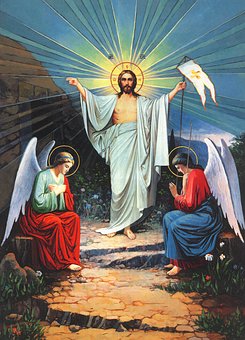
jesus resurected

ENGLISH: YOU HAVE SLEPT LIKE MILK

The source of the above proverb started from milk that was likened to a person who appeared as the heavy milk. This kind of milk is heavy because it is not easily poured out.

People tend to compare it in their conversations according to the way in which they see the life someone has. When they see someone who does his or her job not seriously, they can tell him/her of being like that heavy milk. That was how such proverb began. The proverb is said to someone who does not know what is going on in his/her place, while he/she is there at the scene. Such person is likened to the heavy milk because it also does not even know itself as being heavy.

The above proverb teaches people about having a positive attitude in their performance and understanding how to lead others on how to have sound moral behavior in families. A person should fight against carelessness in his or her society.

“And he said to them, “What is this conversation which you are holding with each other as you walk?” And they stood still, looking sad. Then one of them, named Cleopas, answered him, “Are you the only visitor to Jerusalem who does not know the things that have happened there in these days?”” (Luke 24: 17-18). “And he said to them, “O foolish men, and slow of heart to believe all that the prophets have spoken! Was it not necessary that the Christ should suffer these things and enter into his glory?” And beginning with Moses and all the prophets, he interpreted to them in all the scriptures the things concerning himself.” (Luke 24: 25-27).

137. NG’WANA ADABHIPAGA HA NG’WAWE

RESEARCH SPONSORED by: Don Sybertz, with special thanks to Rev Joe Healey (African Proverbs, Sayings and Stories)

Lusumo lwenulo lulilola munhu ohakaya imo, uyo alinihanga lyabhubhi. Abhanhu bhamunzengo gokwe bhagab’izaga b’adantogagwa, kulwa nguno ya lihanga lwakwe, ilyab’ub’i linilo, umunhu ng’wunuyo.

Aliyo gashinaga, abhanhu abhahakaya yakwe, abhahang’wawe bhantogilwe duhu, iki aling’wana obho. Abhoi bhandeb’ile nu mkajile kakwe, nguno umunhu adulile gub’iza alinihanga lyab’ub’i, aliyo inhungwa jakwe jilijawiza.

Ukubhanhu, ulusumo lwenuno, lulidulanga gub’iza na nhungwa jawiza umukajile kise, umuwelelo munumu. Inhungwa jinijo hija kub’iza na bhutogwa ukubhanhu, nguno pye ise dulibhana bha Ng’waMulungu uyoodusumba.

Hangi, ulusumo lunulo lulilanga bhanhu gunshokela Mulungu bho gulumbwa ishibhi, ulubhab’inzaga amalagilo gakwe.

Luka 15:11-32

Isaya 49:15.

Mathayo 7:11.

KISWAHILI: MTOTO HAWI MBAYA NYUMBANI KWAKE

Methali hii inaangalia mtu wa kwenye familia moja ambaye ana sura mbaya. Watu wa kijijini mwake huwa hawampendi mtu huyo, kwa sababu ya sura hiyo mbaya.

Lakini kumbe wale wa kwenye familia yake, yaani, wa nyumbani mwake, wampenda tu kwa vile ni mtoto wao. Wao wamfahamu kwa mwenendo wake, kwa sababu mtu aweza kuwa na sura mbaya, lakini tabia yake ni njema.

Kwa watu, methali hiyo hutufundisha kuwa na tabia njema katika mwenendo wetu humu ulimunguni. Tabia hiyo njema, ina upendo kwa watu, kwa sababu sisi sote ni watoto wa Mungu aliyetuumba.

Methali hiyo pia, hufundisha watu kumrudia Mungu kwa njia ya kutubu dhambi, baada ya kuvunja amri zake.

Mfano Wa Mwana Mpotevu             

 Yesu akaendelea kusema: “Kulikuwa na mtu mmoja aliyekuwa na wana wawili. Yule mdogo akamwambia baba yake, ‘Baba, nipe urithi wangu.’ Hivyo akawagawia wanawe mali yake.

‘‘Baada ya muda mfupi, yule mdogo akakusanya vitu vyote alivyokwa navyo, akaenda nchi ya mbali na huko akaitapanya mali yake kwa maisha ya anasa. Baada ya kutumia kila kitu alichokuwa nacho, kukawa na njaa kali katika nchi ile yote, naye akawa hana cho chote. Kwa hiyo akaenda akaajiriwa na mwenyeji mmoja wa nchi ile ambaye alimpeleka shambani kwake kulisha nguruwe. Akatamani kujishibisha kwa maganda waliyokula wale nguruwe, wala hakuna mtu aliyempa cho chote.  ‘‘Lakini alipozingatia moyoni mwake, akasema, ‘Ni watumishi wangapi walioajiriwa na baba yangu ambao wana chakula cha kuwatosha na kusaza, bali mimi hapa nakufa kwa njaa! Nitaondoka na kurudi kwa baba yangu na kumwambia, ‘Baba, nimetenda dhambi mbele za Mungu na mbele yako. Sistahili tena kuitwa mwanao, nifanye kama mmoja wa watumishi wako.’

Basi akaondoka, akaenda kwa baba yake.   “Lakini alipokuwa bado yuko mbali, baba yake akamwona, moyo wake ukajawa na huruma. Akamkimbilia mwanawe, akamkumbatia na kumbusu. “Yule mtoto akamwambia baba yake, ‘Baba, nimekosa mbele za Mungu na mbele yako. Sistahili kuitwa mwanao tena.’  “Lakini baba yake akawaambia watumishi, ‘Leteni upesi joho lililo bora sana, mkamvike pete kidoleni mwake na viatu miguuni mwake. Leteni ndama aliyenona, mkamchinje ili tuwe na karamu, tule na kufurahi. Kwa maana huyu mwanangu alikuwa amekufa na sasa yu hai tena, alikuwa amepotea na sasa amepatikana!’ Nao wakaanza kufanya tafrija. “Wakati huo, yule mwana mkubwa alikuwa shambani. Alipokaribia nyumbani, akasikia sauti ya nyimbo na watu wakicheza. Akamwita mmoja wa watumishi na kumwuliza, ‘Kuna nini?’ Akamwambia, ‘Mdogo wako amekuja, naye baba yako amemchinja ndama aliyenona kwa sababu mwanawe amerudi nyumbani akiwa salama na mzima.’  Yule mwana mkubwa akakasirika, akakataa kuingia ndani. Basi baba yake akatoka nje na kumbembeleza.

Lakini yeye akamjibu baba yake, ‘Tazama! Miaka yote hii nimekutumikia na hata siku moja sijaacha kutii amri zako, lakini hujanipa hata mwana mbuzi ili nifurahi na rafiki zangu. Lakini huyu mwanao ambaye ametapanya mali yako kwa makahaba aliporudi nyumbani, wewe umemchinjia ndama aliyenona!’  “Baba yake akamjibu, “‘Mwanangu, umekuwa nami sikuzote na vyote nilivyo navyo ni vyako. Lakini ilitubidi tufurahi na kushangilia kwa sababu huyu mdogo wako alikuwa amekufa na sasa yu hai, alikuwa amepotea naye amepatikana.’” ” (Luka 15:11-32).

 ““Je, mama aweza kumsahau mtoto aliyeko matitini mwake akinyonya?  Wala asiwe na huruma juu ya mtoto aliyemzaa? Ingawa anaweza kusahau, Mimi sitakusahau wewe!” (Isaya 49:15).

“Ikiwa ninyi basi mlio waovu mnajua jinsi ya kuwapa watoto wenu vitu vizuri, si zaidi sana Baba yenu aliye mbinguni atawapa vitu vizuri wale wamwombao?” (Mathayo 7:11).

baby-

ENGLISH: THE CHILD IS NOT BEING BAD AT HIS/HER HOME

The above proverb looks at someone in one family who has a bad shape. People who look at his/her appearance in that village, normally do not like such person, because of that bad shape. But those who live in his/her family, that is, people of his/her household, just love him/her because he/she is their baby or family member. They know him/her in his/her behavior. One may have a bad shape, but his/her behavior is good.

The above proverb teaches people on how to have a good character in their behavior that enables them to behave well in the world. Such good character, contains true love for other people in societies, because we all are children of God who made us.

In addition to that, such proverb also teaches people to turn to God by repenting their sins after going against his commandments.

Parable of the Prodigal Son:

“And he said, “There was a man who had two sons; and the younger of them said to his father, ‘Father, give me the share of property that falls to me.’ And he divided his living between them. Not many days later, the younger son gathered all he had and took his journey into a far country, and there he squandered his property in loose living. And when he had spent everything, a great famine arose in that country, and he began to be in want. So he went and joined himself to one of the citizens of that country, who sent him into his fields to feed swine. And he would gladly have fed on the pods that the swine ate; and no one gave him anything. But when he came to himself he said, ‘How many of my father’s hired servants have bread enough and to spare, but I perish here with hunger! I will arise and go to my father, and I will say to him, “Father, I have sinned against heaven and before you; I am no longer worthy to be called your son; treat me as one of your hired servants.”‘ And he arose and came to his father. But while he was yet at a distance, his father saw him and had compassion, and ran and embraced him and kissed him. And the son said to him, ‘Father, I have sinned against heaven and before you; I am no longer worthy to be called your son.’ But the father said to his servants, ‘Bring quickly the best robe, and put it on him; and put a ring on his hand, and shoes on his feet; and bring the fatted calf and kill it, and let us eat and make merry; for this my son was dead, and is alive again; he was lost, and is found.’ And they began to make merry.

“Now his elder son was in the field; and as he came and drew near to the house, he heard music and dancing. And he called one of the servants and asked what this meant. And he said to him, ‘Your brother has come, and your father has killed the fatted calf, because he has received him safe and sound.’ But he was angry and refused to go in. His father came out and entreated him, but he answered his father, ‘Lo, these many years I have served you, and I never disobeyed your command; yet you never gave me a kid, that I might make merry with my friends. But when this son of yours came, who has devoured your living with harlots, you killed for him the fatted calf!’ And he said to him, ‘Son, you are always with me, and all that is mine is yours. It was fitting to make merry and be glad, for this your brother was dead, and is alive; he was lost, and is found'” (Luke 15:11-32).

“Can a woman forget her sucking child, that she should have no compassion on the son of her womb? Even these may forget, yet I will not forget you. “(Isaiah 49:15).

 “If you then, who are evil, know how to give good gifts to your children, how much more will your Father who is in heaven give good things to those who ask him!” (Matthew 7:11).

136. UGWICHUBHULA MAGULU

Research sponsored by: Don Sybertz, with special thanks to Rev Joe Healey (African Proverbs, Sayings and Stories)

Mbuki ya lusumo lwenunu ilolile magulu, ayo gagatumamaga milimo ya guziminza gwinga halebhe mpaga halebhe. Umunhu hung’wene uyo agasiminzaga bho gugatumila amagulu genayo. Ulu usiminza bho witegeleja gagubhila mhola. Aliyo, ulu uluusiminza bho nduhu witegeleja, amagulu gakwe gagulabhuka.

Ulusumo lwenulo lugalinganijiyagwa na Munhu uyo agubhejaga nimo, nulu agwitaga mhayo uyo gudulile gumwenhela nhabhala, nulu makoye ukushigu ijabhutongi, nulu ukushigu ijiliza.

Abhanhu abhangi abho bhalimhona igiki umo alitumamila unimo gunuyo, nulu umo alihayile umhayo gunuyo, adulile gupandika makoye ukugushigu ijakubhutongi, bhanghugulaga, bho gung’ila giki, “ugwichubhula magulu.” Igiko humo lugandija, ulusumo lwenulo umumahoya aga bhanhu.

Ulusumo lwenulo, lulilanga bhanhu higulya ya gwitegeleja tamu bhuli nimo haho bhatali ugugutumama. Ilichiza ugwitegeleja tamu haho munhu atali uguguyomba nulu ugugugwita umhayo gosegose.

Igelelilwe gwibhuja, nulu gwiganika tamu, haho munhu atali ugugwita umhayo gosegose. Ijina gwita cheniko, munhu adulile gupila ugwingila umumakoye, ayo adulile gugapandika kulwa gwita mihayo nulu milimo bho nduhu ugwitegeleja chiza.

Mithali 29:3.

Waefeso 2:1-3.

Luka 15:13-19.

KISWAHILI: UTAJICHUBUA MIGUU

Chanzo cha methali hii, huangalia miguu ambayo hufanya kazi ya kutembea kutoka sehemu moja hadi nyingine. Mwanadamu ndiye ambaye hutembea kwa kutumia miguu hiyo. Akitembea kwa umakini itakuwa salama. Lakini akitembea bila kuwa na umakini, miguu yake itaumia.

Methali hiyo, hulinganishwa na mtu ambaye hufanya kazi fulani, au mtu ambaye asema neno fulani ambalo laweza kumletea matatizo kwenye siku za usoni, au siku zijazo.

Watu wengine ambao humuona mtu huyo jinsi afanyavyo kazi yake, au jinsi asemavyo maneno yake, na kutambua kuwa, ataweza kupata matatizo, humuonya kwa kumwambia hivi, “Utajichubua miguu.” Hivyo, ndivyo methali hiyo ilivyoanza kutumika katika maongezi ya watu.

Methali hiyo, hufundisha watu juu ya kuwa na umakini kwa kufikiria vizuri kwanza, kabla ya kufanya jambo fulani, au neno fulani. Ni vizuri kuwa makini kwa kufikiria vizuri kabla ya kufanya kazi yoyote au kusema neno lolote.

Inatakiwa kujiuliza au kufikiria kwamza, kabla mtu hajafanya jambo fulani, au kabla hajasema neno lolote. Kwa kufanya hivyo, mwanadamu, ataweza kuepuka kuingia kwenye matatizo ambayo angeweza kuyapata kwa sababu ya kufanya jambo fulani, au kusema neno fulani, kabla ya kulifikiria vizuri kwanza.

“Mtu apendaye hekima huleta furaha kwa baba yake, bali aambatanaye na malaya hutapanya mali yake.

Kwa haki mfalme huipa nchi uthabiti, bali mfalme aliye na tamaa ya rushwa huiangamiza.

Ye yote amsifuye jirani yake isivyostahili, anautandaza wavu kuitega miguu yake.” (Mithali 29:3-5).

“Kwa habari zenu, mlikuwa wafu katika makosa na dhambi zenu, ambazo mlizitenda mlipofuatisha namna ya ulimwengu huu na za yule mtawala wa ufalme wa anga, yule roho atendaye kazi ndani ya wale wasiotii. Sisi sote pia tuliishi katikati yao hapo zamani, tukifuata tamaa za mwili na mawazo yake. Nasi kwa asili tulikuwa wana wa ghadhabu, kama mtu mwingine ye yote.” (Waefeso 2:1-3).

“Yesu alipomwekea mikono Yake, mara akasimama wima akaanza kumtukuza Mungu. Lakini mkuu wa sinagogi, akakasirika kwa sababu Yesu alikuwa ameponya mtu siku ya Sabato. Kwa hiyo mkuu wa sinagogi akaendelea kuuambia ule umati wa watu, “Kuna siku sita ambazo watu wanapaswa kufanya kazi, katika siku hizo, njoni mponywe, lakini si kuja kuponywa siku ya Sabato.” Lakini Bwana akamjibu, “Enyi wanafiki! Je, kila mmoja wenu hamfungulii ng’ombe wake au punda wake kutoka zizini akampeleka kumnywesha maji siku ya Sabato? Je, huyu mwanamke, ambaye ni binti wa Abrahamu, aliyeteswa na Shetani akiwa amemfunga kwa miaka yote hii kumi na minane, hakustahili kufunguliwa kutoka katika kifungo hicho siku ya Sabato?” Aliposema haya, wapinzani Wake wakaaibika, lakini watu wakafurahi kwa ajili ya mambo ya ajabu aliyoyafanya.

Kisha Yesu akauliza, “Ufalme wa Mungu unafanana na nini? Nitaufananisha na nini? Umefanana na punje ya haradali ambayo ni ndogo sana, ambayo mtu aliichukua na kuipanda katika shamba lake. Nayo ikakua, ikawa mti na ndege wa angani wakatengeneza viota vyao kwenye matawi yake.”” (Luka 15:13-19).

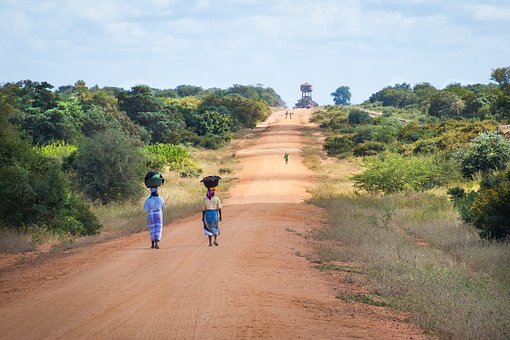
african-women-walking-along-road

ENGLISH: YOU WILL HURT YOUR FEET

The source of this proverb looks at the feet that move around from one place to another. A person is the one who walks through his or her feet. Walking carefully will be safe. But while he or she was walking without being careful, his or her feet were injured. This proverb is likened to a person who performs a certain task or someone who says something that might cause problems in the future.

Some people who see the person doing his or her job, or how he or she says his or her words, and realize that he or she will get problems, warns him or her by saying, “You will hurt your feet.” That was how the proverb started to be used in conversation.

Such a proverb teaches people to be careful in doing saying or doing something. They should first think carefully before doing or saying something. It is good to be careful by thinking well before doing any work or saying any word. One must ask himself or herself or think about the matter before doing or saying it. By so doing a human being will be able to avoid getting into trouble that he or she could get into because of doing something, or saying something, before having first thought carefully about it first.

Proverbs 29: 3.

Ephesians 2: 1-3.

Luke 15 13-19.

135. UYO AGULIMAGA NG’WILAGO AGUMANYIKILA KULYOCHI

Research sponsored by: Don Sybertz, with special thanks to Rev Joe Healey (African Proverbs, Sayings and Stories)

Mbuki ya lusumo lwenulu lulilola bhalimi abho bhadahaile igiki, ungunda gobho gumanyike ukubhanhu. Giko lulu, bhagalimaga bho gwibhisabhisa, kugiki abhanhu abhangi bhakije ugudebha uko bhagalimilaga. Bhagiitaga imilimo yabho bho mbisila.

Aliyo ululyushiga ilikanza lya gufega na gupemba amasaga, ilyochi ligulolelwa duhu na bhanhu. Ahenaho igubhiza giki, imbisila yabho, abhanhu bhenabho, yamanyikaga ukubhanhu abho bhalibhadahaile igiki bhadebhe uko bhagalimilaga imigunda yabho.

Hukwene guhaya giki, uyo agulimaga ng’wilago agumanyikila kulyochi. Ichiniko humo ulusumo lwenulo lugandija uguhayiwa na bhanhu. Huna giko umo lugigelela lulu ulusumo lwenulo.

Ulusumo lwenulo, lugalenganijiwagwa na munhu uyo atogilwe gubhisa mhayo uyo gudadulile ugubhiswa ikanza ilihu, ulu gugigela gugukumuka na gubhitilija noi, kunguno, bhanhu bhingi bhagugudebha.

Lulilanga kubhanhu kuleka gwita iyabhubhi, kunguno uyo agwitaga yabhubhi, agumanyika duhu, ulugalashige amakanza ga guidebha abhanhu imihayo yiniyo. Idichiza ugwita nimo bho mbisila uyo gudadulile gubhiswa kubhanhu.

Mathayo 28:11-15.

Marko 4:22-23.

KISWAHILI: YULE ALIMAYE KWENYE BONDE ATAJULIKANA PALE MOSHI UTAKAPOJITOKEZA

Chanzo cha methali hii huwaangalia wakulima ambao hawataki kwamba, shamba lao lijulikane kwa watu. Hivyo basi, watu hao huwa wanalima kwa kujifichaficha ili watu wengine, wasijue, kule walimiyapo. Hufanya hivyo kwa siri. Hufanya kazi zao kwa kujicha.

Lakini ukifika wakati wa kufyeka na kuchoma vichaka moto, moshi utawawezesha watu kuona utakapoanza kutoka. Hapo itakuwa hivi, siri yao watu hao imejulikana kwa watu ambao, wao hawakutaka wafahamu kule wanakolimia mashamba yao.

Ndiyo kusema kwamba, ‘Yule alimaye kwenye bonde atajulikana pale moshi utakapojitokeza. Hivyo basi ndivyo methali hiyo ilivyoanza kusemwa na watu. Hivyo ndivyo methali hiyo ilivyopatikana, na kuanza kutumiwa na watu mbali mbali.

Methali hii, hulinganishwa na watu ambao hupenda kufika neno ambalo haliwezi kufichwa kwa muda mrefu. Litakapojulikana litaenea mpaka kupitiliza sana, kwa sababu, watu wengi watalifahamu.

Methali hii, hufundisha watu kuacha kufanya mabaya, kwa sababu afanyaye mabaya, atajulikana tu, utakapofika wakati wa watu kuyafahamu maneno hayo. Siyo vizuri kufanya kazi kwa siri, ambayo huwezi kuwaficha watu kwa muda mrefu.

“Wakati wale wanawake wakiwa njiani wakienda, baadhi ya wale askari waliokuwa   wakilinda kaburi walienda mjini na kuwaeleza viongozi wa makuhani kila kitu kilichokuwa kimetukia. Baada ya viongozi wa makuhani kukutana na wazee na kutunga hila, waliwapa wale askari kiasi kikubwa cha fedha wakiwaambia, “Inawapasa mseme, ‘Wanafunzi Wake walikuja wakati wa usiku na kumwiba sisi tulipokuwa tumelala.’ Kama habari hizi zikimfikia mtawala, sisi tutamwondolea mashaka nanyi hamtapata tatizo lo lote. Kwa hiyo wale askari wakazipokea hizo fedha nao wakafanya kama walivyoelekezwa.  Habari hii imeenea miongoni mwa Wayahudi mpaka leo.” (Mathayo 28:11-15).

“Kwa kuwa hakuna kilichofichika ambacho hakitafunuliwa, wala hakuna jambo lo lote la siri ambalo halitaletwa nuruni. Mwenye masikio ya kusikia na asikie.”” (Marko 4:22-23).

ENGLISH: HE WHO CULTIVATES IN THE VALLEY IS IDENTIFIED BY SMOKE

The source of this proverb looks at farmers who do not want their field to be known to other people. So, these farmers hide in secret so that other people would not know it. They do their job secretly though in vain. When the time of preparing their field which is done by burning hot shrubs, the smoke will enable other people to see them as well as their fields. In the meantime, their secrets will become known to people whom they did not want to know where they are farming their fields. That is, ‘The farmer in the valley will be known when the smoke is coming.” So that is exactly what the proverb was saying to people. That is how the proverb was found and started to be used by different people. This proverb is likened to people who like to hide something that cannot be hidden for a long time. When it is known, it is going to be spread widely, because many people will know it. This proverb teaches people to stop doing evil because the wrongdoer sooner or later will be known by other people.  It is also not good to work secretly, a work that one cannot hide for a long time.

“While those women were on their way, some of the guards who were guarding the tomb went to the city and told the priests of all the things that had happened. After the priests met the elders and made a trick, they gave the soldiers a large sum of money saying, “It should be said, ‘His disciples came at night and stole us while we were asleep.'” If these news come to the ruler, we will remove him from doubt and you will never get any problem. So the soldiers received the money and did as they were instructed. This news has spread among the Jews until now.” (Matthew 28: 11-15).

“Since there is nothing hidden that will not be revealed, neither is there any secret that will not be brought to light. He that hath ears to hear, let him hear. “(Mark 4: 22-23).

african farming