stories

33. Namhala na Bhana bhakwe Bhabhili (Mzee na wanaye wawili)

Collected by: Don Sybertz, Scanned by: Cephas Yao Agbemenu

With special thanks to Rev Joe Healey (African proverbs,Sayings and stories)

Namhala umo uyo wali ha ng’wakwe gihamo na bhana bhabhili bhose bhatolile na bhangi bhadobhado. Igingila nzala nhale gete musi yene.

Lushiku lumo namhala ung’wila nke, natule ng’ombe jose nachale kunada, ulunupandika hela nagagule shiliwa jingi gete. Nkima wakwe ung’wila, “Alugutula abhayanda?” Namhala ulema “Naguchala nu nene duhu.”

Huna utula jose ugajijinja, naguja si ja kule adashogile kaya mpaga miaka itandatu, go mpungati nzala yingila nhale gete. Nang’hwe ubhiza na makoye wiza kung’wakwe.

Nawandya guchobha gashokele. Ubhuka wegela na wibhuja nite kinehe ing’wane iganisumbile? Iki nagabhingija ng`ombe jose ha nzala ihaha bhapona giko.

Uliga mu malale, usoleleja mitumba mingi gete na mapembe ga ng’holo ugasombela makala na nang’hago chuma na ng’hinda. Aho wegela bhumona izile, ngikullu ubhawila bhana bhakwe nadizumona munhu ogusung’wana inadisumaga ilali.

Namhala aho oshiga adanyombije munhu ushiga hanyango witunda na gusimba ichongo usola ipembe ulifugila utimba na guhaya giki, “Uyo uhaya giki nagamala shikolo, nagujimila, hasi!
Ngikulu ogoha gucha ubhawila bhana nsung’wanagi unamhala wangu, miligo yakwe yuchalwa mkaya, nagwinhwa minzi ga goga.

Kiswahili: Mzee Na Watoto Wake Wawili

Mzee mmoja aliyekuwa na familia pamoja na watoto wake wawili ambao wote walikuwa wameoa na wengine walikuwa bado wadogo. Iliingia njaa kubwa kabisa katika nchi ile.girl-2980722__340
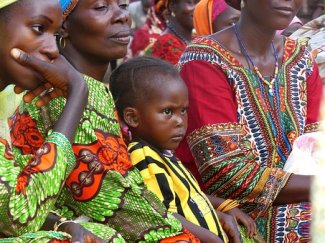
Siku moja mzee alimwambia mke wake, “niswage ng’ombe wote nipeleke mnadani, ili nikipata pesa nikanunue chakula kingi kabisa.” Mke wake alimwambia, “kwa nini wasiswage wavulana?” Mzee alikataa, “Nitapeleka mimi tu.”

Ndipo akaswaga ng’ombe wote, kwenda kuwauza na kwenda nchi za mbali. Hakurudi nyumbani mpaka miaka sita, ule wa saba njaa iliingia kubwa kabisa. Naye akawa na taabu akaamua kurudi nyumbani kwake.

Ndipo akaanza kutafuta namna ya kuweza kurudi. Akaanza safari akakaribia na kujiuliza, “nifanye nini ili familia yangu ikanipokee? Kwa vile niliwaondolea ng’ombe wote wakati wa njaa, na sasa wamepata vyakula vingi hivyo!!

Akapita mashambani, akaokoteza vibuyu vingi kabisa na mapembe ya kondoo akayawekea mikaa na mazindiko akiwa na vyuma na njuga. Alipokaribia wakamuona akiwa anakuja, mama aliwaambia watoto wake, “nisimuone mtu wa kumpokea ndipo tumekaa mbali naye moja kwa moja. Uhemeaji gani huo wa moja kwa moja!”

Mzee alipofika hakumsemesha mtu. Alifika mlangoni akachuchumaa na kuchimba shimo akachukua pembe akalifukia na kupiga kwa ngumi akisema hivi, “Yule atakayesema kwamba nilimaliza mali, nakupotea, chini!”

Mama akaogopa kufa akawaambia watoto wake, “mpokeeni mzee haraka.” Mizigo yake ikapelekwa ndani, na akapewa maji ya kuoga.
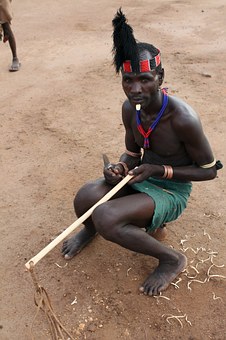
warrior-man

ENGLISH: THE OLD MANWITH HIS TWO CHILDREN

There was once one old man who had a family. He had two children who were both married.Other children were still young. There came a severe famine in the land.

One day,the old man told his wife, “Let me sell all my cows to give me some money to buy enough  food.” His wife said to him, “Why don’t we send the boys to to take the cows to the market?” The old man refused, “I will do that myself.”

Then he took all the cattle and went to sell them to a market. After selling them, he did not go backhome and went to a foreign country for six years. In the seventh year, famine came in. By that time, he had spent all the money. He got trouble and decided to go back home.

Then he started looking for a proper way to get back. He began the journey and approached and asked himself, “What can I do to make my family receive me? Since I took away all the cattle during the famine and left them in trouble, and now they have found so much food!

On his way,  he picked up plant stalks and the sheep’s horns and pastries with licks and gourds. As he approached, they saw him coming.The mother told her children, “I should not see anyone going to receive him.We must stay away from him. How can a person disappear for that long in the name of looking for food?”

When the old man arrived, he did not say a word to a person. He came to the door and dug a hole and took the horn and place it in the hole  with a fist and said, “Should anyone say that I finished the money, he will disappear through this hole!”

Being afraid, the mother was told her children, “Welcome the old man straight away.” His luggage was taken in, and he was given a bath.

32. Gunda na Ng’wana Dulye

Collected by: Don Sybertz, Scanned by: Cephas Yao Agbemenu

With special thanks to Rev Joe Healey (African proverbs, Sayings and stories)

Waliho mbehi umo lina lyakwe Gunda. Walina nke ng’wana Dulye, bhali bhatali kubyala. Mhindi bhazugaga bhugali bhalya lya lya, ngosha wang’wila nke, “Ng’wana Dulye tulekage lulu takindaga tukulya na ntondo.”

Aliyo ulu bhalala wabhuka ungosha wabhulya ubhugali washoka hangi kulala. Bhahayumisha dilu, Gunda wang’wila nke, “Ng’wana Dulye nalotaga bhugali wagalukaga wabhizaga iling’ho.” (ilongo).

Nkima nang’hwe uhaya giki, “Ukulagula Gunda.” (ukubhiza nfumu wa wakulota yubhiza chene, kiti bhalungu ntwe kulota ya kubhutongi).

Gunda akayita chene bhuli makanza kushika nose lushiku lumo bhujiku aho wabhuka kulya bhugali nkima nang’hwe usangwa ali miso, umona akulyaga bhugali, aliyo atanyombishije mhayo, kwike wikala alinago mu ng’holo.

Lushiku lungi bhujiku nkima nang’hwe ubhuka ulya bhugali. Gunda ali tulo wahayumisha Gunda uwilwa na nke, “Gunda nalotaga bhugali wagalukaga wabhizaga iling’ho.” Gunda lulu wandya kung’wila nke na bhusayi, “Mashiloti ga kwilondeleja na bhakima natagahayile, jaga ku ng’wing’we!”. Umpeja na kumpeja.

Kiswahili: Gunda Na Mtoto Wa Dulye

Alikuwepo jamaa mmoja jina lake Gunda. Alikuwa na mke wake jina lake Ng’wana Dulye (mtoto wa Dulye). Walikuwa hawajapata mtoto. Jioni walikuwa wakipika ugali na kula kidogo, mwanamume alimwambia mke wake, “Ng’wana Dulye tuache basi tumetosha tutakula na kesho.”

Lakini wanapolala mwanamume alikuwa akiamuka na kula ugali halafu anarudi kulala. Walipoamka asubuhi Gunda alimwambia mke wake, “Ng’wana Dulye nimeota ugali umegeuka na kuwa udongo.”

Mwanamke naye alisema kwamba, “Utatibu Gunda, maana yake, utakuwa mganga wa kuota na inakuwa hivyo, kama watu walioitwa walungu kichwa wa kuota matukio au mambo ya mbele.”

Gunda alikuwa akifanya hivyo wakati wote, mwishowe siku moja usiku alipoamka kwenda kula ugali, mwanamke alikuwa macho, alimuona akiwa anakula ugali, lakini hakumsemesha neno, bali akawa nalo moyoni mwake.

Siku nyingine mwanamke naye, aliamka akala ugali. Gunda alikuwa usingizini, alipoamka Gunda aliambiwa na mke wake, “Gunda nimeota ugali umegeuka na kuwa udongo.” Gunda alianza kumwambia mke wake kwa ukali, “Ndoto za kufuatiliziana na wanawake sizipendi, nenda nyumbani kwenu!” Akamfukuza.

african-couple

ENGLISH: GUNDA AND DULYE’S DAUGHTER

There was a person named Gunda. He had awife, Ng’wana Dulye (the daughterof Dulye). They were not blessed with a child. In the evening,when they were cooking and eating, the man said to his wife, “Ng’wana Dulye let us leave so that we can also eat tomorrow.”

But when they slept the man could get up secretly and eat a meal and then he could go back to bed. When they got up the following morning, Gunda told his wife, “Ng’wana Dulye I dreamed that the ugali we left yesterday has turned into mud.”

Then the woman said, “Gunda you will be a triditional healer as whatever you dream comes  to be true; you are just like people called walungu  who dream about future events.”

Gunda continued with that habit for a time. Finally,one night when he got up and went for ugali as had been the habit, his wife was awake, she saw him eating the meal, but she did not say a word, but she kept it in her heart.

As a response, one night,the woman woke up and ate the food. Gunda was fast asleep.When he got up, Gunda was told by his wife, “Gunda I have dreamed that our ugali has been turned into mud.” Gunda began to tell his wife sharply, “I do not like sharing a dream with a woman. Go back to your parents’ home!”

31. Ngumba Nagache atina Ngunani-methali

Collected by: Don Sybertz,   Scanned by: Cephas Yao Agbemenu

With special thanks to Rev Joe Healey (African proverbs,Sayings and stories)

Lusumo lwenulu lulitumanilwa ulu bhabyaji bhakambilijiwagwa na ng’wana wabho mu makoye gabho. Bhadulile kuhaya giki, “Ngumba nakache.”

Ng`wana ulu atabyalilwe, tutina ngunani mu makoye gise. Gashinaga gubyala kulina solobho. Uyo atabyalaga atina solobho. Ulu wacha Ima nalyo lyacha.

Liliho lyimbo lya bhasukuma. “Kubyala mayu kubyala jawiza, nenhele mmzi ng`wana wane, ilinilumbi, kubyala jawiza, ilinilumbi. Ha mashula ga witoji bhatali bhimba lyimbo lyenilo mpaga lelo.

Ulu wacha ulma bhana bhagatulaga iwe (ishigo) ha shigila shizukija sha kwizukila bhana na bhizukulu. Ulu ngumba na akwiza ho ufupa nulu kugabha shizukijo, bhatizujimilwa ho bhaduguye, kujugabha ho nulu kwitongeleja ngumba wa kitinde ngumba ng`wikanza lya kujikwa bhakatulaga ikala lyumile umolushindo.

Hukuhaya giki bhugumba bhushile umuludugu. Na hangi luli lumeng`ho lo giki aje na bhugumba wakwe, bhutizubhadima bhangi umu ludugu lwabho.

Kiswahili: Tasa Na Akafe Hana Wa Kumsaidia- methali

Methali hii hutumika kama wazazi wanasaidiwa na mtoto wao katika taabu zao. Wanaweza kusema kwamba “Tasa na akafe.”

Huwa hatuna msaidizi kwenye matatizo yetu kama mtoto hakuzaliwa. Kumbe kuzaa kuna faida. Yule ambaye hazai hana faida. Kama akifa, watu husema, “sijui mwenyewe amekufa.”

Kuna wimbo wa kisukuma usemao, “Kuzaa mama kuzaa ni kuzuri, niletee maji mtoto wangu, inashukrani, kuzaa ni kuzuri, inashukrani.” Hata siku hizi, kwenye sherehe za kuoana bado wanaimba hivyo.

Kama mtu alikuwa na watoto akifa huwa wanaweka jiwe kwenye kaburi ambalo ni ukumbusho wa watoto wao na wajukuu. Kama ni tasa atakuja pale kutekeleza kadiri ya mila alivyofundishwa, yaani kuweka kumbukumbu, wasije wakapotea pale ndugu zake. Hali hiyo huitwa kugawa pale namna ya kuongozana, tasa kitinde, tasa wakati wa kuzikwa, huwekewa kaa lililokauka matakoni, (walivyoamini wao hapo zamani, kwa sasa wengi wameicha imani hiyo).

Ndiyo kusema kwamba, utasa uishe kwenye undugu. Pia, ni alama ya kwamba, “aende na utasa wake, usiwashike wengine tena kwenye undugu wake.

mother-2262750__340

ENGLISH: LET THE BARREN DIE WITH NO ONE TO HELP

This proverb is used as a sign of appreciation when parents are assisted by their children in misery. They can say “Let the barren die” to show how blessed they are to have had children.

We normally have no helper in problems if we do not have children. So, childbearing is beneficial. The one who does not have children does not get the benefits. When he dies, people will say, “It is up to him, he is dead.”

Along that proverb, there is a Sukuma song saying, “To give birth to a mother is a good thing, fetch me some water my baby.What a benefit!To give birth is good, it is worth it.” Even today, at the wedding ceremony they still sing it.

If someone had children, when he/she dies, they would put a stone on a grave which is a reminder of their children and grandchildren. If one is barren, he/she will come there to make sacrificial prayers according to the traditions he was taught. So the stone is put to keep the memory for relatives.  If someone who did not have children he/she dies, a charcoal is inserted in his/her asshole. The condition is called splitting, interlinking ties, tightening at the burial.

That is done as way of getting rid of infertility in the family. It is alo a sign that implies, “let one go with his/her barrenness, it should not touch others among his/her relatives.”

30. Lugano: Sayayi na Nzabibu

Collected by: Don Sybertz,   Scanned by: Cephas Yao Agbith special thanks to Rev Joe Healey (African proverbs,Sayings and stories)

Sayayi akabhona nzabibu gwa wiza gulandilile ha ndugu, guli na matwajo ga wiza no, ugikindikila ulebhaho. Ugikindikila hangi na nguzu, aliyo walatudula kuyidima.

Bhuli lwikindiko lwakwe lose walebhaho ha wikindiki wa mbele bhado. Mizabibu yali isundelile ha ndugu, yali ya wiza hangi I hile. Aliyo sayayi uduma kuyipandika. Aho wamana gete gete atujipandika uhaya giki, natajitogilwe nijo mbisi.”

Kiswahili: Hadithi: Sungura Na Mzabibu

Sungura aliona mzabibu mzuri umetaambaa kwenye ukuta, una mazao mazuri mno, alirukia akapelea kuzifikia. Aliruka tena kwa nguvu zaidi, lakini hakuweza kuzifikia.

Kila rukio lake alipelea kufika pale alipofikia mwanzoni. Mizabibu ilikuwa imeegemea kwenye ukuta, ilikuwa mizuri mno na tena ilikuwa imeiva. Lakini sungura alishindwa kuifikia. Alipofahamu kweli kwamba hatazifikia alisema, “sizipendi hizi mpichi.”

ENGLISH: STORY: RABBIT AND THE VINEYARD

The rabbit saw a good vine spreading on the wall, having a very good crop.  It jumped on it but without reaching them. It flew again with more force, but he could not reach them.rabbit-542554__340

Each one of its jumping could not reach the previous destination when such rabbit arrived at the beginning. The vines had leaned on the wall, they were very good and they were again ripe. But the rabbit failed to reach them. When it realized the truth that it would not reach them, it said, “I do not like these unripen ones.

29. Nkima Ngokolo

Collected by: Don Sybertz,   Scanned by: Cephas Yao Agbemenu

With special thanks to Rev Joe Healey (African proverbs,Sayings and stories)

Kale waliho nkima umo akatolwa halikaya lina lyakwe witanagwa, ngolo. Aho wigashagasha kakanza, bhamayu bhamuchalo bhuyubhuja kinahe ung’winga ng’wenuyo atatumamaga bhuli? Angu asatile bhusatu ki? Alinilonda ha kugulu. Ngosha nang’hwe agakumya, ali bhuli nkima uyo nantolile ilonda lyakwe litapilaga?

Ulu bhanhu bhinga hakaya wayinja ngoso wazuga walya. Wamanita cheniko shiku ningi nose ngosha uhaya nanoje ilonda lyakwe nang’ogeje, ung’wila lelo nalikogeja ilonda lyako, kunu nkima alilema, yaya kunogeja nguno isatu no.

Ngosha uhaya nakugogeja duhu nulu wa nguzu, bhuli wanikwa lupembe lwa mhuli nayi? Nkima uding’wa na guzu ogejiwe ilonda. Ngosha aho wanzuja ng’wenda ukumya yee, gashinaga iti ilonda igoso duhu.

Nkima uyu natola ngokolo, gete atina milimo. Nkima wakwitungila ngoso ha kugulu, nanshoshe ku ng`wawe. Aho washika, uhaya, nang’wenhela ng´wana wing’we gashinaga ngokolo kumilimo. Yubhi kaya yucha na gucha.

Kiswahili: Mwanamke Mvivu

Hapo zamani mwanamke mmoja aliolewa kwenye familia moja, jina lake, aliitwa Ngolo. Alipokaa mda,   wa mama wa kijijini hapo wakaanza kuuliza, “vipi mkaa mwana huyo hafanyi kazi?” Eti anaumwa ugonjwa gani? Anadonda ndugu.” Mwanaume naye alishangaa, “Kwa nini mwanamke yule niliyemuoa haponi donda lake?”

Kama watu wakiondoka nyumbani alikuwa akiiondoa panya aliyoiweka nguuni, anapika na kula. Alikuwa akifanya hivyo kwa siku nyingi, mwishowe, mwanaume akasema, “nimwangalizie kidonda chake, nimuoshee, akwamwambia, “Leo nakuoshea kidonda chako.” Yule mwanamke alikataa, “Hapana, kunioshea kwa sababu linauma mno.”

Mwanamume alisema, “Nakuogesha tu hata kwa nguvu.” Mwanamke akauliza, “Kwa nini, kwani umenilipia mahari Pembo ya ndovu?” Mwanamke akashikwa kwa nguvu akasafishiwa kidonda.  Mwanaume alipomtolea nguo alishangaa, “Yee kumbe siyo kidonda ni panya tu.”

“Mwanamke huyu niliyeoa ni mvivu, hana kazi kabisa. Mwanamke wa kujifungia panya mguuni! nimrudishe nyumbani kwao.” Alipofika, alisema, “Nimemleta mwana wenu, kumbe ni mvivu kazini.” Ikawa mji umevunjika wakaachana.

ENGLISH: A LAZY WOMAN

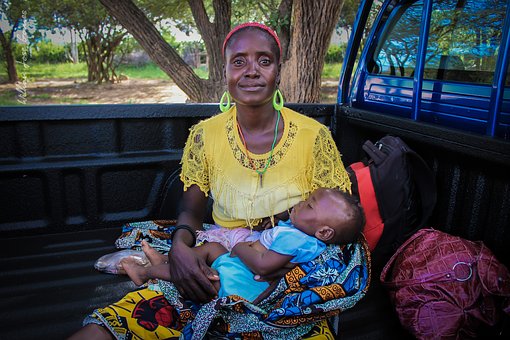
In long time ago, a woman was married to one family, her name was Ngolo. As time went on, the village mother began to ask, “How daughter in law is, does she not work?” What illness does she suffer? She has concer. “The man was amazed,”Why does the wound of that woman whom I married not get cured?”black-woman-in-a-yellow

As the people left home she picked up the rat which she put in. She cooked and ate. She was doing so for many days, and finally, the man said, “let me check for her wound, wash it for her.” He told her, ‘Today I am squeezing your wound.'” The woman refused, “No, to squeeze me because it is so painful.”

The man said, “I am just getting tired of it.”The woman asked, “Why did you pay for me horny of an Elephant dowry?” The woman was stunned and was sore wounded. When a man took away her piece of clothes he was surprised, “Yee or not a wound is just a rat.”

“This woman whom I married is so lazy, she does not really work. A woman wrapped a rat on the leg! Let me take her back home.” When he arrived, he said,”I brought your daughter, she is lazy at work.” Then the marriage was broken down and they separated.