Songs

46. Sayayi, Mbiti Na Mhuli

Collected by: Don Sybertz, Scanned by: Cephas Yao Agbemenu

With special thanks to Rev Joe Healey (African proverbs,Sayings and stories)

Waliho ngosha umo wali na ngunda jigijigi gwa wiza no. Aho ng’waka gwingila wandya gugulima, ubhibhamo bhusiga, mandege, shili na masindi, shose shuponeka, no no no na masindi.

Kuhayimanila shilonga shilili shayugalya masindi, ung’wenekili ngunda wandya kulinda. Bhahayimanila jadula Mhuli jubhandanija kubhalya abha na masindi niyo umbehi wita iyanga gete. Ugugaswagamo umu ngunda gung’ogohya umbehi unyenyeka ajile ku kaya. Ushika ubhitila guja kulinsumba ng’wiye Sayayi, ng’wana Kang’wa. Unsombolela iliyanga lyakwe lyenilo.rabbit

Sayayi uhaya giki, “Agaya, wa mayu gashinaga bhana Mhuli duhu, bhana Mhuli duhu, bhobha no kufilimbi lulu tubhasange!” Huna bhitonja bhajile kungunda mu ng’wa noni. Aho bhashikako, bhusanga Mhuli jitimo jajaga, aliyo abha na masindi lwiyugaga kibhi.

Huna ng’wana Kang’wa wilalangijamo isindi itale gete, lyubhejiwa nomo gwa kudula kwingilamo uSayayi. Ng’wana Kang’wa wisokela ng’wisindi ulibhilamo gete nifilimbi yakwe mu nhingo, ung’wila unsumba ng’wiye giki,”lugalagaho lulu aha nyango gwane.” Huna ulibhucha ilisindi ulitula uko bhagizilaga. Ubhebhe usegenele ukalinhe mu linti wilolele ulu bhalize.”

Umbehi wita gitumo walagililwa. Kuhayimanila, bhana Mhuli bhadula uyo walatongelile ulishikila ilisindi ulishona uliponeja mu nomo ulimila.

Aho bhakwilika milomo umo ngunda, filimbi yukana, bhana Mhuli bhimila pye. Filimbi yuhalala hangi, bhana Mhuli bhunyula nhambo bhalolile muli dakama bhukimila. Filimbi yung’ang’ala, Mhuli hangi jusimila jilolile ng’weli, bhukimila. Filimbi hangi yangilija “Felefele” Mhuli jusimila hangi jilollile muli bhukelebhe. Jukimila jandya kwibhuja bhuja jiwila giki. “Aliyo, muli kiya, aho jakimila jandya kwibhuja hangi filimbi ili lilila mu bhise?”

Kuhayimanila munda ya ng’wichabho “Felefele” Mhuli jandya kwiwila twite kinehe lulu?” Ilitale lyabho lyita lubhanza lyuhaya, “Tundimagi tumulage!” Huna uding’wa ubhulagwa na miye.

Huna bhutandula umunda bhulolwa mo, ubhonwa mo ng’wana Kangwa wabhulyaga miso. Ubhujiwa, “Alu bhebhe nang’ho kinehe?” Sayayi ushosha, “Unene nalung’wambilija nsumba ng’wichane kulinda Mhuli jilimala masindi gakwe.” Mhuli juhaya, “Ubhebhe lulu, ung’wambilija wako wa wiza lulu igiko iki nose umo mu bhise wamulaja?

Niyo igete tukubhulage nang’ho.” Ng’wana Kang’wa udaya alihaya giki, “Nu nene nazunyaga ukubhulagwa, nahene mutizunipandagila numho nakugayaho naka nyenye, lunganyelephant3agi lugoye lulihu gete lwa kulemlelwa na kwibhona.” Mhuli juzunya.
Jandya kuchenula malugoye miselya, mitinje, milumbaga, mihoja mitulwa ngoye lyulungwa lilugoye limo. Ng’wana kang’wa uludima ulugoye alihaya giki, “Naje nalo ulugoye, ning’we ukunung’wa ludimilaga. Ulu lukakalika nakulija filimbi yane, ning’we mukwandya lulu kuluduta wangu wangu ukubhanga naka kunu nachaga kale kale.

Ng’wana Kang’wa bhumanhya na muna Mbiti. Muna Mbiti aliyungula unung’hya na kunung’hilija kunu na kunu. Sayayi umuja, “Kinehe muna Mbiti, ulichobha ki?” “Ndichobha nyama nishoshe isho nalabhone.” Ng’wana Kang’wa ushosha, “Nyama wajipandikaga lulu, jiti ja kumala.

Ubhebhe lulu nagugukunga ili lugoye lyenili, huna likukuchala mpaga aho nyama jili.” Huna muna Mbiti utungwa lugoye ha kugulu gwa ku numa, huna filimbi yulila, jandya lulu kuduta lugoye, muna Mbiti wandya kuhaya, “Wa mayu, nite kinehe lulu? Yuuu!” ilidutwa duhu, ilibhitiwa mu masanzu na mu malambo sagala sagala, nose ushikaho Mhuli jili.

Mhuli julola, jubhona Mbiti aho lugoye. Alu ng’wana kangwa atiho!! Mhuli jumuja muna Mbiti giki, “Alu bhebhe nang’ho? Unene naluchobha nyama. Huna ng’wana Kang’wa unikunga lugoye, angu lukunenha ku nyama.

Mhuli jumuja, bhebhe muna Mbiti uli ng’waka gete u kunyama. Bhugatu. Huna Mbiti usonelwa mimba gwa mhuli, uwilwa giki, “lyaga lulu mpaga ugumale,” muna Mbiti wandya kulya. Wahayimanila ing’humbi yalema, aliyo aliwilwa lyaga duhu. Nose muna Mbiti utanduka lwahi ucha.

KISWAHILI: SUNGURA, FISI, NA TEMBO

Alikuwepo mwanamume mmoja alikuwa na shamba kubwa na zuri mno. Ulipoingia mwaka akaanza kulilima, aliivisha humo mtama, mahindi, Kunde, na (matikiti pori) mamung’unya “masindi” vyote viliiva vizuri, mamung’unya (matikiti pori) yalipatikana zaidi kuliko mazao mengine.

Kushitukia wameingia wadudu wakaanza kuyala mamung’unya, mwenye shamba akaanza kulinda. Alishitukia wanatokea Tembo wakaanza kuyala mamung’unya,  Bwana wa hilo shamba alipata mahangaiko makubwa kweli.

Kuwafukuza watoke   shambani mwake aliwaogopa, akaamua kwenda nyumbani. Alifika na kupitiliza kwenda kwa rafiki yake Sungura, mwanakang’wa. Akamweleza tatizo lake hilo.

Sungura alisema, “Aaa, mtoto wa mama kumbe ni tembo tu, tembo tu, waoga mno wakisikia filimbi basi twende!” Ndipo wakaongozana kuelekea shambani  sehemu iitwayo, Mwanoni. Walipofika huko walikuta Tembo hawapo wameondoka, lakini mamung’unya (matikiti pori) yamekatwa vibaya.

Ndipo Sungura alitazama na kuona limung’unya kubwa kabisa, akatengeneza mdomo wa kutosha kuingia Sungura ndani yake. Sungura akaingia ndani ya mung’unya akapotelea humo na filimbi yake shingoni, akamwambia rafiki yake kwamba, “Funga basi kwenye mlango wangu.” Ndipo akalibeba limung’unya, na kwenda kuliweka kule wanakoingilia Tembo. Akamwambia, “Wewe uende mbali ukapande kwenye mti uangalie kama watakuja.”

Jamaa alifanya kama alivyoagizwa, Kushitukia, tembo wakaja aliyekuwa ametangulia aliliparamia lile mung’unya na kulitoa maganda yake kwa meno. Akalitupia kwenye mdomo akalimeza.

Walipokuwa wengi shambani wakiendelea kula, filimbi ikapulizwa, tembo wote wakasimama. Filimbi ikapulizwa tena, tembo wakakimbia mbio wakielekea upande wa kusini wakaenda kusimama.

Filimbi ikapulizwa tena, tembo tena wakakimbia kuelekea magharibi, wakaenda kusimama. Filimbi ikapulizwa tena, “Felefele” Tembo wakatimua mbio kuelekea Ukelewe. Wakasimama na kuanza kuulizana wakielezana kwamba, kuna filimbi inapulizwa. “Lakini mashariki, waliposimama wakaanza kuulizana filimbi inapulizwa kwetu.”

Kushitukia ndani ya tumbo la mwenzao “Felefele” tembo wakaanza kuambiana “tufanye nini basi”? Mkubwa wao akafanya kikao akasema, “Tumshike tumuue!” Ndipo akashikwa akauliwa na wenzie.

Ndipo wakachana tumboni wakaangalia humo na kumuona Mwana Kang’wa ametoa macho. Akaulizwa, “Na wewe nawe vipi?” Sungura alijibu, “Mimi nilikuwa namsaidia rafiki yangu kulinda Tembo wanaomaliza mamung’unya yake.  Tembo wakasema, “Wewe basi msaidizi wako ni mzuri hivi mwishowe amesababisha mmoja wetu tumemuua?”

“Hivyo kweli tukuue nawe.” Mwana Kang’wa alisema hivi, “Na mimi nimekubali kuuliwa, hivyo msinikanyage nisije nikosekana hata kipande kidogo. Fungeni kamba ndefu kabisa ya kushindwa hata kuonana.” Tembo walikubali.

Wakaanza kuaandaa kamba kutoka kwenye miti, miselya, mitinje, milumbaga, mihoja, mitulwa kamba ikafungwa moja. Mwana Kang’wa akaishika hiyo kamba akisema hivi, “Niende nayo kamba, nanyi huku nyuma mkiwa mmeishikilia. Kama ikifikia mwisho nitapiga filimbi yangu, nanyi mtaanza basi kuivuta haraka haraka kwa hali hiyo nitakuwa nimekufa zamani.

Mwana Kang’wa wakakutana na Fisi. Fisi alikuwa akizunguka akinusa huko na huko. Sungura akauliza. “Vipi Fisi, unatafuta nini?” “Natafuta nyama chochote kile nitakachoona. Mwana Kang’wa akarudisha. “Nyama umezipata basi. Siyo za kumaliza na kumaliza, siyo za kumaliza.

Wewe basi nitakufunga kamba hii, ndiyo itakupeleka kule ambako nyama ipo.” Ndipo fisi akafungwa kamba mguuni, ule wa nyuma. Filimbi ikapulizwa, wakaanza basi kuvuta kamba.

 Fisi akaanza kusema, “Nifanye nini basi wa mama”? Yuuu!” inavutwa tu. Inapitishwa kwenye miti ya miba vichaka mbalimbali, kwenye madimbwi hovyo hovyo, mwishowe akafika pale ambapo Tembo wapo.

Tembo waliangalia, na kuona fisi kwenye kamba. Lakini Mwana Kan’gwa hayupo!! Tembo walimuuliza fisi kwamba, “Na wewe nawe?” “Mimi nilikuwa natafuta nyama. Mwana Kang’wa akanifunga kamba eti itanileta kwenye nyama.”

Tembo wakamuuliza, “wewe fisi ni mlafi kabisa kwenye nyama? Sawa. Ndiyo fisi akaoneshwa mzoga wa tembo, akaambiwa hivi, “ule mpaka uumalize.” Fisi akaanza kula. Alishitukia tumbo limekataa, lakini anaambiwa “ule tu.” Mwishowe Fisi alipasuka kwa ulafi akafa.
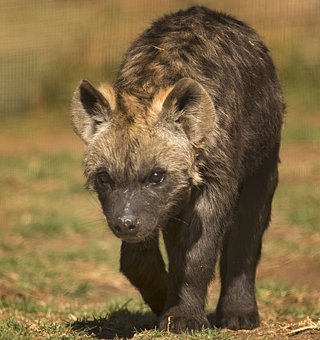
spotted-hyena-2798926__340


THE HARE, HYENA AND THE ELEPHANTS

There was a man who had a big and beautiful farm. At the beginning of the year, he began to cultivate it. He planted it with millet, maize, beans, and wild watermelons.   The farm was well-watered, wild water melons were more plentiful than other crops.

The insects invaded the crops and began to eat the wild watermelons. The owner began to protect the crops. Suddenly, elephants came in numbers and began to eat the watermelons.As the elephants continued eating, the farmer got more concerned.

He could not drive them out of his field as he was afraid of them, and so he decided to go home. He then went to see friend Hare for advice. He told Hare the problem.

Hare wondered, “Ah, son of the mother, only the elephants! Only the elephants! The elephants are cowards. Once they hear the whistle, they run away.  Let us go!” Then the two walked towards the field called, Mwanoni. When they got there, they found elephants to have gone, but the wild watermelons had been badly cut.

Then Hare looked around and picked the giant wild watermelon, made a hole to for Hare to enter through it. The Hare went into the watermelon with his whistle around his neck, and said to his friend,” Close the door”, he said.”You go away and climb the tree and see if they are coming.”

The farmer did as he was instructed, and it happened that the elephants came to the field. The first elephant came and grabbed the giant watermelon with tnot knowing that Hare was in it. He threw it into the mouth and swallowed it.

While many other elephants continued eating the watermelons, the whistle blew. All the elephants stood up. When the whistle blew again, the elephants fled to the south and then stopped for a while.

The whistle blew again, and the elephants fled to the west, and then stopped again. The whistle blew again, “Felefele.” Then elephants ran towards Ukelewe. They stopped and began to ask each other that there was a whistle blowing. They the realized that the whilstle was coming from the stomach of one of the elephants.  “Felefele”, it blew.  The elephants started discussing, “What should we do then?” Finally they reached a consensus and said, “Let’s get him killed!” Then the elephant from whose stomach the whistle was blowing was caught and killed by his colleagues.

They cut his stomach and looked into it and found the Son of Kang’wa (ng’wana kang’wa).  They asked him, “And you, how are you?” The Hare replied, “I was helping my friend to protect against the elephants who were finishing his wild watermelons. The elephants said, “You, your assistance is so good.  But it  has caused one of us to die”

 “So, we shall also kill you.” Ng’wana kang’wa said, “I am ready to be killed. But don’t stamp on me pieces. Instead, make a long string which will make us not able to see each other.” The elephants agreed with his request.

The elephants started to make a string from different trees including miselya, mitinje, cassava, and the rope was tied. Son of Kang’wa held the string, saying, “Let me take the rope, and you remain here. When I get to the end, I will blow my whistle, and you will begin to pull the rope quickly by then I will be dead.”

Kang’wa’s son met the Hyena. Hyena was wandering around. Hare asked “How do do Hyena. What are you looking for?” “I am looking for whatever meat I can see.”, he replied. Then son of Kang’wa said, “You have got the meat you are looking for. It is so plentiful that you cannot finish it.”.

You will then tie this string around you. It is the one which will take you to the place where the meat is.” And the hyena was tied from the foot to the back. The whistle blew. Then the elephants started to pull the string.

 Hyena said, “What should I do, poor me son of my mother?  Yuuu! You are Just pulled. You pulled in around various trees and in the ponds.”  In the end, Hyena reached where it the meat was located.

Elephants looked, and saw the hyena in the string. But Ng’wana Kang’wa is not there!!” The elephants asked him, “And you?” “I was looking for meat. Ng’wana Kang’wa tied the string to bring me to where the meat is.”, he said.

The elephants asked him, “Are you hysterical to meat? Okay.” “Yes”, Hyena said.  Then Hyena was shown the carcass of the elephant. He was ordered, “Eat until you finish it.” Hyena started eating. He then realized that his stomach was full but he was told “Keep eating.” Finally, Hyena burst his stomach and died.
45. Ntwe Lwande

Collected by: Don Sybertz, Scanned by: Cephas Yao Agbemenu

With special thanks to Rev Joe Healey (African proverbs,Sayings and stories)

Ntwe (Kichwa) wali na bhazunaye bhabhili. Aliyo bhazunaye bhali bhatantogagwa nkulu wabho, angu ali mi, ihanga lyakwe. (wapi atabhelaga) aliyo kichwa wabhakubhijaga uko bhajile gwa gwa gwa. Nose bhakayuntoloka ulu bhabhuka kujuyela.

Aliyo uko bhashikaga bhunsanga aliho. Aliyo bhali bhantolokaga, bhujinjimala. Ikabhiza giko shiku ningi. Lushiku lumo bhakabhuka kujulunja bhaniki.

Aliyo bhakagubhisa gete mhayo gwenuyo azitumana Kichwa. Bhakabhuka bhuja mpaka kushika kubhaniki. Aliyo aho bhalitengelwa masumbi, bhumona Kichwa mukaya, ukubhugeni wabho. Bhakakumya no. Aliyo kumpeja bhakaduma bhigasha nang’hwe duhu.

Ikanza lyenilo kaya yubheja shiliwa sha bhageni. Shitadilile shupya, shiliwa jutengwa. Aho bhamala kukalabha, Kichwa umanija giki ung’wikubhi bhaditilijiwagwa bhulogo (bugota) Kichwa ulibhucha ibhakuli lya nyama, ukaliponya hanze.

Ulishosha ulikundikija kitumo yali. Bhazunaye bhandya kunugumbhila bhaliwila. Mbehi ng’wenuyu wita bhuli likubhi, tulile ki lulu. Bhakigasha duhu kuhoya, na jiseme jabho. Nose bhamukaya bhiza kusunda shiseme shinjiwa.

Kiswahili: Kichwa Upande

Kichwa alikuwa na wadogo zake wawili. Lakini wadogo zake walikuwa hawampendi kaka yao. Eti alikuwa mbaya sura yake. Lakini naye Kichwa aliwafuata kule walikokwenda kila wakati.

Mwisho walianza kumtoroka pindi wanapokwenda kutembea. Popote walipokwenda walimkuta yupo. Lakini walikuwa wamemtoroka. Ikawa hivi kwa siku nyingi.

Siku moja walikwenda kuwachumbia wasichana. Kabla ya kwenda huko wale wawili walimficha kabisa Kichwa. Ajabu, walipofika nyumbani kwa wasichana, mara wakamwona Kichwa naye yuko ndani pale.

Walibaki kushangaa tu, na hawakuweza kumfukuza. Chakula cha wageni kiliandaliwa na wenyeji wao. Walikaribishwa kukila. Kabla ya kula Kichwa aligundua kuwa kitoweo kiliwekewa sumu.

Akalibeba lile bakuli na kwenda nalo nje, akamwaga nyama yote. Akarudi akiwa na bakuli tupu. Wadogo zake wakaanza kumnung’unikia,  “Jamaa huyu amemwaga nyama yote nje, sasa tutakulaje bila  kitoweo?” Basi wakawa wamekaa tu wakizungumza bila kula. Mwisho wenye nyumba wakafika kuondoa vile vyombo.

people-one

black-white


ENGLISH: THE SIDE-HEADED

The Side Headed had two younger brothers. But his younger brothers did not love him. They claimed that their brother had a badly shaped head. Despite that, the the Side Headed followed them wherever they went.

Finally, they started to avoid him when they were walking. Surprisingly, wherever they went, they found him. They wondered how that happened because they had escaped him. This happened for many days.

One day, they went to a distant place to to ask for girls’ hand in marriage. Before they went, the two had kept it completely secret to themselves. They did not tell the Side Headed. Surprisingly, when they got to the girls’ home, they immediately saw the Side Headed who was also there.

They were surprised and they wondered how he managed to know. They could not avoid him. Then the visitors’ food was prepared by their hosts. They were invited to eat. Before they started eating, the Sided Headed found that the stew had been poisoned.

He carried the bowl and went out with it. He poured all the stew. He returned with an empty bowl. Unknowing what had happened, his younger brothers started whispering toeach other, “This fellow has taken all the stew out, now how will we eat without stew?” They just stared at each other, talking without eating. Finally, the hosts came to remove the containers.

44. Ng’wina Na Sanza Ng’wina

Collected by: Don Sybertz, Scanned by: Cephas Yao Agbemenu

With special thanks to Rev Joe Healey (African proverbs,Sayings and stories)

Ng’wina ikabyalaga magi haho na nyanza, mu luseni hihi na lutende (masaka ga mu nyanza, maswa ga mu nyanza) yukafukila maseni na kugabhundalila (giti ngoko).

Ulu magi gutanduka (gugomiwa) bhiza bhana bhikala ha ngongo gwa ng’waninabho. Ninabho lulu wandya lugendo lwa kuja mu nyanza.

Abhana abhatadimile chiza ha ngongo gwa ng’waninabho bhakagwilaga mu nyanza, nabho bhakabhizaga sanza ng’wina, bhatashikile ha bhujibha hagatigati ya Nyanza, iti ng’wina ng’hana aliyo Sanza ng’wina, nusu Ng’wina.

Sanza ng’wina bhatakulaga umo ng’wina bhakakulilaga abho bhushika ha bhujiba bhatali bhadimile ha ngongo gwa ng’waninabho bhakabhizaga ng’wina gete.

Kiswahili: Mamba Na Nusu Mamba

Mamba hutaga mayai karibu na bahari, kwenye mchanga karibu na matete (vichaka vya baharini, mwenye majani ya baharini). Huwa anayafukia kwenye mchanga na kuyaatamia (kama kuku).

Mayai yakipasuka watoto hutoka na kukaa kwenye mgongo wa mama yao. Basi, mama yao huanza mwendo wa kwenda baharini.

Watoto wale ambao hawatashikilia vizuri mgongoni mwa mama yao huanguka mwenye bahari. Huwa wanakuwa nusu mamba ‘Sanza Ng’wina’, ndio kusema kuwa, hao hawajafika katikati ya bahari. Hao sio mamba kweli, maana yake, hao ni nusu mamba.

Nusu Mamba huwa hawakui kama mamba wanavyokuwa, kwa sababu hawakufika katikati wakiwa wameshika mgongo wa mama yao. Watoto wale wanaofika katikati ya bahari wakiwa wameshika kwenye mgongo wa mama yao, hao ndio, huwa mamba wa kweli.

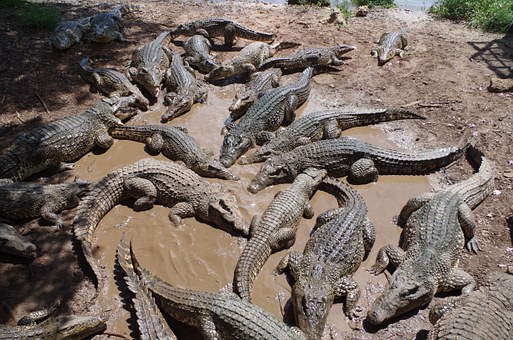
crocodiles

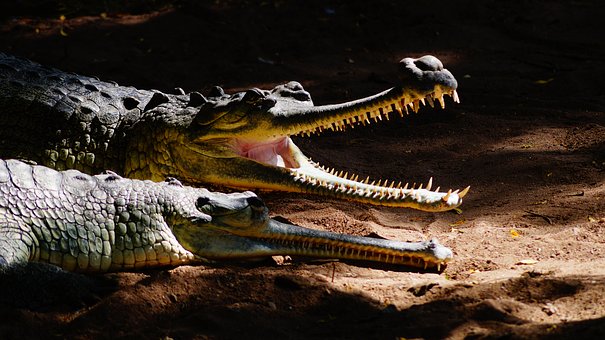
reptiles

ENGLISH: CROCODILES AND HALF CROCODILES

A crocodile lays eggs near the lake, in sand near to the reeds (oceanweed, seaweed). It covers them with sand and incubates on them (like chicken).

When eggs hatch, the young crocodiles come out and sit on their mother’s back. Then their mother sets out the journey to the lake.

The young ones which do not hold on to the back of their mother falls off the lake. Those ones become referred to as half crocodiles ‘Sanza Ng’wina’, that is, they have not reached the middle of the lake. They are not true crocodiles, meaning, they are half crocodiles.

Half crocodiles do not grow as true crocodiles do, because they did not reach the middle of the lake while on their mother’s back. Those young crocodiles which reach the middle of the ocean holding their mother’s backs are the true crocodiles.

43. Wabudulilwa Ngabhuji

Collected by: Don Sybertz, Scanned by: Cephas Yao Agbemenu

With special thanks to Rev Joe Healey (African proverbs,Sayings and stories)

1. Bhudugu bhukabhulagwa na nyama ya kudaswa. Bhalilya nyama kihamo namhala adugije kundasa, kung’ongeja nyama. Kwidasa nimo gwa bhose, nulu nyama adugije kundasa ngw’iye lulilumeng’ho lwa kwitogwa.

2. Ng’ombe yucha ha bhuzenganwa, bhitambulila, tubhinhe bhazenganwa nyama bhakazuge bhalye. Hukudaswa, lumeng’ho lwa kwitogwa, kutuma bhaha kaya bhabhatwalile bhazenganwa nyama.

Bhadugu bhaha kaya iyo yadasagwa, bhigwa giki bhadasagwa aliyo bhalema kubhinha bhalihaya giki tadasagwa kado itigelile bhise duhu tutudula kung’winha.

Bhinga ho bhasayaga, bhudugu ki wakutugopa nyama, lyacha na libhudugu. Bhudugu bhukabhulagwa na nyama ya kudaswa.

• Kuganganikwa kwinhwa nyama ningi.
• Kujimva kwinhwa nyama ndo ngabhuji njimbani.

Kiswahili: Umeoneshwa Matako Na Mgawaji

  1. Uhusiano wa damu huvunjwa na nyama ya kuongezewa. Hali kama hiyo ilitokea wakati wa kula. Mzee na wazee wenzake waliweza kuongeza nyama kwa moja kwao na kuwagawia wengine. Kugawana nyama ni kazi ya wote, mtu anaweza kuongeza nyama nyingine. Kitendo hicho huchukuliwa kama ishara ya upendo.
  2. Kama ng’ombe akichinjwa kwenye familia fulani watu wa pale waliambiana, “Hebu tuwapelekee majirani zetu kwa ajili ya kupika na kula.” Kuongeza nyama kwa mtu mwingine, ni ishara ya upendo, “hebu tutume watu kutoka nyumbani kwetu wawapelekee nyama majirani.

Ndugu wa familia ambayo nyama imeongezwa walifurahi kama nyama hiyo ilikuwa kubwa sana kwao kuigawana. Lakini kama nyama hiyo iliyoongezwa kwao ilikuwa kidogo, walikataa kuhudhuria mwaliko mwingine wa kutoka kwenye familia hiyo. Hali kama hiyo imesababisha kufunjika kwa uhusiano wa hao ndugu.

Wale ambao walifikiria kuwa hawakutendewa vyema kwenye jambo hilo, waliamua kuacha kuitembelea familia hiyo, wakisema, “Ni undugu wa aina gani huo wa kupunjana. Undugu huo umevunjwa na nyama ndogo iliyoongezwa kwao.”

Kulazimishwa kupewa nyama nyingi.

Kugawiwa nyama ndogo – mgawaji ni mchoyo.

Kwa hiyo, kuoneshwa matako na mgawaji, maana yake ni kupewa nyama kidogo na mgawaji.


people eating food

ENGLISH: YOU HAVE BEEN SHOWN BUTTOCKS BY A MEAT DISTRIBUTOR

  1. Blood relations are broken by meat given by someone else. Such a situation usually occurs during eating. An elder and his fellow elders could share meat with one another by distributing pieces of meat to themselves. Sharing meat is the responsibility of all. Sharing meat was considered to be a sign of love.

2. Whenever a cow was slaughtered in the neighborhood, the people said to one another, “Let us give the meat to our neighbors so that they may cook and eat.” Giving meat to one another, is a sign of love, “Let us send people from our home to take meat to the neighbors.”

The relatives of the family to which meat has been given felt happy if such meat was big enough for them to share. However, if the meat given to them was little, the benefactors promised never to attend other invitations from the family that had given a small quantity of meat. Such a situation led to the disintegration of the relationship of relatives.

Those who considered they had been mistreated  left that place angrily saying, “What kind of relatives are they we have cut it off. The comradeship is broken by the little meat given to them.

     Being forced to be given a lot of meat.

     To be deprived of small meat, the supplier is a stingy.

Therefore, having been given the buttocks by the distributor means, having been given little meat by the distributor.

42. Lugiko Lo Ndimu Pye

Collected by: Don Sybertz, Scanned by: Cephas Yao Agbemenu

With special thanks to Rev Joe Healey (African proverbs,Sayings and stories)

Mu shiku ja kale lukabhiho lubhanza lwa ndimu. Hibhanza lyenilo bhana ndimu bhibhuja itabhelile tikale tusalang’hanile, ili chiza tupandike Ntemi tubhize bhumo.

Huna bhandya kwibhuja nani akubhiza ntemi wise? Umo wabho uhaya Ntemi wise akubhiza shimba. Kungunoki shimba akubhiza Ntemi? Nang’hwe ushosha, shimba hu ng’wenikili ikungu.

Ungi hangi uhaya giki ntale wise akubhiza muna mhela, kunguno ki? Iki alikifutumo sha bhukali.

Ungi uhaya Ntemi wise akubhiza mbogo, kunguno ki? Iki alinkali gete nu ntwe gwakwe ntale, nu mili gwakwe ntale, akapamaga mamiti gagwa.

Ungi uhaya gete Ntemi wise muna mhuli kunguno ki? Iki ng’wene atukilile pye nguzu nu mili. Basi bhizunilija halubhanza lwenulu.

Sayayi walatiho, aho bhasalang’hana, bhangi bhumang’hya na sayayi ubhabhuja giki, kinahe bhagosha ngaliko kulubhanza lwise? Taliko, ng’wantemya ntemi?

Bhuzunya, tatemya. Watema nani? Watema muna mhuli, aliyo walaliho wa magulu abhili? Magulu abhili walatiho, ahuu watemyaga aliyo mtatemije.

Shiku jitakwilile bhigwa muna mhuli wabhulagagwa na magulu abhili, ng’wana kang’wa uhaya namuwilaga watemyaga aliyo mtatemije. Kushika haha bhatina Ntemi, bhatemilwe na magulu abhili.

Bhana ndimu pye bhubhona magulu abhili aliyela ng’wipolu alina ngong’ho. Bhana ndimu bhuja kuli Ntemi wabho muna mhuli bhukang’wila, jaga ukamulage magulu abhili, ntondo dilu muna mhuli uja kuli magulu abhili kulwa bhugimu ung’wila, nene nali Ntemi nadugije kukubhulaga ng’hana, nang’hwe unshokeja gemaga, bhana ndimu pye bhalilolela nani akubhulagwa.

Aho mhuli yegela magulu abhili uyipiga isasi (munduji), bhana ndimu pye bhakabhona lyochi, bhana ndimu bhose bhogoha bhuhaya Ntemi wise magulu abhili.

Aho washika ku bhiye ubhawila natambaga mhuli. Aho kwigwa shilaka shitale Ntemi wabho ugwa hasi ucha na kucha.
Mw. 5:28

Kiswahili: Mkutano Wa Wanyama Pori Wote.

Siku za zamani kulikuwa na mkutano wa wanyama pori wote. Katika mkutano huo, wanyama pori waliulizana, haipendezi kukaa katika hali ya mgawanyiko hivi, ni vizuri tuwe na mfalme ili tuweze kuwa wamoja.

Ndipo wakaanza kuulizana, “Nani awe mfalme wetu?” Mmoja wao alisema, “Mfalme wetu awe, Simba.” Kwa sababu gani? Naye alijibu, “Simba ndiye mwenye nchi.”

Mwingine alisema, “mkubwa wetu awe, Falu.” Kwa sababu gani? Kwa sababu yeye ndiye mwenye hali ya Ukali.

Mwingine alisema, “Mfalme wetu awe Nyati.” Kwa sababu gani? Kwa sababu yeye ni mkali kabisa, na kichwa chake ni kikubwa, pia mwili wake ni mkubwa, husukuma miti mpaka ikaanguka.

Mwingine alisema, “Mfalme wetu awe Tembo, kwa sababu gani? Yeye katupita wote nguvu na mwili.” Basi wakakubaliana kwenye mkutano hivyo.

Sungura hakuwepo. Walipotawanyika, wengine walikutana na Sungura, akawauliza, “Vipi wanaume mmeafikianaje kwenye mkutano wetu? Mmemtawadha nani kuwa mfalme?”

Wakakubali, “tumetawadha.” “Ametawala nani?” “Ametawala  Tembo.” “Lakini wa miguu miwili alikuwepo?” “Miguu miwili hakuwepo.” Huyo mmetawadha, lakini hamkutawadha.

Hazikupita siku nyingi wakasikia Tembo ameuawa na wa miguu miwili. Mwanakang’wa (Sungura) alisema, “niliwaambia mmetawadha lakini hamkutawadha.” Mpaka sasa hawana mfalme, wametawaliwa na wa miguu miwili (miguu miwili).

Wanyama pori wote wakamuona miguu miwili akitembea porini na bunduki. Wanyama pori hao walienda kwa mfalme wao Tembo wakamwambia, “nenda ukamuue miguu miwili.” Kesho yake asubuhi Tembo alienda kwa wa miguu miwili, na kwa kutokuogopa kwake, akamwambia, “mimi ni mfalme naweza kukuua kweli.” Naye alimwambia, “jaribu.” Wanyama pori wote wakiwa wameangalia ili kuona nani atauawa.

Tembo alipokaribia, miguu miwili alimpiga risasi (bunduki), wanyama pori wote wakaona moshi. Wanyama pori wote wakaogopa, wakasema, “mfalme wetu ni miguu miwili.”

Alipofika kwa wenzie aliwaambia, “nimeua Tembo.” Aliposikia sauti kubwa, mfalme wao alianguka chini, akafa na kufa.

Genesis. 5:28.

English: The Meeting of all wild animals

wildlife

THE GATHERING OF ALL WILDLIFE ANIMALS

In the past, there was a gathering of all wild animals. At that meeting, wild animals asked each other, to live in harmony and not division. They said, “We should have a king so that we could be united.”

Then they began to ask each other, “Who shall we choose as our king?” One of them said, “Let our king be, the Lion.” Why?”, they asked.  He answered, “The Lion is the owner of the land.”

Another one said, “Let our king be the Rhino.” “Why?”, they asked. He replied, “Because he is fierce.”

Another animal said, “Let our king be the Buffalo.” “Why?”, others asked.  “Because he is a very fierce one, and his head is big, and his body is also big. It pushes down trees.”

Another animal proposed, “Let our king be Elephant.” As usual, others asked, “Why?” He answered, “He is the biggest of all of us.He has power and big body size.” They finally agreed that Elephant would be their king.

Hare did not attend the meeting. When the animals had dispersed, some of them met with the Hare on the way and he asked them, “Gentlemen coming from the meeting, whom have you made the king?”

They said, “We have made Elephant the king.” Then, he asked “Was the two legged animal there?” They replied, “The two legged animal was not there.”

A few days later, it was heard that Elephant had been killed by two legged animal. Then Hare said, “I told you that you were wrong for not making him king.” Since then, they have no king. They are ruled by two legged animal.

It was narrated that it was like this. All wild animals had seen the two legged animal walking in the field with a gun. The wild animals then went to their king Elephant and told him, “Go and kill the two legged animal.”  King Elephant confronted the two legged one.King Elephant then said, “I am the king. I can kill you.” the two legged animal   said, “Try and you will see” All the wild animals were watching to see who would be killed.

As Elephant approached, the two legged animal shot him.  All the wild animals witnessed the smoke produced during the firing exercise. All the wild animals were frightened and said, “Now our king will be the two legged animal.”

When the two legged animal came to his friends he told them, “I killed Elephant.” He continued, “When I fired, the animals were shocked by the loud voice. Elephant their king, fell to the ground, and died.”

Genesis. 5:28.