Collected by: Don Sybertz, Scanned by: Cephas Yao Agbemenu
With special thanks to Rev Joe Healey (African proverbs,Sayings and stories)
Namhala wali na bhana bhadatu. Namhala ng’wenuyo wali ni bhonde lya maguwa. Akayubhawila kujugalinda abhana bhakwe kunguno galiwagwa shinu. Usabho agabhawila giki, ulu bhalilinda bhiya ukulya amagua. Bhagita giko shiku ningi, nduhu ukulya amagua.
Lushiku na lushiku, ung’waniki uumo ubhihindanya abhiye ukabhinza wandya kulya. Aha wamala ukulya ugabhisa amafefa mumafa. Aha washoka, bhumuja abhiye wali waja he? Uyomba inakagalola amashinu uko magua ulu kadulyaga.
Ntondo yaho unamhala uja ukwibhonde lyakwe ukasanga amagua gabhinzile. Ubhabhuja abhalindi, “Nani walile amagua gane?” Bhalindi bhuyomba, “lmalulu” ubhawiia, “Yombagi ya ng’hana, nalihaya kusumba.” Aliyo bhatayombile uyo walile.
Namhala ushoka kaya, ukiza ni sumbi lya jisukuma lya nzule. Wiza ulitula ung’wibhonde, bhuyigasha umo umo ahi sumbi. Wandya kwimba, Nani wayilya mitumbi tumbi Nene nailile mitumbi tumbi. Ulu wamala ukwimba wabhuka.
Nu wakabhili, wigasha wandya ukwimba nigiko umu wimbilaga ung’wiye. Nu wa kadatu wigasha nang’hwe, aho wandya ukwimba, ili sumbi lyuyulibhila hasi, ulwalimalija ukwimba ulibhila hasi, ulibhila pye nilisumbi, lisi lilugala.
Namhala umana lulu uyo walyaga amagua gakwe. Ku mhindi abhaniki bhiyie abhabhili aha bhaja ikaya ukabhabhuja umayu wabho, “Ung’wiching’wi ali hali?” Nabho bhuyomba, “Ima lulu uko wajaga, twangayiwagwa.”
Aha gwashila ung’waka gwenuyo umujidiku unamhala ulima ngunda bihi nuko kwibhonde. Kuyubhita ka Jiji kajile ukwibhonde lyakwe. Kangisha, “Madilo bhabha” wazunya, “Madilo Jiji.” Bhigisha bhamala kang’wila giki, “Nabhite kunu nano” wakabhuja, “Ujile he? “Kuyomba, najile kunu duhu.” Kajiji kenako guja.
Gashi akanoni kenako gajaga kagadaha minzi, kandya kumumba ung`waniki aho walibhilila. Kagashada shiku idatu kagubhitaga. Nose unamhala ukabhuja, “Gwa ukubhitaga ukujaga heshi igete Jiji?” kuhaya, “Nagujaga kunu duhu.” Bhulekana, kukandya kumumba.
Aha kamala kuchimika loya logo aha ntwe gati ya bhulolo. Ng’waniki nsumba no. kajiji kung’wila ung`waniki ng`wenuyo “Nakutole lulu.” Ng’waniki uzunya. Kubhiza kansola kunchala kung’wago.
Aho kaganshisha ikaya kubokelwa na bhabyaji bhago. Bhigasha nu ng’waniki ng`wenuyo. Kikalile gakwe kagabhiza kawiza no. Kungulila myenda misoga, bhudodi wa mumagulu, jilatu jisoga.
Bhagigasha bhumala ng’waka kushila. Aha bhamala ng’waka ng’waniki ung’wila ungoshi Jiji, bhakagishe kung’wawe wa ng’waniki. Jiji uzunya bhuja ukujugisha ukubhukwiye.
Aha bhashika ukubhukwiye wa Jiji bhusumbilwa. Ngikulu utogwa no, ugumona ng’wana wakwe. Wina makanza malihu atumonaga. Aha bhigasha shiku ningi Jiji agankomiga unke bhashoke kaya.
Ng’waniki ulemejiwa nu Nina. Aho walemejiwa, nang’hwe ung’wila jiji giki, “Jaga duhu ubhebhe, nene natujaga.” Aha wawilwa giko Jiji wifukula uja, aha wakashika uko ng’wawe, ubhujiwa nu Nina, “Wakaneka he ung’winga wane? Jiji uyomba walemile atizaga ukunu.”
Aho wawilwa chene, ngikulu usatwa uhaya, “Jilaga imyenda yako ugantaje.” Ntondo diyu wipuna ujiji ajile, ukansanga unke alisha. Jiji wapelanaga ugagwa halugutu duhu wandya kwimba.
Mnangala yii! Mnangala,
Ninhe myenda yane mnangala,
Naje kaya yise mnangala
Ng’waniki ubhuka witunganya pye imyenda ifulushi lidi gete, umponegeja uyomba, “Gaya amamyenda gako.” Jiji ubhucha ilifulushi lya myenda uja akugwaga gwaga lyamunaga. Ntondo hangi unyamuka ujiji ugwa hangi aha lugutu wandya kwimba;
Mnangala yii! Munangala,
Ninhe bhudodi wane munangala.
Ng’waniki uyomba, “Mabhudodi duhu gayo.”
Jiji ubhucha bhudodi wakwe ajile kaya. Ntondo hangi ujiji ubhuka izile, ukashika naha akashigilaga wandya kwimba hangi;
Munangala yii! Munangala,
Ninhe loya lone munangala,
Naje kaya yise munangala.
Ngikulu wandya kumuja ng’wana wakwe giki, “Uloya hangi lulihe!” ng’waniki wihimangija wandya gusha duhu lulu bhufu. Jiji akishogela ukwimba hangi nduhu atinhagwa uloya lokwe. Jiji nose upelana gete wakalala Jiji ugankwala ung’waniki hagati ya ntwe. Jiji uludubula uloya lokwe. Ng’waniki usesaguka.
Kiswahili: Mnangala
Mzee alikuwa na watoto watatu. Mzee huyo pia alikuwa na shamba la miwa. Akawaambia watoto wake kwenda kulinda miwa iliyokuwa inaliwa na wadudu. Baba yao aliwaambia hivi, wakiwa wanalinda wasile miwa. Walifanya hivyo kwa muda wa siku nyingi, bila kula miwa.
Siku moja msichana mmoja aliwazunguka akaenda kuvunja miwa akaanza kula. Alipomaliza kula aliyafika maganda ya miwa kwenye majani. Aliporudi, walimuuliza wenzake “ulikuwa umeenda wapi?” Alisema, “nilienda kuyaangalia madudu kwenye miwa kama hayali.”
Kesho yake mzee alienda kwenye bustani yake akakuta miwa imevunjwa. Akawauliza walinzi, “Nani alikuja kuvunja miwa yangu.? Walinzi walisema, “Hatujui.” Akawaambia, “Semeni ya ukweli, nataka kutega dawa.” Lakini hawakusema yule aliyekula.
Mzee alirudi nyumbani, akaja na kiti cha kisukuma cha Nzule. Akaja akakiweka kwenye bustani, wakawa wanakaa mmoja mmoja kwenye kiti hicho. Akaanza kuimba, “Nani alikula pingili pingili Mimi nilikula pingili pingili.” Akimaliza kuimba anasimama.
Na wapili alikaa akaanza kuimba hivyo alivyoimba mwenzake. Na watatu alikaa naye, alipoanza kuimba kile kiti kikaanza kudidimia aridhini, alipomaliza kuimba alididimia ardhini, alididimia pamoja na kiti, ardhi ilijifunga.
Basi mzee akajua yule aliyekula miwa yake. Jioni walipoenda wale wasichana wenzake wawili nyumbani, mama yao akawauliza, “Mwenzenu yuko wapi?” Nao walisema, “Hatujui alikoenda, tumemkosa.”
Ulipoisha mwaka huo, mzee alilima shamba karibu na kwenye bustani yake. Kakawa kanapita ka Jiji (Jina la ndege) kanaenda kwenye bustani yake. Kanamsalimu, “Habari za jioni baba” anakubali, “Habari za jioni Jiji.” Wanamaliza kusalimiana, kanamwambia hivi, “Nipite huku kwenye unafuu” anauliza, “Unaenda wapi?’ Kanasema, “naenda huku tu.” Kajiji hako kakaenda.
Kumbe kandege hako kalikuwa kanaenda kumuumba msichana pale alipodidimia. Kalitumia siku chache kakiwa kanapita. Mwishowe mzee akauliza, “Kila siku unapita ukienda wapi kweli Jiji? Kakasema, “Naenda huku tu. Wakaachana, kakaenda kuanza kumuumba.
Kalipomaliza kuchomeka unyoya wa kenyewe kwenye utosi wa kichwa cha udongo. Msichana mzuri mno akatokea. Kajiji kalimwambia msichana huyo “nikuoe basi.” Msichana alikubali. Kakawa kamemuoa kakampeleka nyumbani kaliko.
Kalimfikisha nyumbani kakapokelewa na wazazi wa kenyewe. Wakakaa na yule msichana. Kuishi kwake kulikuwa kuzuri mno. Kakamnunulia nguo nzuri, ya mapambo na mabangili mazuri ya miguuni, na viatu vizuri.
Walikaa wakamaliza mwaka. Walipomaliza mwaka msichana alimwambia mumewe Jiji, wakawasalimie kwa wazazi wake msichana, Jiji alikubali, wakaenda kusalimia, kwa wakwe zake.
Walipofika kwa wakwe zake Jiji, walipokelewa. Mama mkwe alifurahi mno, kumuona mwanae. Alikuwa na muda mrefu bila kumuuona. Walipokaa siku nyingi Jiji alimwambia mke wake, warudi nyumbani.
Msichana alikatazwa na mama yake. Alikatazwa, naye akamwambia Jiji hivi, “Nenda tu wewe, mimi siendi.” Alipoambiwa hivyo, jiji alizila akaenda. Alipofika nyumbani kwao, aliulizwa na mama yake, “Umeenda kumuacha wapi mkamwana wangu” Jiji alisema, “Amekataa kurudi huku.”
Alipoambiwa hivyo, mama yake, aliumia akasema, “Fuata nguo zako ukamnyang’anye.” Kesho yake asubuhi, Jiji alijihimu akaenda, akamkuta mke wake anasaga. Jiji akiwa amekasilika alienda kuanguka zizini tu, akaanza kuimba.
Mnangala Yii! Mnangala,
Nipe nguo zangu Mnangala,
Nienda nyumbani kwetu Mnangala.
Msichana akasimama akazifunga nguo zote kwenye furushi kubwa kabisa, akamtupia akisema, “Haya manguo yako.” Jiji alibeba lile furushi la nguo akaenda huku akianguka anguka na furushi likiwa limemzidi. Kesho yake tena Jili alirudi akaanguka kwenye zizi akaanza kuimba:
Mnangala yii! Mnangala,
Nipe udodi wangu Mnangala.
Msichana akasema, “Mabudodi (bangili za shanga) tu hayo hapo.” Jiji akabeba budodi wake akaenda nyumbani. Kesho yake tena Jiji alianza safari akirudi, akafika pale anapofikia akaanza kuimba tena:
Mnangala yii! Mnangala,
Nipe unyoya wangu mnangala,
Niende nyumbani kwetu Mnangala.
Mama yake akaanza kuuliza mtoto wake hivi, “Unyoya tena uko wapi!” Msichana, akajifanya hasikii, akaanza kusaga unga tu. Jiji alirudia kuimba lakini hapana, hakupewa unyoya wake. Mwishowe Jiji alikasilika akaruka na kwenda kumkwaluza msichana utosini kwa kucha zake. Jiji aliung’oa unyoya wake kwa kucha zake. Msichana akasambaa.
ENGLISH: MNANGALA
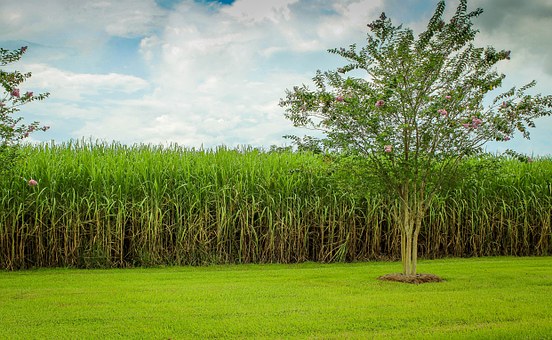
There was an old man who had three children. He also had a sugarcane farm. He told his children to guard the sugar cane that was being eaten by animals. Their father told them, to guard the farm. He told them not to eat sugarcane. For many days, they guarded the farm without eating sugarcane.
One day,one girl went to cut the sugarcane and began to eat. When she finished eating, she hid the pods of the sugarcane in the grass. When she joined others, her fellows asked her, “Where did you go?” She said, “I went to check if the animals were not eating sugar cane.”
The next day, the old man went to his garden and found sugarcanes which had been eaten. He asked the guards, “Who came to cut my sugarcane? The guards said, “We do not know.” He said to them, “Tell the truth, I want to put some potion.” But they did not say the one who had eaten the sugar cane.
The old man came home, and came with the Sukuma stool called Nzule. He came and put it in the garden.Then they were asked to sit on the stool, one after the other. He guided each of the children to sing, “Who ate parts of the sugar cane? I ate portions.” Whenever one finished singing, one had to stand. The first daughter sang the song and stood up.
And the second one began to sing as the first one did.Then the third one sat with on the stool.When she started to sing, the stool began to sink into the ground. By the time she finished singing, she fell to the ground, she sankwith the stool. Then, the earth closed.
So the old man knew who had eaten his sugarcane. When the evening came, the two girls came to their house, and their mother asked them, “Where is your fellow?” They said, “We do not know where she went.”
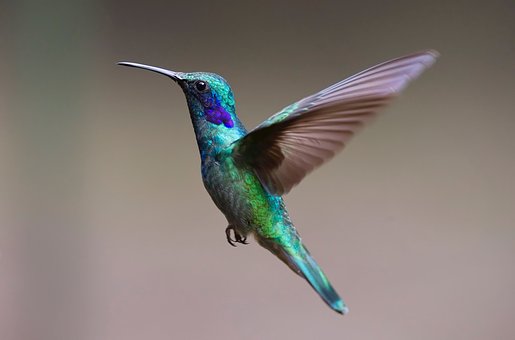
When that year ended, the old man planted a farm near his garden. The bird called Jiji started passing (the name of the bird) going to the garden. It greeted, “Good evening father.” The old man responded, “Good evening Jiji.” After they had greeted each other, Jiji said to him, “Let me go over here where it is easier.” He asked, “Where are you going?” Jiji answered ‘I am just going there.’ It went.
The bird was going to create a girl when she sank. It spent a few days passing. Finally the old man asked, “I see you passing every day, where do you really go, Jiji?” He said, “I just go there. When they left it started to reform her.
At the end, it put its fur on the surface centre of the head. A very beautiful girl came out. Jiji then asked the girl “Will you marry me?” The girl agreed. She got marriedto Jiji.
Jiji brought her to its home. Her husband bought her beautiful clothes, well-decorated and beautiful dresses, and good shoes.
They spent a year together. When they finished the year the girl told her husband Jiji, they should go to greet her parents. Jiji agreed. They went to greet his parents–in-law.
When they came to Jiji’sparents-in-law, they were cordially received. The mother-in-law was very happy to see her son-in-law. It had been a long time without her seeing him. After they had stayed for many days, Jiji told his wife that it was high time they went back home.
Unfortunately, the girl’s mother forbade her to go. After having been forbidden, she told Jiji, “You just go, I will not go.” When he was told this, Jiji lamented and went. When he got home, he was asked by his mother, “Where did you leave my daughter-in-law?” Jiji said, “She has refused to come back here.”
When he narrated that story, Jiji’smother was hurt. She said, “Go and take your clothes from her by force.” The next early morning, Jiji went to his wife’s home. He found his wife grinding. Jiji fell on cowshed, and started to sing.
Mnangala Yii! Mnangala,
Give me my clothes Mnangala,
Let me go to my home Mnangala.
The girl stood up and put all the clothes in a big suitcase, and threw them to him, saying, “These are your clothes.” Jiji carried that luggage of clothes and went home. He felt to be very overloaded. As a result, he was repeatedly falling and rising on his way. The next day Jiji returned and fell on the cowshed and started singing:
Mnangala yii! Mnangala,
Give me my docoration Mnangala.
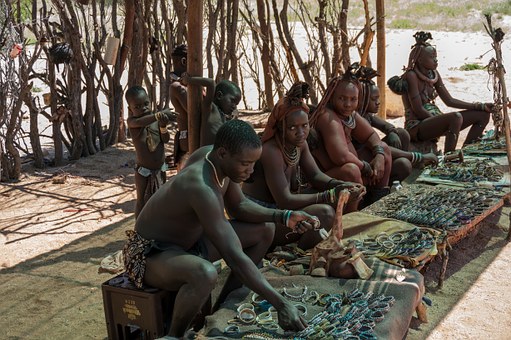
The girl said, “Only the jewels (bracelets of beads) those are there.” Jiji carried her beads and went home. The next day Jiji began his way back. He arrived there and againstartedt o sing:
Mnangala yii! Mnangala,
Give me my feather,
Let me go to our home Mnangala.
Her mother began to ask her child, “Where again is the feather?” The girl, pretending to be deaf, began to grind the meal. Jiji repeated to sing but now, it was not given its fur. At last Jiji, became furious and jumped and went to the girl’s head with its nails pulled its fur from her. Jiji pushed its fur with its nails. The girl disintegrated.
 Sukuma Legacy Project