heritage

1436. LINZWI LILINA MATAMBI.

Imbuki ya kahayile kenako ihoyelile linzwi ilo ligakulaga bho guja hasi mpaga lyabhiza na matambi agagulidimila ilinti ilitale ilo lilina matambi galyo. Ilinzwi linilo ligabhizaga na nguzu ja gudula gugudimila unti intale pye na matambi gago kunguno ya bhujamu bholyo. Hunagwene abhanhu bhagalitanaga giki, “linzwi lilina matambi.”

Akahayile kenako kagalenganijiyagwa kuli munhu uyo atolile mpaga upandika bhana bhingi, bhizukuru na bhizimbili bhakwe, umuwikaji bhokwe bhunubho. Umunhu ung’wunuyo agayilelaga chiza ikaya yakwe bho guilanga gutumama milimo ya gubhapandikila matwajo gaguyilanhanila chiza ikaya yiniyo kunguno ya witegelecha bhokwe bhunubho, umukikalile kakwe kenako. Uweyi agapandikaga matwajo mingi noyi akaya yakwe kunguno ya witegeleja bhokwe bhunubho ubho guyilela chiza ikaya yakwe yiniyo, umuwikaji bhokwe.

Umunhu ng’wunuyo agikolaga ni linzwi ilo lilina matambi ga gugudimila unti na matambi gago, kunguno nu weyi alina nanguzu na witegeleja bhutale ubho guyilela na guyilanhana chiza ikaya yakwe yiniyo, umuwikaji bhokwe bhunubho. Hunagwene abhanhu bhagang’witanaga giki, “linzwi lilina matambi.”

Akahayile kenako kalanga bhitoji higulya ya gubhiza na witegeleja bho gujilela chiza ikaya jabho, kugiki bhadule gupandika matwajo mingi umukaya jabho jinijo, umuwikaji bhobho.

Mwanzo 17:7.

2 Samweli 5:12.

Yohana 15:1-9.

KISWAHILI: MZIZI WENYE MATAWI.

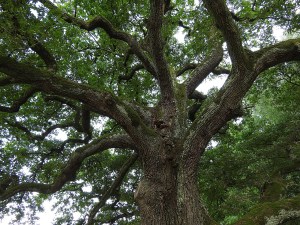
Chanzo cha msemo huo huongelea juu ya mzizi unaokua kwa kwenda chini ya ardhi mpaka unapata matawi ya kuweza kuushikiria mti mkubwa wenye matawi. Mzizi huo huwa na nguvu za kuweza kuushikiria mti mkubwa wenye matawi yake kwa sababu ya uimara wake huo. Ndiyo maana watu huuita jina la “mzizi wenye matawi.”

Msemo huo hulinganishwa kwa mtu yule aliyeoa akapata watoto wengi, wajukuu na vilembe, katika maisha yake. Mtu huyo, huilea vyema familia yake hiyo kwa kuifundisha kufanya kazi za kuwapatia mahitaji ya kutosha kutumia kwa sababu ya uaminifu wake huo maishani mwake. Yeye hupata mafanikio mengi sana kwenye familia yake kwa sababu ya uaminifu wake huo wa kuilea vyema familia hiyo, maishani mwake.

Mtu huyo hufanana na ule mzizi wenye matawi ya kuushikiria mti wenye matawi, kwa sababu naye ana nguvu na uaminifu wa kuilinda vyema familia yake hiyo, maishani mwake. Ndiyo maana watu humuita jina la “mzizi wenye matawi.”

Msemo huo hufundisha wana ndoa juu ya kuwa na uaminifu wa kuzilea vyema familia zao, ili waweze kupata maendeleo mengi katika familia zao, maishani mwao.

Mwanzo 17:7.

2 Samweli 5:12.

Yohana 15:1-9.

1430. NGOYEJI OB’IYE.

Oho kale olihoyi munhu uyo odimaga mitugo gwingila diyu mpaka mhindi. Undimi ng’wunuyo, ajidimiga imitugo ijo janhililaga bho nduhu ugulwa uweyi mpaga ogwisha nzala. Hunagwene abhanhu bhagang’witanaga giki, “ngoyeji ob’iye.”

Akahayile kenako kagalenganijiyagwa kuli munhu uyo agabhagoyelaga chiza abhanhu bhakwe umukikalile kakwe. Umunhu ng’wunuyo, agigulambijaga gubhagoyela abhanhu bhakwe bho gubhalela na kubhachobheja jiliwa chiza kunguno ya bhutungilija bhokwe bhunubho. Uweyi agayibhejaga chiza ikaya yakwe yiniyo kunguno ya bhutungilija bhokwe bhunubho ubho gubhagoyela chiza abhanhu bhakwe bhenabho, umukikalile kakwe kenako.

Umunhu ng’wunuyo agikolaga nu ndimi o mitugo uyo janhililaga bho nduhu ugulya uweyi mpaga ogwisha nzala, kunguno nuweyi agabhagoyelaga chiza abhanhu bhakwe bho gubhalela chiza, umuwikaji bhokwe bhunubho. Hunagwene abhanhu bhagang’witanaga giki, “ngoyeji ob’iye.”

Akahayile kenako kalanga bhanhu higulya ya gubhiza na bhutungilija bho gubhagoyelaga chiza abhanhu bhabho, kugiki bhadule gujibheja chiza ikaya jabho, umuwikaji bhobho bhunubho.

Yohana 10:11-18.

Ufunuo 7:17.

KISWAHILI: MTUNZAJI WA WENZAKE.

Hapo zamani alikiwepo mtu aliyekuwa akichunga mfugo kuanzia asubuhi mpaka jioni. Mchungaji huyo aliwachunga mifugo waliokuwa wakila bila ya yeye kula akishinda njaa kutwa nzima.  Ndiyo maana watu humuita jina la “mtunzaji wa wenzake.”

Msemo huo hulinganishwa kwa mtu yule ambaye huwajali vizuri watu wake katika maisha yake. Mtu huyo, hujibidisha kuwajali watu wake hao kwa kuwalea na kuwatafutia chakula vizuri kwa sababu ya uaminifu wake huo maishani mwake. Yeye huwalea vizuri watu wa kwenye familia yake hiyo kwa sababu ya uaminifu wake huo wa kuwajali vizuri katika maisha yake hayo.

Mtu huyo hufanana na yule mchungaji wa mifugo aliyewalisha mifugo kutwa nzima bila ya yeye kula, kwa sababu naye huwajali vizuri watu wake hao kwa kuwalea vizuri, maishani mwake. Ndiyo maana watu humuita jina la “mtunzaji wa wenzake.”

Msemo huo hufundisha watu juu ya kuwa na uaminifu wa kuwajali vizuri watu wao, ili waweze kuziendeleza vyema familia zao, maishani mwao.

Yohana 10:11-18.

Ufunuo 7:17.

ENGLISH: KEEPERS OF ASSOCIATES.

Once upon a time, there was a man who grazed livestock from morning to evening. The shepherd grazed the livestock that were eating without him eating, overcoming hunger all day long. That is why people call him the “keeper of his associates.”

This saying is equaled to a person who takes good care of his people in his life. This person, strives to take care of his people by raising them and finding decent food for them because of his loyalty in his life. He takes respectable care of the people in his family because of his loyalty in taking upright care of them in his life.

This person resembles the shepherd who grazed the livestock all day long without him eating, because he also takes virtuous care of his people by raising them well, in his life. That is why people call him the “keeper of his associates.”

This saying teaches people about having loyalty of taking respectable care of their people, so that they can develop their family lives.

John 10:11-18.

Revelation 7:17.

1428. LYAB’ALEMELILE UGULIB’EJA.

Aho kale bhalihoyi bhanhu abho bhihayaga bhamani bha guzenga numba. Abhanhu bhenabho bhaginhiwa numba ya guzenga muchalo jilebe. Aho bhamala uguizenga inumba yiniyo igab’iza ijile lwande guti giki ili haya gugwa kunguno ya guyizenga shib’i. Hunagwene abhanhu bhagayomba giki, “lyab’alemelile ugulib’eja.”

Akahayile kenako kagalenganijiyagwa kuli munhu uyo agituulaga bhubhani bho gutumama nimo uyo agadagumanile chiza, umukikalile kakwe. Umunhu ng’wunuyo, agandyaga gutumama milimo bho nduhu ugwikala ni jitumamililo jayo mpaka oduma uguyimala chiza kunguno ya gwigimba bhumani bho sagala umuwikaji bhokwe bhunubho. Uweyi agaikenagulaga salaga imilimo yakwe kunguno ya gwituula bhumani bho guitumama aliyo adayideb’ile chiza umukikalile kakwe kenako.

Umunhu ng’wunuyo agikolaga nabho bhihayaga giki bhamani bha guzenga numba mpaka nose bhuyikenagula inumba iyo bagayizenga, kunguno nuweyi agituulaga bhumani bho gutumama milimo iyo adayidebhile chiza mpaga uyikenagula sagala, umuwikaji bhokwe bhunubho. Hunagwene abhanhu bhagang’wilaga giki, “lyab’alemelile ugulib’eja.”

Akahayile kenako kalanga bhanhu higulya ya gubhiza na witegeleja bho guleka gwituula bhumani bho milimo iyo bhadayidebhile chiza, kugiki bhadule guitumama chiza imilimo yabho yiniyo, umuwikaji bhobho bhunubho.

Mwanzo 11:1-9.

Mathayo 21:42.

Matendo 4:11.

1 Petro 2:7-10.

KISWAHILI: LIMEWASHINDA KULITENGENEZA.

Hapo zamani walikuwepo watu waliojidai kuwa wanafahamu kujenga nyumba. Watu hao walipewa nyumba ya kujenga kwenye kijiji fulani. Walipomaliza kuijenga nyumba hiyo ilienda upande kama inataka kuanguka kwa sababu ya kujengwa vibaya. Ndiyo maana watu walisema kwamba, “limewashinda kulitengeneza.”

Msemo huo hulinganishwa kwa mtu yule ambaye hujitia kujua kufanya kazi ambayo haielewi vizuri katika maisha yake. Mtu huyo, huanza kufanya kazi bila ya kuwa na vitendea kazi vinavyotakiwa mpaka anashindwa kuimaliza vizuri kazi hiyo, kwa sababu ya kujifanya mjuaji kwenye vitu asivyovihamu vizuri, maishani mwake. Yeye huziharibu hovyo kazi zake kwa sababu ya kutia kujua kwake kwa kufanya kazi asizozielewa vizuri, katika maisha yake hayo.

Mtu huyo, hufanana na wale waliojifanya wajuaji wa kujenga nyumba mpaka wakaiharibu nyumba hiyo, kwa sababu naye hujifanya mjuaji wa kufanya kazi asizozielewa vizuri mpaka anaziharibu kazi hizo, maishani mwake. Ndiyo maana watu humwambia kwamba, “limewashinda kulitengeneza.”

Msemo huo, hufundisha watu juu ya kuwa na umakini wa kuacha kujifanya wajuaji wa kufanya kazi wasizozielewa vizuri, ili waweze kuyatekeleza vizuri majukumu yao, maishani mwao.

Mwanzo 11:1-9.

Mathayo 21:42.

Matendo 4:11.

1 Petro 2:7-10.

ENGLISH: IT FAILED THEM TO BUILD IT.

In the past, there were people who claimed to know how to build a house. These people were given a house to build in a certain village. When they finished building the house, it looked as if it was about to collapse because it was poorly built. That is why people said that “it failed them to build it.”

This saying is related to a person who pretends to know how to do a job that he does not understand well in his life. This person starts working without having the required tools until he fails to finish the job well, because of pretending to be knowledgeable about things that he does not understand well, in his life. He destroys his works in such a way because of putting his knowledge into doing jobs that he does not understand well, in his life.

This person resembles to those who pretended to know how to build a house until they destroy the house, because he also pretends to be knowledgeable about doing jobs that he does not understand well until he destroys those jobs, in his life. That is why people say to him that, “it failed them to build it.”

This saying teaches people about being careful enough to stop pretending to be experts in tasks which they do not understand well, so that they can properly fulfill their responsibilities in their lives.

Genesis 11:1-9.

Matthew 21:42.

Acts 4:11.

1 Peter 2:7-10.

1418. UMTWE GWALABEDAGA AMAGULU. (BENA).

KISWAHILI: KICHWA KISIDHARAU MIGUU.

ENGLISH: THE HEAD DOES NOT DESPISE THE FEET.

Background, Meaning and Everyday Use

In their culture the Bena People often use riddles, sayings and stories to convey messages to the society and their family members in which they live. The head does not despise the feet is  one of the proverbs used by Bena Ethnic Group.

This proverb looks at the life of one person who does not accept advice. He was an old man called Ligoga that means “an angry person.” Ligoga had a wife and three children.

Lusisi Village is located in Njombe region in Tanzania, East Africa, It has a pleasant environment and lots of rain. Because of that, food was available in abundance. One year it rained a lot and everything flourished. Mushrooms also grew in abundance. The people were happy to find mushrooms because they liked them.

However, a problem occurred. Bad mushrooms were also produced and many people died after eating the poisonous mushroom because it was very similar to the good ones. The chief of the village continued to make an announcement and advised people to stop eating mushrooms at that time of heavy rain. But because people liked them so much many did not stop eating them.

Ligoga’s family also continued to eat. However, Ligoga’s wife was very afraid especially for their children.

Numbura Dzelu, which means “white heart” the name of Ligoga’s wife, started a conversation and said to her husband:

Numbura Nzelu: “My Husband!”

Elder Ligoga: “Say my Wife.”

Numbura Nzelu: “What do you think if we stopped eating mushrooms this time?”

Elder Ligoga: “What! No, my wife, do not be afraid, I have enough experience we cannot be abused.”

Numbura Nzelu: “But my husband, the situation is not good at this time, many people are dying.”

Elder Ligoga: “Nonsense” should we die today? How many years have we eaten and even since our ancestors.”

Numbura Nzelu: “There are changes due to heavy rains. I fear for our children.”

Elder Ligoga: “I am the owner of the house, believe me!”

Therefore, Elder Ligoga brought mushrooms as usual and his wife cooked; they all ate. Ligoga also gave them to the cat, and said if there is poison, I will know through the cat. They all went to sleep, bad luck! At midnight, the cat started screaming, running here and there. Elder Ligoga heard it, woke up his wife and children, they all shouted, “we are dying! We are dying!”

The neighbors heard the noise and helped to take them to the hospital. Because of fear, they vomited and had diarrhea; they were all overwhelmed, and Elder Ligoga could not speak at all. Immediately the doctor put drip for all at high speed. Fortunately, after one day they recovered and were allowed to return home.

After arriving home. Haaa! The cat is healthy. Elder Ligoga was shocked!!! “How did it happen?” he said, “Loo! How did you know if you ate bad mushrooms,” the neighbor asked, Ligoga said, “I gave mushrooms to the cat too, because of the fear of dying.” When they entered, they all laughed…Hahahaha!!! Duuuu! The poor cat was crying because she wanted to give birth. Ligoga’s wife, Numbura Nzelu, said bitterly, “my husband Umtuwe gwalabedaga amagulu which means, “The head does not despise the feet.” Elder Ligoga answered, “it is true my wife. Please forgive me and my children forgive me.”

This is how the proverb began and continues to be used today. This proverb is likened to people who think that being bossy is everything and cannot receive any advice from others.  Compare to this mother who showed love to her children. She did not care about her life, but put others first. This Bena Proverb teaches and motivates the community to be generous, love and help each other in everyday life.

Biblical Parallels

Matthew 18 10. “See that you do not despise one of these little ones. For I tell you that their angers in heaven always see the face of my father in heaven.”

1 Corinthians 14: 20. “Brothers and Sisters, stop thinking like children. Be like babies as far evil is concerned. But be grown up in your thinking.”

1 Samuel 15: 22. But Samuel replied: “Does the LORD delight in burnt offerings and sacrifices as much as in obeying the LORD?  To obey is better than sacrifice, and to hear is better than the fat of rams.”

Ephesians 4: 2. “Always be humble and gentle. Be patient with each other, making allowance for each other’s faults because of your love.”

Contemporary Use And Religious Application

This proverb reminds us all to be flexible and to accept the ideas and advice of others. These days there are problems everywhere. Everyone wants to be the leader of others. War and chaos are everywhere. There are many people like Elder Ligoga in families, marriages, in churches, in Small Christian Communities. You only find arguments and quarrels.

These situations show that the Gospel of Jesus has not penetrated into people’s hearts. We need to increase our faith and care and respect the lives of others. To lack a heart of compassion is to miss God Himself who has taken pity on all of us through the suffering and death of his Son. Christians should not stop going to church and to Small Christian Communities so that we get the strength to continue doing good, respecting and listening to each other.

Text and Photos by:

Sister Felisia Mbifile, SCSF

Rome, Italy

Email: felisiajmbifile@gmail.com

1416. IGEMBE NAGEMA NG’WELELE.

Aho kale olihoyi nhimi uyo olimilaga ligembe lya makono. Unhimi ng’wunuyo olialisanije iligembe lyakwe linilo kunguno olilimilaga chiza mpaga lyang’wenhela jiliwa aha kaya yakwe. Uweyi olidimilaga china iligembe linilo guti numo agabhukikaja ng’wana ng’welele, umuwikaji bhokwe. Hunagwene agayomba giki, “igembe nagema ng’welele.”

Akahayile kenako kagalenganijiyagwa kuli munhu uyo alina bhutungilija bho gwihanda gutumama chiza nimo uyo gugang’wenhelaga jiliwa, umukikalile kakwe. Umunhu ng’wunuyo agihandaga gugudumama unimo gokwe bho gubhalanga abhanhu bhakwe higulya ya gwigulambija kugugutumama chiza mpaga gobhapandikila jiliwa, kunguno ya bhutungilija bhokwe bhunubho, umuwikaji bhokwe. Uweyi agapandikaga jiliwa ja gulya chiza bhuli ng’waka aha kaya yakwe yiniyo, kunguno ya bhutungilija bhokwe bhunubho ubho gwigulambija gugutumama chiza unimo gokwe gunuyo, umukikalile kakwe kenako.

Umunhu ng’wunuyo agikolaga nu nhimi uyo olilimilaga chiza iligembe lyakwe mpaga lya ng’wenhela jiliwa aha kaya yakwe, kunguno nuweyi agagudimilaga chiza unimo gokwe gunuyo bho gwigulambija gugutumama chiza mpaga opandika jiliwa ja gulya chiza aha kaya yakwe yiniyo, umuwikaji bhokwe bhunubho. Hunagwene agayombaga giki, “igembe nagema ng’welele.”

Akahayile kenako kalanga bhanhu higulya ya gubhiza na bhutungilija bho gwigulambija guyitumama chiza imilimo yabho iyo igabhenhelaga jiliwa, kugiki bhadule gupandika sabho ja gutumamila chiza umukaya jabho jinijo, umuwikaji bhobho bhunubho.

Mwanzo 3:19.

Mithali 24:27.

KISWAHILI: JEMBE NIMEJARIBU MTOTO MCHANGA

Hapo zamani alikuwepo mkulima aliyelimia jembe la mkono. Mkuliwa huyo alilitegemea jembe lake hilo kwa sababu ya kulilimia vizuri mpaka linamletea chakula kwenye familia yake. Yeye alilishikilia vizuri jembe hilo kama anavyobeba mtoto mchanga, maishani mwake. Ndiyo maana alisema kwamba, “jembe nimejaribu mtoto mchanga.”

Msemo huo hulinganishwa kwa mtu yule ambaye hujikaza kuifanya vizuri kazi ile ambayo humletea chakula, katika maisha yake. Mtu huyo, huishikilia kazi yake hiyo kwa kuwafundisha watu juu ya kujibidisha kuitekeleza vizuri mpaka inawapatia chakula, kwa sababu ya uaminifu wake huo, maishani mwake. Yeye hupata chakula cha kula vizuri kila mwaka kwenye familia yake kwa sababu ya uaminifu wake huo wa kujibidisha kuitekeleza vizuri kazi yake hiyo, katika maisha yake hayo.

Mtu huyo hufanana na yule mkulima aliyelilimia vizuri jembe lake mpaka likamletea chakula kwenye familia yake, kwa sababu naye hujibidisha kuitekeleza vizuri kazi yake hiyo mpaka inamletea chakula cha kula kila mwaka kwenye familia yake, maishani mwake. Ndiyo maana yeye husema kwamba, “jembe nimejaribu mtoto mchanga.”

Msemo huo hufundisha watu juu ya kuwa na uaminifu wa kujibidisha kuzitekeleza vizuri kazi zao zinazowaletea chakula, ili waweze kupata mali za kutumia vizuri katika familia zao, maishani mwao.

Mwanzo 3:19.

Mithali 24:27.

ENGLISH: A HOE HAS TESTED A BABY.

Once upon a time, there was a farmer who cultivated farms by using a hand hoe. This farmer relied on his hoe because it worked well until it brought food to his family. He held the hoe tightly like he was carrying a baby, in his life. That is why he said that, “a hoe has tested a baby.”

This saying is equaled to a person who strives to do well the work that brings him food, in his life. Such person holds on to his work by teaching people about working hard enough to do it well until it provides them with food, because of his loyalty, in his life. He gets good food to eat every year for his family because of his loyalty to work hard enough to finish well his work in his life.

This person resembles the farmer who cultivated his farm until it brought food to his family, because he also strives to carry out his work well until it brings food to his family every year, in his life. That is why he says that, “a hoe has tested a baby.”

This proverb teaches people about being honest enough to carry out their work well that brings them food, so that they can obtain wealth for using well in their families, in their lives.

Genesis 3:19.

Proverbs 24:27.