heritage

1280. MBELE ILINAOKO UTIPAMA ISHIKE.


KISWAHILI: UKIWA NA WA KUKUONGOZA HUWEZI KUJIKWAA.


ENGLISH: IF YOU HAVE SOMEONE LEADING YOU, YOU CANNOT LOSE THE WAY.


Background, Meaning and Everyday Use

The Sukuma People, one among the ethnic groups found in Tanzania, use proverbs, sayings, songs and riddles to convey some important messages to a particular person or to a group of people in the community, depending on the certain circumstances.

In Tanzania there is very common Swahili proverb known as zimwi likujualo halikuli ukakwisha (a ghost that knows you cannot devour you completely). This proverb is well used to address people to live a suitable life in the community so as to keep the gift of fraternity alive because no one knows about tomorrow. Thus you can undermine someone today and tomorrow you go to seek for his or her help. This Swahili proverb made me to go to my Sukuma language to search for a similar proverb. When I asked, immediately my grandfather told me such a proverb in Sukuma known as mbele ilinaoko utipoma/utipama ishike (if you have someone leading  you, you cannot lose the way).

This Sukuma proverb shows the complexity of the Sukuma language and the difficulty of translation. First, both utipoma and utipama are used depending on what part of Sukumaland you are living in, for example, Mwanza or Nyalikungu. Second, there are three possible English translations:

The meaning of this proverb is: ON THE NECESSITY OF LEAVING A GOOD LEGACY.  When you are living somewhere, try to be nice to people because you never know what will happen in the future. If you are a parent leave a good legacy to your children. Such a legacy will help them build their daily activities and be trusted.

Biblical Parallels

John 14: 1-3: “Let not your hearts be troubled. I will go and prepare a place for you. I will come again and I will take you to myself. That where I am you may also be.”

Romans 16: 1-2: “I commend to you our sister Phoebe, a deaconess of the church at Cenchreae, that you may receive her in the Lord as benefits the saints, and help her in whatever she may require from you, for she has been a helper of many and of myself as well.”

1 John 5:14: “This is the confidence we have in him, that if we ask anything according to his will he hears us.”

Psalm 133:1: “Behold, how good and pleasant it is when brothers and sisters dwell in unity!”

Contemporary Use And Religious Application

We are living in intercultural societies, where we can help each other through sharing the core values found in our cultures. It our task today here and now to rediscover the treasure found in our cultures. Through them we can transfer a message or speech of many words in a single sentence that communicates the same thing that could be given in a long message. Thus this proverb can be a compendium for all of us to leave a life worthy for all called to be Christians. Leaving a legacy behind us makes us to be alive even in our absence.

Think of some of our legacies such as: Mwalimu Julius Nyerere, the Founding President of Tanzania. Among Catholic Bishops Bishop Christopher Mwoleka, one of the Bishop Founders of Small Christian Communities (SCCs) in Eastern Africa. Among African theologians Father Laurenti Magesa. More recent legacies are the SCC Model of Church and the Synodal Process.
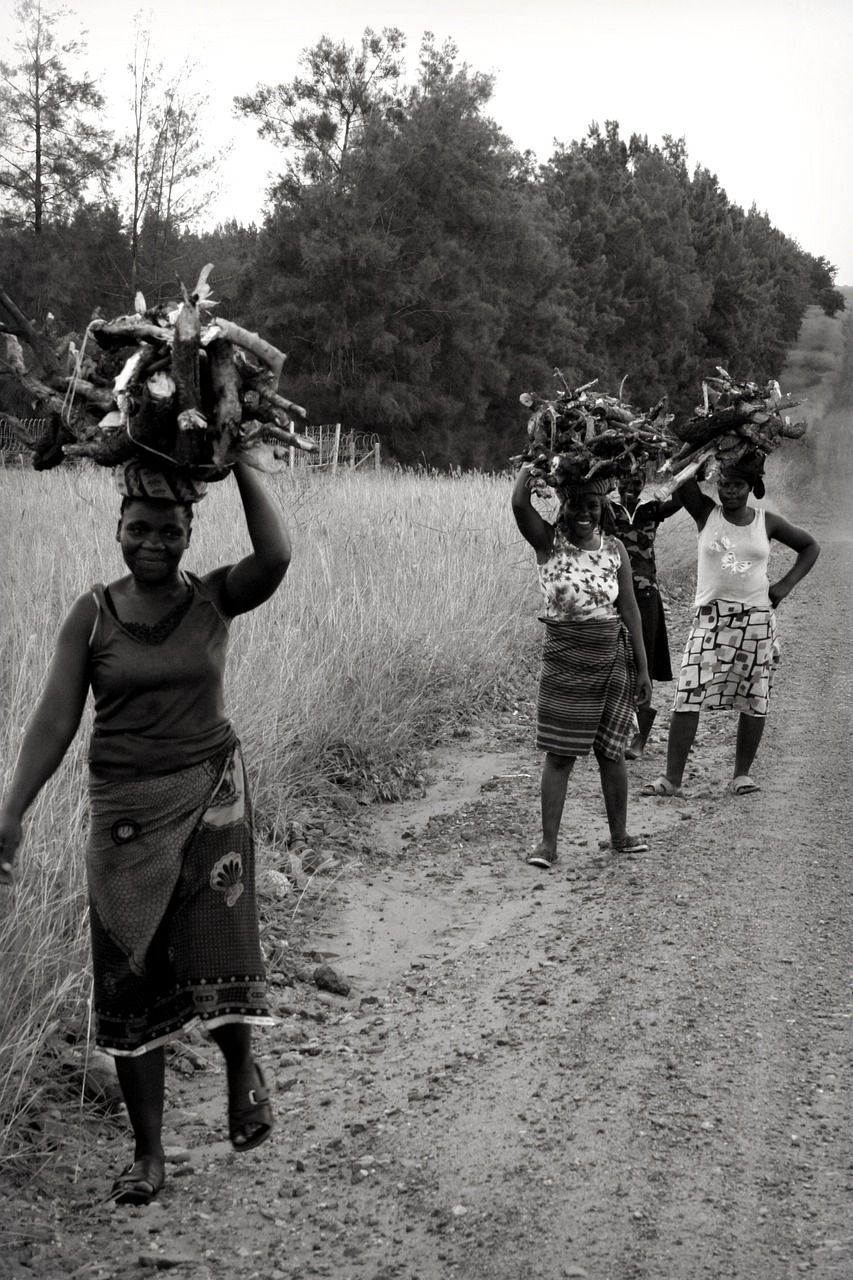
africa-209332_1280

Prepared by:

Rev. Deacon Paschal Mahalagu

Deacon of the Catholic Diocese of Shinyanga

P.O Box 47

Shinyanga, Tanzania

Email: paschalmahalagu@gmail.com

Cellphone: +255755180893

Photographs by:

Rev. Zakaria Kashinje, OSA
Dar es Salaam, Tanzania
Cellphones:
+255-756-887787 Vodacom
+255-717-3337787 Tigo
+255-786-337787 Airtel
Email: zkashinje@gmail.com
zkashinje@yahoo.co.uk

1279.UMWANA VA MYAGO YE MWANA VAKO. (Bena)

Umwana va myago ye mwana vako. (Bena)

Mtoto wa mwenzako ni mtoto wako. (Swahili)


 ENGLISH: YOUR COLLEAGUE’S CHILD IS YOUR CHILD
 

Background, Meaning and Everyday Use

This proverb is used by the people of the Bena Ethnic Group. It encourages unity and cooperation in raising a child. About 1,322,000, the Wabena are in Tanzania. They are found in the Njombe Region. The Wabena, like other ethnic groups in Tanzania, have different cultures, sayings, proverbs and stories that are used in teaching their generations. They have five dialects that are used and vary in speaking according to the places where they live.

The Wabena are famous in teaching good morals to their children. For example, the Wabena confess and believe that their legacy — that will make them recognized and loved by many — is to raise a child in good morals so the children grow up in great discipline and respect that goes along with working for hard work and to bring solidarity and unity in the community.

In the beginning these Bena families were living far apart — from one family to another family. In this situation each of the families was struggling to raise their children and set regulations and rules for themselves that were different from other families, so there was a great lack of understanding that perhaps caused marriages to break.

Because of this, the Chief of the Bena decided to call a meeting of the elders who gathered together and held a joint discussion on how to protect, maintain and take care of their culture. They agreed that every parent and each person should realize that their colleague’s child is his or her child wherever they see and meet them. Then they created this proverb: Your colleague’s child is your child. In this sense even the children respected each parent as their own parent.

This proverb is compared to families who until today maintain a good culture of upbringing regardless of whose child it is. It is also compared to the humble people who live with the Bena and like to draw this wealth of upbringing mixing it with their good traditions in the upbringing of the child. They differ from those who are proud and see that these customs are outdated and do not accept to learn anything.

This proverb is likened to people of families who are unstable and careless, who like to live alone and think they don’t need others in the care of children. They continue every day to lose their good traditions and customs and instead imitate the bad ones and thus destroy the whole moral system of children in society and even adults.

Biblical Parallels

Proverb 22:6: “Bring up the child in the right way, and he will not leave you, even when he or she is old.”

Luke 2:52:“Jesus grew in wisdom and stature pleasing God and people.”

Deuteronomy 6:7: “Teach your children diligently. Speak to them when you are in the house and when you walk on the road and when you sleep and when you leave.”

Contemporary Use And Religious Application

This proverb teaches people to be united and to repeat their good customs, to stick together in the whole matter of the upbringing and development of a child especially in today’s world. These days we gather with our colleagues in Small Christian Communities. Let us go with our children to the SCCs. Then go through the teachings and the help they will hear in these gatherings. The children can be strengthened not only personally but spiritually and morally as well.

The Bishops of AMECEA in their meetings encourage and strengthen the growth of Small Christian Communities in Africa that is a whole system of cooperation and unity, reading the Word of God and finding a way to live that Word. These are the challenges we have to strengthen our children in Christian teachings and social values.

This proverb about children and families is especially timely as the delegates from Africa who are participating in the Second Session of the Synod in Rome in October 2024 plan to  highlight the importance of the family as the Domestic Church and the Church Family of God.


Text by:

Sister Felisia Mbifile, SCSF

Rome, Italy

Phone No: +254792229035

Email: felisiambifile@gmail.com


Photographs by:

Rev. Zakaria Kashinje, OSA
Dar es Salaam, Tanzania
Cellphones:
+255-756-887787 Vodacom
+255-717-3337787 Tigo
+255-786-337787 Airtel
Email: zkashinje@gmail.com
zkashinje@yahoo.co.uk

1278. MAGAYA JIGONGO.

Akahayile kenako kaholelile mashinu makali ayo gatina jigongo. Amashinu genayo galikihamo na mayoka, mashimba, masub’i na gangi ayo aho ng’umanhija nago lyandya likenya. Agoyi gagalabhulaga bhanhu kunguno gadina jigongo. Hunagwene abhanhu bhagagitanaga giki, “magaya jigongo.”

Akahayile kenako kagalenganijiyagwa kubhanhu abho bhali na nhungwa mbi, umukikalile kabho. Amanhu bhenabho, bhali bhasambo, bhalomolomo, bhalisanya kunguno ya gugayiwa jigongo umuwikaji bhobho. Abhoyi bhagagayiyagwa abhanhu abha gwikala nabho aha kaya jabho, kunguno ya nhungwa jabho ijabhub’i jinijo, umukikalile kabho.

Abhanhu bhenabho bhagikolaga na mashinu amakali ayo galabhulaga bhanhu, kunguno nabhoyi bhalina nhungwa mbi ijo jigaminyaga bhanhu umuwikaji bhobho. Hunagwene abhanhu bhagabhitanaga giki, “magaya jigongo.

Akahayile kenako kalanga bhanhu higulya ya gubhiza na nhugwa jawiza dubhambilije ugwikala chiza na abhichabho, kugiki bhadule gujilanhana chiza isabho jabho mukikalile kakwe kenako.

1 Petro 5:8-9.

Mathayo 15:19-20a.

KISWAHILI: YASIYOKUWA NA HURUMA.

Msemo huo huongelea juu ya wanyama wakali wasio na huruma. Wanyama hao ni pamoja na majoka, simba, chui na mengine mengi ambayo mutakapokutania tu unaanza ogomvi. Ndiyo maana watu huwaita wanyama hao kwamba, “wasiyokuwa na huruama.”

Msemo huo, hulinganishwa kwa watu walio na tabia mbaya, katika maisha yao. Watu hao, huiba vitu vya watu, husema uongo, hugombanisha watu kwa sababu ya kutokuwa na huruma kwao, maishani mwao. Wao hao hukosa watu wa kuishi nao kwenye familia zao, kwa sababu yao mbaya, maishani mwao.

Watu hao, hufanana na wale wanyama wakali walioumiza watu, kwa sababu nao wanatabia mbaya ya kuumiza watu, maishani mwao. Ndiyo maana watu huwaita, “wasiona huruma.”

Msemo huo, hufundisha watu juu ya kuwa na tabia njema za kuwawezesha kuishi na watu vizuri, ili waweze kuzilea vyema familia zao, katika maisha yao yote.

1Petro 5:8-9.

Mathayo 15:19-20a.

ENGLISH: THE MERCILESS.

This saying looks at merciless beasts because of hurting people. These animals include dragons, lions, leopards and many others that when one meets them starts a fight. That is why people call them, “the merciless.”

This saying is equated to people who have wicked behaviors in their lives. Those people, steal people’s things, tell lies, and quarrel with people because of their lack of sympathy, in their lives. They can not have people to live with in their families, because of misbehaving in their lives.

These people are similar to those fierce animals that hurt people, because they also have evil practices of hurting people in their lives. That is why people call them, “the merciless.”

This saying teaches people about having upright conducts enough to enable them peacefully live with their family members, so that they can nicely raise their family members throughout their lives.

1 Peter 5:8-9.

Matthew 15:19-20a.


snake-

1277. GOSULULA UNKONO.

Imbuki ya kahayile kenako ihoyelile bhusuluzu bho nkono go ng’wa munhu nnebhe. Olihoyi munhu uyo okoyaga ugugugolola unkono kokwe uyo goligwigonda kunguno ya gutumama milimo yake ukunu agugondile bho likanza lilihu. Umunhu ng’wunuyo agigulambije ugugugolola mbaga nose gusula chiza unkono gokwe gunuyo. Hunagwene abhanhu aho bhamona bhagayomba giki, “gosulula unkono.”

Akahayile kenako kagalenganijiyagwa kuli munhu nchoji osabho uyo agakoyakoyaga ugwicholela mpaga nose ojipandika umubhutumami bhokwe. Umunhu ng’wunuyo agagatumilaga chiza amasala gakwe bho gumisha diyu ogatumama milimo yakwe chiza mpaga oyimala kunguno ya bhukamu bhokwe ubho gutumama milimo bhunubho, umukikalile kakwe. Uweyi agapandikaga sabho ningi noyi aha kaya yakwe kunguno ya wigulambija bhokwe ubho gutumama milimo chiza bhunubho, umuwikaji bhokwe.

Umunhu ng’wunuyo agikolaga nuyo agigulambija ugugugolola unkono gokwe mpaga gusulula, kunguno nuweyi agigulambijaga gwicholela sabho bho gutumama milimo yakwe chiza mpaga nose ojipandika sabho jinijo, umuwikaji bhokwe bhunubho. Hunagwene abhanhu bhaganhayaga giki, “gosulula unkono.”

Akahayile kenako kalanga bhanhu higulya ya gugatumila chiza amasala gabho bho gwigulambija gutumama milimo yabho chiza, kugiki bhadule kupandika sabho ja gubhambilija ugujibheja chiza ikaya jabho.

1Wakorintho 16:2a-b.

KISWAHILI: MKONO UMENYOKA.

Chanzo cha msemo huo huongelea unyofu wa mkono wa mtu fulani. Alikuwepo mtu aliyekuwa akihangaika kuunyosha mkono wake uliokuwa umekunjika kwa muda mrefu kwa sababu ya kazi yake aliyokuwa akiifanya. Mtu huyo, alijibidisha kuunyosha mkono wake huo mpaka mwishowe ukanyoka vizuri. Ndiyo maana watu walipomuona walisema kwamba, “mkono umenyoka.”

Msemo huo, hulinganishwa kwa mtu mtafutaji wa mali ambaye huhangaika katika kujitafutia mali hizo mpaka mwishowe anazipata, katika kazi zake. Mtu huyo, huzitumia vizuri akili zake kwa kuamka mapema asubuhi na kwenda kufanya kazi vizuri mpaka anazimaliza kwa sababu ya bidii yake hiyo ya kufanya kazi, katika maisha yake. Yeye hupata mali nyingi sana katika familia yake kwa sababu ya bidii yake hiyo ya kufanya kazi zake vizuri, maishani mwake.

Mtu huyo, hufanana na yule aliyejibisha kuunyosha mkono wake mpaka mwishowe ukanyoka, kwa sababu naye hujibidisha katika kujitafutia mali kwa kufanya kazi mpaka anapafanikiwa, maishani mwake. Ndiyo maana watu humwambia kwamba, “mkono umenyoka.”

Msemo huo, hufundisha watu juu ya kutumia vizuri akili zao kwa kujibidisha kufanya kazi zao vizuri, ili waweze kupata mali za kuwawezesha kuziendeleza vizuri, familia zao.

1Wakorintho 16:2a-b.

hand-663725_1280

ENGLISH: THE HAND HAS BEEN STRAIGHT.

The cradle of this saying denotes to an outstretched hand of a certain person. There was a man who was struggling to stretch his arm that had been bent for a long time because of a work which he was doing. He had to stretch his hand until finally it was straight. That is why when people saw him said that, “The hand has been straight.”

This saying is paralleled to a person who seeks wealth by struggling enough to find it for himself in his life. Such person makes a good use of his mind by waking up early in the morning and going to work well until he finishes it because of his hard working life. He gets a lot of treasures in his family because of working hard in his life.

This person is similar to the one who took it upon himself to stretch out his hand until it eventually became straight, because he also struggles to find prosperity by working hard until he succeeds in his life. That is why people tell him that, “the hand has been straight.”

This saying imparts in people a clue of using well their minds by forcing themselves to soundly do their jobs, so that they can acquire a lot of possessions enough to enable them nicely improve their families.

1 Corinthians 16:2a-b.

1276. WITUNDAGA UDABHUNILWE.

Akahayile kenako kalolile witundi bho ng’wa munhu uyo adabhunilwe kwibala. Umunhu ng’wunuyo, agitunda kugiki wiyambilije huna uduma ugwiyambilija kunguno ya gwitunda bho nduhu ugubhunwa ukwibala. Hunagwene abhanhu bhagang’wila giki “witundaga udabhunilwe.”

Akahayile kenako kagalenganijiyagwa kuli munhu uyo aganguhaga gwita ginhu jilebhe ahikanza litale ugushiga, umukikalile kakwe. Umunhu ng’wunuyo agiyityega guti alisata bho gwilaja kunguno ya bhugokolo bho gutumama milimo aha kaya yake yiniyo. Uweyi agakoyiyagwa na bhuhabhi aha kaya yakwe yiniyo kunguno ya gukija gutumama milimo bho gugwisha alalile guti alisata umuwikaji bhokwe.

Umunhu ng’wunuyo, agikolaga nuyo agitunda gwiyambilija aliyo adabhunilwe ukwibala, kunguno nuweyi agisatishaga olala aliyo adusataga, umuwikaji bhokwe. Hunagwene abhanhu bhagang’wilaga giki, “witundaga udabhunilwe.”

Akahayile kenako kalanga bhanhu higulya ya gwita mihayo ya nhana bho gwigulambija gutumama milimo yabho chiza, kugiki bhadule gujibheja chiza ikaya jabho, umubhulamu bhobho.

Mhubiri 3:1-8.

KISWAHILI: UMECHUCHUMAA BILA KUJISIKIA HAJA.

Msemo huo huangalia uchuchumaaji wa mtu ambaye hajajisikia haja. Mtu huyo, alichuchumaa ili kujisadia haja kubwa lakini alishindwa kujisadia kwa sababu ya kuchuchumaa bila kujisikia haja hiyo. Ndiyo maana watu walimwambia kwamba, “umechuchumaa bila kujisikia haja.”

Msemo huo hulinganishwa kwa mtu yule ambaye huwahi kufanya kitu fulani kabla ya wakati wake kufika, katika maisha yake. Mtu huyo, hujifanya kama anaumwa kwa kujilaza kwa sababu ya uvivu wa kufanya kazi kwenye familia yake. Yeye husumbuliwa mara kwa mara na tatizo la umaskini katika familia yake hiyo kwa sababu ya kutokufanya kazi kwa kisingizio cha kuumwa, maishani mwake.

Mtu huyo, hufanana na yule aliyechuchumaa kujisaidia bila kujisikia haja, kwa sababu naye hujisingizia kuumwa kwa kulala wakati haumwi, maishani mwake. Ndiyo maana watu humwambia kwamba, “umechuchumaa bila kujisikia haja.”

Msemo huo, hufundisha watu juu ya kuwa wakweli kwa kujibidisha kufanya kazi zao vizuri, ili waweze kuziendeleza vyema familia zao, maishani mwao.

Mhubiri 3:1-8.

ENGLISH: YOU HAVE SQUATTED WITHOUT FEELING THE NEED.

The above saying refers to a squatting of a person who has not felt an urge. This man squatted to relieve himself but failed to do so because of squatting without feeling the need. That is why people told him that, “you have squatted without feeling the need.”

This saying is matched to a man who does something before reaching its time in his life. Such person pretends to be sick by lying down because of his idleness in working at his family. He constantly suffers from poverty problem at his family because of not working on a pretext of illness in his life.

This person is similar to the one who squatted to help himself without feeling the need, because he too pretends to be sick by sleeping when he is not sick in his life. That is why people tell him that, “you have squatted without feeling the need.”

This saying teaches people about being honest by forcing themselves to do their jobs well, so that they can soundly improve their families in their lives.

Ecclesiastes 3:1-8.

man-6996612_1280

woman-2704557_1280

toilet-5111311_1280