Sukuma Stories

44. Ng’wina Na Sanza Ng’wina

Collected by: Don Sybertz, Scanned by: Cephas Yao Agbemenu

With special thanks to Rev Joe Healey (African proverbs,Sayings and stories)

Ng’wina ikabyalaga magi haho na nyanza, mu luseni hihi na lutende (masaka ga mu nyanza, maswa ga mu nyanza) yukafukila maseni na kugabhundalila (giti ngoko).

Ulu magi gutanduka (gugomiwa) bhiza bhana bhikala ha ngongo gwa ng’waninabho. Ninabho lulu wandya lugendo lwa kuja mu nyanza.

Abhana abhatadimile chiza ha ngongo gwa ng’waninabho bhakagwilaga mu nyanza, nabho bhakabhizaga sanza ng’wina, bhatashikile ha bhujibha hagatigati ya Nyanza, iti ng’wina ng’hana aliyo Sanza ng’wina, nusu Ng’wina.

Sanza ng’wina bhatakulaga umo ng’wina bhakakulilaga abho bhushika ha bhujiba bhatali bhadimile ha ngongo gwa ng’waninabho bhakabhizaga ng’wina gete.

Kiswahili: Mamba Na Nusu Mamba

Mamba hutaga mayai karibu na bahari, kwenye mchanga karibu na matete (vichaka vya baharini, mwenye majani ya baharini). Huwa anayafukia kwenye mchanga na kuyaatamia (kama kuku).

Mayai yakipasuka watoto hutoka na kukaa kwenye mgongo wa mama yao. Basi, mama yao huanza mwendo wa kwenda baharini.

Watoto wale ambao hawatashikilia vizuri mgongoni mwa mama yao huanguka mwenye bahari. Huwa wanakuwa nusu mamba ‘Sanza Ng’wina’, ndio kusema kuwa, hao hawajafika katikati ya bahari. Hao sio mamba kweli, maana yake, hao ni nusu mamba.

Nusu Mamba huwa hawakui kama mamba wanavyokuwa, kwa sababu hawakufika katikati wakiwa wameshika mgongo wa mama yao. Watoto wale wanaofika katikati ya bahari wakiwa wameshika kwenye mgongo wa mama yao, hao ndio, huwa mamba wa kweli.

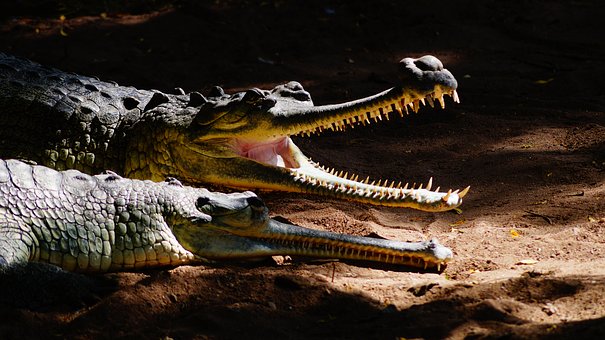
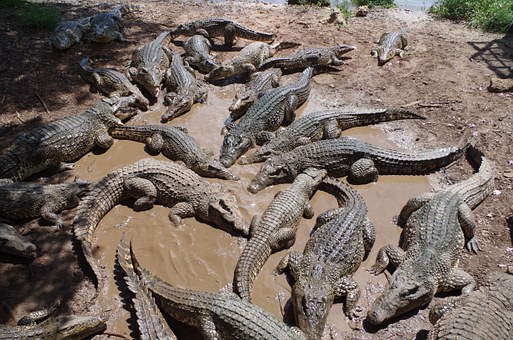
crocodiles

reptiles

ENGLISH: CROCODILES AND HALF CROCODILES

A crocodile lays eggs near the lake, in sand near to the reeds (oceanweed, seaweed). It covers them with sand and incubates on them (like chicken).

When eggs hatch, the young crocodiles come out and sit on their mother’s back. Then their mother sets out the journey to the lake.

The young ones which do not hold on to the back of their mother falls off the lake. Those ones become referred to as half crocodiles ‘Sanza Ng’wina’, that is, they have not reached the middle of the lake. They are not true crocodiles, meaning, they are half crocodiles.

Half crocodiles do not grow as true crocodiles do, because they did not reach the middle of the lake while on their mother’s back. Those young crocodiles which reach the middle of the ocean holding their mother’s backs are the true crocodiles.

43. Wabudulilwa Ngabhuji

Collected by: Don Sybertz, Scanned by: Cephas Yao Agbemenu

With special thanks to Rev Joe Healey (African proverbs,Sayings and stories)

1. Bhudugu bhukabhulagwa na nyama ya kudaswa. Bhalilya nyama kihamo namhala adugije kundasa, kung’ongeja nyama. Kwidasa nimo gwa bhose, nulu nyama adugije kundasa ngw’iye lulilumeng’ho lwa kwitogwa.

2. Ng’ombe yucha ha bhuzenganwa, bhitambulila, tubhinhe bhazenganwa nyama bhakazuge bhalye. Hukudaswa, lumeng’ho lwa kwitogwa, kutuma bhaha kaya bhabhatwalile bhazenganwa nyama.

Bhadugu bhaha kaya iyo yadasagwa, bhigwa giki bhadasagwa aliyo bhalema kubhinha bhalihaya giki tadasagwa kado itigelile bhise duhu tutudula kung’winha.

Bhinga ho bhasayaga, bhudugu ki wakutugopa nyama, lyacha na libhudugu. Bhudugu bhukabhulagwa na nyama ya kudaswa.

• Kuganganikwa kwinhwa nyama ningi.
• Kujimva kwinhwa nyama ndo ngabhuji njimbani.

Kiswahili: Umeoneshwa Matako Na Mgawaji

  1. Uhusiano wa damu huvunjwa na nyama ya kuongezewa. Hali kama hiyo ilitokea wakati wa kula. Mzee na wazee wenzake waliweza kuongeza nyama kwa moja kwao na kuwagawia wengine. Kugawana nyama ni kazi ya wote, mtu anaweza kuongeza nyama nyingine. Kitendo hicho huchukuliwa kama ishara ya upendo.
  2. Kama ng’ombe akichinjwa kwenye familia fulani watu wa pale waliambiana, “Hebu tuwapelekee majirani zetu kwa ajili ya kupika na kula.” Kuongeza nyama kwa mtu mwingine, ni ishara ya upendo, “hebu tutume watu kutoka nyumbani kwetu wawapelekee nyama majirani.

Ndugu wa familia ambayo nyama imeongezwa walifurahi kama nyama hiyo ilikuwa kubwa sana kwao kuigawana. Lakini kama nyama hiyo iliyoongezwa kwao ilikuwa kidogo, walikataa kuhudhuria mwaliko mwingine wa kutoka kwenye familia hiyo. Hali kama hiyo imesababisha kufunjika kwa uhusiano wa hao ndugu.

Wale ambao walifikiria kuwa hawakutendewa vyema kwenye jambo hilo, waliamua kuacha kuitembelea familia hiyo, wakisema, “Ni undugu wa aina gani huo wa kupunjana. Undugu huo umevunjwa na nyama ndogo iliyoongezwa kwao.”

Kulazimishwa kupewa nyama nyingi.

Kugawiwa nyama ndogo – mgawaji ni mchoyo.

Kwa hiyo, kuoneshwa matako na mgawaji, maana yake ni kupewa nyama kidogo na mgawaji.


people eating food

ENGLISH: YOU HAVE BEEN SHOWN BUTTOCKS BY A MEAT DISTRIBUTOR

  1. Blood relations are broken by meat given by someone else. Such a situation usually occurs during eating. An elder and his fellow elders could share meat with one another by distributing pieces of meat to themselves. Sharing meat is the responsibility of all. Sharing meat was considered to be a sign of love.

2. Whenever a cow was slaughtered in the neighborhood, the people said to one another, “Let us give the meat to our neighbors so that they may cook and eat.” Giving meat to one another, is a sign of love, “Let us send people from our home to take meat to the neighbors.”

The relatives of the family to which meat has been given felt happy if such meat was big enough for them to share. However, if the meat given to them was little, the benefactors promised never to attend other invitations from the family that had given a small quantity of meat. Such a situation led to the disintegration of the relationship of relatives.

Those who considered they had been mistreated  left that place angrily saying, “What kind of relatives are they we have cut it off. The comradeship is broken by the little meat given to them.

     Being forced to be given a lot of meat.

     To be deprived of small meat, the supplier is a stingy.

Therefore, having been given the buttocks by the distributor means, having been given little meat by the distributor.

42. Lugiko Lo Ndimu Pye

Collected by: Don Sybertz, Scanned by: Cephas Yao Agbemenu

With special thanks to Rev Joe Healey (African proverbs,Sayings and stories)

Mu shiku ja kale lukabhiho lubhanza lwa ndimu. Hibhanza lyenilo bhana ndimu bhibhuja itabhelile tikale tusalang’hanile, ili chiza tupandike Ntemi tubhize bhumo.

Huna bhandya kwibhuja nani akubhiza ntemi wise? Umo wabho uhaya Ntemi wise akubhiza shimba. Kungunoki shimba akubhiza Ntemi? Nang’hwe ushosha, shimba hu ng’wenikili ikungu.

Ungi hangi uhaya giki ntale wise akubhiza muna mhela, kunguno ki? Iki alikifutumo sha bhukali.

Ungi uhaya Ntemi wise akubhiza mbogo, kunguno ki? Iki alinkali gete nu ntwe gwakwe ntale, nu mili gwakwe ntale, akapamaga mamiti gagwa.

Ungi uhaya gete Ntemi wise muna mhuli kunguno ki? Iki ng’wene atukilile pye nguzu nu mili. Basi bhizunilija halubhanza lwenulu.

Sayayi walatiho, aho bhasalang’hana, bhangi bhumang’hya na sayayi ubhabhuja giki, kinahe bhagosha ngaliko kulubhanza lwise? Taliko, ng’wantemya ntemi?

Bhuzunya, tatemya. Watema nani? Watema muna mhuli, aliyo walaliho wa magulu abhili? Magulu abhili walatiho, ahuu watemyaga aliyo mtatemije.

Shiku jitakwilile bhigwa muna mhuli wabhulagagwa na magulu abhili, ng’wana kang’wa uhaya namuwilaga watemyaga aliyo mtatemije. Kushika haha bhatina Ntemi, bhatemilwe na magulu abhili.

Bhana ndimu pye bhubhona magulu abhili aliyela ng’wipolu alina ngong’ho. Bhana ndimu bhuja kuli Ntemi wabho muna mhuli bhukang’wila, jaga ukamulage magulu abhili, ntondo dilu muna mhuli uja kuli magulu abhili kulwa bhugimu ung’wila, nene nali Ntemi nadugije kukubhulaga ng’hana, nang’hwe unshokeja gemaga, bhana ndimu pye bhalilolela nani akubhulagwa.

Aho mhuli yegela magulu abhili uyipiga isasi (munduji), bhana ndimu pye bhakabhona lyochi, bhana ndimu bhose bhogoha bhuhaya Ntemi wise magulu abhili.

Aho washika ku bhiye ubhawila natambaga mhuli. Aho kwigwa shilaka shitale Ntemi wabho ugwa hasi ucha na kucha.
Mw. 5:28

Kiswahili: Mkutano Wa Wanyama Pori Wote.

Siku za zamani kulikuwa na mkutano wa wanyama pori wote. Katika mkutano huo, wanyama pori waliulizana, haipendezi kukaa katika hali ya mgawanyiko hivi, ni vizuri tuwe na mfalme ili tuweze kuwa wamoja.

Ndipo wakaanza kuulizana, “Nani awe mfalme wetu?” Mmoja wao alisema, “Mfalme wetu awe, Simba.” Kwa sababu gani? Naye alijibu, “Simba ndiye mwenye nchi.”

Mwingine alisema, “mkubwa wetu awe, Falu.” Kwa sababu gani? Kwa sababu yeye ndiye mwenye hali ya Ukali.

Mwingine alisema, “Mfalme wetu awe Nyati.” Kwa sababu gani? Kwa sababu yeye ni mkali kabisa, na kichwa chake ni kikubwa, pia mwili wake ni mkubwa, husukuma miti mpaka ikaanguka.

Mwingine alisema, “Mfalme wetu awe Tembo, kwa sababu gani? Yeye katupita wote nguvu na mwili.” Basi wakakubaliana kwenye mkutano hivyo.

Sungura hakuwepo. Walipotawanyika, wengine walikutana na Sungura, akawauliza, “Vipi wanaume mmeafikianaje kwenye mkutano wetu? Mmemtawadha nani kuwa mfalme?”

Wakakubali, “tumetawadha.” “Ametawala nani?” “Ametawala  Tembo.” “Lakini wa miguu miwili alikuwepo?” “Miguu miwili hakuwepo.” Huyo mmetawadha, lakini hamkutawadha.

Hazikupita siku nyingi wakasikia Tembo ameuawa na wa miguu miwili. Mwanakang’wa (Sungura) alisema, “niliwaambia mmetawadha lakini hamkutawadha.” Mpaka sasa hawana mfalme, wametawaliwa na wa miguu miwili (miguu miwili).

Wanyama pori wote wakamuona miguu miwili akitembea porini na bunduki. Wanyama pori hao walienda kwa mfalme wao Tembo wakamwambia, “nenda ukamuue miguu miwili.” Kesho yake asubuhi Tembo alienda kwa wa miguu miwili, na kwa kutokuogopa kwake, akamwambia, “mimi ni mfalme naweza kukuua kweli.” Naye alimwambia, “jaribu.” Wanyama pori wote wakiwa wameangalia ili kuona nani atauawa.

Tembo alipokaribia, miguu miwili alimpiga risasi (bunduki), wanyama pori wote wakaona moshi. Wanyama pori wote wakaogopa, wakasema, “mfalme wetu ni miguu miwili.”

Alipofika kwa wenzie aliwaambia, “nimeua Tembo.” Aliposikia sauti kubwa, mfalme wao alianguka chini, akafa na kufa.

Genesis. 5:28.

English: The Meeting of all wild animals
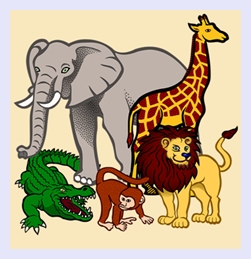
wildlife

THE GATHERING OF ALL WILDLIFE ANIMALS

In the past, there was a gathering of all wild animals. At that meeting, wild animals asked each other, to live in harmony and not division. They said, “We should have a king so that we could be united.”

Then they began to ask each other, “Who shall we choose as our king?” One of them said, “Let our king be, the Lion.” Why?”, they asked.  He answered, “The Lion is the owner of the land.”

Another one said, “Let our king be the Rhino.” “Why?”, they asked. He replied, “Because he is fierce.”

Another animal said, “Let our king be the Buffalo.” “Why?”, others asked.  “Because he is a very fierce one, and his head is big, and his body is also big. It pushes down trees.”

Another animal proposed, “Let our king be Elephant.” As usual, others asked, “Why?” He answered, “He is the biggest of all of us.He has power and big body size.” They finally agreed that Elephant would be their king.

Hare did not attend the meeting. When the animals had dispersed, some of them met with the Hare on the way and he asked them, “Gentlemen coming from the meeting, whom have you made the king?”

They said, “We have made Elephant the king.” Then, he asked “Was the two legged animal there?” They replied, “The two legged animal was not there.”

A few days later, it was heard that Elephant had been killed by two legged animal. Then Hare said, “I told you that you were wrong for not making him king.” Since then, they have no king. They are ruled by two legged animal.

It was narrated that it was like this. All wild animals had seen the two legged animal walking in the field with a gun. The wild animals then went to their king Elephant and told him, “Go and kill the two legged animal.”  King Elephant confronted the two legged one.King Elephant then said, “I am the king. I can kill you.” the two legged animal   said, “Try and you will see” All the wild animals were watching to see who would be killed.

As Elephant approached, the two legged animal shot him.  All the wild animals witnessed the smoke produced during the firing exercise. All the wild animals were frightened and said, “Now our king will be the two legged animal.”

When the two legged animal came to his friends he told them, “I killed Elephant.” He continued, “When I fired, the animals were shocked by the loud voice. Elephant their king, fell to the ground, and died.”

Genesis. 5:28.
41. NGOSO NA JANGU

Collected by: Don Sybertz, Scanned by: Cephas Yao Agbemenu

With special thanks to Rev Joe Healey (African proverbs,Sayings and stories)

Ngoso jali jogoha jangu kibhi niyo. Jalijitugima kubhuluka hape limi nulu bhujiku nahene yaya, nguno jali jogoha kubhulagwa. Jubhona jikucha duhu na nzala.

Nose jibhilinga kulomana jite kinehe, aho jitali jukobha umu jite, nsumba wa ngoso wimila, uhaya giki, “Bashi lulu, nene napandika umhayo gwa wiza, guli giki, tuyitunge jangu ikinda mu nhingo, tubhize tuyigwe hose uko ujilila.”

Bhana ngoso bhuyega niyo no, bhunkumilija no unsumba wa ngoso uyo wabhalanga masala genaya.

Aliho namhala wa ngoso walahumulile du, ubhuka uhaya giki, “Hene mhayo gwenuyu gwa wiza bhuli, aluyo alagantunge u jangu ikinda nani?” Ngoso ki uyo ugima kuja kuntunga jangu ikinda? Henaho lulu yubhalemela, na kushishana haha.

Kiswahili: Panya Na Paka

Panya walikuwa wanamuogopa sana paka. Hawathubutu kutoka mchana wala usiku wakiogopa kuuawa. Wakaona watakufa na njaa.

Mwishowe wakafanya kikao wakitafuta la kufanya. Wakiwa bado hawajakaa, kijana wa panya akasimama, akisema hivi, “Jamani mimi nimepata wazo zuri, liko hivi, tumfunge paka kengele shingoni, ili tuwe tunaisikia wote kule anakoenda.

Panya wakafurahi tena mno. Wakamsifu mno kijana huyo wa panya aliyewafundisha akili hizo.

Lakini mzee mmoja wa panya alikuwa amenyamaza tu. Akauliza akisema, “Lakini wazo hili ni zuri, lakini atakayemfunga paka kengele ni nani?” Panya yupi atakayethubutu kuja kumfunga paka kengele?” Hapo basi ikawashinda na mpaka sasa.

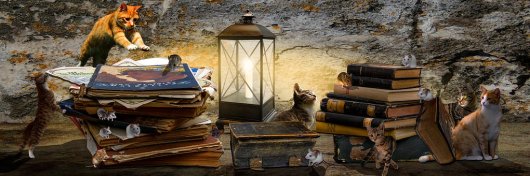
animals-cats and rats

ENGLISH: THE MICE AND THE CAT

Mice were very much afraid of the cat. They did not dare going out during the day or night as they were afraid of being killed. After a long time, they thought they would die of hunger.

Finally they convened a meeting to discuss what to do. As they were thinking, one of the mice stood up and said “Brothers and sisters, I have got an idea. Let us tie a bell around the cat’s neck so that we can hear it wherever it is going.

The mice were very happy with the idea. They praised the young mouse who brought that idea.

But one old mouse was quiet all the time. He then asked, “This is brilliant idea, but who will bell the cat?” Which mouse is going to dare   bell the cat?”  The whole project failed until today.

40. Mala Milimo Agacha Adatolile

Collected by: Don Sybertz, Scanned by: Cephas Yao Agbemenu

With special thanks to Rev Joe Healey (African proverbs,Sayings and stories

Walaliho namhala umo, akang’wila ng’wana wakwe, “Ihaha uli munhu ntale gete. Kobhaga nkima utole.” Ng’wana ung’wila ise. “Ng’hana nakutola, aliyo tame nite kwibhegeleja haho natali kutola na kutunga ndoa.” Hangi uhaya, “Nazenge numba tame, nulu nalitola nikale chiza na nke wane.”

Aho wamala kuzenga numba, jingila kidiku. Nyanda ng’wenuyo uhaya hangi giki, “Nalime tame, nguno ulu nalatole, unene nu nke wane tulayulya chiza.” Aliyo aha wamala kulima, lyubhiza ikanza lya ngese. Uhaya, “Nalimile ngese jane, shiliwa jane jizidukenaguka. Ulu numala nutola.”

Aliyo aha wamala ukulimila migunda yakwe, lyushika ikanza lya mavuno. Uyomba, “nakume tame ishiliwa jane nanalatole.” Wakamala ukukuminga ishiliwa jakwe. Uyomba hangi, “Natule chiza shiliwa jane ng’wibhelele nanatole.” Aho wamala kulima. Gukumiga na kutula shiliwa jakwe ng’wibhelele, usata wangu. Na shitabhitile shiku ningi ucha. Akacha adatolile.

Kiswahili: Mmaliza Kazi Alikufa Bila Kuoa

Kulikuwa na mzee mmoja alimwambia mwanae, “Sasa wewe ni mtu mzima kabisa. Tafuta mwanamke uoe.” Mtoto alimwambia baba yake, “kweli nioe, lakini nijiandae kabla ya kuoa na kufunga ndoa.” Tena alisema, “Nijenge nyumba kwanza, ndipo nioe ili nikae vizuri na mke wangu.”

Alipomaliza kujenga nyumba yakaingia masika. Kijana huyo akasema tena kwamba, “Nilime kwanza, sababu nikioa, mimi na mke wangu tutakuwa tunakula vizuri.” Lakini alipomaliza kulima ukawa wakati wa palizi. Akasema, “Nipalilie palizi yangu, chakula changu kisiharibike. Nikimaliza nitaoa.”

Lakini alipomaliza kupalilia mashamba yake, ukafika wakati wa mavuno. Alisema, “Nikusanye kwanza chakula changu ndipo nioe.” Alipomaliza kukusanya chakula chake, alisema tena, “Niweke vizuri chakula changu kwenye gala ndipo nioe.”

Alipomaliza kulima, kukusanya na kuweka chakula chake kwenye gala, aliugua haraka. Hazikupita siku nyingi akafa. Alikufa bila kuoa.

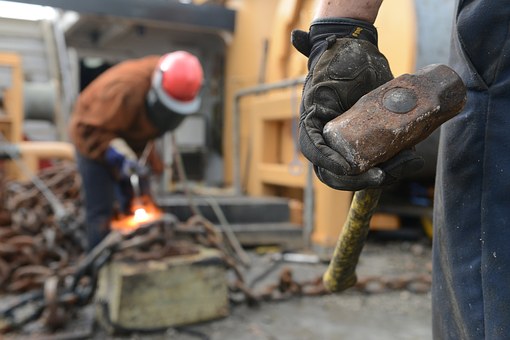
working man

ENGLISH: THE WORK FINISHER WHO DIED WITHOUT MARRYING

There was an old man who said to his son, “Now you are an adult. Find a woman to get married to.”The child told his father,“ I really want to get married, but let me prepare myself before I get married.”He also said, I should build a house first, then I will live comfortably with my wife.

When he had finished building the house, the rain season came in. Again, the young man said, “Let me  first cultivate because when I get married, my wife and I will be eating well.” But when he finished ploughing, the weeding time came. Then, he said, “Let me finish my weeding as I don’t want my farm to be destroyed by weeds. I shall marry after finishing weeding.

But when he had finished his weeding, there came time for harvesting. At that time, he said, “Let me first store my food.” When he finished collecting and putting the crops into his stores, he suddenly fell ill. After a few days, he passed away. That means he died without marrying.