Tanzania

1388. OISHIDAKAGA ISATA.

Olihoyi munhu uyo osadaga umuchalo ja Masanga. Umunhu ng’wunuyo agaja kubhugota ugayibhulila isata yiniyo bho gung’wila udakitali pye umoosatilaga kunguno ya gugudilila chiza umili gokwe gunuyo. Uweyi agalagulwa mpaga upila wangu kunguno ya guibhulila chiza isata yiniyo ukuli dakitali okwe. Hunagwene abhanhu bhang’wila giki, “oishidakaga isata.”

Akahayile kenako kagalenganijiyagwa kuli munhu uyo agagudililaga chiza umili gokwe bho guguchala kubhugota ulu osadaga umukikalile kakwe. Umunhu ng’wunuyo, agasataga wanguha guja kusitali oganomela udakitali umo agusatilaga bho nduhu uguibhisa isata kunguno ya witegeleja bhokwe ubho gugudilila chiza umili gokwe gunuyo, umuwikaji bhokwe. Uweyi agapilaga wangu ulu osataga kunguno ya witegeleja bhokwe bhunubho ubho gwanguha guja kusitali ulu osataga umukikalile kakwe kenako.

Umunhu ng’wunuyo, agikolaga nuyo agajuibhulila kuli dakitali isata yakwe mpaga upila wangu, kunguno nuweyi aganguhaga guja kusitali ulu osataga ogalagulwa mpaga opila wangu, umuwikaji bhokwe. Hunagwene abhanhu bhagang’wilaga giki, “oishidakaga isata.”

Akahayile kenako kalanga bhanhu higulya ya gubhiza na witegeleja bho gwanguha guja kusitali ulu bhasataga, kugiki bhadule gulagulwa na gupila wangu, umuwikaji bhokwe.

Mathayo 8:1-4.

Mathayo 8:28-34.

Mathayo 9:1-2.

Mathayo 9:18-22.

KISWAHILI: AMEUSHITAKI UGONJWA.

Alikuwepo mtu aliyekuwa anaumwa kwenye kijiji cha Masanga. Mtu huyo, alienda hosipitalini kuushitaki ugonjwa huo kwa kumweleza dakitali alivyokuwa anaumwa kwa sababu ya kuujali vizuri mwili wake huo. Yeye alitibiwa mpaka akapona haraka kwa sababu ya kuushitaki vizuri ugonjwa huo kwa dakitali wake. Ndiyo maana watu walimwambia kwamba, “ameushitaki ugonjwa.”

Msemo huo hulinganishwa kwa mtu yule ambaye huujali vizuri mwili wake kwa kuupeleka hosipitalini anapoumwa, katika maisha yake. Mtu huyo, huwahi kwenda hosipitalini anapoumwa kwenda kumweleza dakitali anavyoumwa bila ya kuuficha ujonjwa wake kwa sababu ya umakini wake huo wa kuujali vizuri mwili wake. Yeye hupona haraka anapougua kwa sababu ya kuwahi kwenda kutibiwa hosipitalini, maishani mwake.

Mtu huyo, hufanana na yule aliyeushitaki ugonjwa kwa dakitali wake mpaka akatibiwa na kupona haraka, kwa sababu naye huwahi kwenda hopitalini kutibiwa na kupona haraka anapoumwa, maishani mwake. Ndiyo maana watu humwambia kwamba, “ameushitaki ugonjwa.”

Msemo huo, hufundisha watu juu ya kuwa na umakini wa kuwahi kwenda kutibiwa hositalini wanapoumwa ili waweze kupona haraka, katika maisha yao.

Mathayo 8:1-4.

Mathayo 8:28-34.

Mathayo 9:1-2.

Mathayo 9:18-22.

ENGLISH: HE HAS ACCUSED ILLNESS.

There was a man who was sick in the village of Masanga. He went to the hospital to complain about such disease by telling the doctor how he was sick because he took respectable care of his body. He was treated until he recovered quickly because he had complained about it well to his doctor. That is why people told him that, “he has accused illness.”

This saying is equaled to a person who takes decent care of his body by taking it to the hospital when he is sick, in his life. Such man, when he is sick, goes to the hospital to tell the doctor how he is sick without hiding his illness because of his decent attention enough to take respectable care of his body. He recovers quickly when he gets sick because of attending to the hospital to get treatments in his life.

This man resembles the one who complained about his sickness to his doctor until he was treated and recovered quickly, because he also goes to the hospital to be treated enough to recover quickly when he is sick, in his life. That is why people say to him that, “he has accused illness.”

This saying imparts in people an idea of being careful enough to go to the hospital for treatment when they are sick so that they can recover quickly in their lives.

Matthew 8:1-4.

Matthew 8:28-34.

Matthew 9:1-2.

Matthew 9:18-22.

1387. OBHINHAGA ABHANHU BHUPILIPILI.

Olihoyi munhu uyo wikalaga muchalo jilebhe. Umunhu ng’wunuyo, otulaga bhupilipili umujiliwa jakwe mpaga bhaduma abhangi ujilya kunguno ya gukaliha guti bhalyaga bhupilili wenikili. Hunagwene abhanhu bhagang’wila giki, “abhinhaga abhanhu bhupilipili.”

Ulusumo lunulo, lugalenganijiyagwa kuli munhu nchilu uyo agabhakalihilaga sagala abhanhu bhakwe, umukikalile kakwe. Umunhu ng’wunuyo, agikalaga ubhadukagula sagala abhanhu bhakwe ulu okenyiyagwa nulu hadoo duhu, kunguno ya bhukali bhokwe ubho sagala bhunubho. Uweyi obhadukagulaga abhanhu bha ha kaya yakwe mpaga bhasatya umu ng’holo jabho gitumumo bhugasatijaga ubhupilipili kunguno ya bhukali bho mihayo iyo abhawilaga yiniyo. Abhanhu bhakwe bhenabho bhangigaga aha ng’wakwe osaga bhung’wene kunguno ya bhukali bhokwe bhunubho, umuwikaji bhokwe.

Umunhu ng’wunuyo, agikolaga nuyo agatuula bhupilipili umujiliwa jakwe mpaga bhuduma ugujilwa ijiliwa jinijo abhiye, kunguno nuweyi agabhawilaga mihayo mikali abhanhu bhakwe mpaga bhasatya umu ng’holo jabho guti bhalyaga bhupilipili. Hunagwene abhanhu bhaganhayaga giki, “abhinhaga abhanhu bhupilipili.”

Ulusumo lunulo lolanga bhanhu higulya ya guleka gubhawila mihayo ya gubhaminya abhanhu bhabho, kugiki bhadule gujibheja chiza ikaya jabho, umuwikaji bhokwe bhunubho.

Yoshua Bin Sira 7:8.

Yoshua Bin Sira 8:15.

KISWAHILI: AMEWAPA WATU PILIPILI.

Alikuwepo mtu aliyeishi kwenye kijiji fulani. Mtu huyo, alikuwa alikiweka pilipili kwenye chakula chake mpaka watu wengine wanashindwa kukila kwa sababu ya kuwaumiza kama wanakula pilipili wanapokila chakula hicho. Ndiyo maana watu walimwambia kwamba, “amewapa watu pilipili.”

Methali hiyo, hulinganishwa kwa mtu yule aliye na hasira ya kuwafokea watu hovyo, katika maisha yake. Mtu huyo, huwatukana hovyo watu wake anakosewa kidogo kwa sababu ya hasira yake hiyo ya hovyo, maishani mwake. Yeye huwaumiza watu waishio kwenye familia yake kwa kuwakaripia kupitia maneno ambayo huwaumiza mpaga wanaondoka nyumbani kwake hapo na kumuacha pekee yake kwa sababu ya hasira zake hizo za hovyo, katika maisha yake.

Mtu huyo hufanana na yule aliyeweka pilipili kwenye chakula chake mpaka wengine wakashindwa kukila, kwa sababu naye huwatukana watu wake kwa kutumia maneno makali mpaka wanaondoka nyumbani kwake. Ndiyo maana watu humwambia kwamba, “amewapa watu pilipili.”

Methali hiyo, hufundisha watu juu ya kuacha tabia ya kuwaambia watu wao maneno ya kuumiza mioyo yao, ili waweze kuzilea vyema familia zao, maishani mwao.

Yoshua Bin Sira 7:8.

Yoshua Bin Sira 8:15.

ENGLISH: HE GAVE PEOPLE PEPPER.

There was a man who lived in a certain village. Such man used to put pepper in his food until other people could not eat it because it hurt them if they ate pepper when eating that food. That is why people told him that, “he gave people pepper.”

This proverb is related to a person who is angry and shouts at people in his life. This man insults his people in this way when he is offended even a little because of his anger in his life. He hurts people who live in his family by scolding them through words that hurt them so much that they leave his house by letting him remain alone because of his anger in his life.

This man resembles the one who put pepper in his food until others could not eat it, because he also insults his people by using harsh words until they leave his house. That is why people told him that, “he gave people pepper.”

This proverb instills in people an idea of stopping habit of saying hurtful words to their family members, so that they can raise their families well in their lives.

Joshua 7:8.

Joshua 8:15.


1386. NENE NALINAJO IJILANGA.

Akahayile kenako kanhoyelile munhu uyo wikalaga na jilanga ijo oliajisanije gete umukikalile kakwe. Umunhu ng’wunuyo wikalaga na ngong’ho, lushu, ichimu, mbasa, bhuta na masonga. Ijilanga jinijo, oliajisanije noyi kunguno jangunanaga ukubhukinda ubhulugu. Hunagwene oyombaga giki, “nene nalinajo ijilanga.”

Akahayile kenako kagalenganijiyagwa kuli munhu uyo ang’wisanije Mulungu umukikalile kakwe. Umunhu ng’wunuyo, aganombaga Mulungu ulu opandikaga makoye kunguno abhudebhile ubhutale bho bhudula bhokwe uMulungu, umuwikaji bhokwe. Uweyi agakindaga bhuli bhulugu aha kaya yakwe kunguno ya bhudula bho ng’wa Mulungu uyo ang’wisanije, umuwikaji bhokwe bhunubho.

Umunhu ng’wunuyo, agikolaga nuyo wikalaga na jilanga ijo oliajisanije umubhulugu, kunguno nuweyi aganombaga Mulungu uyo ang’wisanije ulu opandikaga bhulugu umuwikaji bhokwe bhunubho. Hunagwene agayombaga giki, “nene nalinajo ijilanga.”

Akahayile kenako kalanga bhanhu higulya ya gujitumamila ijilanga jabho bho gung’wisanya Mulungu, kugiki bhadule kubhukinda ubhulugu na gupandika matwajo mingi gagubhashisha Ng’wiguru.

Hesabu 32:17.

2 Samweli 15:15.

KISWAHILI: MIMI NINAZO SILAHA.

Msemo huo humwongelea mtu aliyekuwa na silaha alizozitegemea sana katika maisha yake. Mtu huyo, alikuwa na bunduki, kisu, mkuki, shoka, upinde na mishare. Silaha hizo, alizitegemea sana kwa sababu zilizimsaidia kushinda vita. Ndiyo maana alisema kwamba, “mimi ninazo silaha.”

Msemo huo hulinganishwa kwa mtu yule amtegemeae Mungu katika maisha yake. Mtu huyo, humuomba Mungu anapokumbana na matatizo kwa sababu anauelewa uwezo wake Mungu ambao ni mkubwa, maishani mwake. Yeye hushinda kila vita katika familia yake kwa sababu ya kuutegemea uwezo huo mkubwa wa Mungu, katika maisha yake.

Mtu huyo hufanana na yule aliyezitegemea silaha zake katika vita, kwa sababu naye humuomba Mungu anayemtegemea anapopata vita maishani mwake. Ndiyo maana yeye husema kwamba, “mimi ninazo silaha.”

Msemo huo, hufundisha watu juu ya kuvitumia silaha zao katika kutatua matatizo yao kwa kumtegemea Mungu, ili waweze kupata mafanikio mengi maishani na kufika Mbinguni.

Hesabu 32:17.

2 Samweli 15:15.

ENGLISH: I HAVE WEAPONS.

This saying refers to a person who had weapons that he relied on a lot in his life. This person had a gun, a knife, a spear, an axe, a bow and arrows. He relied on those weapons because they helped him enough to win wars. That is why he said that, “I have weapons.”

This saying is equated to a person who relies on God in his life. Such person prays to God when he encounters difficulties because he understands God’s power which is great, in his life. He wins every battle in his family because of relying on that great power of God, in his life.

This person is like the one who relied on his weapons enough to win in wars, because he also prays to God whom he relies on when he finds a battle in his life. That is why he says, “I have weapons.”

This saying teaches people about using their weapons enough to solve their hitches by relying on God, so that they can achieve great success in life to the point of reaching Heaven.

Numbers 32:17.

2 Samuel 15:15.

1385. LYADINHA GULUB’ALUB’A MUNYANGALIKA.

Aho kale bhalihoyi bhanhu abho bhikalaga na bhabyaji bhabho. Abhabyaji bhabho bhenabho bhagazumalika bhulekwa bhaguyanganaga abhanhu bhenabho kunguno ya kubhiza bhapina. Abhoyi bhagiyumilija umumakoye gabho genayo mpaga nose bhumanila kunguno ya gudebha igiki bhadizile ng’hana ng’hana aha welelo henaha. Hunagwene bhagayomba giki, “lyadinha gulub’alub’a munyangalika.”

Akahayile kenako kagalenanijiyagwa kubhanhu abho bhagiyumilijaga bho gung’wisanya Mulungu ulu bhapandikaga makoye umukikalile kakwe. Abhanhu bhenabho bhagapandikaga mayange ga guchilwa na bhadugu bhabho bhiyumilija bho gung’wisanya Mulungu kunguno bhamanile igiki Uweyi adebhile yose. Abhoyi bhagikalaga na mholele umukaya jabho kunguno ya gwiyumilija bho gung’wisanya Mulungu ulu bhapandikaga mayange umuwikaji bhobho bhunubho.

Abhanhu bhenabho bhagikolaga nabho bhagiyumilija aho bhachilwa na bhabyaji bhabho mpaka bhumanila wangu, kunguno nabhoyi bhagiyumilijaga bho gung’wisanya Mulungu ulu bhapandikaga mayange gaguchilwa na bhadugu bhabho, umuwikaji bhobho bhunubho. Hunagwene bhagayombaga giki, “lyadinha gulub’alub’a munyangalika.”

Akahayile kenako kalanga bhanhu higulya ya gubhiza na wiyumilija bho gung’wisanya Mulungu ulu bhapandikaga mayange umukaya jabho, kugiki bhadule gugamala chiza, umuwikaji bhobho.

Kutoka 22:22.

Kumbukumbu la Torati 10:12.

KISWAHILI: LIMETUPA HUZUNI NA KUHANGAIKA.

Hapo zamani walikuwepo watu waliokuwa wakiishi na wazazi wao. Wazazi wao hao walifariki wakawaacha watoto hao wakiwa na huzuni kwa sababu ya kuachwa yatima. Wao walivumilia matatizo yao hayo mpaga mwishowe wakazoea kwa sababu ya kuelewa kwamba, hawakuja kuishi milele hapa duniani. Ndiyo maana walisema kwamba, “limetupa huzuni na kuhangaika.”

Msemo huo hulinganishwa kwa watu wale ambao huvumilia kwa kumtegemea Mungu wanapopata matatizo, katika maisha yao. Watu hao huvumilia kwa kumtegemea Mungu wanapopata matatizo ya kufiwa na ndugu zao, kwa sababu wanaamini kwamba, Yeye anajua yote. Wao huwa na amani kwenye familia zao kwa sababu ya kumtegemea Mungu wanapopata matatizo ya kufiwa na ndugu zao, maishani mwao.

Watu hao, hufanana na wale waliovumilia walipofiwa na wazazi wao, mpaka wakayamaliza haraka matatizo hayo, kwa sababu nao humayavumilia matatizo ya kufiwa na ndugu zao, kwa kumetemea Mungu, maishani mwao. Ndiyo maana wao husema kwamba, “limetupa huzuni na kuhangaika.”

Msemo huo hufundisha watu juu ya kuwa na uvumilivu wa kumtegemea Mungu wanapopata matatizo katika familia zao, ili waweze kuyamaliza vizuri, maishani mwao.

Kutoka 22:22.

Kumbukumbu la Torati 10:12.

ENGLISH: IT HAS GIVEN US SADNESS AND ANXIETY.

In the past, there were people who lived with their parents. Their parents passed away leaving their children sad because they were orphaned. They endured their glitches until they finally got used to them because they understood that they did not come to live forever on this earth. That is why they said that, “It has given us sadness and anxiety.”

This saying is paralleled to people who endure by relying on God when they experience hitches in their lives. These people endure by relying on God when they experience difficulties of losing their brethren, because they believe that He knows everything. They have peace in their families because of relying on God when they experience those difficulties of losing their brethren, in their lives.

These people are similar to those who endured hardships when their parents passed away, until they quickly overcame those hitches, because they also endure hitches of losing their brethren, by relying on God, in their lives. That is why they say that, “It has given us sadness and anxiety.”

This proverb imparts in people a clue of having patience enough to rely on God when they experience hitches in their families, so that they can end them well, in their lives.

Exodus 22:22.

Deuteronomy 10:12.

1384. OLU IDABHINZIKILE UZIDEBHEGELEJA.

April 2025 African Proverb of the Month If it is not broken don’t fix it. Sukuma (Tanzania) Proverb

Olu idabhenzekile uzidebhageleja. (Sukuma)
Ikiwa haijavunjika usirekebishe. (Swahili)
Si ce n’est pas cassé, ne le réparez pas. (French)
If it is not broken don’t fix it. (English)

Sukuma(Tanzania) Proverb

Background, Meaning and Everyday Use

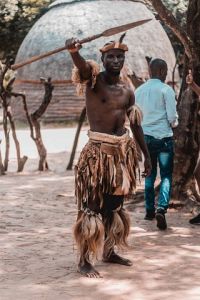
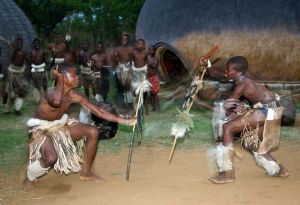
The Sukuma people are found in northern part of Tanzania. The regions where they are found are: Shinyanga, Simiyu, Mwanza, Geita, Katavi and Tabora. Sukuma is the biggest ethnic group in the country. It estimated to reach 10 million people that represents 16% of the inhabitants of Tanzania.  The word “Wasukuma” means “Northern People.” Because the Sukuma stayed in the north they decided to call themselves Sukuma.

These people work as farmers and pastoralists. They are tolerant, peaceful, calm and have jokes for anybody. They teach each other by using proverbs, riddles, wise sayings and drumming in order to mediate, educate, criticize, console, entertain and also encourage people as the proverb says: If it is not broken don’t fix it. When you recognize that something is in a satisfactory state, there is no reason to change it.

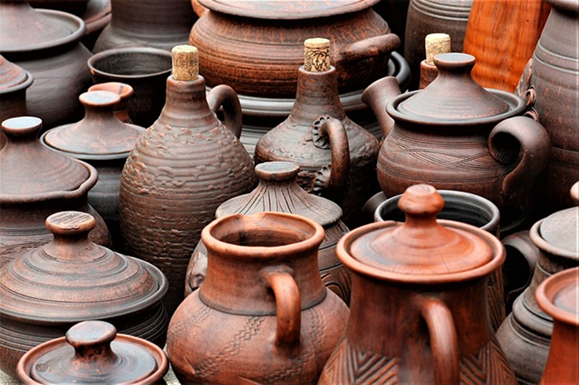
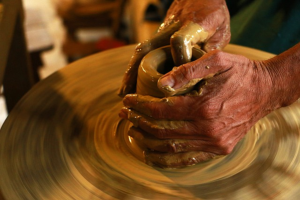
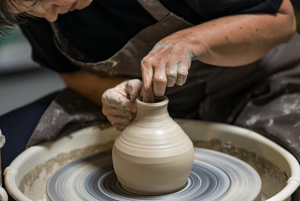
There was a woman who was working in a pottery factory. She started to fix strong pots by remolding them. She damaged them even more until they broke. When the buyers came, they rejected them because they were bad. That’s why the Sukuma people say If it is not broken don’t fix it. This saying is compared to the person who likes to negatively judge innocent people and criticize them. The woman’s act of remaking the pots makes her lose her peace of mind after destroying all the pots. This person is similar to people who consider themselves as good and end up looking at the mistakes of others. They can also up miss the Kingdom of God. But the good ones who were judged as sinners see the Kingdom of God.

Biblical Parallels

Mark 9:40: “Anyone who is not against us is for us.”

Matthew 19:2: “Then Peter answered and said, ‘look we have left everything and followed you. What are we to have, then?’”

Genesis 4:8: “Cain said to his brother Abel, ‘let us go out’ and while they were in the open           country, Cain set on his brother Abel and killed him.”

Mark 10:47-48:When heard that it was Jesus of Nazareth, he began to shout and cry out, ‘Son of David, Jesus, have pity on me.’ And many of them scolded him and told him to keep quiet.”

2 Corinthians 13:11: “To end then, brothers we wish you joy try to grow perfect, encourage one another, have a common mind and live in peace. And the God of love and peace will be with you.”


Contemporary Use And Religious Application

This Sukuma proverb encourages people to get rid of the habit of negatively judging everything by not seeing the good in others. Especially if they realize that those people are not flawed, they should not continue to insist on correcting their behavior.  This proverb helps Christians to encourage themselves in their daily worries. It helps them to find enough strength to confess their mistakes once they realize that they have failed in order to stand up and move forward again.

This proverb warns Christians that they should love and help each other in their daily lives and stop pointing fingers and judging each other but rather consult and admonish each other with love. This proverb makes people understand the consequences of following the lives of others and forgetting to reflect on their own lives. So, with that attention they can save their lives.

Therefore, we are in a period of globalization. Let’s encourage our children to participate in Small Christian Communities so that they can learn good values of Christian virtues, so they can be strong in faith enough to set goals in their lives and especially to have the fear of God. So that when they meet with temptations, they can overcome them with the armor of faith.

Text by:

Sister Lucia Deus Shelembi

Collegine Sisters of the Holy Family

Nairobi, Kenya

luciashelembi@gmail.com

Smartphone No: +254703201330 (also WhatsApp)

Photographs by:

Rev. Zakaria Kashinje, OSA
Dar es Salaam, Tanzania
Cellphones:
+255-756-887787 Vodacom
+255-717-3337787 Tigo
+255-786-337787 Airtel
Email: zkashinje@gmail.com
zkashinje@yahoo.co.uk