Riddles

153. KALAGU – KIZE KAJA NHWANI KALI DUHU UGIZA KAZWALILE – NHARANGA

Research sponsored by: Don Sybertz, with special thanks to Rev Joe Healey (African Proverbs, Sayings and Stories)

Imbuki ya kalagu yiniyo ililola Nharanga iyoigahambagwa idinamakolele gayo yuzwa na gupandika jizwalo jingi. Ihali yiniyo igalomelaga higulya ya b’upandiki bho wikaji upya ub’o b’ulinamatwajo mingi.

Ikalagu yiniyo igalenganijiyagwa na wikaji bho ng’wa munhu uyo oliopandika makoye umuwikaji bhokwe, wiyangula kuja nhwani kujuchola sabho na agajipandika. Aho ojipandika agiyangula gushoka kaya.

Abhasuguma bhagalomelaga uwandijo bho kalagu yiniyo bho gutumila jigano ja ng’wa Masanja, ijo jigigelaga mujitabho ijo jandikwa na Padri Joseph G. Healey, ijo jigitanagwa, “JE, MUNGU ANASEMA LUGHA GANI? Uk. 71-72.

Alihoi nsuguma umo uyo witanagwa Masanja. Wikalaga Maswa umu nkoa go Shinyanga (ihaha Simiyu). Umasanja aho otoola na guzenga numba mhya, agandika makoye mingi. Unke okwe agatoroka, ung’wana okwe agazumalika, inumba igagwa, na b’ib’i bhagib’a ing’ombe pye ija ng’wa Masanja. Ohaimanikila obhiza nhabhi. Agiganika giki ologwa.

Umasanja agandya gugwa nholo. Aliyo aha nhalikilo yaho agiyangula gwinga umunkoa go Shinyaga, (ihaha Simiyu) na guja nhwani. Agasumba lugendo guti ng’wilombeleja nulu mhabhi, bho nduhu myenda, nduhu hela, nduhu ginhu jose jose.

Aho oshiga inhwani UMasanja agakwabha. Ahagwandya agapandika nimo na numba.  Ahanuma ya yiniyo agandya iduka lya b’usuluja na hoteli. Agandya gupandika hela ningi. Agazenga numba ya makanza malihu na yab’ageni. Hangi uMasanja agandya jiwanda ja Soda.

Aha nhalikilo, agab’iza nsabhi o sabho ningi. Aliyo adatogilwe ugwikala iDar es Salaam. Kuyiniyo, uMasanja agashoka kaya yake Maswa, ku nkoa go Simiyu na sabho ningi: Maloli, myenda, ginhu ningi na hela ningi.

Kuyiniyo lulu, gufumiila umu jigano jinijo ja ng’wa Masanja, igiza ikalagu yinijo iyoihayile, ‘Oja nhwani aliduhu ugiza ozwalila – Nharanga.’

Ikalagu yiniyo ililanga bhanhu higulya ya kuleka gugwa nholo umuwikaji bhobho. B’ab’ize na wiyumilija bho gwandya gutumama milimo na bhukamu bho guchola uko bhalaipandikile imilimo yiniyo, kugiki bhadule gupandika matwajo mingi umuwikaji bhobho.

Ijinagongeja, ikalagu yiniyo, ililanga bhanhu higulya ya gutumila ubhuguguja bhobho ijinabhugalucha bho uwikaji bhobho b’ub’ize b’ob’upandiki kulebha igwandya.

KITENDAWILI: – TEGA

KALIENDA PWANI UCHI KAKARUDI KAMEVAA – KARANGA

Chanzo cha kitendawili hicho kilanaangalia karanga inayoopandwa ikiwa imetolewa maganda yake, ikaota na kupata vazi jingine. Hali hiyo huelezea juu ya uwepo wa upataji wa maisha mapya yenye mafanikio.

Kitendawili hicho hulinganishwa na maisha ya mtu aliyepata shida maishani mwake akaamua kwenda Dar es Salaamu kwenda kutafuta mali na kuzipata. Baada ya kuzipata aliamua kurudi nyumbani.

Wasukuma hueleza chanzo cha kitendawili hicho kwa kutumia hadithi ya Masanja, inayopatikana kwenye kitabu kilichoandikwa na Padri Joseph G. Healey kiitwacho “JE, MUNGU ANASEMA LUGHA GANI? Uk. 71-72.

Kulikuwa na mkukuma mmoja aliyeitwa Masanja ambaye aliishi Maswa katika mkoa wa Simiyu. Masanja baada ya kuoa na kujenga nyumba mpya, alipata matatizo mengi. Mke wake alitoroka, mtoto mchanga alifariki, nyumba ilianguka na wezi waliiba ng’ombe wote wa masanja. Ghafla alikuwa fukara. Alifikiri kwamba alilogwa.

Masanja alianza kutaka tamaa. Lakini mwishowe aliamua kuondoka Mkoa wa Shinyanga kwa muda (kwa sasa ni Simiyu), na kwenda pwani, yaani Dar es Salaam. Alisafiri kama mwombaji au fukara bila nguo, bila pesa, bila kitu chochote.

Baada ya kufika Dar es Salaam Masanja alibahatika. Kwanza alipata kazi na nyumba. Baada ya muda alianzisha duka la biashara, halafu hoteli. Alianza kupata fedha nyingi. Alijenga nyumba ya kudumu ya kupangisha. Tena Masanja alianzisha kiwanda cha soda.

Mwishowe, alikuwa tajiri mwenye mali nyingi. Lakini hakupenda kuishi Dar es Salaam. Kwa hiyo, Masanja alirudi nyumbani kwake Maswa, Mkoa wa Simiyu na mali nyingi: gari, nguo mpya, vitu vingi na pesa nyingi.

Kwa hiyo, kutokana na hadithi hiyo ya Masanja kikaja kitendawili hicho kisemacho, ‘Alienda pwani uchi akarudi amevaa – Karanga.’

Kitendawili hicho hufundisha watu juu ya kutokata tamaa maishani, badala yake, wawe na bidii ya kuanza kufanya kazi katika maeneo mbali mbali kwa ajili ya kupata mafanikio mengi maishani.

Zaidi ya hayo, kitendawili hicho, hufundisha watu juu ya kutumia ubunifu wa aina mbali mbali kiasi cha kutosha kubadili maisha yao ili yaweze kuwa mazuri zaidi kuliko yale ya mwanzo.

ENGLISH: I HAVE A RIDDLE – LET IT COME

ONE WENT TO THE BEACH NAKED AND CAME BACK DRESSED – GROUNDNUT

Masanja Goes to Dar es Salaam (story alone)


There is a well-known Sukuma, Tanzania riddle that goes like this:

“I have a riddle.” “Let it come.”
“He went to the coast naked and returned fully clothed?” … (answer) “GROUNTNUT.”

This riddle is based on the following adapted African story:

“Masanja was a Sukuma man who lived in Maswa in Simiyu Region of Tanzania. After getting married and building a new house Masanja got many difficulties. His wife ran away, his youngest child died, his house fell down and thieves stole all of Masanja’s cows. Suddenly he was a beggar. He thought he had been bewitched.

Masanja started to despair. But finally he decided to leave Simiyu Region, that is the interior of Tanzania, and go to the coast, to the city of Dar es Salaam. He travelled as a beggar without clothes, without money, without anything.

After arriving in Dar es Salaam, Masanja started to get lucky. First he found work and a house. After a while he opened a store, then a small hotel. He began to make a lot of money. He built a permanent house, which he rented. Then Masanja built a soft drink factory. Finally he became very rich with many possessions. But he didn’t want to live in Dar es Salaam. So he returned to his home in Maswa in Shinyanga Region with great wealth — a car, new clothes, many goods and a lot of money.” (Sukuma Ethnic Group, Tanzania Story-Riddle).

peanut-field

Masanja Goes to Dar es Salaam (story in context)


By Rev. Joseph G. Healey, M.M.

One particular Friday in late March the Christians of Mtakuja Small Christian Community (SCC) in Western Tanzania met to pray together. After the Bible Service Peter the SCC leader said, “We are accustomed to have a “Teaching” after the Bible sharing. But Easter is drawing near. Therefore I will tell the story of Masanja, a Sukuma who lived in Maswa in Shinyanga Region. After getting married and building a new house Masanja got many difficulties. His wife ran away, his youngest child died suddenly, his house fell down and thieves stole all of Masanja’s cows. Suddenly he was a beggar. He thought he had been bewitched.

Masanja started to despair. But finally he decided to leave Simiyu Region, that is the interior of Tanzania, and go to the coast to the city of Dar es Salaam. He travelled as a beggar without clothes, without money, without anything.

After arriving in Dar es Salaam on the Indian Ocean Masanja started to get lucky. First he found work and a house. After a while he opened a store, then a small hotel. He began to make a lot of money. He built a permanent house that he rented. Then Masanja built a soft drink factory. Finally he became very rich with many possessions. But he didn’t want to live in Dar es Salaam. So he returned to his home in Maswa in Shinyanga Region with great wealth — a car, new clothes, many goods and a lot of money.

After telling this story Peter the SCC leader asked the community members, “What do you think? What does this story of Masanja remind us of?” Immediately a Sukuma woman answered, “This story is similar to a Sukuma riddle.” She said, “I have a riddle,” and Peter answered, “Let it come.” The woman said, “He went to the coast naked and returned fully clothed?” Another Sukuma answered, “Groundnut.” Everyone laughed. Then other community members eagerly joined in the discussion. One woman said, “In my language Kinyamwezi we have a riddle that says: You went far away; you returned with great wealth? The answer is millet.” A Ngoreme youth said, “I remember a riddle in my local language Kingoreme: “I shot my arrow without feathers; it has returned with feathers?” The answer is runner bean.”

Another SCC member named William said, “I think the meaning of all these riddles resembles the example of the groundnut seed that is planted in the earth in order to later sprout. It grows inside of its shell. Afterwards the groundnut’s flowers are showy and very beautiful. This example is also like a verse in Chapter 12 of St. John’s Gospel: “Unless a grain of wheat falls on the ground and dies it remains only a single grain, but if it dies it yields a rich harvest” (John 12: 24).

Then Peter said, “Good. We have heard a fine explanation. But there’s still one more thing. Why have I told this story of Masanja near Easter Sunday?” For a while the SCC members were quiet. Then a widow named Modesta delighted the other Christians by saying, “The story of Masanja and the groundnut riddle and the example of the grain of wheat all resemble the death and resurrection of Jesus Christ. If a groundnut can be so changed surely the Son of God can rise from the grave in glory. The death and resurrection of our Lord Jesus Christ is the foundation of our Christian faith. In our everyday life we die and rise with him. Jesus Christ and we Christians too are like the seed that is buried in the ground before it can grow and bear fruit.”

Immediately all the community members clapped for this widow. They recognized that she had touched the very heart of the Lenten season and the feast of Easter.

ANOTHER VERSION

The source of the overhead riddle looked at the nuts that were sown. It had been removed from its pods and wore the other garment. The situation describes a presence of successful new life acquisition.

The puzzle is compared to the life of a person who is in trouble. The one decided to go to Dar es Salaam in seeking for material goods. After finding them the one decided to return home.

The sukuma people describe the basis of the above riddle by using the Masanja’s story, which is found in the book written by Rev. Joseph G. Healey, entitled “Je, Mungu anasema Lugha gani?” (Which Language does God say? pp. 71-72.

There was one man named Masanja who lived in Maswa in Simiyu region. Masanja after getting married and building a new home had many problems. His wife escaped, the baby died, the house collapsed and thieves stole all the cows. Suddenly he became poor. He thought that he had been bewiched.

Masanja began to crave. But he finally decided to leave Simiyu Region. He went to Dar es Salaam. He walked as a beggar, without clothes, money, without anything.

After arriving in Dar es Salaam Masanja became luck. First he got a job and a home. In time he set up a business shop, and then a hotel. He began to earn a lot of money. He built a permanent home for rent. Again Masanja introduced a soda factory.

Finally, he was rich in wealthy possessions. But he did not want to live in Dar es Salaam. So Masanja returned to his home at Maswa in Simiyu Region with many possessions: car, new clothes, lots of things and more money.

Therefore, thanks to the Masanja’s story as it explains foundation of overhead riddle that says, ‘He went to Dar es Salaam naked and came back dressed – Nuts.’

The above riddle imparts people not to give up on life, but rather they should work hard in different areas for being more successful in their lives.

Furthermore, the paradox, teaches people about using different forms of creativity enough to change their lives so that they can become more successful than their previous ones.

 

152. NA MHULI IGATUMAGWA

Research sponsored by: Don Sybertz, with special thanks to Rev Joe Healey (African Proverbs, Sayings and Stories)

Imbuki ya lusumo lunulo ingilile ku mhuli iyo ili ndimu nhale, aliyo nayo igutumagwa. Akajile kaneko kalilola umo bhamanilila abhanhu ab’ingi, igiki, abhobhagatumagwa bhagab’izaga bhanhu bhadoo.

Umukab’ila ya Jisuguma, ‘mhuli’ ilingisilile: Munhu ntale nulu uyo aliwikujo. Giko lulu bhanhu bhalebhe bhagayombaga; “mapuli gagib’uchaga,” ilingisilile giki, ‘amapuli gagiyambilijaga, bho gwitumamila.

Akajile ka bhanhu, umunhu utale adatumagwa sagara sagara, nonono na bhadoo. Aliyo gagigelaga makanza ga makoye agagwifumbukija, aho igelelilwe gumtuma nulu munhu ntale. Ukuli munhu ntale uguzunya kutung’wa bhuli widohya.

Kuyiniyo, abhasuguma bhagatumila jigano ijo jilina bhanhu bha solobho bhadatu, abho pye bhali na bhudula, ikujo na Nguvu ijojilinganilile. Aliyo lulu igigelelwa giki umo obho atung’we gujubhapija bhana abho bhahaga gulib’ila muminzi. Agatung’wa uumo obho. Uja ukabhapija abhana bhenab’o.  elephant2

Kuyiniyo lulu, gufumila mujigano jinijo, ulusumo lunulo ulojisuguma, “Na Mhuli igatumagwa,” giki, nu munhu uyo aliosolobho, adulile gutung’wa, lumanyika guti nzila ikujo iyoigatumikaga umumakanza gagumtuma untale.

Ulusumo lwenulo lugalenganijiyagwa nu kuli munhu uyo alintale ijina wikaji, nulu ijina gubhiza na nimo ntale, mubhanhu bhenabho, uyo azunije ugutung’wa na bhiye gujuitumama iyo idulile gwenha solobho yabho aha kaya, umuchalo na nulu umusi yiniyo.

Ijina gubheja kajile, abhasuguma bhagatumila lumeng’ho lo Mhuli iyo ilindimu nhale na iyo ili nanguzu ningi noi, kugiki gubhalanga abhananzengo higulya ya kubhiza nilange lya widohya na bhutumami bho milimo ya gubheja chalo.

Jilihoi jigemelo ja gatumamile ka lusumo lunulu. Lushigu lumo Msenyere (Askofu) o jisuguma umo o Tanzania agasumba lugendo guja ku si ya kule. Ntumami umo agahaya gung’winha mhela ya guchala kuli nwani ng’wiye uyo wikalaga uko alajile umusenyere. Haho adinanomba uwambilijiwa ubho ugufuma kuli Msenyere, agalutumia ulusumo lunulo. Haho na haho umsenyere agazunya uguichala imhela.

Kuyiniyo, ulusumo lwenulo lulilanga bhanhu higulya ya kub’iza na nhungwa ja widohya umuchalo. Inhungwa jinijo judulile gwenha solobho aho bhali, ku nguno, bhuli ng’wene uyo alinajo inhungwa jinijo, azunije ugutungwa na b’iye gujuita iyo idulile gub’eja kaya, nulu chalo na nulu Sii yabho.

Ijinagongeja, ulusumo lunulo hangi, lulilanga bhanhu higulya ya kuwikala na uwidohya bho munhu untale ng’winuyo ijinabhutumami bho milimo ya gwenha mholele na solobho umuchalo.

SWAHILI: HATA TEMBO HUTUMWA

Chanzo cha methali hiyo, ni mnyama mkubwa ambaye ni Tembo anayehusianishwa na kutumwa. Hii ni kutokana na kuwepo kwa mazoea ya watu wengi, kuwa na kawaida ya kuwatuma watu wadogo.

Katika lugha ya Kisukuma, “mhuli”, yaani, Tembo, maana yake ni: Mtu mkubwa au mwenye heshima. Ndivyo baadhi ya watu pia husema; “mapuli gagib’uchaga,” yaani, “tembo hubebana (husaidiana)”, wakiwa na maana ya kusema, watu wakubwa huhudumiana.

Kwa kawaida mtu mkubwa hatumwi ovyo ovyo, hasa na mdogo. Lakini hutokea wakati wa shida ya dharura, ambapo inabidi kutuma hata mtu mkubwa, kwa mtu mkubwa kukubali kutumwa ni kujinyenyekea.

Kwa hiyo wasukuma walitumia hadithi ilihusisha watu muhimu watatu ambao wote ni wenye heshima, uwezo, nguvu zilizosawa. Lakini ilitakiwa mmoja wao atumwe kwenda kuwaokoa watoto waliotaka kuzama majini. Akatumwa mmoja wao. Akaenda kuwaokoa watoto hao.

 Kwa hiyo, kutokana na hadithi hiyo, methali hiyo ya kisukuma isemayo, “Hata tembo hutumwa,” yaani, hata mtu muhimu, anaweza kutumwa, ikajulikana kama njia ya hekima utumikayo wakati wa kumtuma mkubwa.

Methali hiyo hulinganishwa kwa mtu mkubwa kiumri, au mwenye cheo kikubwa, katika jamii hiyo, ambaye hukubali kutumwa na wengine kwenda kufanya kazi za kuleta maendeleo yao katika familia, jamii, na Taifa kwa ujumla.

Katika kujenga mtindo huo, wasukuma walitumia ishara ya tembo ambaye ni mnyama mkubwa na mwenye nguvu zaidi, ili kuwafundisha wanajamii juu ya kuwa na maadili ya unyenyekevu wa kuwawezesha watu kutoa huduma katika jamii.

Kuna mfano mzuri wa matumizi ya methali hii. Siku moja Askofu Msukuma wa Tanzania alifunga safari kwenda mbali. Mtumishi mmoja alitaka kutuma zawadi kwa rafiki aliyeishi mahali askofu alikokuwa anaenda. Kabla ya kuomba msaada kutoka kwa askofu alitumia methali hii kuhusu tembo. Mara moja askofu alikubali kupeleka zawadi.

Kwa hiyo, methali hiyo huwafundisha watu juu ya kuwa na maadili ya unyenyekevu katika jamii. Maadili hayo huweza kuleta maendeleo kati yao, kwa vile kila mwenye maadili hayo huwa tayari kukubali kutumwa na wenzake kwenda kufanya kazi za ujenzi wa familia, jamii na Taifa kwa ujumla.

Zaidi ya hayo, methali hiyo pia hufundisha watu namna ya kuiga unyenyekevu wa mtu huyo mkubwa katika kutekeleza huduma za kuleta amani na maendeleo katika jamii.

ENGLISH: EVEN AN ELEPHANT, THAT IS, AN IMPORTANT PERSON, CAN BE SENT.

The foundation of the overhead proverb, is the elephant which is the largest animal that, however, can be sent. This is due to the existence of habits among many people who have the tendency to send small people.

In the sukuma language, “Mhuli”, that is, elephant, meaning: great or reverent man. So some people also say; “The elephants carry one other,” that is, “elephants are interconnected (help one another)”, meaningful to say, older people work together.

Usually it is not right at all, especially for small persons to send the big person. But it happens during an emergency, where you have to send even a bigger one, for the greatest person to accept such an assignment is to be humble.

So the sukuma people used the story that consisted of three key people who are all respected, capable, and powerful. But one of them had to be sent to rescue the children who wanted to sink into the water. He was sent one of them. He went to rescue those children.

Therefore, thanks to the story, which led to the spread of the artificial proverb that says, “Even an elephant is sent,” that is, even an important person, can be sent. Such proverb became known as the wise way to use while sending a great person.

This proverb is likened to a great, prominent member of the community, who agrees to be sent by others to work towards their development in the family, community, and the nation as a whole.

In creating this proverb, the Sukuma people used the symbol of the elephant, the largest and strongest animal, to teach the values of humility that is required for giving services to their societies.

There is a good example of the usage of this proverb. One day a Tanzanian bishop started a trip away. One servant wanted to send a gift to a friend who lived at where the bishop was going. Before asking for help from the bishop he used this proverb about elephant. Immediately the bishop agreed to send a gift.

In some ways this Sukuma proverb and its teaching is countercultural. Some African men consider it a near taboo to be sent by a woman.

Furthermore, this proverb also teaches people on how to imitate the humility of such great person in fulfilling their service for their developments.


151. NAGUSUMAGA MIGEKA ALIYO UB’ULILO HASI

Research sponsored by: Don Sybertz, with special thanks to Rev Joe Healey (African Proverbs, Sayings and Stories)

Mbuki ya kahayile kenako ililola munhu uyo agasumaga migeka aliyo ub’ulilo bhokwe hasi, kulwa nguno oimala pye migeka guyijinja, usaga nuwei aligasha hasi duhu.

Akahayile kenako, kagayombagwa kuli munhu uyo agatumamaga nimo uyo gudabhab’ejaga uwikaji bhokwe, nulu ikaya yakwe. Abhanhu bhagayombaga, ‘Ugusumaga migeka aliyo ubhulilo hasi.’

Akahayile kenako kagalenganijiyagwa nu kuli munhu uyo alinsuluja o ginhu kudi mawalwa, nulu jingi, ijojidadule gung’wenhela solob’o ahakaya yakwe. Uwalwa bhudenhaga solobho aha kaya ya njinja nguno, unjinga owalwa, nulu unsizi agabhujinjaga pye ubhose bhoshila. Uwei agasagaga alimakoye duhu.

Akahayile kenako kakomile gulenganijiwa nu kuli munhu uyo adatumilaga chiza ijikolo ijo alijipandika ijinaguyibheja ikaya yakwe. Umunhu ng’wunuyo agajikenagulaga ijikolo ijo alijipandika ku mihayo ya sagala.

Akahayile kenako kagalangaga bhanhu higulya ya gwiyangalila ulu bhajipandika ijikolo. Bhaleke ugujikenagula sagala. Bhalondeje imihayo iyo igudula gub’ambilija mgikalile kabho.

Ijinagongeja, akahayile kenako kalanga bhanhu higulya ya kulondeja kajiile kawiza ako kadulile gub’ambilija umuwikaji b’ob’o. Uwikaji bhunub’o hubho bhudulile gub’enhela bhub’eja wiza bho kaya jab’o.

KISWAHILI: NASUKA MIKEKA LAKINI NILIAPO CHAKULA NI SAKAFUNI

Chanzo cha msemo huo kinaangalia mtu ambaye huwa anasuka mikeka, lakini anapomaliza kusuka anaiuza mikeka yote anabaki yeye anakaa chini tu. Msemo huo hutumika pale ambapo mtu anafanya kazi fulani ambayo haijengi maisha yake. Watu hao humuonya kwa kusewa, ‘Unasuka mikeka lakini uliapo chakula ni sakafuni.’

Msemo huo hulinganishwa kwa mtu anayeuza pombe au kitu kingine ambacho hakiwezi kumletea faida maishani mwake. Muuza pombe au mpika pombe huyo huuza bila kubakisha kitu. Hii ni kutokana na uzoefu kwamba, pombe mara nyingi huwa haimletei faida muuzaji pale nyumbani. Mtu huyo mara nyingi hubaki na matatizo yake tu.

Msemo huo pia hulinganishwa kwa mtu ambaye hatumii vizuri mali azipatazo katika kujiletea maendeleo kwenye familia yake. Mtu huyo hutumia mali hizo hovyo kwenye mambo yasiyofaa.

Msemo huo hufundisha watu juu ya kuwa makini katika matumizi ya mali zao maishani kwa maana ya kuacha matumizi yasiyo na maana. Badala yake, watu watumie mali zao katika kuleta maendeleo kwenye familia zao.

Zaidi ya hayo, msemo huo hufundisha watu juu ya kufuata mienendo mizuri inayoweza kuwasaidia katika maisha yao. Maisha hayo huweza kuwaletea maendeleo kwenye familia zao.

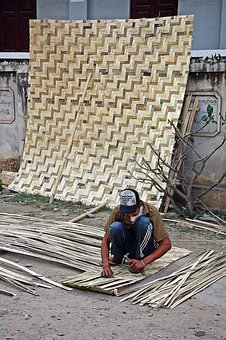
bamboo mat

ENGLISH: I MAKE MATS BUT I EAT FOOD ON THE FLOOR

Literal meaning

The above saying refers to someone who makes mats, then sells them all, thereby ending up having his/her food while sitting on the bare ground.

Deeper meaning

The above saying is used to refer to someone who does something that does not bring any benefit to their life. People will castigate such a fellow thus: ‘You make mats but you eat food on the floor.’

For instance, it is believed that people who sell or consume alcohol do not add any value into their lives. Such people suffer the severe consequences of alcoholism.

Such proverbial saying can also be used to refer to a person who misappropriates his/her resources, resulting to failure to provide for his/her household’s basic needs.

Therefore, the proverb is used to advise people to use their resources with care, for example by avoiding unnecessary expenditure. Rather, people should use their resources wisely to raise successful families.

ANOTHER ENGLISH VERSION: I MAKE MATS BUT I EAT FOOD ON THE FLOOR

The source of the above saying looks at the person who makes mats, but when he/she has finished making them he/she sells all of them. He/she continues staying down while eating.

The above saying is used when a person does something that does not bring benefit his/her life. The people warn him/her saying, ‘You make mats but you eat some food on the floor.’

It is compared to a person who sells alcohol or something else that can not bring benefits to his or her life. An alcoholic drinker or an alcoholic seller sells all of it. This is due to an experience that, alcohol routinely does not bring advantage to the homemade of the seller. Such person is regularly left with his/her own problems.

The proverbial saying is also compared to a person who does not use the resources he or she has in providing his or her household with basic needs. He/she uses his/her goods in an improper way.

Therefore, the above saying instills people to be careful about the use of their assets in life in the sense of putting aside an unnecessary expenditure. Rather, people should use their resources for bringing progress to their families.

Additionally, it imparts people on following positive ways which are good enough to support them in bringing progress to their lives. Such a life-style conveys success to their kinfolks.

150. KALAGU – KIZE ULULULIYOMBA BHULI MUNHU AGAMANYICHAGA – LUKUBHA NA JILUNDUMO

Research sponsored by: Don Sybertz, with special thanks to Rev Joe Healey (African Proverbs, Sayings and Stories)

Mbuki ya jigano jinijo ililola lukubha lo mbula. Ulukubha lugang’wekaga yakanuka ulugiki yandya gutula mbula. Giko lulu bhuli munhu agwigwa, na bhuli ng’wene agukomanya chiza igiki lolunduma lukubha.

Ijigano jenijo jigalenganijiyagwa nu kuli munhu uyo akilalaga amanyikile ukubhanhu abhangi mukikalile kakwe. Umunhu ng’wunuyo aliyeegela nu lukubha, kulwa nguno ya kumanyika gokwe.

Ukubhanhu ijigano jinijo jililanga higulya ya bhuli munhu gub’iza amanyikile akajile kakwe na mukayombele kamihayo iyo aliyihaya. Ilichiza abhanhu gwikala bhamanyikile inhungwa jabho jinamugikalile kabho.

Kuyiniyo, ijigano jinijo, jakomeleja bhanhu gwikala chiza umuwitanywa bhobho, kulwa nguno, bhuli ng’wene agamanyikilaga ku miito gakwe aga bhuli lushigu. Iyiniyo igubhatongela abhanhu, ugumana imhungwa ja bhichab’o ku miito gabho.

KISWAHILI: KITENDAWILI – TEGA

KILA AZUNGUMUZAPO HUJULIKANA KWA KILA MTU – RADI NA NGURUMO YAKE

Chanzo cha kitendawili hicho huangalia Radi ya mvua. Radi huuguluma na kutoa mwanga wakati mbua inanyesha. Hutoa mlio mkali. Hivyo basi, kila mtu aisikiaye ikiunguluma, hutambua ya kuwa hiyo ni radi. Hahitaji kuambiwa na ng’wingine, kuwa hiyo ni radi.

Kitendawili hicho, hulinganishwa kwa mtu yule mbaye huwa amejulikana kwa watu wengine kwa namna anavyoishi. Mtu huyo hukaribiana na Radi, kwa sababu ya kujulikana kwake.

Kwa watu, kitendawili hicho hufundisha juu ya kila mtu kuwa amejulikana kwa namna anavyoishi. Huwa ni vizuri watu kuwa wamejulikana kupitia tabia na matendo yao.

Kwa hiyo, kitendawili hicho, huhimiza watu kuuishi vizuri wito wao wa maisha. Hii ni kutokana na ukweli kwamba, kila mtu hujulikana kwa matendo yake ya kila siku. Hiyo, huwaongoza watu katika kufahamu tabia za wenzao kwa kuangalia matendo yao.

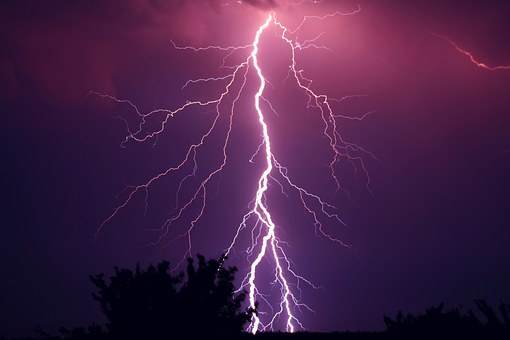
thunder

ENGLISH: I HAVE A RIDDLE – LET IT COME

WHEN IT SPEAKS EVERYONE KNOWS IT – LIGHTNING AND THUNDER

Literal meaning

Sometimes rain is known to come with lightning and thunder, creating a thunder storm phenomenon.

The thunder storm is usually heavy and loud, and the lightning comes with intense brightness; one need not be told by another about the incidence.

Deeper meaning

Just like in life, people are known by their individual characteristics. They become famous for one thing or the other.

Let your character and actions speak for themselves. Be known by your deeds.

In essence, the riddle encourages people to live up to their call in life, and to do their best while at it, in accordance with their capabilities and what is required of them.

ANOTHER ENGLISH VERSION: I HAVE A RIDDLE – LET IT COME

WHEN IT SPEAKS EVERYONE KNOWS IT – LIGHTNING AND THUNDER

The source of the above riddle looks at the lighting and thunder when it rains or it is about to rain. The lighting and thunder swells and gives light when it is about to rain or when it rains. It gives thunder storm.

So, everybody who hears the sound, recognizes that it is the lighting and thunder. One does not need to be told by another that it is the lighting.

The above riddle, is compared to someone who is known by other people according to the way one lives. Such person bears a resemblance to the thunder and lighting, because of his/her being famous in that area.

For people, the above riddle imparts everyone about being known in the way one lives. A person has do his/her best in living according to the requirements of his/her life. It is good for people to be known by others through their behaviors and actions.

Therefore, the above riddle, encourages people to live up to their call of life. This is due to the fact that, everyone is known by others through his daily actions. Thus, it leads people to recognize their peers’ behavior by looking at their actions.

149. KALAGU – KIZE B’INZAGA ILYAPE UKUNGE NA LYA NJANO – IGI LWA NGOKO

Research sponsored by: Don Sybertz, with special thanks to Rev Joe Healey (African Proverbs, Sayings and Stories)

Mbuki ya jigano jinijo ililola igi lya ngoko. Iligi ligab’izaga lyape ahahanje yalyo. Aliyo ulu giki ulimega umugati yalyo ligab’izaga lyanjano. Huna gwene abhanhu b’agiwilaga giki b’inzaga ilyape ukunge na lyanjano.

Ijigano jinijo jigalenganijiyagwa ku bhanhu abho bhagab’izaga b’ab’isile kajile kab’ub’i umuwikaji b’ob’o. Akajile akab’ub’i kenako kagigelaga kumakanza malebhe ayo akomile umunhu ng’wunuyo gukuumiwa na ng’wiye. Abhanhu bhenab’o bhagab’izaga bhali na nhungwa ib’ili.

Kuyiniyo lulu, Ijigano jinijo jab’alanga abhanhu higulya ya gub’iza na nhungwa imo iyo iliyawiza. Iyeniyo hiyo, idulile gub’ambilija ugwikala bho mholele na b’ichab’o umusi ng’wenumu. Akikalile kenako hakajile akawiza umuwikaji na bhanhu.

KITENDAWILI – TEGA

VUNJA JEUPE UPATE NA LA NJANO – YAI LA KUKU

Chanzo cha kitendawili hicho kinaangalia yai la kuku. Yai hilo huwa jeupe kwa nje. Lakini ukilivunja kwa ndani huwa la njano. Ndiyo maana watu huambiana kwamba, ‘vunja jeupe upate na la njano.’

Kitendawili hicho hulinganishwa kwa watu ambao huwa na mwenendo wenye tabia mbaya maishani mwao. Watu hao huonesha tabia mbili tofauti. Ile mbaya huwa wanaificha, ambayo hujitokeza wakati fulani tu wanapoguswa na wenzao.

Kwa hiyo, Kitendawili hicho hufundisha watu juu ya kuacha kuwa na tabia mbili maishani. Watu hao, watakiwa kuachana na tabia mbaya, badala yake wawe na tabia moja tu ambayo ni njema iwezayo kuwaletea maendeleo ya kuishi kwa amani na wenzao.

egg

ENGLISH: I HAVE A RIDDLE – LET IT COME

BREAK THE WHITE ONE YOU GET YELLOW ONE – CHICKEN EGG

The chicken egg is white on the outside and yellow inside. If you break the egg, you actually come across the yellow part inside. This is the literal meaning of the riddle ‘Break the white one you get the yellow one.’

The riddle assesses how people exhibit a double life in their relationships with others. Usually, they would appear quite good and with likeable demeanor, only for their hidden, wicked or immoral side to reveal itself at certain moments.

This riddle cautions against leading a double life, or having a pretentious character. It encourages a genuine, honest and decent conduct among people for a peaceful co-existence.

ANOTHER ENGLISH VERSION: I HAVE A RIDDLE – LET IT COME

BREAK THE WHITE ONE YOU GET YELLOW ONE – CHICKEN EGG

The source of the above riddle looks at the chicken egg. The egg is white on the outside. But if you break it inward it is yellow. That is why people say to one another, ‘break the white one you get the yellow one.’

Such riddle is likened to people whose behaviors are immoral in their lives. These people show two different behaviors. The worst one is hidden, which occurs only when they are touched by their peers.

Therefore, the overhead riddle instills people about giving up having two aspects in their lives. Those people, should abandon ruthless habits. They have to choose only one decent conduct that can pass to them peaceable growth with their peers.