Author: Sukuma legacy

1420. LYUB’A LYANG’OLOTA.

Aho kale olihoyi munhu uyo wikalaga muchalo jilebhe. Umunhu ng’wunuyo olina mito mab’i gagwiyoja na bhiye kunguno ya nhungwa jakwe ijabhub’i jinijo. Uweyi agapandika jilipilo ng’wa welelo, Ng’wa mudimi kunguno ya gwita mito mab’i genayo umuwikaji bhokwe. Hungwene abhanhu bhayomba giki, “lyub’a lyang’olota.”

Akahayile kenako kagalenganijiyagwa kuli munhu uyo adadililaga amalagilo ga ng’wa Mulungu bho gwita mito masoga umukikalile kakwe. Umunhu ng’wunuyo agagabhinzaga amalagilo ga ng’wa Mulungu bho gubhikolosha abhiye kunguno ya nhinda jakwe ijagulema kudilila gwita mito masoga umuwikaji bhokwe bhunubho. Uweyi agadumaga ugwikala chiza na bhanhu bha aha kaya yakwe kunguno ya nhungwa jakwe ijabhub’i jinijo, umukikalile kakwe kenako.

Umunhu ng’wunuyo agikolaga nuyo witaga mito mab’i mpaga upandika jilipilo kuli Mudimi, kunguno nuweyi agabhikoloshoga abhiye mpaga oduma ugwikala chiza na bhanhu bha ha kaya yakwe, umuwikaji bhokwe bhunubho. Hunagwene abhanhu bhagang’wilaga giki, “Lyub’a lyang’olota.”

Akahayile kenako kalanga bhazunya higulya ya gubhiza na witegeleja bho gugikalana chiza amalagilo ga ng’wa Mulungu kugiki bhadule kupandika mbango ja gujilela chiza ikaya jabho mpaga bhashige ng’wigulu.

Kutoka 20:1-12.

KISWAHILI: MUNGU KAMUNYOSHEA KIDOLE.

Hapo zamani alikuwepo mtu aliyeishi kwenye kijiji fulani. Mtu huyo alikuwa na matendo maovu ya kuzozana na wenzake kwa sababu ya tabia yake mbaya. Yeye alipata adhabu kutoka kwa Mungu. Ndiyo maana watu walisema kwamba, “Mungu kamunyoshea kidole.”

Msemo huo, hulinganishwa kwa mtu yule ambaye hajali maagizo ya Mungu kwa kutenda matendo mema katika maisha yake. Mtu huyo, huyavunja maagizo ya Mungu kwa kuwachokoza wenzake kwa sababu ya kiburi chake cha kukataa kutenda mema, maishani mwake. Yeye hushindwa kuishi vizuri na watu wa kwenye familia yake kwa sababu ya tabia yake hiyo ya kutenda maovu, katika maisha yake hayo.

Mtu huyo, hufanana na yule aliyetenda maovu mpaka akaadhibiwa na Mungu, kwa sababu naye huwachokoza wenzake mpaka anashindwa kuishi vizuri na watu wa kwenye familia yake, maishani mwake. Ndiyo maana watu husema juu yake kwamba, “Mungu kamunyoshea kidole.”

Msemo huo hufundisha watu juu ya kuwa na umakini wa kuyaishi maagizo ya Mungu ili waweze kupata baraka za kuzilea vyema familia zao mpaka wafike mbinguni.

Kutoka 20:1-12.

ENGLISH: GOD HAS POINTED HIS FINGER AT HIM.

Once upon a time, there was a man who lived in a certain village. Such man had evil deeds of quarreling with his companions because of his wicked behavior. He received punishment from God. That is why people said about him that, “God has pointed his finger at him.”

This saying is related to a person who does not care about God’s instructions in his life. This person breaks God’s instructions by provoking his companions because of his pride in refusing to do good deeds in his life. He fails to live well with his family members because of his behavior of doing evils in his life.

This person is like the one who did evils until he was punished by God, because he also provokes his companions until he fails to live well with his family members in his life. That is why people say about him that, “God has pointed his finger at him.”

This saying teaches people about being careful enough to live according to God’s commandments so that they can receive blessings of raising their families well until they reach heaven.

Exodus 20:1-12.

1419. ILELO IB’INZA MALUNDI.

Imbuki ya kahayile kenako ihoyelile bhanhu abho bhagasiminza lugendo mpaga gunoga amagulu gabho. Abhanhu bhenabho bhali nalugengo lulihu gete ulogusimzina mpaga bhunoga shiniko alugushiga ndubu kunguno ya bhulihu bho lugendo lunulo. Hunagwene bhagayiwila giki, “ilelo ib’inza malundi.”

Akahayile kenako kagalenganijiyagwa kubhazunya abho bhagiyumilijaga gusiminza lugendo lulihu ulo guja ng’wigulu, umukakile kabho. Abhazunya bhenabho bhagiyumilijaga gusiminza lugendo lulihu ulo guja ng’wigulu bho gugikalana chiza amalagilo ga ng’wa Sebha, kunguno ya bhutungulija bhobho bhunubho, umuwikaji bhobho. Abhoyi bhagasiminzaga na bhuyeji umulugendo lobho lunulo kunguno ya gwikala kimoja na Yesu bho gugikalana chiza amalagilo gakwe, umukikalile kabho kenako.

Abhazunya bhenabho bhagikolaga nabho bhagasiminza lugendo lulihu bho gwiyumilija mpaka bhunoga, kunguno nabhoyi bhagiyumilijaga gusiminza lugendo lulihu lo guja ng’wigulu Kihamo na Yesu, umuwikaji bhobho. Hunagwene bhagayombaga giki, “ilelo ib’inza malundi.”

Akahayile kenako kalanga bhazunya higulya ya gubhiza na wiyumilija bho gusiminza kimoja na Yesu bho gugikalana chiza amalagilo ga ng’wa Sebha, kugiki bhadule gushiga ng’wigulu.

Yoshua 9:13.

1 Wafalme 19:7.

KISWAHILI: LEO IVUNJA MIGUU.

Chanzo cha msemo huo huongelea watu waliokuwa waliotembea safarini mpaka miguu yao ikachoka. Watu hao walikuwa na safari ya mwendo mlefu wa kutembea mpaka wakachoka hivyo bila ya kufika kwa sababu ya urefu wa safari hiyo. Ndiyo maana walisema kwamba, “leo ivunja miguu.”

Msemo huo hulinganishwa kwa waumini wale ambao huvumilia kutembea safari ya kwenda mbinguni, katika maisha yao. Waumini hao, huvumilia kusafiri mwendo mrefu wa kwenda mbinguni kwa kuyaishi maagizo ya Bwana, kwa sababu ya uaminifu wao huo, maishani mwao. Wao hutembea kwa furaha katika safari yao hiyo hiyo kwa sababu ya kuishi pamoja na Yesu kwa kuyaishi vizuri maagizo yake, katika maisha yao.

Waumini hao hufanana na wale waliotembea safari ndefu kwa kuvumilia mpaka wakachoka, kwa sababu nao huvumilia kutembea safari ndefu ya kwenda mbinguni pamoja na Yesu, maishani mwao. Ndiyo maana wao husema kwamba, “leo ivunja miguu.”

Msemo huo, hufundisha waumini juu ya kuwa na uvumilivu kwa kutembea pamoja na Yesu kwa kuyaishi vizuri maagizo yake, ili waweze kufika mbinguni.

Yoshua 9:13.

1 Wafalme 19:7.

ENGLISH: TODAY IS BREAKING LEGS.

The origin of this saying refers to people who walked on a journey until their legs got tired. These people had a long trip to walk until they got tired without arriving. That is why they said that, “today is breaking legs.”

The saying is paralleled to believers who endure their journey to heaven, in their lives. These believers endure long trip to heaven by living the Lord’s instructions, because of their faithfulness, in their lives. They walk happily on their same journey because of living with Jesus by putting into practice his instructions, in their lives.

These believers are like those who walked a long trip by enduring until they got tired, because they also endure long trip to heaven with Jesus, in their lives. That is why they say that, “today is breaking legs.”

This saying imparts in believers an idea of being patient in walking with Jesus by living his instructions, so that they can reach heaven.

Joshua 9:13.

1 Kings 19:7.

1418. UMTWE GWALABEDAGA AMAGULU. (BENA).

KISWAHILI: KICHWA KISIDHARAU MIGUU.

ENGLISH: THE HEAD DOES NOT DESPISE THE FEET.

Background, Meaning and Everyday Use

In their culture the Bena People often use riddles, sayings and stories to convey messages to the society and their family members in which they live. The head does not despise the feet is  one of the proverbs used by Bena Ethnic Group.

This proverb looks at the life of one person who does not accept advice. He was an old man called Ligoga that means “an angry person.” Ligoga had a wife and three children.

Lusisi Village is located in Njombe region in Tanzania, East Africa, It has a pleasant environment and lots of rain. Because of that, food was available in abundance. One year it rained a lot and everything flourished. Mushrooms also grew in abundance. The people were happy to find mushrooms because they liked them.

However, a problem occurred. Bad mushrooms were also produced and many people died after eating the poisonous mushroom because it was very similar to the good ones. The chief of the village continued to make an announcement and advised people to stop eating mushrooms at that time of heavy rain. But because people liked them so much many did not stop eating them.

Ligoga’s family also continued to eat. However, Ligoga’s wife was very afraid especially for their children.

Numbura Dzelu, which means “white heart” the name of Ligoga’s wife, started a conversation and said to her husband:

Numbura Nzelu: “My Husband!”

Elder Ligoga: “Say my Wife.”

Numbura Nzelu: “What do you think if we stopped eating mushrooms this time?”

Elder Ligoga: “What! No, my wife, do not be afraid, I have enough experience we cannot be abused.”

Numbura Nzelu: “But my husband, the situation is not good at this time, many people are dying.”

Elder Ligoga: “Nonsense” should we die today? How many years have we eaten and even since our ancestors.”

Numbura Nzelu: “There are changes due to heavy rains. I fear for our children.”

Elder Ligoga: “I am the owner of the house, believe me!”

Therefore, Elder Ligoga brought mushrooms as usual and his wife cooked; they all ate. Ligoga also gave them to the cat, and said if there is poison, I will know through the cat. They all went to sleep, bad luck! At midnight, the cat started screaming, running here and there. Elder Ligoga heard it, woke up his wife and children, they all shouted, “we are dying! We are dying!”

The neighbors heard the noise and helped to take them to the hospital. Because of fear, they vomited and had diarrhea; they were all overwhelmed, and Elder Ligoga could not speak at all. Immediately the doctor put drip for all at high speed. Fortunately, after one day they recovered and were allowed to return home.

After arriving home. Haaa! The cat is healthy. Elder Ligoga was shocked!!! “How did it happen?” he said, “Loo! How did you know if you ate bad mushrooms,” the neighbor asked, Ligoga said, “I gave mushrooms to the cat too, because of the fear of dying.” When they entered, they all laughed…Hahahaha!!! Duuuu! The poor cat was crying because she wanted to give birth. Ligoga’s wife, Numbura Nzelu, said bitterly, “my husband Umtuwe gwalabedaga amagulu which means, “The head does not despise the feet.” Elder Ligoga answered, “it is true my wife. Please forgive me and my children forgive me.”

This is how the proverb began and continues to be used today. This proverb is likened to people who think that being bossy is everything and cannot receive any advice from others.  Compare to this mother who showed love to her children. She did not care about her life, but put others first. This Bena Proverb teaches and motivates the community to be generous, love and help each other in everyday life.

Biblical Parallels

Matthew 18 10. “See that you do not despise one of these little ones. For I tell you that their angers in heaven always see the face of my father in heaven.”

1 Corinthians 14: 20. “Brothers and Sisters, stop thinking like children. Be like babies as far evil is concerned. But be grown up in your thinking.”

1 Samuel 15: 22. But Samuel replied: “Does the LORD delight in burnt offerings and sacrifices as much as in obeying the LORD?  To obey is better than sacrifice, and to hear is better than the fat of rams.”

Ephesians 4: 2. “Always be humble and gentle. Be patient with each other, making allowance for each other’s faults because of your love.”

Contemporary Use And Religious Application

This proverb reminds us all to be flexible and to accept the ideas and advice of others. These days there are problems everywhere. Everyone wants to be the leader of others. War and chaos are everywhere. There are many people like Elder Ligoga in families, marriages, in churches, in Small Christian Communities. You only find arguments and quarrels.

These situations show that the Gospel of Jesus has not penetrated into people’s hearts. We need to increase our faith and care and respect the lives of others. To lack a heart of compassion is to miss God Himself who has taken pity on all of us through the suffering and death of his Son. Christians should not stop going to church and to Small Christian Communities so that we get the strength to continue doing good, respecting and listening to each other.

Text and Photos by:

Sister Felisia Mbifile, SCSF

Rome, Italy

Email: felisiajmbifile@gmail.com

1417. NIBHUKILE.

Aho kale olihoyi munhu uyo oli na bhatumami bhokwe. Abhatumami bhakwe bhenabho bhalibhadantokigishaga umubhutumami bhobho bhunubho kunguno bhatumamaga chayachaya. Hunagwene agayomba giki, “nibhukile.”

Akahayile kenako kagalenganijiyagwa kuli munhu uyo agaitumamaga chiza imilimo yakwe bho nduhu gulagija bhangi, umukikalile kakwe. Umunhu ng’wunuyo agigulambijaga gutumama milimo yakwe mpaka oyimala chiza bho nduhu gulagija bhanhu bhangi kunguno ya gutogwa guidilila chiza imilimo yakwe yiniyo umuwikaji bhokwe. Uweyi agikalaga na sabho ningi noyi akaya yakwe kunguno ya guidilila bho guitumama chiza imilimo yakwe yiniyo mpaga oyimala chiza umukikalile kakwe kenako.

Umunhu ng’wunuyo agikolaga nuyo agibhukila guitumama chiza imilimo yakwe aho bhayitumama sagala abhatumami bhakwe, kunguno nuweyi agaitumamaga mpaga oyimala chiza imilimo yakwe bho nduhu gubhalagija bhanhu bhangi, umuwikaji bhokwe bhunubho. Hunagwene agayombaga giki, “nibhukile.”

Akahayile kenako kalanga bhanhu higulya ya guyidilila imilimo yabho bho gwigulambija guyitumama mpaga bhayimala chiza, kugiki bhadule gupandika sabho ja gutumamila umukaya jabho jinijo, umuwikaji bhobho bhunubho.

Ezekieli 34:10-15.

Yohana 10:11-15.

KISWAHILI: NIENDE MWENYEWE.

Hapo zamani alikuwepo mtu aliyekuwa na wafanyakazi wake. Wafanyakazi hao wahakumfurahisha katika utendaji wao wa kazi kwa sababu walifanya kazi hovyo. Ndiyo maana alisema kwamba, “niende mwenyewe.”

Msemo huo, hulinganishwa kwa mtu yule ambaye huyatekeleza vizuri majukumu yake bila ya kuwaagiza watu wengine, katika maisha yake. Mtu huyo, hujibidisha kufanya kazi zake mpaga anazimaliza vizuri bila ya kuwaachia watu wengine kwa sababu ya kuzijali vizuri kazi zake hizo, maishani mwake. Yeye hupata mali nyingi sana katika familia yake hiyo kwa sababu ya kuzijali kazi zake hizo kwa kuzitekeleza vizuri mpaga anazimaliza, katika maisha yake hayo.

Mtu huyo hufanana na yule aliyeenda mwenyewe kuitekeleza vizuri kazi iliyofanywa hovyo na wafanyakazi wake, kwa sababu naye huzitekeleza kazi zake mpaka anazimaliza vizuri bila kuwaagiza watu wengine, maishani mwake.  Ndiyo maana yeye husema kwamba, “niende mwenyewe.”

Msemo huo hufundisha watu juu ya kuzijali kazi zao kwa kujibidisha kuzitekeleza vizuri mpaka mwisho ili waweze kupata mali za kutumia vizuri katika familia zao, maishani mwao.

Ezekieli 34:10-15.

Yohana 10:11-15.

ENGLISH: LET ME GO MYSELF.

Once upon a time there was a man who had his employees. The employees did not please him in their work performance because they did not work well. That is why he said that, “let me go myself.”

This saying is equaled to the person who performs his duties well without ordering other people, in his life. This persons struggles enough to finish his works well without leaving them to other people because of taking decent care of his work in his life. He earns a lot of wealth in his family because of taking care of his work by performing it well, in his life.

This person is similar to the one who went himself to perform the work well done by his employees, because he also performs his works until he nicely completes them without ordering other people, in his life. That is why he says that, “let me go myself.”

This adage teaches people enough to take care about their works by striving to finish them well so that they can obtain decent wealth enough to use in their family lives.

Ezekiel 34:10-15.

John 10:11-15.

1416. IGEMBE NAGEMA NG’WELELE.

Aho kale olihoyi nhimi uyo olimilaga ligembe lya makono. Unhimi ng’wunuyo olialisanije iligembe lyakwe linilo kunguno olilimilaga chiza mpaga lyang’wenhela jiliwa aha kaya yakwe. Uweyi olidimilaga china iligembe linilo guti numo agabhukikaja ng’wana ng’welele, umuwikaji bhokwe. Hunagwene agayomba giki, “igembe nagema ng’welele.”

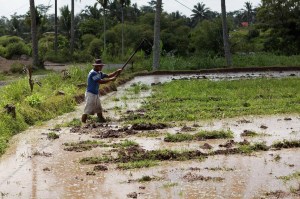
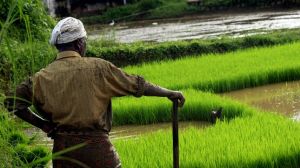
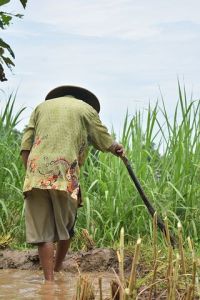
Akahayile kenako kagalenganijiyagwa kuli munhu uyo alina bhutungilija bho gwihanda gutumama chiza nimo uyo gugang’wenhelaga jiliwa, umukikalile kakwe. Umunhu ng’wunuyo agihandaga gugudumama unimo gokwe bho gubhalanga abhanhu bhakwe higulya ya gwigulambija kugugutumama chiza mpaga gobhapandikila jiliwa, kunguno ya bhutungilija bhokwe bhunubho, umuwikaji bhokwe. Uweyi agapandikaga jiliwa ja gulya chiza bhuli ng’waka aha kaya yakwe yiniyo, kunguno ya bhutungilija bhokwe bhunubho ubho gwigulambija gugutumama chiza unimo gokwe gunuyo, umukikalile kakwe kenako.

Umunhu ng’wunuyo agikolaga nu nhimi uyo olilimilaga chiza iligembe lyakwe mpaga lya ng’wenhela jiliwa aha kaya yakwe, kunguno nuweyi agagudimilaga chiza unimo gokwe gunuyo bho gwigulambija gugutumama chiza mpaga opandika jiliwa ja gulya chiza aha kaya yakwe yiniyo, umuwikaji bhokwe bhunubho. Hunagwene agayombaga giki, “igembe nagema ng’welele.”

Akahayile kenako kalanga bhanhu higulya ya gubhiza na bhutungilija bho gwigulambija guyitumama chiza imilimo yabho iyo igabhenhelaga jiliwa, kugiki bhadule gupandika sabho ja gutumamila chiza umukaya jabho jinijo, umuwikaji bhobho bhunubho.

Mwanzo 3:19.

Mithali 24:27.

KISWAHILI: JEMBE NIMEJARIBU MTOTO MCHANGA

Hapo zamani alikuwepo mkulima aliyelimia jembe la mkono. Mkuliwa huyo alilitegemea jembe lake hilo kwa sababu ya kulilimia vizuri mpaka linamletea chakula kwenye familia yake. Yeye alilishikilia vizuri jembe hilo kama anavyobeba mtoto mchanga, maishani mwake. Ndiyo maana alisema kwamba, “jembe nimejaribu mtoto mchanga.”

Msemo huo hulinganishwa kwa mtu yule ambaye hujikaza kuifanya vizuri kazi ile ambayo humletea chakula, katika maisha yake. Mtu huyo, huishikilia kazi yake hiyo kwa kuwafundisha watu juu ya kujibidisha kuitekeleza vizuri mpaka inawapatia chakula, kwa sababu ya uaminifu wake huo, maishani mwake. Yeye hupata chakula cha kula vizuri kila mwaka kwenye familia yake kwa sababu ya uaminifu wake huo wa kujibidisha kuitekeleza vizuri kazi yake hiyo, katika maisha yake hayo.

Mtu huyo hufanana na yule mkulima aliyelilimia vizuri jembe lake mpaka likamletea chakula kwenye familia yake, kwa sababu naye hujibidisha kuitekeleza vizuri kazi yake hiyo mpaka inamletea chakula cha kula kila mwaka kwenye familia yake, maishani mwake. Ndiyo maana yeye husema kwamba, “jembe nimejaribu mtoto mchanga.”

Msemo huo hufundisha watu juu ya kuwa na uaminifu wa kujibidisha kuzitekeleza vizuri kazi zao zinazowaletea chakula, ili waweze kupata mali za kutumia vizuri katika familia zao, maishani mwao.

Mwanzo 3:19.

Mithali 24:27.

ENGLISH: A HOE HAS TESTED A BABY.

Once upon a time, there was a farmer who cultivated farms by using a hand hoe. This farmer relied on his hoe because it worked well until it brought food to his family. He held the hoe tightly like he was carrying a baby, in his life. That is why he said that, “a hoe has tested a baby.”

This saying is equaled to a person who strives to do well the work that brings him food, in his life. Such person holds on to his work by teaching people about working hard enough to do it well until it provides them with food, because of his loyalty, in his life. He gets good food to eat every year for his family because of his loyalty to work hard enough to finish well his work in his life.

This person resembles the farmer who cultivated his farm until it brought food to his family, because he also strives to carry out his work well until it brings food to his family every year, in his life. That is why he says that, “a hoe has tested a baby.”

This proverb teaches people about being honest enough to carry out their work well that brings them food, so that they can obtain wealth for using well in their families, in their lives.

Genesis 3:19.

Proverbs 24:27.