proverbs

1324. UDIZUDALAHA JITENGILWE UDAMANILE UMO B’ALUHILAGA AB’AZUGI.

Ulusumo lunulo lyandija kuli munhu uyo agadalahija jiliwa ijo oliotengelwa. Umunhu ng’wunuyo agagenia ha kaya ya ng’wa munhu nhebhe. Abhanhu bha ha kaya yiniyo, bhagapemba moto, bhunzugila jiliwa mpaga jupya chiza kunguno ya wizanholo bhobho. Abhanhu bhenabho bhagantengela na kunkaribhusha giki ajilye ijiliwa jinijo.

Aliyo lulu ungeni ng’wunuyo agandya guyujidalahija ijiliwa ijo otengelagwa jinijo kunguno ya libhengwe lyakwe umuwikaji bhokwe. Hunagwene abhanhu bhenabho bhagang’wila giki, “udizidalaha jitengilwe udamanile umo b’ahuhilaga ab’azugi.”

Ulusumo lunulo lugalenganijiyagwa kuli munhu ndoshi uyo agadalahijaga imilimo iyo bhagayitaga abhiye umukikalile kakwe. Umunhu ng’wunuyo agamanaga uyidalahija imilimo iyo bhagayitumamaga abhiye bho guyisondagula sagala kunguno ya libhengwe na bhudoshi bhokwe bhunubho, umuwikaji bhokwe. Uweyi agabhagwisha ng’holo abhanhu bha ha kaya yakwe kunguno ya guyidalahija sagala imilimo iyo bhagayitumamaga aha kaya yiniyo, umukikalile kakwe.

Umunhu ng’wunuyo, agikolaga nu ngeni uyo agajidalaha ijiliwa ijo oliotengelwa na bhanhu abho oliobhageniha, kunguno nuweyi agayidahijaga imilimo iyo bhagayitumamaga ibhiye, aha kaya yakwe yiniyo. Hunagwene abhanhu bhagang’wilaga giki, “udizidalaha jitengilwe udamanile umo b’ahuhilaga ab’azugi.”

Ulusumo lunulo lolanga bhanhu higulya ya guleka bhudoshi bho guyidalaha imilimo ya bhichabho kugiki bhadule gubhiza na bhulumbi bho gubhakamya abhichabho gwikomeja gutumama milimo iya gubhapandikila matwajo mingi, umu kaya jabho.

Wagalatia 5:16-26.

Mithali 13:1.

Mithali 29:8.

Mwanzo 21:5.

KISWAHILI: USIDHARAU KILICHOWEKWA MEZANI HUJUI VILE WALIVYOHANGAIKA WAPISHI.

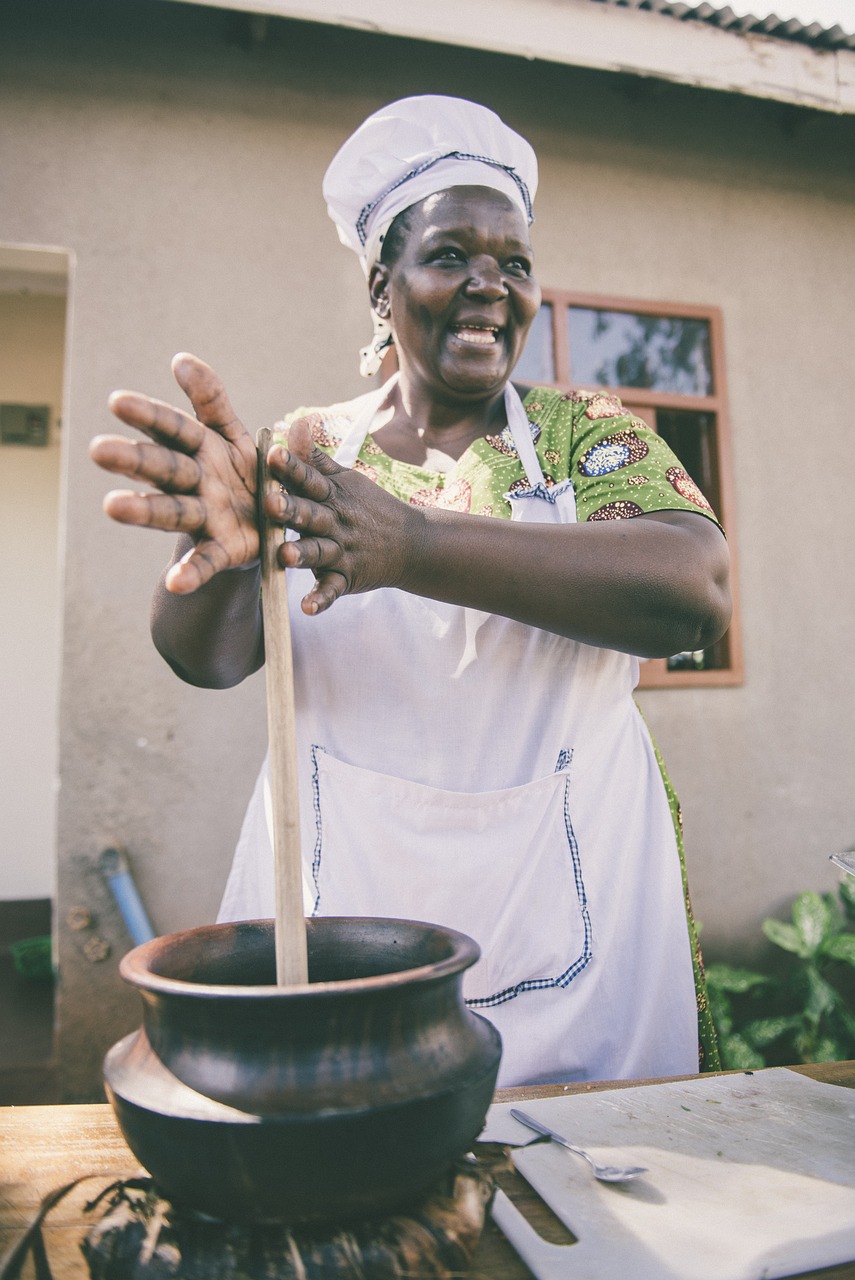
Methali hiyo ilianzia kwa mtu aliyedharau chakula alichowekewa mezani ili akile. Mtu huyo, alienda ugenini kwenye familia ya mtu fulani. Wenyeji wa kwenye familia hiyo walikoka moto, wakampikia chakula mpaga kikaiva vizuri kwa sababu ya ukarimu wao. Watu hao walimuwekea mezani chakula hicho na kumkarisha ili akile.

Lakini mtu huyo, alianza kukidharau chakula hicho alichowekewa mezani kwa sababu ya dharau yake hiyo maishani mwake. Ndiyo maana watu hao, walimwambia kwamba, “usidharau kilichowekwa mezani hujui vile waliyohangaika wapishi.”

Methali hiyo hulinganishwa kwa mtu mwenye majivuno ambaye hudharau kazi wanazofanya wenzake, katika maisha yake. Mtu huyo, huzidharau kazi wanazofanya wenzake kwa kuzikosoa ovyo, kwa sababu ya dharau na majivuno yake hayo, maishani mwake. Yeye huwakatisha tamaa ya kufanya kazi watu wa kwenye familia yake kwa sababu ya kuzidharua hovyo kazi wanazozifanya kwenye familia hiyo, katika maisha yake.

Mtu huyo, hufanana na yule mgeni aliyekidharau chakula alichokuwa amewekewa mezani ili akile, kwa sababu naye huzidharau kazi walizofanya wenzake kwenye familia yake hiyo. Ndiyo maana watu hao humwambia kwamba, “usidharau kilichowekwa mezani hujui vile waliyohangaika wapishi.”

Methali hiyo, hufundisha watu juu ya kuachana na majivuno ya kudharau kazi za wenzao, ili waweze kuwa na shukrani za kuwatia moyo watu wao, kiasi cha kutosha kujibidisha kufanya kazi za kuwapatia mafanikio mengi, kwenye familia zao.

Wagalatia 5:16-26.

Mithali 13:1.

Mithali 29:8.

Mwanzo 21:5.


african-4493422_1280

african-food-3957740__480

woman-5975589__480

ENGLISH: NOT DISDAIN WHAT HAS BEEN PLACED ON THE TABLE, YOU DO NOT KNOW WHAT THE COOKS HAVE WORKED HARD FOR.

This proverb is originated from a person who disrespected the food that was set on the table for him to eat. Such person went abroad to a certain person’s family. The people of that family turned on the heat, cooked a delicious meal for him because of their hospitality. Those people put the food on the table for him to eat it.

But he began to disrespect such food that was set on the table because of his disrespect in his life. That is why those people told him that, “Do not disdain what has been placed on the table, you do not know what the cooks have worked hard for.”

This proverb is matched to a proud person who disrespects works which his colleagues do in his life. Such person disrespects the works that his colleagues do by criticizing them carelessly, because of his pride, in his life. He discourages his family members from working hard because he so disdains the works which they do in his family.

This person is like the stranger who disdained the food that was placed on the table for him to eat, because he also disdains the works which are done by his family members. That is why those people tell him that, “Do not disdain what has been placed on the table, you do not know what the cooks have worked hard for.”

This proverb teaches people to do away with pride of disdainful work of their colleagues, so that they can be grateful enough to encourage their people to carry on working hard for bringing them much success in their families.

Galatians 5:16-26.

Proverbs 13:1.

Proverbs 29:8.

Genesis 21:5.

1322. MUMO UGAGUZUHILA UDIKOMILE GULIMILA LUGEMBE.

Aho kale olihoyi munhu uyo olina nguzu nyingi uyo wikalaga muchalo jilebhe. Umunhu ng’wunuyo agaja gujulima ngunda gokwe bho gutumila lugembe kunguno ya gwisanya nguzu jakwe jinijo. Uweyi agaduma ugulima kunguno ya gutumila lugembe ulo ludadulile ugugulima ungunda gokwe gunuyo. Hunagwene abhanhu bhagang’wila giki, “mumo ugaguzuhila udikomile gulimila lugembe.”

Ulusumo lunulo, lugalenganijiyagwa kuli munhu uyo agajaga kujutumama nimo na jitumamamilo ijo jidajilanijije nu nimo uyo aligagutumama, umukikalile kakwe. Umunhu ng’wunuyo, agigulambijaga gutumama milimo aliyo oduma uguimala chiza kunguno ya guhadikija gutumamila jitumamilo ijo jidadulile ugugutumama unimo gokwe gunuyo, umuwikaji bhokwe. Uweyi agakoiyagwa ni koye lya gugaiwa ijiwa aha kaya yakwe bhuli ng’waka kunguno ya gugayiwa witegeleja bho gutumamila jitumamilo ijo jidulile ugugumala chiza unimo gokwe gunuyo, umubhutumami bhokwe.

Umunhu ng’wunuyo, agikolaga nuyo agahadika gulimila ngunda lugembe uduma, kunguno nuweyi agajaga gujutumama nimo na jitumamilo ijo jidadulile ugugutumama unimo gokwe, umuwikaji bhokwe. Hunagwene abhanhu bhagang’wilaga giki, “mumo ugaguzuhila udikomile gulimila lugembe.”

Ulusumo lunulo, lolanga bhanhu higulya ya gubhiza na witegeleja bho gutumama milimo na jitumamilo ijo jidulile uguimala chiza imilimo yabho yiniyo, kugiki bhadule gupandika matwajo mingi, umubhutumami bhobho bhunubho.

Mithali 26:13-15.

2 Wathesalonike 3:6-15.

KISWAHILI: HATA UWE NA NGUVU KIASI GANI HUWEZI KULIMIA WEMBE.

Hapo zamani alikuwepo mtu aliyekuwa na nguvu nyingi ambaye aliishi kwenye kijiji fulani. Mtu huyo alienda kulima shamba lake kwa kutumia wembe kwa sababu ya kutegemea nguvu zake hizo. Yeye alishindwa kulima kwa sababu ya kutumia wembe ambao hauwezi kulima shamba lake hilo. Ndiyo maana watu walimwambia kwamba, “hata uwe na nguvu kiasi gani huwezi kulimia wembe.”

Methali hiyo hulinganishwa kwa mtu yule ambaye huenda kufanya kazi na kitendea kazi kisichoendana na kazi anayoenda kuifanya, katika maisha yake. Mtu huyo, hujibidisha kufanya kazi lakini bila kupata mafanikio ya kuimaliza vizuri kazi yake hiyo, kwa sababu ya kulazimisha kutumia kitendea kazi ambacho hakiwezi kuimaliza vizuri kazi yake hiyo, maishani mwake. Yeye hukumbwa na tatizo la kukosa chakula kila mwaka kwenye familia yake kwa sababu ya kukosa umakini wa kutumia kitendea kazi kinachoweza kuzimaliza vizuri kazi zake hizo, katika utekelezaji wa majukumu yake hayo.

Mtu huyo, hufanana na yule aliyejaribu kulimia wembe shamba lake akashindwa, kwa sababu naye huenda kufanya kazi na kitendea kazi kisichoweza kuzitekeleza kazi zake hizo, maishani mwake. Ndiyo maana watu humwambia kwamba, “hata uwe na nguvu kiasi gani huwezi kulimia wembe.”

Methali hiyo, hufundisha watu juu ya kuwa na umakini wa kutumia vitendea kazi vinavyoweza kuzimaliza vizuri kazi zao hizo, ili waweze kupata mafaniko mengi, maishani mwao.

Mithali 26:13-15.

2 Wathesalonike 3:6-15.

ENGLISH: NO MATTER HOW STRONG YOU ARE, YOU CANNOT PLOW BY USING A RAZOR.

Once upon a time, there was a very strong man who lived in a certain village. This man went to plow his field by using a razor because he relied on his strength. He failed to plow because he used a blade that could not plow his field. That is why people told him that, “No matter how strong you are, you cannot plow by using a razor.”

This proverb is compared to a person who goes to work with a tool that is not suitable for the work which he is going to do, in his life. Such person, exerts himself to work but without achieving success in completing his work well, because of forcing him to use a tool that cannot complete his work well, in his life. He suffers from problems of not having enough food every year in his family because of not being attentive enough to use a tool that can complete his tasks well, in carrying out his duties.

This person is like the one who tried to plow his field by using a razor and failed, because he also goes to work with a tool that cannot carry out his tasks, in his life. That is why people say to him that, “No matter how strong you are, you cannot plow by using a razor.”

This saying imparts in people a clue of being careful enough to use tools that can complete their tasks well, so that they can achieve several successes, in their lives.

Proverbs 26:13-15.

2 Thessalonians 3:6-15.

razor-blade-2132096_1280

1295. NJINJA ATINA NYANGO GUMO.

KISWAHILI: MWUZAJI HANA MLANGO MMOJA

ENGLISH: The salesperson (seller or merchant) does not have only one door. Sukuma (Tanzania) Proverb

Njinja atina nyango gumo. (Sukuma)
Mwuzaji hana mlango mmoja. (Swahili)
Le marchand n’a pas qu’une seule porte. (French)
The salesperson (seller or merchant) does not have only one door. (English)

Sukuma (Tanzania) Proverb

Background, Meaning and Everyday Use

The Sukuma Ethnic Group is the largest ethnic group (more than six million people) in Tanzania in East Africa and live mainly in rural areas in the northwestern part of the country on or near the southern shores of Lake Victoria – mainly in the Mwanza and Shinyanga Regions.
The Sukuma are the largest ethnic group in Tanzania. Sukuma means “north” and refers to “people of the north.” They are relatives of the Nyamwezi Ethnic Group and share a similar language of Bantu origin.

Traditionally part of an oral culture, the Sukuma people use many types of oral literature such as proverbs, sayings, riddles, stories, myths and songs to communicate values and priorities.

A popular Sukuma proverb says the salesperson (seller or merchant) does not have only one door. He or she goes all over the place. The salesperson goes to every door to sell his or her wares. He or she is ready for any response. The person is accustomed to be praised in one place and scorned in another place. The salesperson perseveres whatever happens.

This Sukuma proverb is posted on the:

Sukuma Legacy Project Website

https://sukumalegacy.org/category/sukuma-proverbs

Nanetya Foundation: Ethnic Stories in Mother Tongues Website 
http://nanetya-foundation.org/sukuma-proverbs

Biblical Parallels

St. Paul says, “Preach the word; be ready/prepared in season and out of season; correct, rebuke and encourage–with great patience and careful instruction” (2 Timothy 4:2). 

This Sukuma proverb relates to always trying and not being afraid to launch out into the deep. Compare Jesus’s words to Simon, “Put out into the deep water and let down your nets for a catch” (Luke 5:4).
The missionary experience is very similar. It is an experience of moving out and reaching out. “And Jesus said to them, “Go into all the world and proclaim the good news to the whole creation” (Mark 16:15). And in another place: “as the Father has sent me, so I send you” John 20:21). Missionaries are not meant to look inward only but to reach out. Missionaries are called to explore new vistas and new ways of doing things, to be flexible and ready for new experiences. Missionaries adapt to new and unexpected situations.

Missionaries adapt to new and unexpected situations. Compare this with St. Paul’s description of his missionary work in Philippians 4:12-13: “I know what it is to have little, and I know what it is to have plenty. In any and all circumstances I have learned the secret of being well‑fed and of going hungry, of having plenty and of being in need. I can do all things through him who strengthens me.”

Contemporary Use and Religious Application

There are many characteristic African proverbs from across the continent of Africa — Ghana, Kenya, Malawi, Tanzania, Uganda and Zambia — that describe the universal human experience of moving out, of going elsewhere. This reaching out experience is a learning experience as seen in many similar African proverbs and sayings: Traveling is learning (Kikuyu, Kenya). Traveling is seeing (Kikuyu, Kenya/Shona, Zimbabwe). Those who travel see much (Sukuma/Swahili, Eastern and Central Africa). One who does not move about knows very little (Haya, Tanzania). Thus, traveling broadens the mind and enlarges one’s experience.
This Sukuma proverb promotes mission and evangelization. The missionary, the evangelist uses all doors, all means, all avenues of spreading the Gospel. For example, today we reach people with the Good News of Salvation using many means of communication: traditional means, mass media, internet, social media, etc. Pope Francis encourages us to be “bold and creative.”

All Catholics, all laypeople and SCCs members have the missionary obligation to go out to proclaim the good news starting with our own local neighborhoods.

Another application is to African SCCs that adapt to the local context and adjust to local circumstances and situations. SCC members try to find creative ways and “doors” on the grassroots level.

Another application: In brainstorming about various pastoral solutions in youth ministry in Africa (how to reach out to young people) someone said: “If you can’t use the door, use the window or even the roof to get in,” meaning use all possible options or alternatives.

Further information on this proverb can be found in “To Be Called Is to be Sent,” Chapter Eight in Joseph Healey and Donald Sybertz, Towards an African Narrative Theology, (Nairobi: Paulines Publications Africa, 1996 (1st Reprint 1996, 2nd Reprint 1997, 3rd Reprint 2000, 4th Reprint 2005, 5th Reprint 2012) and Maryknoll, NY: Orbis Books, 1997, (many reprints, New Cover 2012). Available as an Ebook on Amazon (for Kindle), Google and Barnes and Noble (for Nook).

1289. BHACHOJI BHA NHULAGUJI.

Inhulaguji jili ngoko ijo jigicholelaga jiliwa bho gukulagula hasi. Abhachoji bha nhulaguji bhali bhachoji bha ngoko kunguno ya kikalile kajo kenako akagumana jukulagula bhuli makanza. Hunagwene abhachoji bhajo bhagitangwa giki “bhachoji bha nhulaguji.”

Ulusumo lunulo lugalenganijiyagwa kubhitoji abho bhagabhalangaga gwicholela chiza abhana bhabho, umuwikaji bhobho. Abhitoji bhenabho bhagabhalangaga gwicholela chiza abhana bhabho bho gumisha diyu bhaja gujutumama milimo yabho kunguno ya witegeleja bhobho ubho gwigulambija gutumama milimo yabho chiza. Abhoyi bhagabhakujaga abhana bhabho bhadebhile ugutumama imilimo yao chiza kunguno ya bhukamu bho gutumama milimo yabho chiza bhuli makanza umuwikaji bhobho bhunubho.

Abhanhu bhenabho bhagikolaga nabho chacholaga nhulaguji kunguno nabhoyi bhagabhalangaga abhana bhabho gwigulambija kutumama milimo yabho chiza umuwikaji bhobho. Hunagwene abhanhu bhagabhitanaga giki, “bhachoji bha nhulaguji.”

Ulusumo lunulo, lolanga bhanhu higulya ya gwigulambija gutumama milimo yabho bho bhukamu bhutale, kugiki bhadule kupandika matwajo mingi, umuwikaji bhobho bhunubho.

Mwanzo 9:7.

Mathayo 23:37.

Waamuzi 13:3.

Zaburi 28:3.

KISWAHILI: WATAFUTAJI WA PEKUA PEKUA.

Pekua pekua ni kuku ambao hutafuta chakula kwa kupekua pekua chini. Watafutaji wa pekua pekua ni watafuta wa kuku kwa sababu ya aina hiyo ya kuishi kwa kupekua pekua kila wakati. Ndiyo maana watu hao huwaita kwamba ni “watafutaji wa pekua pekua.”

Methali hiyo, hulinganishwa kwa wana ndoa wale ambao huwafundisha watoto wao namna ya kujitafutia, maishani mwao. Wana ndoa hao huwafundisha watu wao kwa kuamka asabuhi kwenda kufanya kazi zao vizuri kwa sababu ya umakini wao huo wa kujibidisha kufanya kazi vizuri. Wao huwakuza watoto wao wakiwa na ufahamu wa kufanya kazi vizuri kwa sababu ya bidii yao hiyo ya kufanya kazi zao vizuri kila wakati, mashani mwao.

Watu hao hufanana na hao wapekuzi kwa sababu nao huwafundisha watu wao juu ya kujibidisha kufanya kazi zao vizuri maishani mwao. Ndiyo maana watu huwaita kwamba ni “watatutaji wa pekua pekua.”

Methali hiyo, hufundisha watu juu ya kujibidisha kufanya kazi zao kwa bidii kubwa, ili waweze kupata mafanikio mengi maishani mwao.

Mwanzo 9:7.

Mathayo 23:37.

Waamuzi 13:3.

Zaburi 28:3.

ENGLISH: CANVASSERS OF SEARCHERS

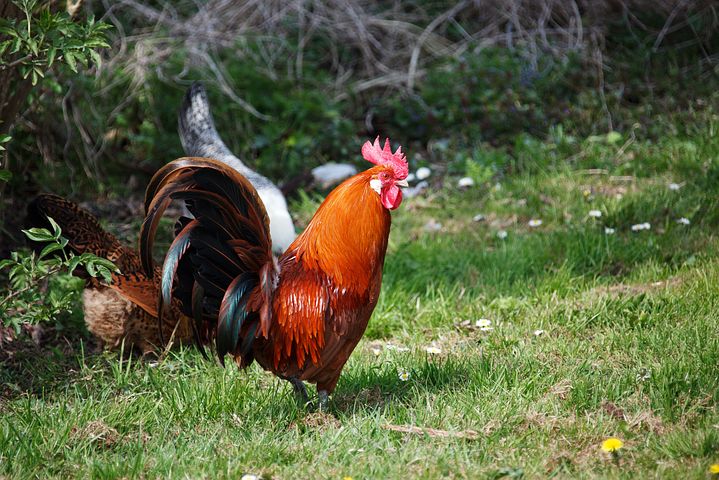
Canvassers are chicken that search for food by pecking on the ground. Foragers are chicken scavengers because of that kind of constant seeking lifestyle of their needs. That is why people call them “canvassers of searchers.”

This proverb is equaled to married people who teach their children on how to find basic needs by themselves in their lives. Those married people teach their children on how to wake up in the morning and do their jobs well because of their good responsiveness enough to work well. They nurture their children by giving them necessary knowledge for working well because of their effort to nicely do their works every time in their lives.

These people are similar to the constant food searching of chicken  because they also teach their people on how to work hard in doing their jobs. That is why people call them “canvassers of searchers.”

This proverb teaches people on how to force themselves in doing their works with great effort, so that they can acquire a lot of success in their lives.

Genesis 9:7.

Matthew 23:37.

Judges 13:3.

Psalm 28:3.


animal11

hiring-2402042__480

woman-6529392__480

1282. NG`WILU WA NZWILI CHEYO

Imbuki ya ulusumo lunulo inhoyelile Nkima uyo wikalaga muchalo jilebhe umusi ya bhasuguma. Oli na nzwili ndiihu na nzwi. Oli nsoga, na mfula uyo oswalaga chiza bhuli makanza. Olintalaamu uyo uipyagulaga chiza inumba yakwe na ogaga chiza bhuli makanza.

Oli ng’wiza ng’holo noyi uyo uyilanhanaga chiza ikaya yakwe mpaga nu ngoshi wikalaga na bhuyegi kunguno ya kikalile kawiza ka nke okwe kenako. Hunagwene abhanhu bhagang’witana giki, “Ng’wilu wa nzwili cheyo”

Ulusumo lunulo lugalenganijiyagwa kubha mayu abho bhagajilelaga chiza ikaya jabho umuwikaji bhobho bhunubho. Abha mayu bhenabho, bhagajilelaga ikaya jabho bho gubhalanga abhanhu bhabho higulya yagwikala na bhutogwa bho gwikala na mholele na bhanhu  bhose kunguno ya nhungwa jabho ijawiza jinijo umuwikaji bhosho. Abhoyi bhagikala na bhuyegi  umukaya jabho kunguno ya gubhalela bho gwikala na witogwi abhanhu bhabho bhenabho.

Ulusumo lunulo lolanga bhanhu no no abhakima higulya ya gwikala na bhutengeka bho gujilanhana chiza ikaya jabho kugiki bhadule gwikala na bhuyegi bhutale umuwikaji bhobho bhunubho.

Wimbo Ulio Bora 6:4-5

Wimbo Ulio Bora 4:1-2: “

Luka 1:26-38

KISWAHILI: WEUPE WA NYWELE NI UFAGIO.

Asili ya methali hii inamhusu mwanamke aliyeishi katika kijiji fulani katika ardhi ya Wasukuma. Alikuwa na nywele ndefu na mvi. Alikuwa mrembo, msafi na amevalia vizuri kila wakati. Hakutaka kuona mazingira machafu karibu yake. Alijitunza (mwili wake), familia yake, wengine, nyumba na mazingira kwa ujumla. Alikuwa mkarimu, mnyenyekevu, mkaribishaji, na mchangamfu na mwenye moyo mzuri na tabia. Ili kufupisha hadithi, aliishi vizuri na kila mtu katika kijiji chake. Mume alifurahi na kujivunia kuwa na mke wa aina hiyo. Alisifiwa kwa kuoa mke anayejali. Alijipenda na kujijali mwenyewe na wengine; daima alikuwa akiangaza.

Kila mwanakijiji alimpenda mwanamke huyu kwa sababu alikuwa na sifa za mwanamke/mama mzuri. Aliwafundisha watoto wake kujipenda na kujijali wao wenyewe na kwa wengine na zaidi kuishi kama umoja (udugu). Aliwalea watoto wake kwa kuwafundisha tabia njema na maadili kama vile kuwasikiliza na kuwaheshimu wazee. Watoto wake wakawa mifano mizuri katika jamii. Alikuwa mfano mzuri kwa wanawake wote kijijini kwao. Wasukuma wanatumia methali hii ya “Ng’wilu wa nzwili cheyo” kuwafunza watu katika jamii hasa wanawake na wasichana kwamba wanapaswa kuwa warembo nje ya mwili na ndani (moyo wao). Mwanamke anapokuwa na moyo mzuri jamii nzima itafundishwa na wema wake kwa sababu yeye hupitisha maadili haya kwa watoto. Katika Kiswahili kuna methali inayofanana na hii: “Uzuri wa mwanamke ni tabia yake”.

Methali hii hufundisha watu hasa wanawake juu ya wema na utunzaji wa nyumba na mazingira na kujua kuwafundisha watoto maadili hayo mema kama mama ili familia na jamii kwa ujumla iishi maisha yenye furaha na utimilifu pale penye maelewano, upendo. na kujaliana.

Wimbo Ulio Bora 6:4-5

Wimbo Ulio Bora 4:1-2.

Luka 1:26-38.

ENGLISH: HAVING WHITE HAIR IS A BROOM.

BACKGROUND, MEANING AND EVERYDAY USE

The origin of this proverb concerns a woman who existed in a certain village in Sukuma land. She had long and grey hair. She was beautiful, clean and always dressed properly. She did not want to see dirty environment around her. She took care of herself (her body), her family, others, house and the surrounding in general. She was kind, humble, welcoming, and cheerful with a good heart and behavior. To cut the story short, she lived well with everybody in her village. The husband was happy and proud to have such a wife. He was praised for marrying such a caring wife. She loved and cared for herself and others; she was always shining.

 Every villager admired this woman because she had qualities of a good woman/mother. She taught her children to love and care for themselves and for others and foremost to live as one (brotherhood) unity. She raised her children by teaching the good manners and values like listening and respecting elders. Her children became good examples in the society. She was a good example to all women in her village. The Sukuma use this proverb “Ng’wilu wa nzwili cheyo” to teach people in the society especially women and girls that they have to be beautiful outside the body and inside (their heart). When the woman is good hearted the whole society will be taught by her goodness because she transmits these values to children. In Swahili there is a proverb similar to this: “Uzuri wa Mwanamke tabia”, translated as the beauty of a woman is her behavior.

This proverb teaches people especially women about goodness and taking care of the house and environment and knowing to teach those good values to children as mothers in order that the family and society at large may live happy and fulfilled life where there is harmony, love and care for each other.

BIBLICAL PARALLELS

Song of Songs 6: 4-5 “You are as beautiful as Tirzah, my darling, as lovely as Jerusalem, as majestic as troops with banners. Turn your eyes from me; they overwhelm me. Your hair is like a flock of goats descending from Gilead.”

Song of Songs 4: 1-2: “How beautiful you are, my darling! Oh, how beautiful! Your eyes behind your veil are doves. Your hair is like a flock of goats descending from the hills of Gilead. Your teeth are like a flock of sheep just shorn, coming up from the washing. Each has its twin; not one of them is alone.”

Luke 1:26-38 “ In the sixth month of Elizabeth`s pregnancy, God sent the angel Gabriel to Nazareth, a town in Galilee, to a virgin pledged to be married to a man named Joseph, a descendant of David. The virgin`s name was Mary. The angel went to her and said, “Greetings, you who are highly favored! The Lord is with you.”

Mary was greatly troubled at his words and wondered what kind of greeting this might be. But the angel said to her, “Do not be afraid Mary; you have found favor with God. You will conceive and give birth to a son, and you are to call him Jesus. He will be great and will be called the Son of the Most High. The Lord God will give him the throne of his father David, and he will reign over Jacob`s descendants forever; his kingdom will never end.”

“How will this be ,” Mary asked the angel, “since I am virgin?” The angel answered, “The Holy Spirit will come on you, and the power of the Most High will overshadow you. So the holy one to be born will be called the Son of God…” I am the Lord`s servant,” Mary answered. “May your word to me be fulfilled.” Then the angel left her.

CONTEMPORARY USE AND RELIGIOUS APPLICATION

This sukuma proverbs invites people not only to take care of themselves, their body or appearance but also to have a good behavior and good heart. That is to be clean outside the body and inside the body (heart). When they are good to themselves and their fellow human beings (neighbors, family members) they will live a happy life where love, peace and brotherhood is experienced. It is when they live in love with oneself and with others as Jesus states in the commandment of love that they are really serving God.

It encourages and teaches them that when you have good behavior and good heart God can use them as an instruments to spread the Good News in our family and our Small Christian Communities by our examples of love and care. When we live Christian values of love, respect, care for the others especially the poor and needy, obedience to our elders and parents, or strive for unite, peace and justice in our homes and the society we can draw many people to become disciples of Jesus. The Virgin Mary is a good example of God’s instrument that God used to bring salvation to the whole world.

woman-5993985__480