proverbs

1418. UMTWE GWALABEDAGA AMAGULU. (BENA).

KISWAHILI: KICHWA KISIDHARAU MIGUU.

ENGLISH: THE HEAD DOES NOT DESPISE THE FEET.

Background, Meaning and Everyday Use

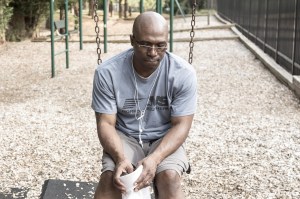
In their culture the Bena People often use riddles, sayings and stories to convey messages to the society and their family members in which they live. The head does not despise the feet is  one of the proverbs used by Bena Ethnic Group.

This proverb looks at the life of one person who does not accept advice. He was an old man called Ligoga that means “an angry person.” Ligoga had a wife and three children.

Lusisi Village is located in Njombe region in Tanzania, East Africa, It has a pleasant environment and lots of rain. Because of that, food was available in abundance. One year it rained a lot and everything flourished. Mushrooms also grew in abundance. The people were happy to find mushrooms because they liked them.

However, a problem occurred. Bad mushrooms were also produced and many people died after eating the poisonous mushroom because it was very similar to the good ones. The chief of the village continued to make an announcement and advised people to stop eating mushrooms at that time of heavy rain. But because people liked them so much many did not stop eating them.

Ligoga’s family also continued to eat. However, Ligoga’s wife was very afraid especially for their children.

Numbura Dzelu, which means “white heart” the name of Ligoga’s wife, started a conversation and said to her husband:

Numbura Nzelu: “My Husband!”

Elder Ligoga: “Say my Wife.”

Numbura Nzelu: “What do you think if we stopped eating mushrooms this time?”

Elder Ligoga: “What! No, my wife, do not be afraid, I have enough experience we cannot be abused.”

Numbura Nzelu: “But my husband, the situation is not good at this time, many people are dying.”

Elder Ligoga: “Nonsense” should we die today? How many years have we eaten and even since our ancestors.”

Numbura Nzelu: “There are changes due to heavy rains. I fear for our children.”

Elder Ligoga: “I am the owner of the house, believe me!”

Therefore, Elder Ligoga brought mushrooms as usual and his wife cooked; they all ate. Ligoga also gave them to the cat, and said if there is poison, I will know through the cat. They all went to sleep, bad luck! At midnight, the cat started screaming, running here and there. Elder Ligoga heard it, woke up his wife and children, they all shouted, “we are dying! We are dying!”

The neighbors heard the noise and helped to take them to the hospital. Because of fear, they vomited and had diarrhea; they were all overwhelmed, and Elder Ligoga could not speak at all. Immediately the doctor put drip for all at high speed. Fortunately, after one day they recovered and were allowed to return home.

After arriving home. Haaa! The cat is healthy. Elder Ligoga was shocked!!! “How did it happen?” he said, “Loo! How did you know if you ate bad mushrooms,” the neighbor asked, Ligoga said, “I gave mushrooms to the cat too, because of the fear of dying.” When they entered, they all laughed…Hahahaha!!! Duuuu! The poor cat was crying because she wanted to give birth. Ligoga’s wife, Numbura Nzelu, said bitterly, “my husband Umtuwe gwalabedaga amagulu which means, “The head does not despise the feet.” Elder Ligoga answered, “it is true my wife. Please forgive me and my children forgive me.”

This is how the proverb began and continues to be used today. This proverb is likened to people who think that being bossy is everything and cannot receive any advice from others.  Compare to this mother who showed love to her children. She did not care about her life, but put others first. This Bena Proverb teaches and motivates the community to be generous, love and help each other in everyday life.

Biblical Parallels

Matthew 18 10. “See that you do not despise one of these little ones. For I tell you that their angers in heaven always see the face of my father in heaven.”

1 Corinthians 14: 20. “Brothers and Sisters, stop thinking like children. Be like babies as far evil is concerned. But be grown up in your thinking.”

1 Samuel 15: 22. But Samuel replied: “Does the LORD delight in burnt offerings and sacrifices as much as in obeying the LORD?  To obey is better than sacrifice, and to hear is better than the fat of rams.”

Ephesians 4: 2. “Always be humble and gentle. Be patient with each other, making allowance for each other’s faults because of your love.”

Contemporary Use And Religious Application

This proverb reminds us all to be flexible and to accept the ideas and advice of others. These days there are problems everywhere. Everyone wants to be the leader of others. War and chaos are everywhere. There are many people like Elder Ligoga in families, marriages, in churches, in Small Christian Communities. You only find arguments and quarrels.

These situations show that the Gospel of Jesus has not penetrated into people’s hearts. We need to increase our faith and care and respect the lives of others. To lack a heart of compassion is to miss God Himself who has taken pity on all of us through the suffering and death of his Son. Christians should not stop going to church and to Small Christian Communities so that we get the strength to continue doing good, respecting and listening to each other.

Text and Photos by:

Sister Felisia Mbifile, SCSF

Rome, Italy

Email: felisiajmbifile@gmail.com

1415. UGUPONDAGA NG’WITUMBI NUB’UTA UDINAB’O.

Aho kale olihoyi munhu uyo agaluta liwe ng’witumbi aliyo oliadina b’uta umumakono gakwe. Ilitumbi linilo lilipilinga ilo ligikalaga na shinu giti mbiti, nzoka, sub’i, na jingi ijo jigikalaga jilendile moyi.

Abhanhu bhagankumya noyi kunguno umub’upondi bhokwe bhunubho, adulile gujibhulucha ishinu jinijo ija mbika na mbika ahikanza adina b’uta nulu jilanga ja gwigunanila. Hunagwene abhanhu bhenabho bhagang’wila giki, “ugupondaga ng’witumbi nub’uta udinab’o.”

Ulusumo lunulo lugalenganijiyagwa kuli munhu uyo agandyaga gutumama milimo iyo adina nguzu ja guimalila umukikalile kakwe. Umunhu ng’wunuyo agandyaga gutumama milimo mitale iyi ijikilile inguzu jakwe kunguno ya gukija gwitegeleja chiza, umuwikaji bhokwe bhunubho. Uweyi agakoyiyagwa na bhuhabhi bhuli ng’waka aha kaya yakwe kunguno ya gukija gwitegeleja chiza haho atali ugandya uguitumama imilimo yakwe yiniyo, umukikalile kakwe kenako.

Umunhu ng’wunuyo, agikolaga nuyo agaponda ng’witumbu bho nduhu gwikala na b’uta umumakono gakwe, kunguno nuweyi agandyaga gutumama milimo iyo adina nguzu ja guimalila, umuwikaji bhokwe. Hunagwene abhanhu bhagang’wilaga giki, “ugupondaga ng’witumbi nub’uta udinab’o.”

Ulusumo lunulo, lolanga bhanhu higulya ya gubhiza na witegeleja bho gwandya gutumama milimo iyo bhali nguzu ja guimalila chiza, kugiki bhadule gupandika matwajo mingi, umuwikaji bhobho bhunubho.

Hesabu 32:30.

Hesabu 32:17.

KISWAHILI: UNAPONDA KWENYE PANGO NA UPINDE HUNA.

Hapo zamani alikuwepo mtu aliyetupa jiwe kwenye pango bila ya kuwa na upinde mikononi mwake. Pango hilo ni jiwe ambamo ndani yake huishi wanyama wakali kama vile fisi, nyoka, chui na vingine vinavyoishi humo.

Watu walimshangaa sana kwa sababu utupaji huo wa jiwe bila ya yeye kuwa na upinge au siraha unaweza kuwasababisha wanyama hao kutoka na kumjeruhi. Ndiyo maana watu hao walimwambia kwamba, “unaponda kwenye pando na upinde huna.”

Methali hiyo, hulinganishwa kwa mtu yule ambaye huanzisha kazi ambazo hana uwezo wa kuzimaliza, katika maisha yake. Mtu huyo, huanzisha kazi kubwa kushinda nguvu zake mpaka anashindwa kuzimaliza, kwa sababu ya kushindwa kufikiri vizuri maishani mwake. Yeye husumbuliwa na tatizo la umaskini kwenye familia yake kila mwaka, kwa sababu ya kuanzisha kazi bila kufikiria vizuri, katika maisha yake.

Mtu huyo, hufanana na yule aliyeponda kwenye pango bila ya kuwa na upinde, kwa sababu naye huanzisha kazi zinashinda uwezo wake bila kufikiria vizuri mpaka anashinda kuzimaliza, maishani mwake. Ndiyo maana watu humwambia kwamba, “unaponda kwenye pango na upinde huna.”

Methali hiyo, hufundisha watu juu ya kuwa na umakini wa kuanzisha kazi wanazoweza kuzimaliza, ili waweze kupata mafanikio mengi, maishani mwao.

Hesabu 32:30.

Hesabu 32:17.

ENGLISH: YOU ARE THROWING A STONE IN A CAVE WHILE YOU HAVE NO BOW.

Once upon a time there was a man who threw a stone into a cave without having a bow in his hands. The cave is a hole in stone in which wild animals such as hyenas, snakes, leopards and others live.

People were very surprised at him because of throwing a stone without having any resistance or armor could cause animals to come out and injure him. That is why people told him that, “you are throwing a stone in a cave while you have no bow.”

This proverb is matched to a person who starts tasks that he does not have ability to finish, in his life. Such person starts a task that is too big for him to finish, because of his inability to think clearly in his life. He is troubled by problem of poverty in his family every year, because of starting a task without thinking clearly, in his life.

This person resembles the one who trampled in a cave without a bow, because he also starts tasks that are beyond his ability without thinking carefully until he manages to finish them, in his life. That is why people say to him that, “you are throwing a stone in a cave while you have no bow.”

This proverb teaches people about being careful enough to start tasks that they can finish, so that they can achieve great success, in their lives.

Numbers 32:30.

Numbers 32:17.

1394. AGASIMIZAGA NA MASHIGA GU NOMO.

Amashiga gali mazugilo ayo gagikalaga mawe nulu madifali adatu. Amashiga genayo gagaibhuchaga inungu nulu fulila. Abhanhu bhagabhachaga moto uyo gugikalaga aha gati yago amashiga genayo kunguno ya guzugila jiliwa. Unzugi agafulaga moto bho gutumila nomo gokwe nago gobhaka uyo gugabishaga ijiliwa. Hunagwene abhanhu bhang’wilaga unzugi ng’wunuyo giki, “agasiminzaga na mashiga gu nomo.”

Ulusumo lunulo lugalenganijiyagwa kuli munhu uyo agabehaga shigala umukakilile kakwe. Umunhu ng’wunuyo agajibehaga ishigala jinijo mpaga ofunya lyochi umunomo gokwe guti giki alina mashiga umunomo gunuyo, kunguno ya gukija gugudililaga chiza umili gokwe. Uweyi agajikenagulaga imbazu jakwe bho gubeha shigala jinijo, kunguno ya gugija gugudilila chiza umili gokwe gunuyo, umuwikaji bhokwe.

Umunhu ng’wunuyo agikolaga nuyo ofulaga moto bho nomo gobhaka mpaga lyafuma lyochi, kunguno nuweyi agabehaga shigala mpaga ofunya lyochi umunomo gokwe gunuyo, umuwikaji bhokwe. Hunagwene abhanhu bhagang’wilaga giki, “agasiminzaga na mashiga gu nomo.”

Ulusumo lunulo lolanga bhanhu higulya ya guilanhana chiza imimili yabho bho guleka gubeha shigala, kugiki bhadule gwikala mhola, umukaya jabho.

Mwanzo 19:24-25.

Kutoka 9:23-24.

Waamuzi 15:14.

1Wafalme 1:1.

KISWAHILI: HUTEMBEA NA MAFIGA MDOMONI.

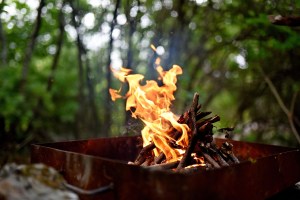
Mafiga ni aina ya jiko la kupikia lenye mawe au matofali matatu. Mafiga hayo hubeba chombo cha kupikia kama vile chungu au sufulia. Watu huwasha moto katikati ya mafiga hayo matatu kwa sababu ya kupika chakula. Mpishi gupuliza moto kwa kutumia mdomo wake ndipo moto huo unawaka ambao hukipika chakula hicho mpaka kukiivisha. Ndiyo maana watu humwambia mpishi huyo kwamba, “hutembea na mafiga mdomoni.”

Methali hiyo, hulinganishwa kwa mtu yule ambaye huvuta sigala katika maisha yake. Mtu huyo, huvuta sigala hizo mpaka anatoa moshi mdomoni mwake hali ambayo huonekana kama anamafiga mdomoni mwake, kwa sababu ya kutokuujali vizuri mwili mwake. Yeye huyaharibu mapafu yake kwa kuvuta sigala hizo, kwa sababu ya kukosa umakini huo wa kuijali vizuri afya yake, maishani mwake.

Mtu huyo, hufanana na yule awashaye moto kwenye mafiga kwa kupuliza akitumia mdomo wake mpaka unatoka moshi, kwa sababu naye huvuta sigala mpaka anatoa moshi mdomoni mwake, katika maisha yake. Ndiyo maana watu humwambia kwamba, “hutembea na mafiga mdomoni.”

Methali hiyo, hufundisha watu juu ya kuzitunza vizuri afya za miili yao kwa kuacha kuvuta sigala, ili waweze kuwa salama, katika familia zao.

Mwanzo 19:24-25.

Kutoka 9:23-24.

Waamuzi 15:14.

1Wafalme 1:1.


ENGLISH: HE WALKS WITH KITCHEN IN THE MOUTH.

A kitchen is a type of cooking stove which has three stones or bricks. These stones or bricks carry a cooking vessel such as pot or saucepan. People light a fire in the middle of these three stones or bricks for cooking food. The cook blows the fire by using his mouth and the fire burns which cooks the food well. That is why people say to the cook that, “he walks with kitchen in the mouth.”

This proverb is equaled to a person who smokes cigarettes in his life. Such person, smokes those cigarettes until he exhales smoke in his mouth, which seems like he exhales it in his mouth, because of not taking respectable care of his body. He damages his lungs by smoking those cigarettes, because of not paying attention enough to take decent care of his health, in his life.

This person is like the one who lights the fire in the three cooking stones or bricks by blowing fire using his mouth until smoke comes out, because he also smokes cigarettes until smoke comes out in his mouth. That is why people say to him that, “He walks with kitchen in the mouth.”

This proverb instills in people an idea of taking virtuous care of their physical health by quitting smoking, so that they can be safe, in their families.

Genesis 19:24-25.

Exodus 9:23-24.

Judges 15:14.

1 Kings 1:1.


1387. OBHINHAGA ABHANHU BHUPILIPILI.

Olihoyi munhu uyo wikalaga muchalo jilebhe. Umunhu ng’wunuyo, otulaga bhupilipili umujiliwa jakwe mpaga bhaduma abhangi ujilya kunguno ya gukaliha guti bhalyaga bhupilili wenikili. Hunagwene abhanhu bhagang’wila giki, “abhinhaga abhanhu bhupilipili.”

Ulusumo lunulo, lugalenganijiyagwa kuli munhu nchilu uyo agabhakalihilaga sagala abhanhu bhakwe, umukikalile kakwe. Umunhu ng’wunuyo, agikalaga ubhadukagula sagala abhanhu bhakwe ulu okenyiyagwa nulu hadoo duhu, kunguno ya bhukali bhokwe ubho sagala bhunubho. Uweyi obhadukagulaga abhanhu bha ha kaya yakwe mpaga bhasatya umu ng’holo jabho gitumumo bhugasatijaga ubhupilipili kunguno ya bhukali bho mihayo iyo abhawilaga yiniyo. Abhanhu bhakwe bhenabho bhangigaga aha ng’wakwe osaga bhung’wene kunguno ya bhukali bhokwe bhunubho, umuwikaji bhokwe.

Umunhu ng’wunuyo, agikolaga nuyo agatuula bhupilipili umujiliwa jakwe mpaga bhuduma ugujilwa ijiliwa jinijo abhiye, kunguno nuweyi agabhawilaga mihayo mikali abhanhu bhakwe mpaga bhasatya umu ng’holo jabho guti bhalyaga bhupilipili. Hunagwene abhanhu bhaganhayaga giki, “abhinhaga abhanhu bhupilipili.”

Ulusumo lunulo lolanga bhanhu higulya ya guleka gubhawila mihayo ya gubhaminya abhanhu bhabho, kugiki bhadule gujibheja chiza ikaya jabho, umuwikaji bhokwe bhunubho.

Yoshua Bin Sira 7:8.

Yoshua Bin Sira 8:15.

KISWAHILI: AMEWAPA WATU PILIPILI.

Alikuwepo mtu aliyeishi kwenye kijiji fulani. Mtu huyo, alikuwa alikiweka pilipili kwenye chakula chake mpaka watu wengine wanashindwa kukila kwa sababu ya kuwaumiza kama wanakula pilipili wanapokila chakula hicho. Ndiyo maana watu walimwambia kwamba, “amewapa watu pilipili.”

Methali hiyo, hulinganishwa kwa mtu yule aliye na hasira ya kuwafokea watu hovyo, katika maisha yake. Mtu huyo, huwatukana hovyo watu wake anakosewa kidogo kwa sababu ya hasira yake hiyo ya hovyo, maishani mwake. Yeye huwaumiza watu waishio kwenye familia yake kwa kuwakaripia kupitia maneno ambayo huwaumiza mpaga wanaondoka nyumbani kwake hapo na kumuacha pekee yake kwa sababu ya hasira zake hizo za hovyo, katika maisha yake.

Mtu huyo hufanana na yule aliyeweka pilipili kwenye chakula chake mpaka wengine wakashindwa kukila, kwa sababu naye huwatukana watu wake kwa kutumia maneno makali mpaka wanaondoka nyumbani kwake. Ndiyo maana watu humwambia kwamba, “amewapa watu pilipili.”

Methali hiyo, hufundisha watu juu ya kuacha tabia ya kuwaambia watu wao maneno ya kuumiza mioyo yao, ili waweze kuzilea vyema familia zao, maishani mwao.

Yoshua Bin Sira 7:8.

Yoshua Bin Sira 8:15.

ENGLISH: HE GAVE PEOPLE PEPPER.

There was a man who lived in a certain village. Such man used to put pepper in his food until other people could not eat it because it hurt them if they ate pepper when eating that food. That is why people told him that, “he gave people pepper.”

This proverb is related to a person who is angry and shouts at people in his life. This man insults his people in this way when he is offended even a little because of his anger in his life. He hurts people who live in his family by scolding them through words that hurt them so much that they leave his house by letting him remain alone because of his anger in his life.

This man resembles the one who put pepper in his food until others could not eat it, because he also insults his people by using harsh words until they leave his house. That is why people told him that, “he gave people pepper.”

This proverb instills in people an idea of stopping habit of saying hurtful words to their family members, so that they can raise their families well in their lives.

Joshua 7:8.

Joshua 8:15.


1384. OLU IDABHINZIKILE UZIDEBHEGELEJA.

April 2025 African Proverb of the Month If it is not broken don’t fix it. Sukuma (Tanzania) Proverb

Olu idabhenzekile uzidebhageleja. (Sukuma)
Ikiwa haijavunjika usirekebishe. (Swahili)
Si ce n’est pas cassé, ne le réparez pas. (French)
If it is not broken don’t fix it. (English)

Sukuma(Tanzania) Proverb

Background, Meaning and Everyday Use

The Sukuma people are found in northern part of Tanzania. The regions where they are found are: Shinyanga, Simiyu, Mwanza, Geita, Katavi and Tabora. Sukuma is the biggest ethnic group in the country. It estimated to reach 10 million people that represents 16% of the inhabitants of Tanzania.  The word “Wasukuma” means “Northern People.” Because the Sukuma stayed in the north they decided to call themselves Sukuma.

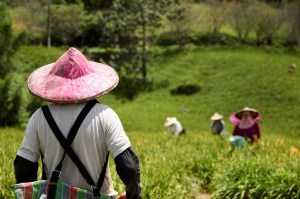
These people work as farmers and pastoralists. They are tolerant, peaceful, calm and have jokes for anybody. They teach each other by using proverbs, riddles, wise sayings and drumming in order to mediate, educate, criticize, console, entertain and also encourage people as the proverb says: If it is not broken don’t fix it. When you recognize that something is in a satisfactory state, there is no reason to change it.

There was a woman who was working in a pottery factory. She started to fix strong pots by remolding them. She damaged them even more until they broke. When the buyers came, they rejected them because they were bad. That’s why the Sukuma people say If it is not broken don’t fix it. This saying is compared to the person who likes to negatively judge innocent people and criticize them. The woman’s act of remaking the pots makes her lose her peace of mind after destroying all the pots. This person is similar to people who consider themselves as good and end up looking at the mistakes of others. They can also up miss the Kingdom of God. But the good ones who were judged as sinners see the Kingdom of God.

Biblical Parallels

Mark 9:40: “Anyone who is not against us is for us.”

Matthew 19:2: “Then Peter answered and said, ‘look we have left everything and followed you. What are we to have, then?’”

Genesis 4:8: “Cain said to his brother Abel, ‘let us go out’ and while they were in the open           country, Cain set on his brother Abel and killed him.”

Mark 10:47-48:When heard that it was Jesus of Nazareth, he began to shout and cry out, ‘Son of David, Jesus, have pity on me.’ And many of them scolded him and told him to keep quiet.”

2 Corinthians 13:11: “To end then, brothers we wish you joy try to grow perfect, encourage one another, have a common mind and live in peace. And the God of love and peace will be with you.”


Contemporary Use And Religious Application

This Sukuma proverb encourages people to get rid of the habit of negatively judging everything by not seeing the good in others. Especially if they realize that those people are not flawed, they should not continue to insist on correcting their behavior.  This proverb helps Christians to encourage themselves in their daily worries. It helps them to find enough strength to confess their mistakes once they realize that they have failed in order to stand up and move forward again.

This proverb warns Christians that they should love and help each other in their daily lives and stop pointing fingers and judging each other but rather consult and admonish each other with love. This proverb makes people understand the consequences of following the lives of others and forgetting to reflect on their own lives. So, with that attention they can save their lives.

Therefore, we are in a period of globalization. Let’s encourage our children to participate in Small Christian Communities so that they can learn good values of Christian virtues, so they can be strong in faith enough to set goals in their lives and especially to have the fear of God. So that when they meet with temptations, they can overcome them with the armor of faith.

Text by:

Sister Lucia Deus Shelembi

Collegine Sisters of the Holy Family

Nairobi, Kenya

luciashelembi@gmail.com

Smartphone No: +254703201330 (also WhatsApp)

Photographs by:

Rev. Zakaria Kashinje, OSA
Dar es Salaam, Tanzania
Cellphones:
+255-756-887787 Vodacom
+255-717-3337787 Tigo
+255-786-337787 Airtel
Email: zkashinje@gmail.com
zkashinje@yahoo.co.uk