proverbs

1384. OLU IDABHINZIKILE UZIDEBHEGELEJA.

April 2025 African Proverb of the Month If it is not broken don’t fix it. Sukuma (Tanzania) Proverb

Olu idabhenzekile uzidebhageleja. (Sukuma)
Ikiwa haijavunjika usirekebishe. (Swahili)
Si ce n’est pas cassé, ne le réparez pas. (French)
If it is not broken don’t fix it. (English)

Sukuma(Tanzania) Proverb

Background, Meaning and Everyday Use

The Sukuma people are found in northern part of Tanzania. The regions where they are found are: Shinyanga, Simiyu, Mwanza, Geita, Katavi and Tabora. Sukuma is the biggest ethnic group in the country. It estimated to reach 10 million people that represents 16% of the inhabitants of Tanzania.  The word “Wasukuma” means “Northern People.” Because the Sukuma stayed in the north they decided to call themselves Sukuma.

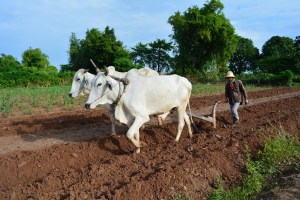
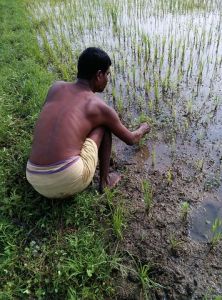
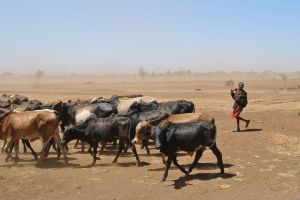
These people work as farmers and pastoralists. They are tolerant, peaceful, calm and have jokes for anybody. They teach each other by using proverbs, riddles, wise sayings and drumming in order to mediate, educate, criticize, console, entertain and also encourage people as the proverb says: If it is not broken don’t fix it. When you recognize that something is in a satisfactory state, there is no reason to change it.

There was a woman who was working in a pottery factory. She started to fix strong pots by remolding them. She damaged them even more until they broke. When the buyers came, they rejected them because they were bad. That’s why the Sukuma people say If it is not broken don’t fix it. This saying is compared to the person who likes to negatively judge innocent people and criticize them. The woman’s act of remaking the pots makes her lose her peace of mind after destroying all the pots. This person is similar to people who consider themselves as good and end up looking at the mistakes of others. They can also up miss the Kingdom of God. But the good ones who were judged as sinners see the Kingdom of God.

Biblical Parallels

Mark 9:40: “Anyone who is not against us is for us.”

Matthew 19:2: “Then Peter answered and said, ‘look we have left everything and followed you. What are we to have, then?’”

Genesis 4:8: “Cain said to his brother Abel, ‘let us go out’ and while they were in the open           country, Cain set on his brother Abel and killed him.”

Mark 10:47-48:When heard that it was Jesus of Nazareth, he began to shout and cry out, ‘Son of David, Jesus, have pity on me.’ And many of them scolded him and told him to keep quiet.”

2 Corinthians 13:11: “To end then, brothers we wish you joy try to grow perfect, encourage one another, have a common mind and live in peace. And the God of love and peace will be with you.”


Contemporary Use And Religious Application

This Sukuma proverb encourages people to get rid of the habit of negatively judging everything by not seeing the good in others. Especially if they realize that those people are not flawed, they should not continue to insist on correcting their behavior.  This proverb helps Christians to encourage themselves in their daily worries. It helps them to find enough strength to confess their mistakes once they realize that they have failed in order to stand up and move forward again.

This proverb warns Christians that they should love and help each other in their daily lives and stop pointing fingers and judging each other but rather consult and admonish each other with love. This proverb makes people understand the consequences of following the lives of others and forgetting to reflect on their own lives. So, with that attention they can save their lives.

Therefore, we are in a period of globalization. Let’s encourage our children to participate in Small Christian Communities so that they can learn good values of Christian virtues, so they can be strong in faith enough to set goals in their lives and especially to have the fear of God. So that when they meet with temptations, they can overcome them with the armor of faith.

Text by:

Sister Lucia Deus Shelembi

Collegine Sisters of the Holy Family

Nairobi, Kenya

luciashelembi@gmail.com

Smartphone No: +254703201330 (also WhatsApp)

Photographs by:

Rev. Zakaria Kashinje, OSA
Dar es Salaam, Tanzania
Cellphones:
+255-756-887787 Vodacom
+255-717-3337787 Tigo
+255-786-337787 Airtel
Email: zkashinje@gmail.com
zkashinje@yahoo.co.uk

1383. NG’HASHA YAB’AKULUGENJI YALEMA GUTELA.

Imbuki ya lusumo lunulo ilolile ng’hasha ya walwa. Ing’hasha yiniyo jili jisanjo ijo ulu giki bhanhu bhuhaya gusiza walwa b’agandijaga guyib’eja iyagwiza gubhusanja uwalwa wenubho kunguno ya gubhukalihya. Iyoyi ilolile na mihayo ya b’akulugenji iyakale iyo mpaga na lelo dugwitumamilaga. Hunagwene abhanhu bhagayiyombaga giki, “Ng’hasha ya b’akulugenji yalema gutela.”

Ulusumo lunulo lugalenganijiyagwa kuli munhu uyo agalikalanaga chiza ililange lya bhatale bhakwe umukikalile kakwe. Umunhu ng’wunuyo agalikanaga ililange lya bhatale bhakwe bhenabho bho gubhalanga abhanhu bhakwe nhungwa ja gwikala na bhanhu chiza, kunguno ya witegeleja bhokwe bhunubho umuwikaji bhokwe. Uweyi agikalaga na bhuyegi bhutale aha kaya yakwe kunguno ya witegeleja bhokwe bhunubho ubho gubhalanga abhanhu bhakwe nhungwa ja gwikala na bhanhu chiza, umukikalile kakwe kenako.

Umunhu ng’wunuyo agikolaga nhi ng’hasha ya bhakulugenji iyo igabhukalihyaga uwalwa, kunguno nuweyi agalikanaga chiza ililange lya bhabyaji bhakwe bho gubhalanga abhanhu bhakwe nhungwa ja gwikala na bhanhu chiza umuwikaji bhokwe. Hunagwene abhanhu bhaganyombaga giki “Ng’hasha ya b’akulugenji yalema gutela.”

Ulusumo lunulo, lolanga bhanhu higulya ya gulikalana chiza ililange lya bhatale bhabho bho gubhalanga abhanhu bhabho nhungwa ja gwikala na bhichabho chiza, kugiki bhadule gwikala na bhuyegi bhutale, umukaya jabho.

Mathayo 24:35.

Luka 21:32.

1Wakorintho 7:31.

KISWAHILI: CHACHU YA WAKUU IMEKATAA KUFIFIA.

Chanzo na maana ya methali hii inaangalia chachu ya pombe. Chachu hiyo ni kikolezo ambacho watu wakitaka kupiga pombe huanza kukitengeneza kinachokuja kuchanganywa na pombe ili kuikoleza. Chachu hiyo pia ni maneno ya wakuu yaliyo ya zamani ambayo bado tunayatumia hadi leo. Ndiyo maana watu huisema kwamba, “chachu ya wakuu imekataa kufifia.”

Methali hiyo hulinganishwa kwa mtu yule ambaye huyaishi vizuri malezi ya wakubwa wake katika maisha yake. Mtu huyo, huyaishi malezi hayo ya wakubwa wake kwa kuwafundisha watu wake maadili ya kuishi na watu vizuri, kwa sababu ya umakini wake huo, maishani mwake. Yeye hupata furaha kubwa katika familia yake kwa sababu ya umakini wake huo wa kuwafundisha watu wake maadili ya kuishi vizuri na watu, katika maisha yake.

Mtu huyo hufanana na ile chachu ya wakuu iliyokoleza pombe, kwa sababu naye huyaishi vizuri maadili ya wakuu wake kwa kuwafundisha watu wake maadili ya kuishi na watu vizuri, maishani mwake. Ndiyo maana watu humfananisha na chachu kwa kusema kwamba, “chachu ya wakuu imekataa kufifia.”

Methali hiyo hufundisha watu juu ya kuyaishi malezi ya wakubwa wao kwa kuwafundisha watu wao maadili ya kuishi vizuri na wenzao, ili waweze kuishi kwa furaha kubwa, katika familia zao.

Mathayo 24:35.

Luka 21:32.

1Wakorintho 7:31.

ENGLISH: THE YEAST OF THE ELDERS HAS REFUSED TO FADE.

The origin of meaning of this proverb looks at the yeast of alcohol. This yeast is a flavoring that people who want to prepare alcohol begin to make which is then mixed with alcohol to flavor it. It is also an old saying of the elders that we still use up to this day. That is why people say that, “The yeast of the elders has refused to fade.”

This proverb is related to a person who lives well the upbringings of his elders in his life. This person lives these upbringings of his elders by teaching his people about values ​​of living well with their fellows, because of his attention, in his life. He finds great happiness in his family because of his attention of teaching his people the values ​​of living well with others, in his life.

This person is like the yeast of the elders that fermented alcohol, because he also lives well the values ​​of his elders by teaching his people about the values ​​of living well with others, in his life. That is why people compare it to this yeast by saying that, “the yeast of the elders has refused to fade.”

This proverb teaches people about living the upbringing of their elders by teaching their people about the values ​​of living well with their nobles, so that they can live with great happiness, in their families.

Matthew 24:35.

Luke 21:32.

1 Corinthians 7:31.

1373. JIDASHIMEJIJE ING’HINGI.

Olihoyi munhu uyo aginhiwa nimo go gusimbila ng’hingi ja gusengela numba. Umunhu ng’wunuyo agajisimbila ing’hingi jinijo ugabhigwilija abho bhang’winha unimo gunuyo igiki omalaga ugugutumama. Aho bhiza ugugulingula unimo gokwe bhubhona giki jidashimejiwe ugusimbilwa ing’hingi jinijo kunguno bhajidimaga jayugwa duhu. Hunagwene abhagayomba giki, “jidashimejije ing’hingi.”

Ulusumo lunulo lugalenganijiyagwa kuli munhu uyo alingokolo ugutumama imilimo ya aha kaya yakwe, umukikalile kakwe. Umunhu ng’wunuyo atogilwe gwikala wigashaga duhu nulu lyashigaga ilikanza ilya gutumama milimo yakwe kunguno ya bhugokolo bhokwe bhunubho umuwikaji bhokwe. Uweyi aligikala ukoyiwa ni koye lya bhuhab’i bho gubhiza na nduhu jikolo aha kaya yakwe yiniyo, kunguno ya bhugokolo bhokwe bhunubho ubho gwikala wigashije ahikanza lya gutumama milimo yakwe, umukikalile kakwe kenako.

Umunhu ng’wunuyo agikolaga nuyo adajishimejije ing’hingi ugujisimbila, kunguno nuwei alingokolo ugutumama imilimo ya kaya yakwe, umuwikaji bhokwe bhunubho. Hunagwene abhanhu bhagang’witanaga giki, “jidashimejije ing’hingi.”

Ulusumo lunulo lolanga bhanhu higulya ya gwihanda gutumama milimo yabho chiza bho bhuleka bhugokolo bho gutumama milimo kugiki bhadule gupandika sabho jagubhambilija ugujibheja chiza ikaya jabho, umuwikaji bhobho bhunubho.

Mithali 10:4.

Mithali 13:7-8.

Mithali 19:4.

KISWAHILI: NGUZO HAZIKUCHIMBIWA KWA KINA KIREFU.

Alikuwepo mtu aliyepewa kazi ya kuchimbia nzuzo za kujengea nyumba. Mtu huyo, alizichimbia nguzo hizo akaenda kuwataarifu wale waliompatia kazi hiyo kuwa ameimaliza. Walipofika kuikagua kazi yake wale waliompatia kazi hiyo waligundua kuwa nguzo hizo hazikuchimbiwa vizuri kwa sababu kila walipozigusa kidogo zilianguka. Ndiyo maana walisema kwamba, “nguzo hazikuchimbiwa kwa kina kirefu.”

Methali hiyo, hulinganishwa kwa mtu yule ambaye ni mvivu wa kufanya kazi kwenye familia yake, katika maisha yake. Mtu huyo hushinda akiwa amekaa tu hata wakati wa kufanya kazi kwa sababu ya uvivu wake huo, maishani mwake. Yeye husumbulia na tatizo la umakini wa kutokuwa na kitu katika familia yake kwa sababu ya uvivu wake huo wa kushinda amekaa hata wakati wa kufanya kazi, katika maisha yake.

Mtu huyo, hufanana na yule aliyeshindwa kuitekeleza vizuri kazi ya kuchimbia nguzo aliyopewa, kwa sababu naye ana uvivu wa kutokufanya kazi zake mpaga anasumbuliwa na tatizo la umaskini wa kutokuwa na kitu katika familia yake, maishani mwake. Ndiyo maana watu humwambia kwamba “nguzo hazikuchimbiwa kwa kina kirefu.”

Methali hiyo hufundisha watu juu ya kujibidisha kufanya kazi zao bila ya kuzembea katika kuyatekeleza majukumu yao, ili waweze kupata mali za kuwasaidia katika kuziendelea vizuri familia zao, maishani mwao.

Mithali 10:4.

Mithali 13:7-8.

Mithali 19:4.

ENGLISH: THE PILLARS WERE NOT DUG DEEP.

There was a man who was given a task of digging foundations for a house. Such man dug pillars and went to inform those who had given him that task that he had finished. When they arrived to inspect his work, those who had given him the task discovered that those pillars were not dug properly because every time they fell after touching them. That is why they said, “The pillars were not dug deep.”

This proverb is equaled to a person who is lazy to work in his family, in his life. Such person wins by just sitting down even when working because of his laziness, in his life. He suffers from the difficult of not having anything in his family because of his laziness of sitting down without working in his life.

This person is like the one who failed to properly carry out the task of digging a pillar given to him, because he is also lazy in doing his work until he is troubled by the problem of poverty of having nothing in his family, in his life. That is why people say to him that “the pillars were not dug deep.”

This proverb teaches people about working hard enough to do their jobs without being lazy in carrying out their responsibilities, so that they can obtain much wealth enough to help them in decent development of their families in their lives.

Proverbs 10:4.

Proverbs 13:7-8.

Proverbs 19:4.

1372. AHA NG’WISE GADAGAYIKAGA MAB’U.

Amab’u jili ginhu ijo jigolechaga milimo ya moto. Imilimo ya moto yiniyo, ili kihamo na guzugila jiliwa ja bhanhu kunguno abhanhu bhagasolaga ng’hwi ijo jigabhakaga moto mpaga jasaga mab’u ulu jilizugwa ijiliwa jinijo.

Kuyiniyo lulu, ikaya iyo idamalaga mab’u ili ya bhanhu abho bhagazugaga jiliwa ja gulya abhanhu bhabho bhuli lushigu. Hunagwene abhanhu bha ha kaya yiniyo bhagayombaga giki, “aha ng’wise gadagayikaga mab’u.”

Ulusumo lunulo lugalenganijiyagwa kukaya ya bhanhu bhizanholo umukikalile kabho. Abhanhu bha ha kaya yiniyo bhagabhagalilaga abhanhu bhabho bho gubhazugila jiliwa jawiza bhuli lushigu, kunguno ya wizanholo bhobho bhunubho, umuwikaji bhokwe. Abhanhu bhenabho bhagapandikaga mbango ja gwikala na bhuyegi bhutale hoyi kunguno ya winzaholo bhobho bhunubho ubho gubhagalila jiliwa jawiza abhanhu bhabho, umukikalile kabho kenako.

Abhanhu bha ha kaya yiniyo, bhagikolaga nabho bhabhazugilaga abhanhu bhabho jiliwa bhuli lushigu, kunguno nabhoyi bhagabhagalilaga abhanhu bhabho bho gubhazugila jiliwa jawiza bhuli lushigu, umuwikaji bhobho bhunubho. Hunagwene abhanhu bhabho bhagayombaga giki, “aha ng’wise gadagayikaga mab’u.”

Ulusumo lunulo lolanga bhanhu higulya ya gubhiza na wizanholo bho gubhazugila abhichab’o jiliwa jawiza bhuli lushigu, kugiki bhadule gupandika mbango jagwikala na bhuyegi bhutale umu kaya jabho jinijo.

Walawi 1:7-8.

Nehemia 9:12.

Isaya 6:6.

Isaya 9:5.

KISWAHILI: NYUMBANI KWETU HAYAKOSEKANI MAJIVU.

Majivu ni kitu ambacho huonesha kazi za moto. Kazi hizo ni pamoja na kupikia chakula cha watu kwa sababu watu huchukua kuni ambazo huunguzwa na moto mpaka yanabakia majivu wakati wa kupika chakula hicho.

Kwa hiyo familia ile ambao majivu hayakoseni ni ya watu wale wanaopika chakula cha kula watu wao kila siku. Ndiyo maana watu wa kwenye familia hiyo husema kwamba, “nyumbani kwetu hayakosekani majivu.”

Methali hiyo hulinganishwa kwenye familia ya watu wakarimu katika maisha yao. Watu wa kwenye familia hiyo, huwatunza watu wao kwa kuwapikia chakula kizuri kila siku, kwa sababu ya ukarimu wao huo maishani mwao. Wao hupata Baraka za kuishi kwa furaha kubwa katika familia yao hiyo kwa sababu ya ukarimu wao huo wa kuwapikia chakula kizuri watu wao, katika maisha yao hayo.

Watu wa kwenye familia hiyo, hufanana na wale waliowapikia watu chakula kila siku, kwa sababu nao huwatunza watu wao kwa kuwapikia chakula kizuri kila siku, maishani mwao. Ndiyo maana watu wao husema kwamba, “nyumbani kwetu hayakosekani majivu.”

Methali hiyo hufundisha watu juu ya kuwa na ukarimu wa kuwapikia chakula kizuri watu wao kila siku, ili waweze kupata Baraka za kuishi kwa furaha katika familia zao hizo.

Walawi 1:7-8.

Nehemia 9:12.

Isaya 6:6.

Isaya 9:5.

ENGLISH: THERE IS NO SHORTAGE OF ASHES IN OUR HOUSE.

Ash is something that represents works of fire. These works include cooking food for people who take wood that is burned by fire until it remains as ashes when cooking the food.

Therefore, the family that does not lack ash belongs to those people who cook food for their people every day. That is why the people of that family say that, “There is no shortage of ashes in our house.”

This proverb is equated to a family of generous people in their lives. These people of that family take care of their people by cooking for them decent food every day, because of their generosity in their lives. They receive blessings of living with great happiness in their family because of their generosity of cooking respectable food for their people, in their lives.

These people are similar to those who cooked food for people every day, because they also take care of their people by cooking decent food for them every day, in their lives. That is why their people say, “There is no shortage of ashes in our house.”

This proverb imparts in people an idea of being generous enough to cook respectable food for their people every day, so that they can receive blessings of living happily in their families.

Leviticus 1:7-8.

Nehemiah 9:12.

Isaiah 6:6.

Isaiah 9:5.


1367. NINGUJI ONGUNDA GONE AGALOLAGA PYE IJILILI.

Olihoyi munhu uyo oliosuga nva umuchalo ja Gabale. Inva yiniyo yatumamaga nimo go gulinda ngunda gokwe bhuli makanza. Iyoyi yajaga yulola pye ijijili guti munhu alilingula ngunda kunguno ya kujilanhana chiza ijiliwa ja mungunda gunuyo. Hunagwene umunhu ng’wunuyo ayomba giki, “ninguji ongunda gone agalolaga pye ijilili.”

Ulusumo lunulo lugalenganijiyagwa kuli munhu uyo agajilanhanaga chiza isabho jakwe umukikalile kakwe. Umunhu ng’wunuyo, agatuulaga bhalindi bhawiza abho bhagajilanhanaga chiza isabho jakwe mpaga bhaduma ugujiibha abhasambo, kunguno ya bhulanhani ubho wiza bhunubho. Uweyi agikalaga na sabho ningi noyi aha kaya yakwe, kunguno ya kujilanhana chiza isabho jakwe jinijo, umuwikaji bhokwe bhunubho.

Umunhu ng’wunuyo agikolaga nuyo ogulanhanaga ungunda gokwe bho gutumila nva iyo yalingulaga pye ijilili, kunguno nuweyi agajilanhanaga isabho jakwe bho gutuula bhalindi bha wiza umuwikaji bhokwe. Hunagwene agayombaga giki, “ninguji ongunda gone agalolaga pye ijilili.”

Ulusumo lunulo, lolanga bhanhu higulya ya gujilanhana chiza isabho jabho bho gutuula bhalindi bha wiza, kugiki bhadule gujitumamile chiza isabho jabho bho nduhu ugusolwa na bhasomba, umuwikaji bhobho.

1 Samweli 14:16.

2 Samweli 13:34.

1 Wafalme 14:27.

KISWAHILI: MLINZI WA SHAMBA LANGU HUANGALIA VILAVYO VYOTE.

Alikuwepo mtu aliyefuga mbwa kwenye kijiji cha Gabale. mbwa huyo alifanya kazi ya kulinda shamba lake kila wakati. Yeye alikuwa akilinda kwa kukagua vyote vilivyomo ndani yake kwa sababu alitaka kuyalinda vizuri mazao yote hayo. Ndiyo maana alisema kwamba, “mlinzi wa shamba langu hukagua vilavyo vyote.”

Methali hiyo hulinganishwa kwa mtu yule ambaye huitunza vizuri mali yake katika maisha yake. Mtu huyo, huweka walinzi waaminifu ambao huilinda vizuri mali yake hiyo mpaga wezi wanashindwa kuichukua kwa sababu ya kuilinda vizuri mali yake hiyo. Yeye hupata mali nyingi sana kwenye familia yake kwa sababu ya kuilinda vizuri mali yake hiyo, maishani mwake.

Mtu huyo hufanana na yule aliyeweka mbwa wa kumlindia shamba lake ambaye alikagua vyote vilivyomo, kwa sababu naye huweka walinzi ambao huitunza vyema mali yake hiyo maishani mwake. Ndiyo maana husema kwamba, “Mlinzi wa shamba langu hukagua vilavyo vyote.”

Methali hiyo, hufundisha watu juu ya kuzitunza vizuri mali zao, kwa kuweka walinzi waaminifu, ili waweze kuzitumia vizuri hali hizo bila ya kuchukuliwa na wezi, maishani mwao.

1 Samweli 14:16.

2 Samweli 13:34.

1 Wafalme 14:27.

ENGLISH: MY FIELD GUARD CHECKS ALL INSECTS.

There was a man who kept a dog in the village of Gabale. Such dog worked enough to protect safe his field at all times. He was guarding it by checking everything in it because he wanted to look after all the crops well. That is why the dog keeper said, “the guard of my field checks all the goodies.”

This proverb is compared to a person who takes good care of his property in his life. Such man, puts loyal guards who protect his property well to the point of preventing thieves from stealing it because of the good protection of his property. He gains a lot of wealth in his family because of having such decent security of his possessions, in his life.

This person is like the one who put a dog to guard his field which checked everything in it, because he also puts guards who take good care of his belongings in his life. That is why he says, “The guard of my field checks all insects.”

This proverb teaches people about taking good care of their possessions, by placing faithful guards, so that they can make good use of those possessions without being taken by thieves, in their lives.

1 Samuel 14:16.

2 Samuel 13:34.

1 Kings 14:27.