Akahayile kenako kalolile nti ngudizu uyo guli gubhi ubho gugulola. Aliyo lulu unti gunuyo, gugafunya matwajo gawiza na manonu gete ugugalwa. Abhanhu bhagagulolaga bhagukolwa aliyo ulubhagalya amatwajo gago bhayega na gugutogwa unti gunuyo. Hunagwene bhagagwitanaga giki, “nganhanazu.”
Akahayile kenako kagalenganijiyagwa kuli munhu wihanga lyabhubhi uyo alindamaganu aliyo ng’holo yakwe iliyawiza umukaji bhokwe. Umunhu ng’wunuyo, agabhalonjaga pye abhanhu chiza bho nduhu ugubhakomanya kunguno ya ng’holo yakwe iyawiza yiniyo, umukikalile kakwe kenako. Uweyi agayilelaga chiza ikaya yakwe bho guyilanga gwikala ni kujo kubhanhu bhose kunguno ya ng’holo yakwe iyawiza yiniyo, umuwikaji bhokwe bhunubho.
Umunhu ng’wunyo agikolaga nu nti ungudizu ugolihanga lyabhubhi aliyo amatwajo gago galimanonu, kunguno nuweyi alinihanga lyabhubhi aliyo ing’holo yakwe iliyawiza ukubhanhu bhakwe, umuwikaji bhokwe bhunubho. Hunagwene abhanhu bhagag’witanaga giki, “nganhanazu.”
Akahayile kenako kalanga bhanhu higulya ya gubhiza na ng’holo jawiza ijagulamula bhanhu bhabho bho nduhu gubhalola hanze ya mili, kugiki bhadule gubheja bhulamuji bho nhana umukaya jabho jinijo.
Mwanzo 18:19.
Mathayo 5:3-11.
Wagalatia 3:1-6.
KISWAHILI: MDUMAVU.
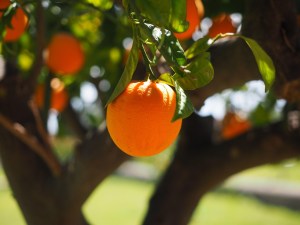
Msemo huo huangalia mti mdumavu ambao ni mbaya kwa kuuangalia. Lakini mti huo hutoa matunda mazuri na matamu kabisa kwa kuyala. Watu wanapougalia mti huo huuchukia lakini wakiyala matunda yake hufurahi na kuupenda. Ndiyo maana watu hao huuita mti huo jina la “mdumavu.”
Msemo huo, hulinganishwa kwa mtu mwenye sura mbaya aliyedumaa lakini roho yake ni nzuri maishani mwake. Mtu huyo, huwajali vizuri watu wote bila ya kuwabagua kwa sababu ya roho yake hiyo nzuri katika maisha yake hayo. Yeye huilea vyema familia yake kwa kuwafundisha watu wake kuwa na heshima kwa watu wote kwa sababu ya roho yake hiyo nzuri, maishani mwake.
Mtu huyo, hufanana na ule mti mdumavu wenye sura mbaya lakini matunda yake ni mazuri na matamu, kwa sababu naye ana sura mbaya lakini roho yake ni mzuri kwa watu wake. Ndiyo maana watu humuita jila la “mdumavu.”
Msemo huo hufundisha watu juu ya kuwa na roho nzuri za kuwaamua vyema watu wao bila ya kuangalia sura ya nje, ili waweze kuwa na maamuzi ya haki katika familia zao hizo.
Mwanzo 18:19.
Mathayo 5:3-11.
Wagalatia 3:1-6.
ENGLISH: A RETARDED ONE.
This saying refers to a tree that is stunted in growth and unattractive in appearance. When people see it, they dislike it because it does not look strong or beautiful. However, when the tree bears fruit, its fruits are very good and delicious to eat. Those who taste the fruit are pleased and begin to appreciate the tree. Because of this contrast between appearance and value, people call it “a retarded one.”
The saying is compared to a person whose outward appearance is unattractive and whose physical growth seems limited, yet whose inner spirit is good and upright. Such a person treats all people with care and fairness, without discrimination. Because of his good spirit, he raises his family well and teaches them to respect others and live peacefully within the community.
Like the stunted tree that looks ugly but produces excellent fruit, this person may not appear impressive outwardly, but his actions and character bring life and goodness to others. For this reason, people describe him with the saying “a retarded one,” emphasizing not weakness, but the hidden value found within.
This saying teaches people to value inner character over outward appearance. It calls the community to judge wisely, guided by good spirit and understanding, so that right decisions may be made in family and community life.
Genesis 18:19 – Righteous character revealed through responsible living.
Matthew 5:3–11 – Blessedness found not in appearance, but in the spirit.
Galatians 3:1–6 – Value measured by faith and obedience, not outward form.



 Sukuma Legacy Project