Akahayile kenako kahoyelile mbina ya bhakima. Umumbina yiniyo, abhakima bhenabho bhagayibhinaga ulu bhanhu bhalitola kunguno ya golecha bhutogwa bhobho ukubhichabho. Abhoyi bhagajaga gujutumama milimo ukuli ntolwa nu kuli ntoji, ukunhu bhaliibhina mbina yiniyo. Hunagwene abhanhu bhagiyitanga imbina yiniyo giki, “lib’usheshanija.”
Akahayile kenako kagalenganijiyagwa kubhanhu abho bhali na bhutogwa bho gukikalana chiza akajile kabho, umukikalile kabho. Abhanhu bhenabho bhagabhalangaga abhanhu bhabho kajile kawiza bho gubhitila meto gawiza abhichabho kunguno ya bhutogwa bhobho bhunubho, umuwikaji bhobho. Abhoyi bhagikalaga na nhungwa jawiza umukaya jabho kunguno ya bhutogwa bhobho bhunubho ubho gwikala na bhanhu chiza, umukikalile kabho kenako.
Abhanhu bhenabho bhagikolaga na bhakima abho bhali na bhutogwa bho guyidimila chiza imijilo ya witoji bhobho, kunguno nabhoyi bhalina bhutogwa bho gwikala na bhanhu chiza, umuwikaji bhobho. Hunagwene abhanhu bhagabhitanaga giki, “lib’usheshanija.”
Akahayile kenako kalanga bhanhu higulya ya gubhiza na bhutogwa bho gwikala chiza na bhanhu bhabho, kugiki bhadule gujibheja chiza ikaya jabho jinijo, umuwikaji bhobho bhunubho.
1Samweli 20:7.
Yohane 13:34-35.
Yohane 15:9-17.
Yeremia 31:3.
KISWAHLILI: MCHEZO WA WANAWAKE.
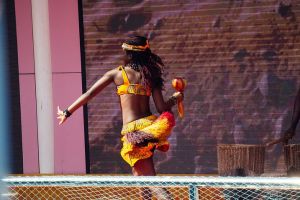
Msemo huo huongelea mchezo wa wanawake. Wanawake hao hucheza mchezo huo wakati wa watu wanapooana kwa sababu ya kuonesha upendo wao kwa wenzao. Wao huenda kufanya kazi kwenye familia ya upande wa mwanamume na ule wa mwanamke huku wakicheza mchezo huo. Ndiyo maana watu huuita jina la “mchezo wa wanawake.”
Msemo huo hulinganishwa kwa watu walio na upendo wa kuuishi utamaduni wao, katika maisha yao. Watu hao huwafundisha watu wao utamaduni mzuri kwa kuwatendea matendo mema wenzao kwa sababu ya upendo wao huo, maishani mwao. Wao huishi katika maadili mema kwenye familia zao kwa sababu ya upendo wao huo wa kuishi vizuri na watu, katika maisha yao hayo.
Watu hao, hufanana na wale wanawake waliokuwa na upendo wa kuyaishi vizuri matukio ya ndoa zao, kwa sababu nao wana upendo wa kuishi vizuri na watu, maishani mwao. Ndiyo watu huwaita jila la “mchezo wa wanawake.”
Msemo huo, hufundisha watu juu ya kuwa na upendo wa kuishi vizuri na wenzao, ili waweze kuziendeleza vizuri familia zao, maishani mwao.
1Samweli 20:7.
Yohane 13:34-35.
Yohane 15:9-17.
Yeremia 31:3.
ENGLISH: WOMEN’S GAME
This saying refers to a special game played by women during wedding ceremonies. When a man and a woman get married, the women gather together to celebrate the union. Through songs, dances, and joyful activities, they show love and unity. They may also go to work in the families of both the bride and the groom while playing this game, strengthening the bond between the two families. Because of this joyful cultural expression, people call it “women’s game.”
This saying is compared to people who love to live out their culture in their daily lives. Just as the women express love and unity during marriage ceremonies, these people show love through good actions toward others. They teach their families and communities good morals by practicing kindness, respect, and unity. Their lives become an example of how culture and love can build strong families.
The Bible also teaches about love as the foundation of good relationships. In 1 Samuel 20:7, especially in the friendship between David and Jonathan, we see loyalty and sincere love. Their relationship shows how true love strengthens bonds between people.
In Gospel of John 13:34–35, Jesus commands, “Love one another. As I have loved you, so you must love one another.” He continues in John 15:9–17, teaching that remaining in His love means loving others sincerely and sacrificially. Love becomes the mark of true followers.
In Book of Jeremiah 31:3, God says, “I have loved you with an everlasting love.” This shows that love begins with God Himself. When people live in God’s love, they are able to love others faithfully and build peaceful families.
Therefore, this saying teaches that just as the women celebrate marriage with love and unity, every person should live with love toward others. By practicing good culture, strong morals, and genuine love, families and communities grow and develop well.


 Sukuma Legacy Project