KISWAHILI: ZINAWAKA ZILIZOMBISH, ITAKUWAJE KWA ZILE KAVU!
USULI, MAANA, NA MATUMIZI YA KILA SIKU
Kundi la Kikabila la Wasukuma hutumia Methali mbalimbali katika kuwafundisha wanajamii wao vya kutosha kuhakikisha kwamba ujumbe wao unaeleweka wazi. Mojawapo ya Methali hizo inasema, “Wanakaribia kuchomwa moto wale wapya, itakuwaje kwa wale wavu!”
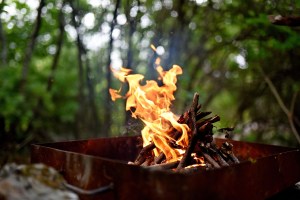
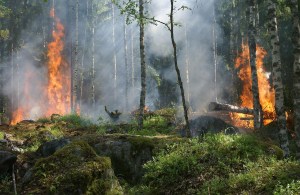
Methali ya Sukuma inayotumika juu hutumia taswira dhahiri kutoka kwa maisha ya kila siku ya vijijini ya kuchomwa kwa kuni. Wakati kuni mbichi (zenye unyevu) zinapoanza kuwaka moto, kila mtu anajua kwamba kuni kavu zitawaka haraka na kwa ukali zaidi.
Katika muktadha huu, methali hiyo inawafundisha watu kuhusu matokeo yasiyoepukika na uzito wa hukumu au ugumu unaokuja. Inatumika kama onyo au somo la kuona mbele.
Ikiwa wale wanaoonekana kuwa na nguvu, salama, au wasio na hatia wanakabiliwa na shida, wale walio katika hali dhaifu au ya hatia wanapaswa kutarajia nini?
Katika mazungumzo ya kila siku, methali hiyo hutumika wakati jambo baya linawapata watu au viongozi wanaoheshimiwa, ili kuwaonya wengine kuwa waangalifu.
Inasisitiza kwamba wakati adhabu au bahati mbaya inayowafikia hata wenye nguvu, wale wasio na nguvu wanapaswa kuwa waangalifu zaidi.
Methali hii inafanya kazi kama ukumbusho kwamba kila mtu yuko chini ya haki, marekebisho, na uwajibikaji hakuna anayeachwa.
Zaidi ya hayo, ina sauti ya tafakari ya maadili kwa kuwahimiza wanadamu kutubu, kujiandaa, na kutenda kwa busara kabla haijachelewa.
Hekima hii ya Wasukuma inaakisi kwa karibu mafundisho yanayopatikana katika Maandiko hasa maneno ya Yesu mwenyewe na ujumbe wa manabii na mitume kuhusu haki ya Mungu.
Kwa mfano, Yesu, kama tunavyosoma katika Luka 23:31, anatumia taswira hiyo hiyo kuonya kwamba ikiwa Yeye, asiye na hatia, atateswa, wenye hatia wanapaswa kutarajia mabaya zaidi.
Kama methali, 1 Petro 4:17, pia inaonya kwamba hukumu huanza na waaminifu; wengine wanapaswa kuichukulia kama wito mzito wa kuongoka.
Mbali na hayo, Mithali 29:1 inatupa wazo la uwepo wa haki ya Mungu ambayo huwajia wanadamu wote, hasa wale wanaopuuza maonyo wanayopewa katika maisha yao ya kila siku.
Milinganisho ya Kibiblia
Luka 23:31: “Kwa maana wakitenda mambo haya wakati mti ni mbichi, itakuwaje wakati ukiwa mkavu?”
1 Petro 4:17: “Kwa maana wakati umefika wa hukumu kuanza katika nyumba ya Mungu; na ikianza nasi, mwisho wao wasiotii Injili ya Mungu utakuwaje?”
Mithali 29:1: “Yeyote atakayebaki na shingo ngumu baada ya kukemewa mara nyingi ataangamizwa ghafla bila tiba.”
Matumizi ya Kisasa na Matumizi ya Kidini
Katika ulimwengu wa leo, methali hii inatoa tafakari ya kimaadili na kiroho kwa jamii na watu binafsi vile vile.
Katika maisha ya jamii: Inawakumbusha viongozi, familia, na waumini kwamba ikiwa makosa au kuoza kwa maadili kunaleta mateso hata kwa wanaoheshimiwa au wenye nguvu, wengine lazima waangalie na kubadilisha njia zao haraka iwezekanavyo.
Katika mafundisho ya kichungaji: Wahubiri na makatekista wanaweza kutumia methali hii kuonyesha umuhimu wa uongofu, unyenyekevu, na uangalifu katika imani. Inawahimiza waaminifu kutafakari maisha yao na kuepuka kuridhika.
Katika hali ya kiroho ya kibinafsi: Inampa changamoto kila mwamini kuwa macho na tayari kwa majaribu, toba, na wito wa Mungu. Ikiwa hata wenye haki hukabili utakaso, je, wasiojali wanapaswa kutayarisha mioyo yao zaidi?
Kwa hivyo, wanafundishana kwa kusema kwamba wako karibu kuchomwa na wale walio wapya, nini kitatokea kwa wale waliokauka! Hiyo ni kukumbushana kwamba majaribu ya “moto” ya maisha, haki, au marekebisho ya kimungu hayamwachi mtu yeyote. Hata kama kuni mpya itaanza kuungua, kuni kavu haiwezi kutoroka.
Inawaita watu wote kwenye hekima, toba, na upya wa imani, wakiamini rehema za Mungu na kujitahidi kuishi kwa unyofu kabla ya siku ya majaribu kufika.
ENGLISH: THEY ARE ABOUT TO GET BURNED THE FRESH ONES, WHAT WILL HAPPEN TO THE DRY ONES!
Background, Meaning, and Everyday Use
The Sukuma Ethnic Group uses various Proverbs in teaching their societal members enough to make sure that their message is clearly understood. One of those Proverbs says, “They are about to get burned the fresh ones, what will happen to the dry ones!”
The overhead Sukuma proverb uses a vivid image from everyday rural life of the burning of firewood. When the fresh (wet) firewood begins to catch fire, everyone knows that the dry firewood will burn even more quickly and fiercely.
In this context, the proverb teaches people about inevitable consequences and the seriousness of coming judgment or hardship. It serves as a warning or lesson in foresight.
If those who are seemingly strong, safe, or innocent are facing trouble, what should those in a weaker or guiltier position expect?
In daily conversation, the proverb is used when something bad happens to respected people or leaders, to warn others to be cautious.
It emphasizes that when punishment or misfortune that reaches even the powerful, the less powerful should be even more careful.
This proverb works a as a reminder that everyone is subject to justice, correction, and accountability no one is exempted.
In addition to that, it carries a tone of moral reflection by urging human beings to repent, prepare, and act wisely before it is too late.
This Sukuma wisdom closely mirrors teachings which are found in Scripture particularly Jesus’ own words and the messages of the prophets and apostles about divine justice.
Jesus, for instance, as what we read in Luke 23:31, uses the same imagery for warning that if He, the innocent one, suffers persecution, the guilty should expect even worse.
Like the proverb, 1Peter 4:17, also warns that judgment starts with the faithful; others should take it as a serious call to conversion.
In addition to that, Proverbs 29:1 gives to us an idea of the presence of justice of God which comes to all human beings, especially to those who ignore warnings which are given to them in their daily lives.
Biblical Parallels
Luke 23:31: “For if they do these things when the wood is green, what will happen when it is dry?”
1Peter 4:17: “For the time has come for judgment to begin with the household of God; and if it begins with us, what will be the end of those who do not obey the gospel of God?”
Proverbs 29:1: “Whoever remains stiff-necked after many rebukes will suddenly be destroyed without remedy.”
Contemporary Use and Religious Application
In today’s world, this proverb offers a moral and spiritual reflection for communities and individuals alike.
In community life: It reminds leaders, families, and believers that if wrongdoing or moral decay brings suffering even to the respected or powerful, others must take heed and change their ways as soon as possible.
In pastoral teaching: Preachers and catechists can use this proverb to illustrate the importance of conversion, humility, and vigilance in faith. It urges the faithful to reflect on their lives and avoid complacency.
In personal spirituality: It challenges each believer to be alert and ready for trials, repentance, and God’s call. If even the righteous face purification, how much more should the careless prepare their hearts?
Therefore, they teach each other by saying they are about to get burned the fresh ones, what will happen to the dry ones! That is to remind one another that life’s “fire” trials, justice, or divine correction spares no one. If even the fresh wood begins to burn, the dry wood cannot escape.
It calls all people to wisdom, repentance, and renewal of faith, trusting in God’s mercy and striving to live uprightly before the day of testing comes.
By Justina Deus,
+255710058590.
 Sukuma Legacy Project