Bena

1418. UMTWE GWALABEDAGA AMAGULU. (BENA).

KISWAHILI: KICHWA KISIDHARAU MIGUU.

ENGLISH: THE HEAD DOES NOT DESPISE THE FEET.

Background, Meaning and Everyday Use

In their culture the Bena People often use riddles, sayings and stories to convey messages to the society and their family members in which they live. The head does not despise the feet is  one of the proverbs used by Bena Ethnic Group.

This proverb looks at the life of one person who does not accept advice. He was an old man called Ligoga that means “an angry person.” Ligoga had a wife and three children.

Lusisi Village is located in Njombe region in Tanzania, East Africa, It has a pleasant environment and lots of rain. Because of that, food was available in abundance. One year it rained a lot and everything flourished. Mushrooms also grew in abundance. The people were happy to find mushrooms because they liked them.

However, a problem occurred. Bad mushrooms were also produced and many people died after eating the poisonous mushroom because it was very similar to the good ones. The chief of the village continued to make an announcement and advised people to stop eating mushrooms at that time of heavy rain. But because people liked them so much many did not stop eating them.

Ligoga’s family also continued to eat. However, Ligoga’s wife was very afraid especially for their children.

Numbura Dzelu, which means “white heart” the name of Ligoga’s wife, started a conversation and said to her husband:

Numbura Nzelu: “My Husband!”

Elder Ligoga: “Say my Wife.”

Numbura Nzelu: “What do you think if we stopped eating mushrooms this time?”

Elder Ligoga: “What! No, my wife, do not be afraid, I have enough experience we cannot be abused.”

Numbura Nzelu: “But my husband, the situation is not good at this time, many people are dying.”

Elder Ligoga: “Nonsense” should we die today? How many years have we eaten and even since our ancestors.”

Numbura Nzelu: “There are changes due to heavy rains. I fear for our children.”

Elder Ligoga: “I am the owner of the house, believe me!”

Therefore, Elder Ligoga brought mushrooms as usual and his wife cooked; they all ate. Ligoga also gave them to the cat, and said if there is poison, I will know through the cat. They all went to sleep, bad luck! At midnight, the cat started screaming, running here and there. Elder Ligoga heard it, woke up his wife and children, they all shouted, “we are dying! We are dying!”

The neighbors heard the noise and helped to take them to the hospital. Because of fear, they vomited and had diarrhea; they were all overwhelmed, and Elder Ligoga could not speak at all. Immediately the doctor put drip for all at high speed. Fortunately, after one day they recovered and were allowed to return home.

After arriving home. Haaa! The cat is healthy. Elder Ligoga was shocked!!! “How did it happen?” he said, “Loo! How did you know if you ate bad mushrooms,” the neighbor asked, Ligoga said, “I gave mushrooms to the cat too, because of the fear of dying.” When they entered, they all laughed…Hahahaha!!! Duuuu! The poor cat was crying because she wanted to give birth. Ligoga’s wife, Numbura Nzelu, said bitterly, “my husband Umtuwe gwalabedaga amagulu which means, “The head does not despise the feet.” Elder Ligoga answered, “it is true my wife. Please forgive me and my children forgive me.”

This is how the proverb began and continues to be used today. This proverb is likened to people who think that being bossy is everything and cannot receive any advice from others.  Compare to this mother who showed love to her children. She did not care about her life, but put others first. This Bena Proverb teaches and motivates the community to be generous, love and help each other in everyday life.

Biblical Parallels

Matthew 18 10. “See that you do not despise one of these little ones. For I tell you that their angers in heaven always see the face of my father in heaven.”

1 Corinthians 14: 20. “Brothers and Sisters, stop thinking like children. Be like babies as far evil is concerned. But be grown up in your thinking.”

1 Samuel 15: 22. But Samuel replied: “Does the LORD delight in burnt offerings and sacrifices as much as in obeying the LORD?  To obey is better than sacrifice, and to hear is better than the fat of rams.”

Ephesians 4: 2. “Always be humble and gentle. Be patient with each other, making allowance for each other’s faults because of your love.”
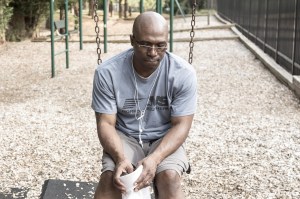

Contemporary Use And Religious Application

This proverb reminds us all to be flexible and to accept the ideas and advice of others. These days there are problems everywhere. Everyone wants to be the leader of others. War and chaos are everywhere. There are many people like Elder Ligoga in families, marriages, in churches, in Small Christian Communities. You only find arguments and quarrels.

These situations show that the Gospel of Jesus has not penetrated into people’s hearts. We need to increase our faith and care and respect the lives of others. To lack a heart of compassion is to miss God Himself who has taken pity on all of us through the suffering and death of his Son. Christians should not stop going to church and to Small Christian Communities so that we get the strength to continue doing good, respecting and listening to each other.

Text and Photos by:

Sister Felisia Mbifile, SCSF

Rome, Italy

Email: felisiajmbifile@gmail.com

1364. DINDAGE UMLYANGO GWA MUGATI (BENA)

KISWAHILI: FUNGA MLANGO WA CHUMBANI.

Methali hii ya Bena inamzungumzia mtu ambaye alikuwa na tabia ya kuacha mlango wa ndani wazi na kusababisha matatizo kwa jamii. Methali hii ni ya Wabena Ethnic Group wanaoishi Njombe, Makete, Ludewa, Makambako na Morogoro nchini Tanzania. Wanakadiriwa kuwa watu 1,322,000. Mwanzoni waliishi katika eneo la pwani na walifanya kazi pamoja na Kundi la Wazaramo katika kutengeneza chuma. Baadaye walifanya shughuli za uvuvi, kilimo na ufugaji. Ni watu wakarimu na wanafanya kazi kwa bidii. Kundi la Wabena hutumia methali, hadithi, misemo, muziki, nyimbo, ngoma na kadhalika kuelimisha jamii na vizazi vyao.

Moja ya methali walizotumia ni dindage umlyango gwa mugati ikimaanisha funga mlango wa chumba cha kulala. Methali hii inaweza kufuatiliwa hadi kwa mwanamume mmoja kutoka kijiji cha Kwavisu ambaye alihama kijiji chake na kwenda kuishi katika kijiji kingine cha mbali. Kwa bahati nzuri, kijiji alichokwenda kilikuwa na mto mkubwa na wenyeji hasa vijana walikuwa na kazi za uvuvi. Alikuwa na mke na watoto watatu. Malezi ya familia yake hayakuendana na mila na desturi za kijiji. Wazazi hawakujua jinsi ya kutunza siri za ndoa yao na familia yao. Walikuwa wakizungumza kwa uhuru bila kujali uwepo wa watoto wao. Kwa hiyo watoto walijua kila kitu kilichokuwa kikiendelea. Watoto hao walipokuwa shuleni, waliwaeleza wanafunzi wenzao mambo yaliyokuwa yakitendeka nyumbani.

Habari zilienea mtaani. Wenyeji walishangazwa na kuwaomba wazee wa kijiji waende kuzungumza na familia hiyo. Walishauri wafunge mlango wa chumba cha kulala maana yake wachunge siri za nyumba na ndoa yao ili kuepusha madhara na maadili mabaya ambayo ni ukosefu wa nidhamu ya familia na tabia mbaya. Wazazi walikubali na kufanya hivyo.

Wabena hutumia methali hii kuhamasisha maadili kwa watoto na vijana, haswa wakati vijana wanajiandaa kwa maisha ya ndoa. Walifundishwa kutunza familia zao na kuwa watu wa kutunza siri za ndoa bila kulalamika wala kuzungumza hapa na pale. Walifanya hivyo ili watoto waendelee kukua. Hawakati tamaa wala kuogopa kuolewa baada ya kujua shida na matatizo. Methali hiyo inafananishwa na watu wenye tabia ya familia hii isiyoweza kuficha siri na hivyo kuwa watu wa kuzungumza waziwazi na kulalamika hapa na pale na kuharibu jamii.

Waamuzi 16:15, 17: “Kisha akamwambia, “Unawezaje kusema, ‘Nakupenda’ na hali moyo wako si wangu? Mara tatu tayari umenidhihaki, wala hukuniambia unapata wapi nguvu zako nyingi!” Yeye taabu yake daima na pestered naye mpaka alikuwa deathly kuchoka yake. Kwamba alimwambia moyo wake wote, na kumwambia, “Wembe haujanifikilia kichwani mwangu; kwa maana mimi nimekuwa Mnadhiri wa Mungu tangu tumboni mwa mama yangu; nikinyolewa, ndipo nguvu zangu zitanitoka, nami nitakuwa dhaifu, nitakuwa kama wanadamu wengine.”

Mwanzo 37:5 “Yusufu akaota ndoto, akawapa ndugu zake habari; nao wakazidi kumchukia.

Marko 1:45 : “Lakini yeye akatoka, akaanza kuhubiri sana, na kuitangaza habari hiyo, hata Yesu asiweze tena kuingia katika mji huo waziwazi.

1 Wakorintho 4:1 “Mtu na atuhesabu hivi, kuwa tu watumishi wa Kristo na mawakili wa siri za Mungu.”

ENGLISH: CLOSE THE BEDROOM DOOR.

This Bena Proverb talks about a person who had the habit of leaving the inner door open and causing trouble to the community. This proverb belongs to the Wabena Ethnic Group who live in Njombe, Makete, Ludewa, Makambako and Morogoro in Tanzania. They are estimated as 1,322,000 people. At first they lived in the coast region and they worked together with the Wazaramo Ethnic Group in making iron. Later they did fishing, farming and breeding activities. They are generous people and they work hard. The Bena Ethnic Group use proverbs, stories, sayings, music, songs, dances and so on to educate the community and their descendants.

One of the proverbs they used is dindage umlyango gwa mugati that means close the bedroom door. This proverb can be traced back to a man from the village of Kwavisu who left his village and went to live in another distant village. Fortunately, the village that he went to had a big river and the locals, especially the young people, had fishing jobs. He had a wife and three children. The upbringing of his family did not conform to the traditions and customs of the village. The parents did not know how to keep the secrets of their marriage and their family. They were talking freely regardless of the presence of their children. So the children knew everything that was going on. When the children were at school, they told their classmates what was happening at home.

The news spread in the street. The locals were shocked and asked the village elders to go and talk to the family. They advised them to close the bedroom door that means that they should take care of the secrets of the house and of their marriage in order to prevent any harm and bad morals that is a lack of family discipline and bad behaviour. The parents agreed and did so.

The Bena people use this proverb to inspire morals in children and young people, especially when the young people are preparing for married life. They were taught to take care of their family and to be people who keep the secrets of marriage without complaining or talking here and there. They did it so that the children continue to grow. They do not give up or fear to get married after knowing the difficulties and problems. The proverb is likened to people who behave like this family who cannot keep secrets and thus become people who talk openly and complain here and there and destroy the society.

Biblical Parallels

Judges 16:15,17: “Then she said to him, “How can you say ‘I love you’ when your heart is not mine? Three times already you have mocked me, and not told me where you get your great strength!” She pressed him continually and pestered him till he was deathly weary of it. That he told her all his heart, and said unto her, “there has not come a razor upon my head; for I have been a Nazarite unto God from my mother’s womb: if it be shaven, then my strength will go from me, and I shall become weak, and be like any other man.”

Genesis 37:5: “And Joseph dreamed a dream and he told it his brethren: and they hated him yet the more.”

Mark 1:45: “But he went out and began to publish it much, and to blaze abroad the matter, insomuch that Jesus could no more openly enter into the city.”

1 Corinthians 4:1: “Let a man so account of us, as of the ministers of Christ, and stewards of the mysteries of God.”

Contemporary Use And Religious Application

This proverb teaches us to be people who keep secrets especially when it is necessary to do so. Be it family, office, work and elsewhere, secrets are things or plans that are inside a person. It is not easy for others to understand what someone else has said to others. Many people these days have destroyed their marriages, families, jobs, some have been demoted, some have been fired and others have been killed and so on because of the failure to keep secrets.

In our church such as in our various Small Christian Communities there are also conflicts here and there. Some have stopped praying, others are separated from their churches and many others have problems because someone fails to keep a secret. We are reminded by this Bena proverb that we should be people who keep our secrets and those of our colleagues.

This proverb helps us to put into practice this Jubilee Year 2025 message that calls Christians to increase their hope in God on their way to the Heavenly Kingdom. They are pilgrims of hope on this earth.

Text by:

Sister Felisia Mbifile, SCSF

Rome, Italy

Phone No: +254792229035

Email: felisiambifile@gmail.com